
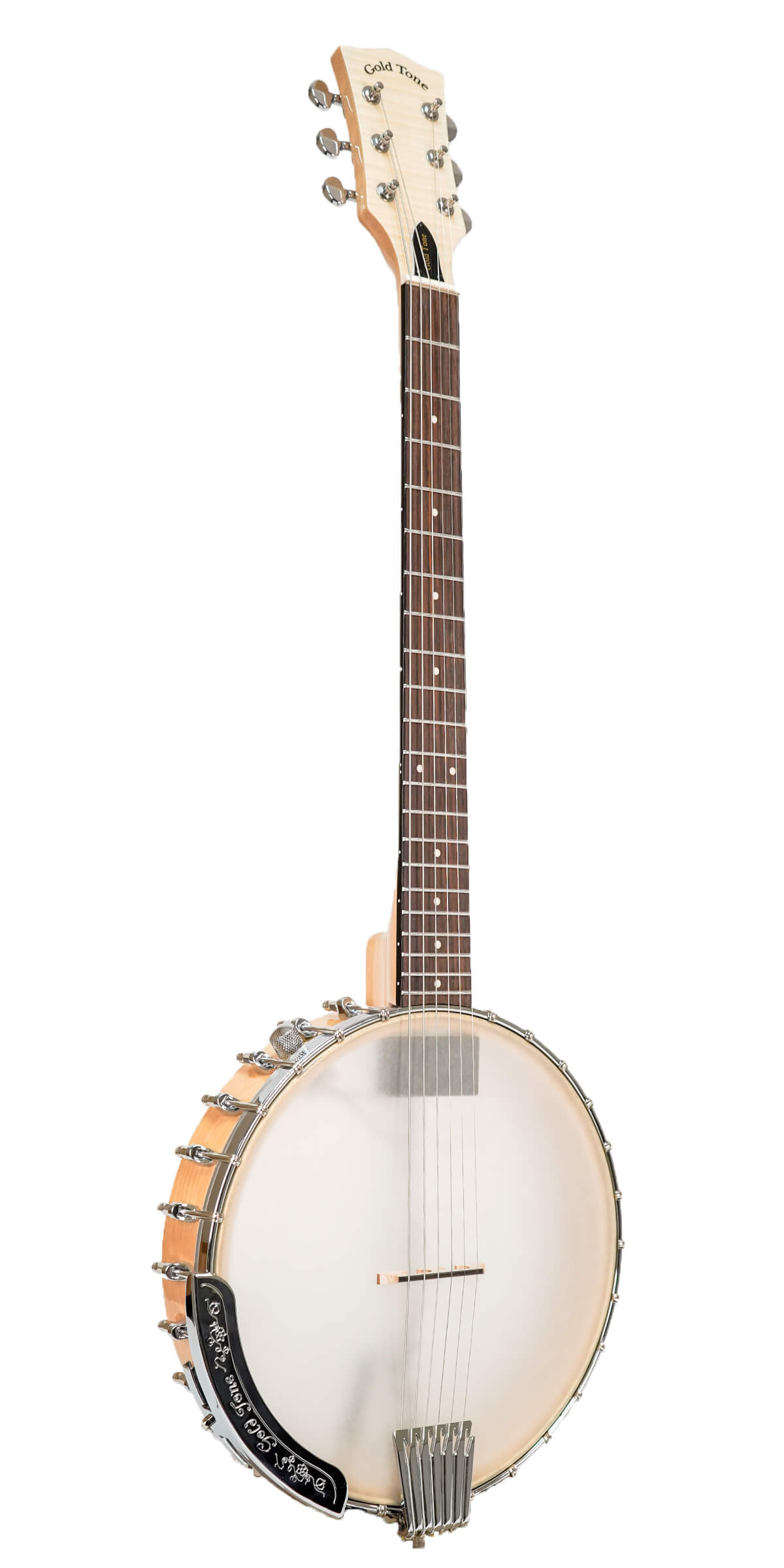
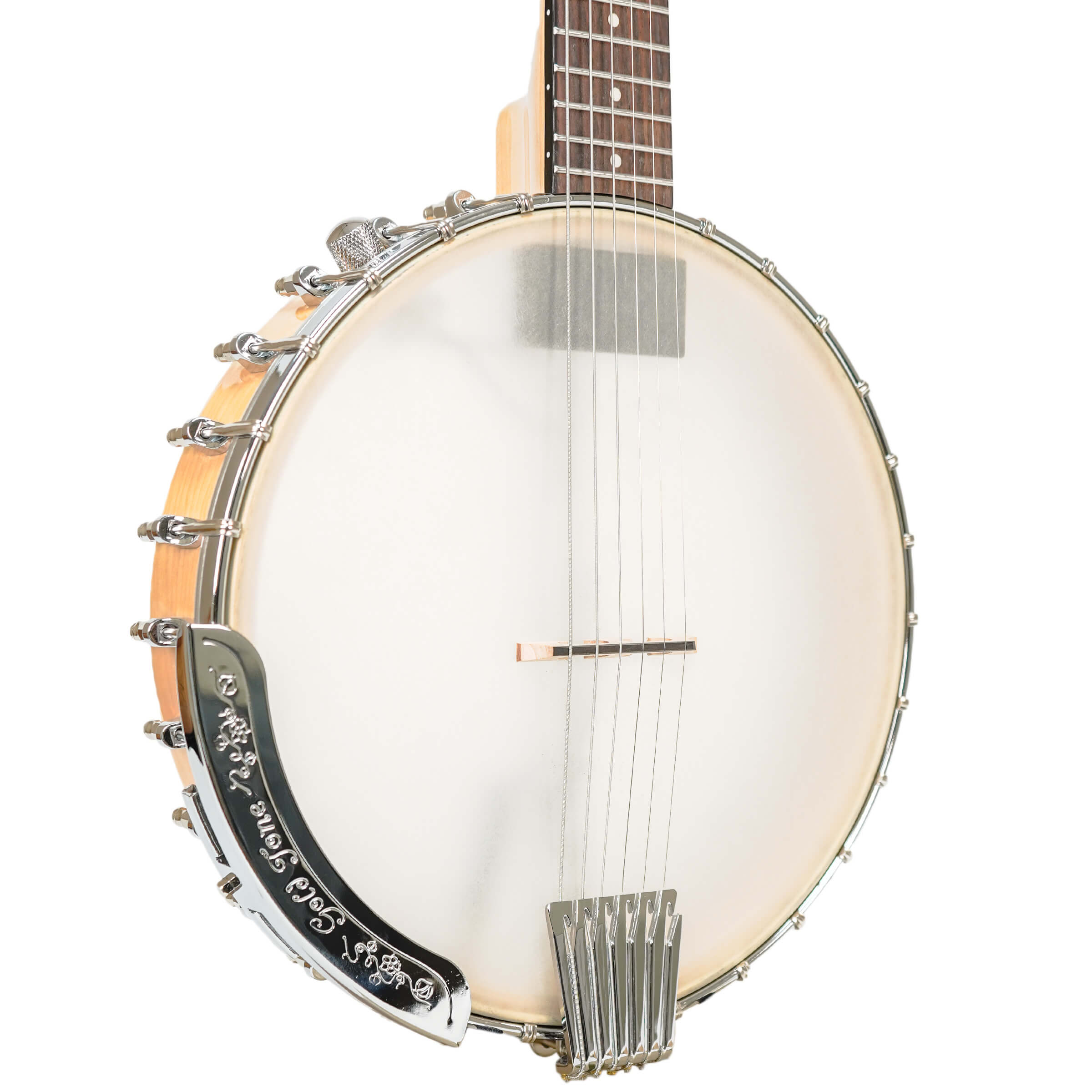

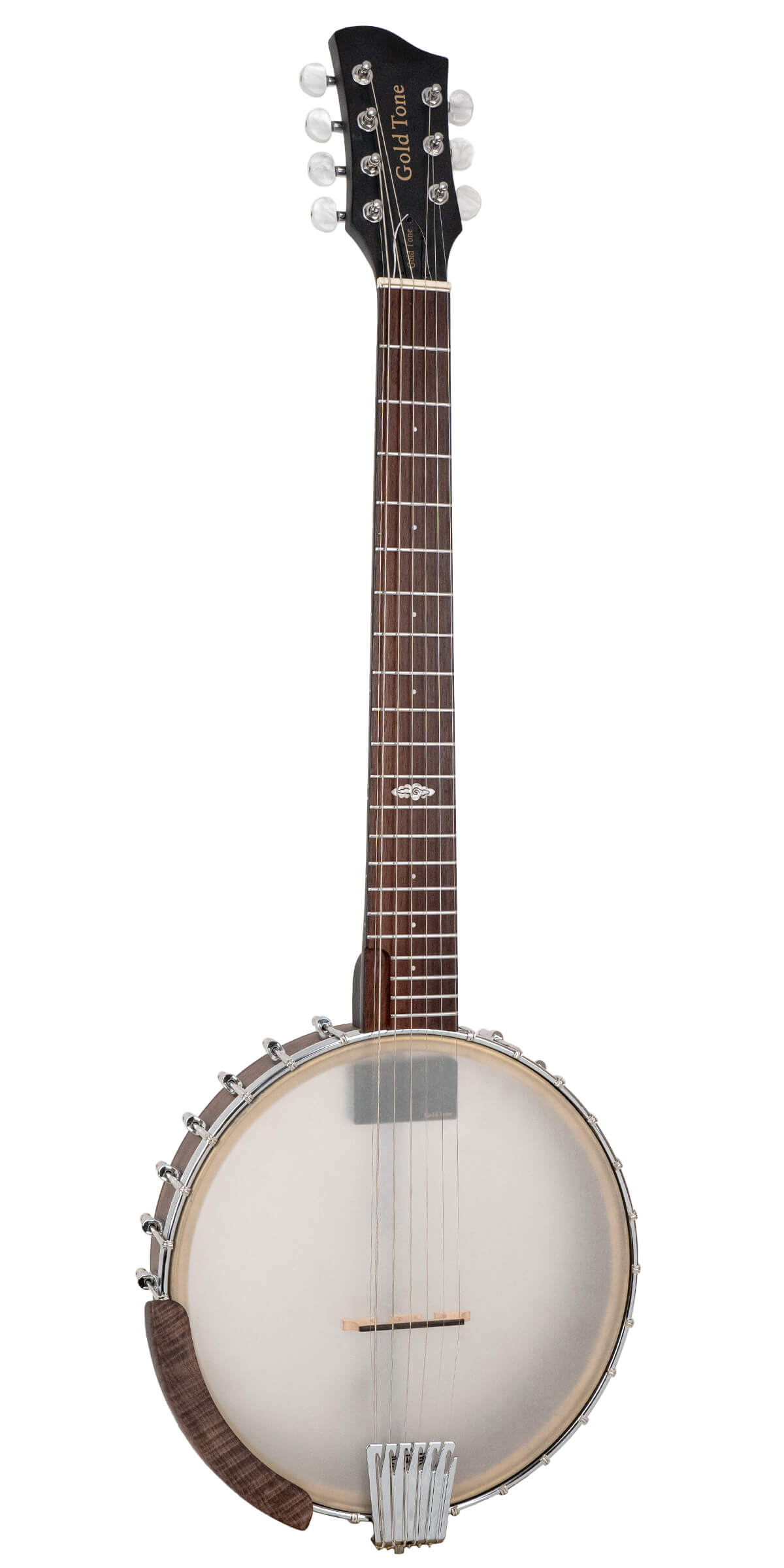
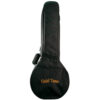
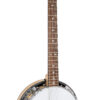

Gold Tone BT-1000 6-String Banjitar with Pickup and Bag (Left-Handed)
$899.99
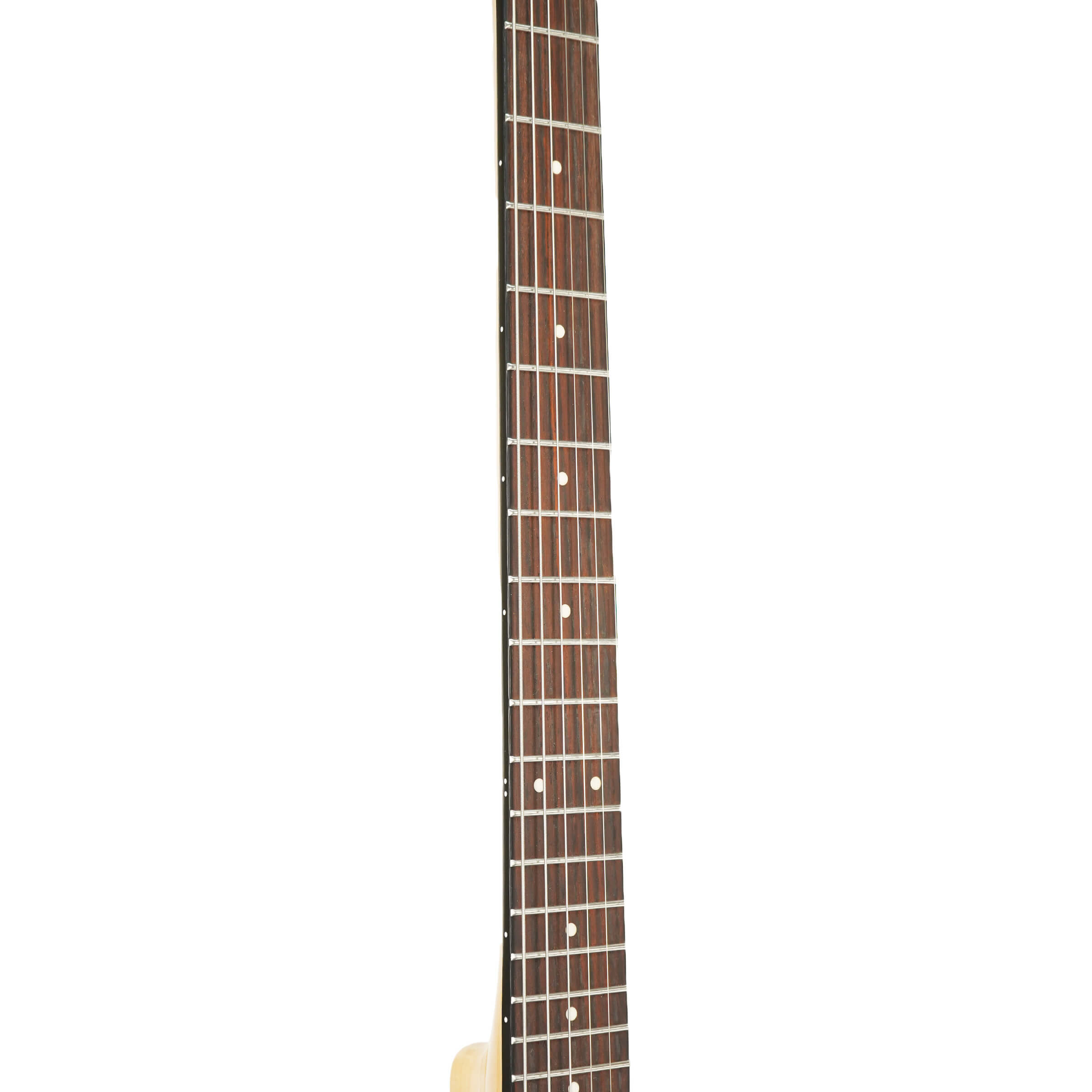
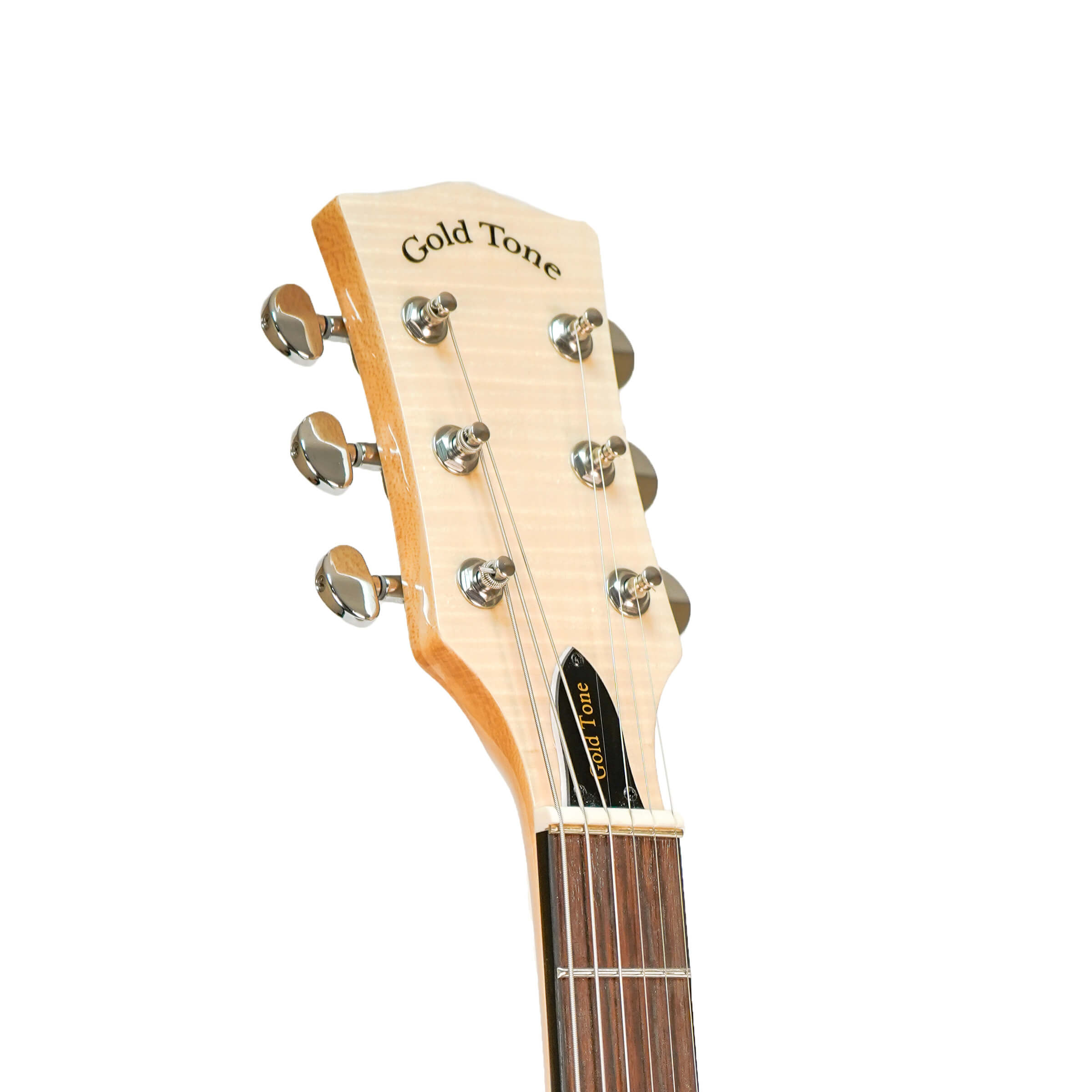
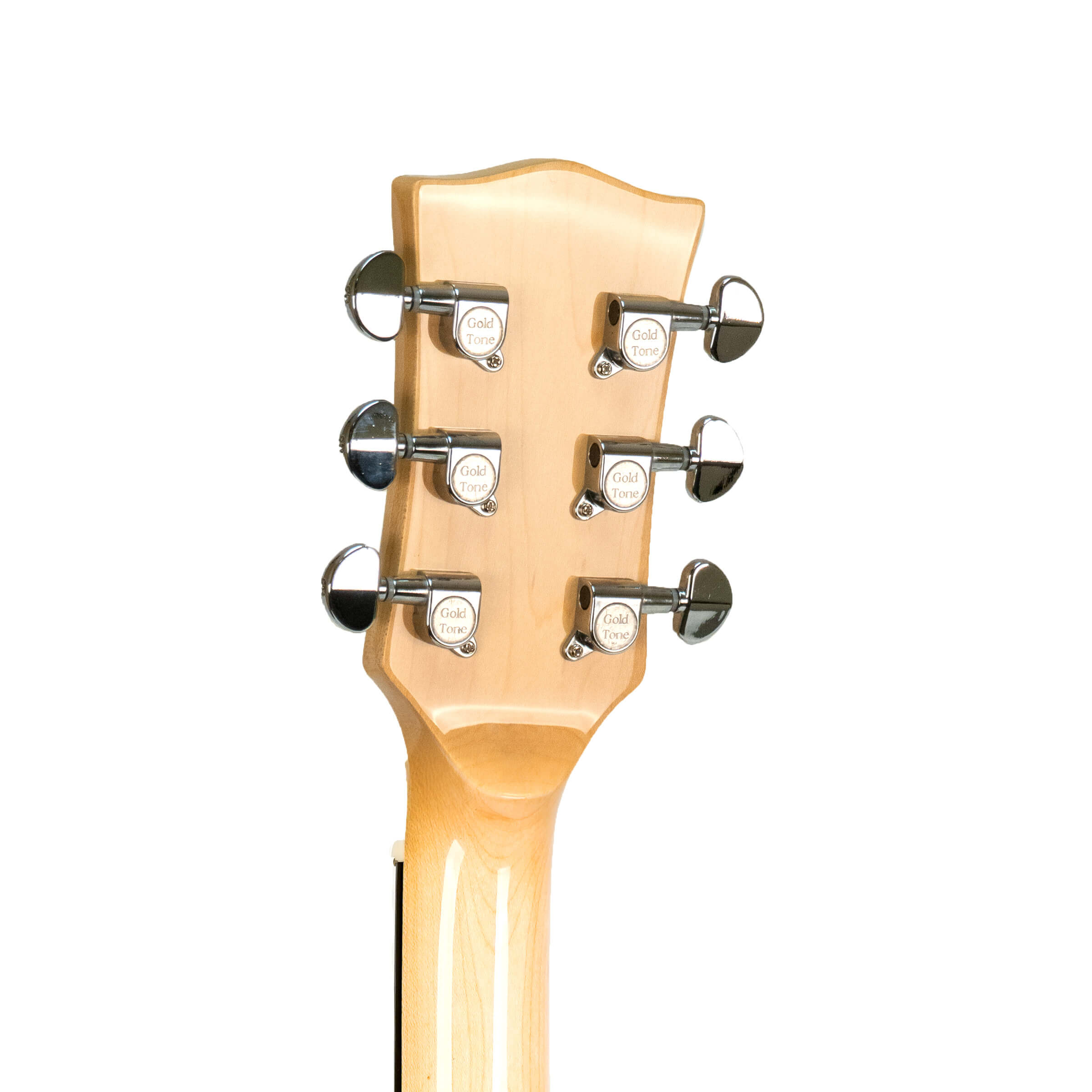
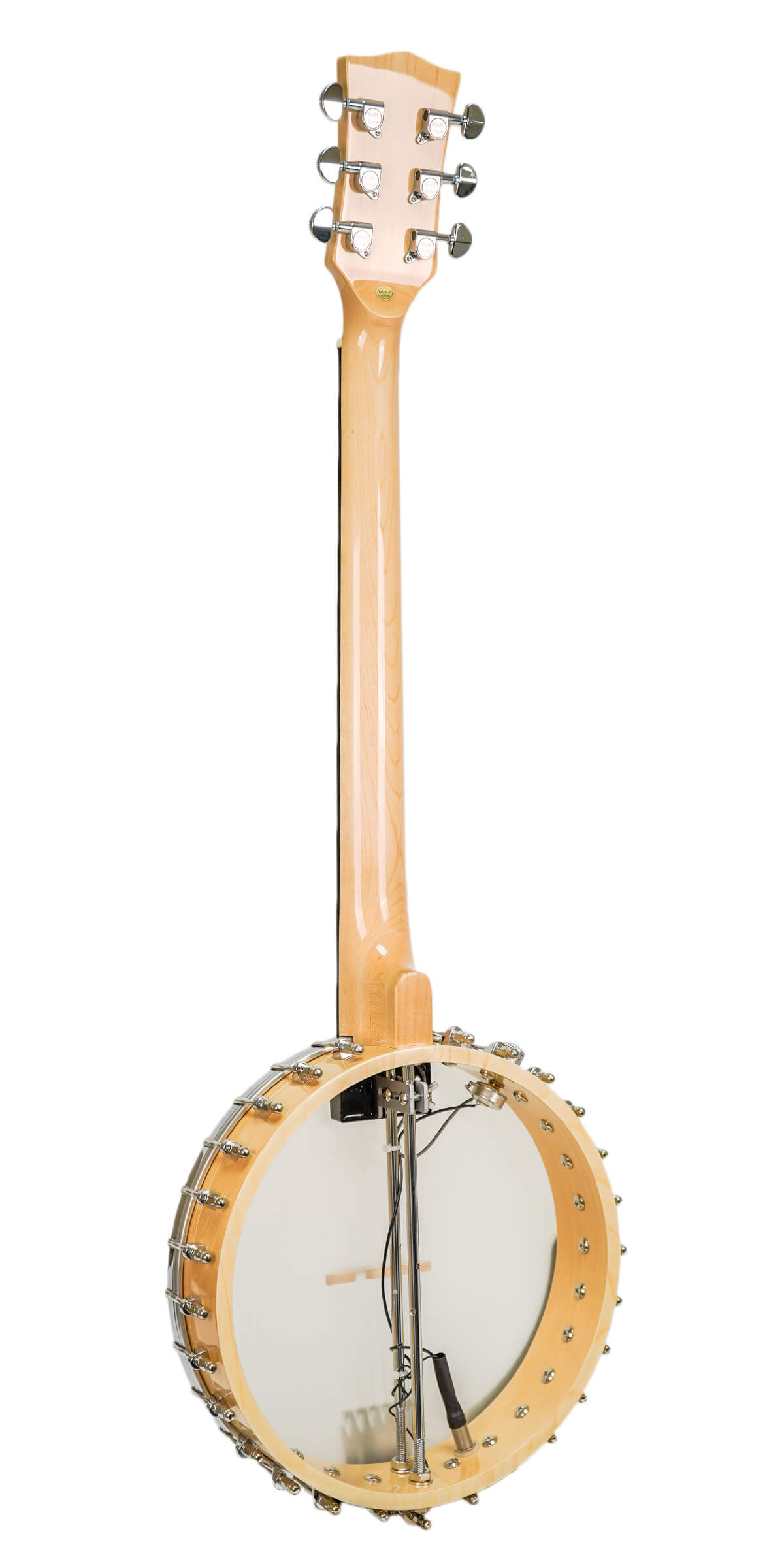
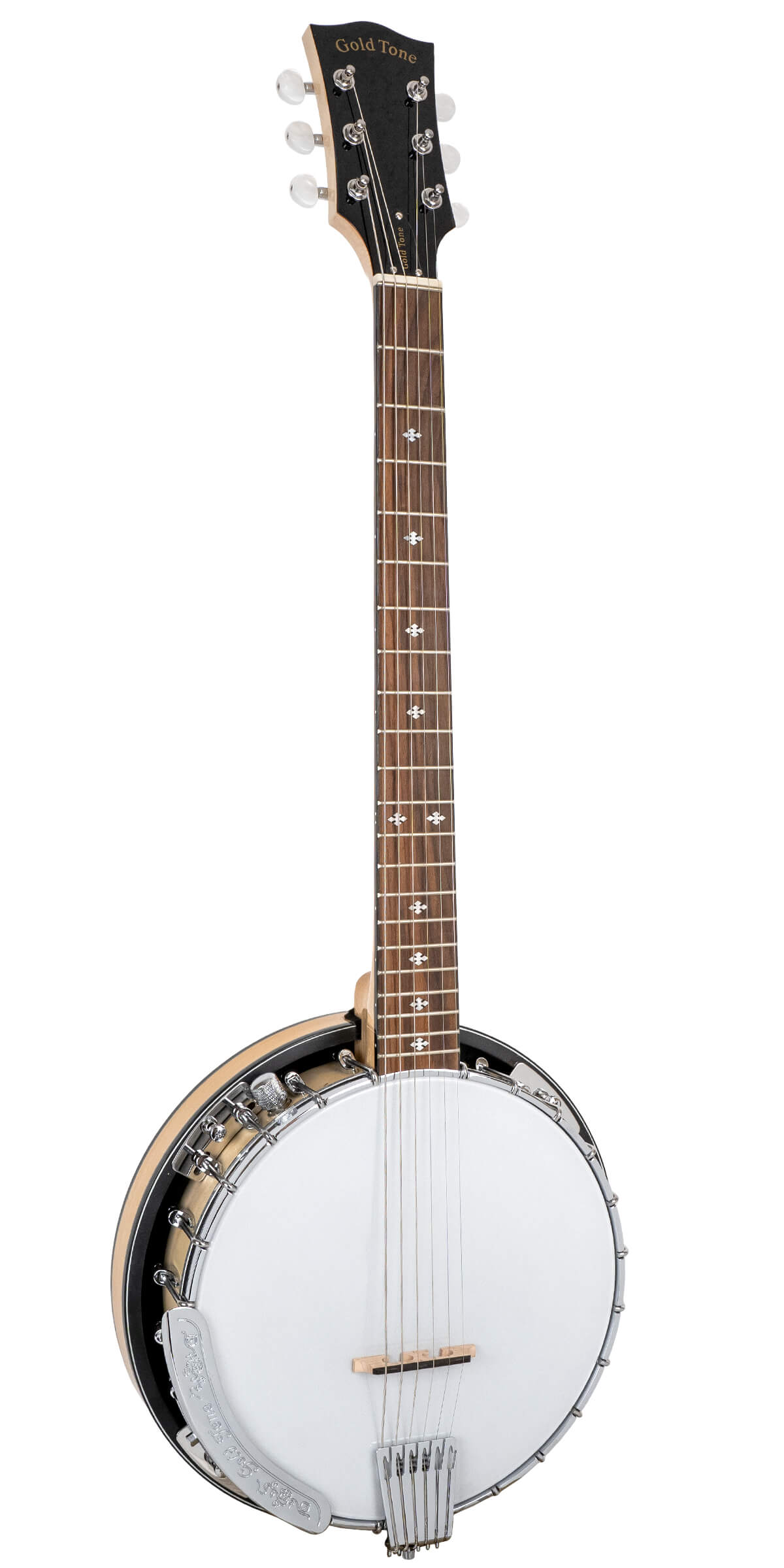
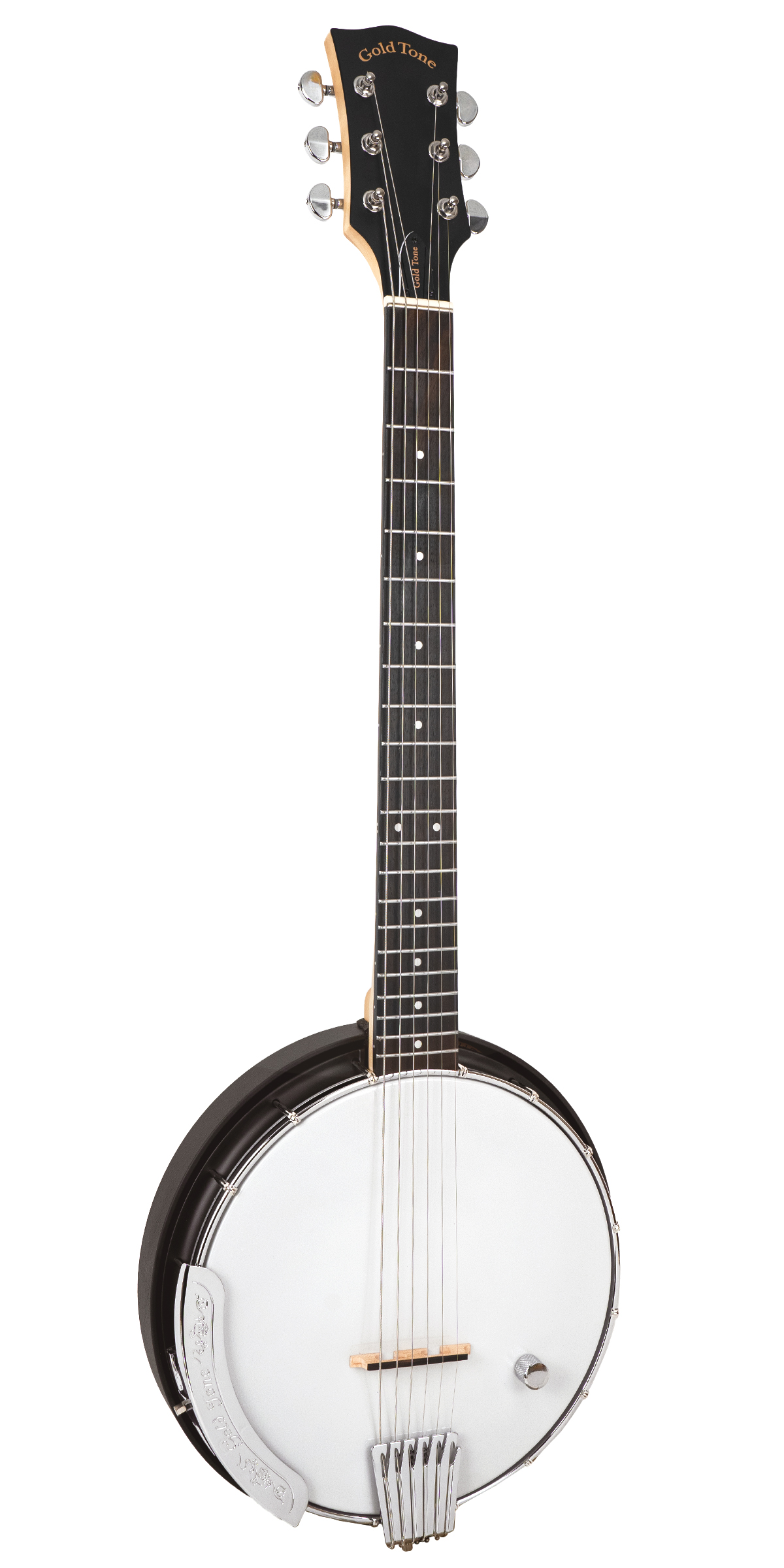
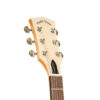
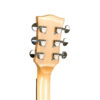
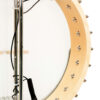
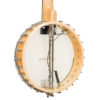
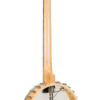
This is the left-handed version of the Gold Tone BT-1000 — a stage-ready 6-string banjitar tuned EADGBE and equipped with the SMP+ pickup system for clear, consistent amplified tone. A radiused rosewood fingerboard, 25-1/2″ guitar-scale neck, and sealed guitar-style tuners make the transition from guitar feel completely natural. Every BT-1000/L is professionally set up at Gold Tone’s factory in Titusville, FL, so it arrives ready to play.
In stock
At a Glance
- Handedness
- Left-Handed
- Style
- Banjitar
- Strings
- 6
- Scale Length
- 25-1/2"
- Tone Ring
- Brass
- Pickup
- Yes
- Made In
- China
- Weight
- 7 lbs
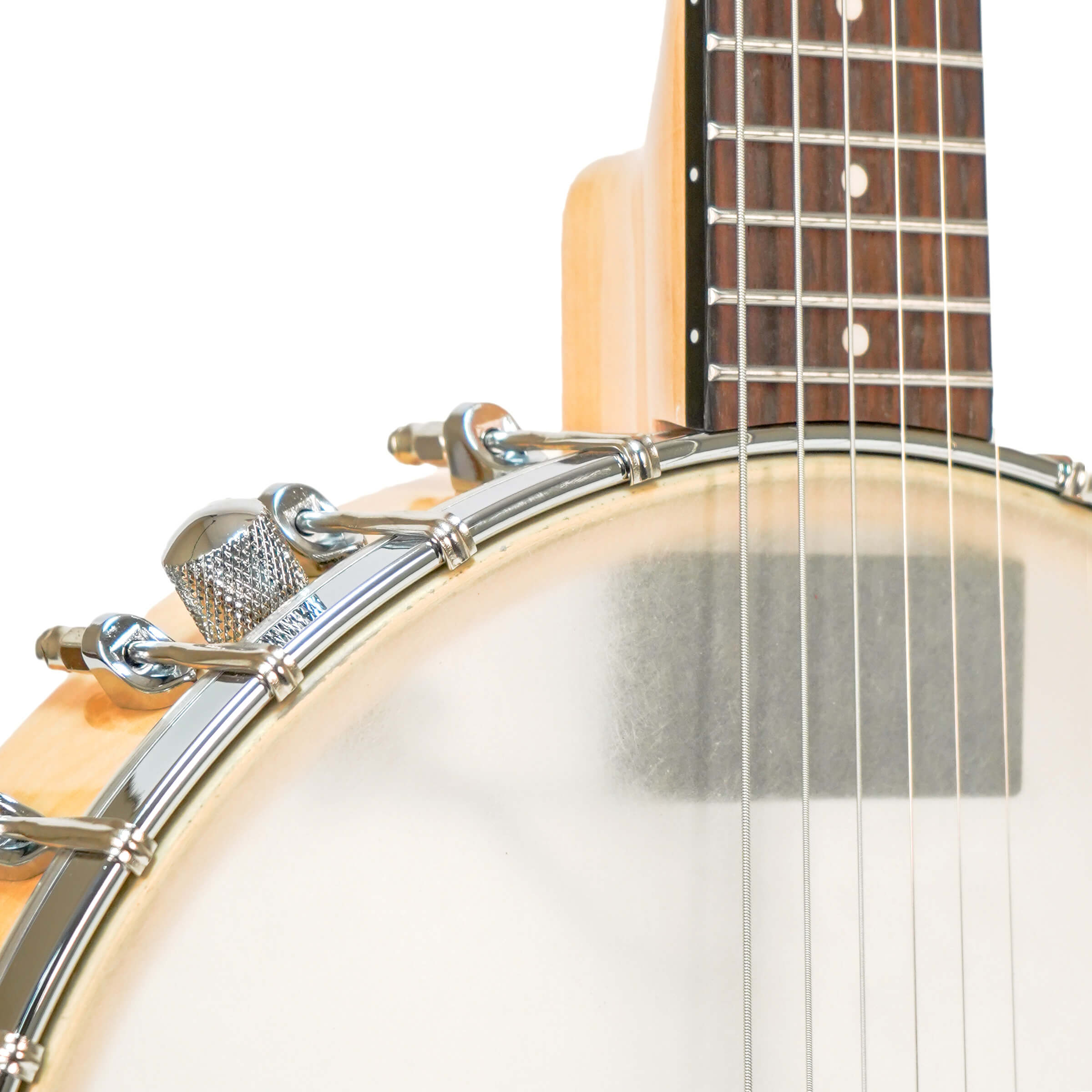
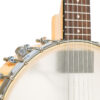
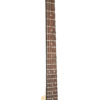
If you already play guitar and you’ve been curious about the banjo’s snap and ring, the Gold Tone BT-1000 Left-Handed Banjitar is one of the most direct paths I know of to get there. This is the left-handed version of the BT-1000 — same great instrument, flipped for southpaw players — and it’s built around a 25-1/2″ scale length with a radiused rosewood fingerboard, so everything about the feel will be instantly familiar if you’re coming from guitar. Tune it EADGBE, pick it with your fingers or a flatpick, and you get that unmistakable banjo attack layered on top of chords and voicings you already know. The 12″ 3-ply maple rim, rolled brass flat-bar tone ring, and Remo Renaissance head combine to deliver a focused, bright tone that projects beautifully both acoustically and through a PA.
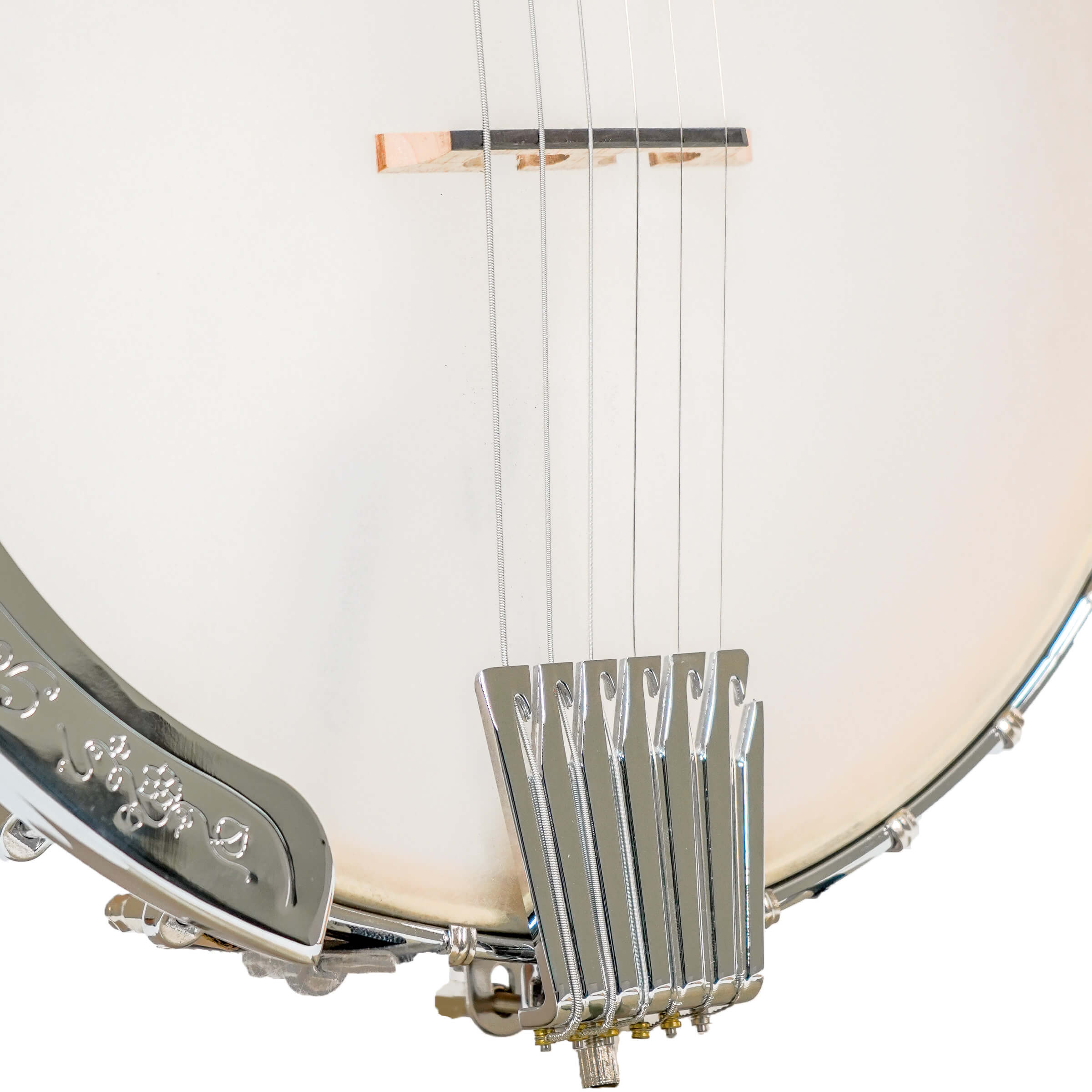
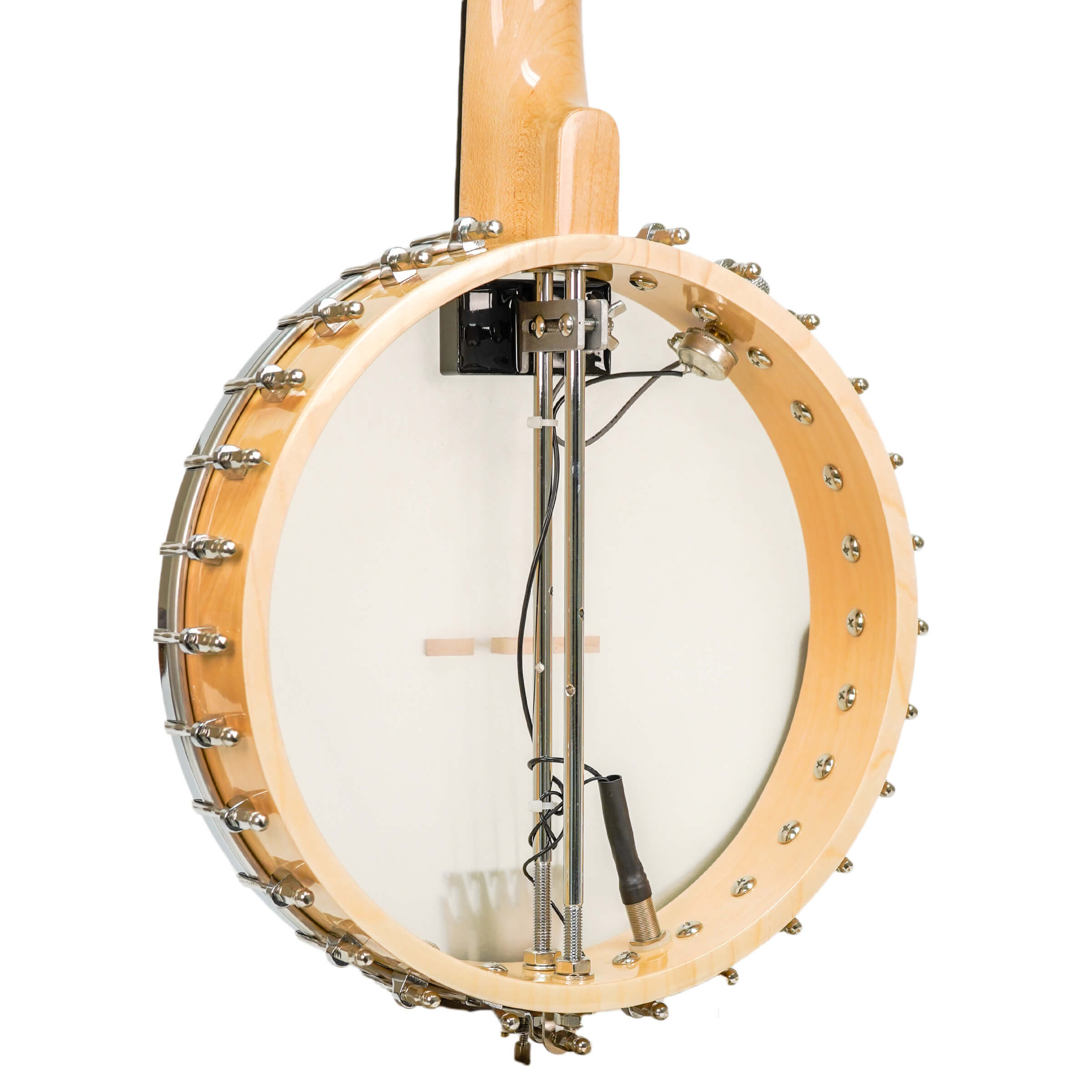
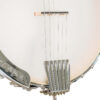
What sets the BT-1000 apart from Gold Tone’s entry-level banjitars is the SMP+ pickup system built right in. This isn’t an afterthought — it’s a clean, consistent transducer that works well with any DI box or acoustic amplifier, and it makes the BT-1000 genuinely gig-ready out of the box. The ZeroGlide nut at 1-11/16″ helps keep open-string intonation honest, the dual 12″ coordinator rods keep the neck angle stable over time, and the chrome Terminator tailpiece gives you real downward string pressure on that maple-and-ebony-capped bridge. Twenty-six brackets, black ABS binding, and a high-gloss natural finish round out a package that looks and feels like a professional instrument at a price that won’t keep you up at night. The included gig bag means you’re ready to head to rehearsal the moment it arrives.
Each instrument receives a professional setup at Gold Tone’s factory in Titusville, Florida before it ships to you.
Why Buy From Banjo Warehouse
Banjo Warehouse is an authorized Gold Tone dealer, which means your BT-1000/L comes with the full manufacturer’s warranty and the confidence that you’re getting a genuine, current-production instrument. We want you playing, not worrying about your purchase. Financing is available through PayPal Pay in 4 and 3, 6, 12, or 24-month plans — all with no late fees, plus Afterpay — so you can spread the cost however works best for you.
Gold Tone BT-1000/L Specifications
| Model | BT-1000/L (Left-Handed) |
| Tuning | EADGBE |
| Scale Length | 25-1/2″ |
| Nut Width | 1-11/16″ ZeroGlide Nut |
| Neck Material | Maple |
| Fingerboard | Radiused Rosewood |
| Frets | 21 |
| Inlay | Dot |
| Truss Rod | Two-Way Adjustable |
| Headstock Buttons | B-Style |
| Tuners | Sealed Guitar-Style |
| Rim | 12″ 3-Ply Maple |
| Tone Ring | 12″ Rolled Brass Flat Bar |
| Head | 12″ Remo LC Renaissance |
| Bridge | Maple with Ebony Cap |
| Tailpiece | Terminator |
| Tension Hoop | 12″ Flat Bar |
| Brackets | 26 |
| Coordinator Rods | Dual 12″ |
| Binding | Black ABS |
| Armrest | Fits All GT Engraved |
| Hardware Finish | Chrome Plated |
| Body Finish | Natural / High Gloss |
| Pickup | SMP+ |
| String Gauge | .052w, .042w, .032w, .020w, .013, .010 |
| Weight | 7 lbs. |
| Bag | Included |
| Optional Hard Case | HD15-M |
| Setup Location | Titusville, FL, USA (Gold Tone) |
Frequently Asked Questions
Do I need to know how to play banjo to get started on the BT-1000/L?
Not at all — that’s actually the whole point of a banjitar. The BT-1000/L is tuned and strung exactly like a standard guitar (EADGBE), so if you already play guitar, you can pick this up and start making music immediately. You bring your existing chord shapes, scales, and right-hand technique; the banjo rim and tone ring do the rest, giving your playing that bright, percussive banjo character without any new learning curve.
Is the SMP+ pickup passive or active, and what does it plug into?
The SMP+ is a passive piezo-style pickup, so it doesn’t require a battery. It outputs a standard 1/4″ signal that works well with an acoustic guitar amplifier, a DI box into a PA, or most acoustic preamp pedals. For best results I’d recommend running it through a preamp with a high-impedance input — something like a simple acoustic DI — to get the fullest, most natural tone in a live setting.
Want to know when new banjos arrive? Join our email list: Sign up here.
Be the first to review “Gold Tone BT-1000 6-String Banjitar with Pickup and Bag (Left-Handed)”
You must be logged in to post a review.
Related products
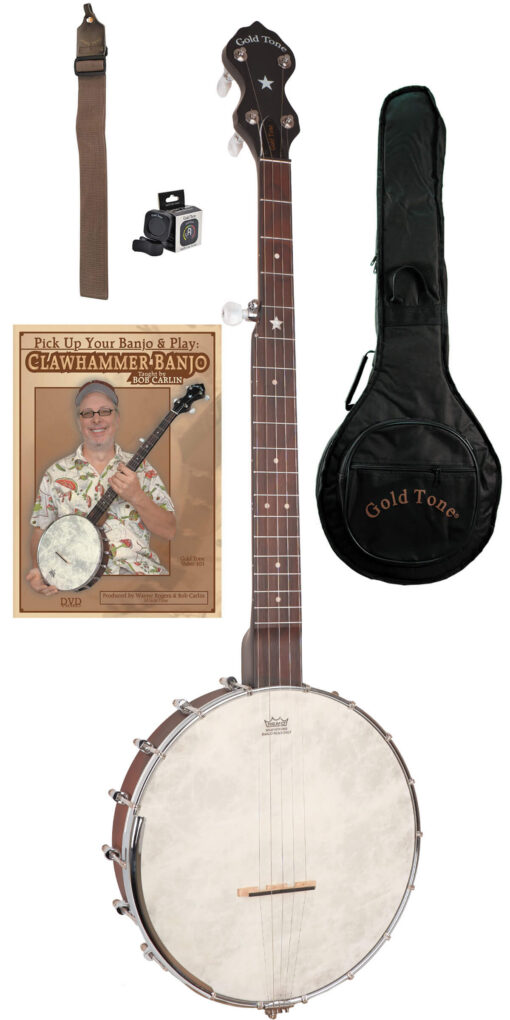
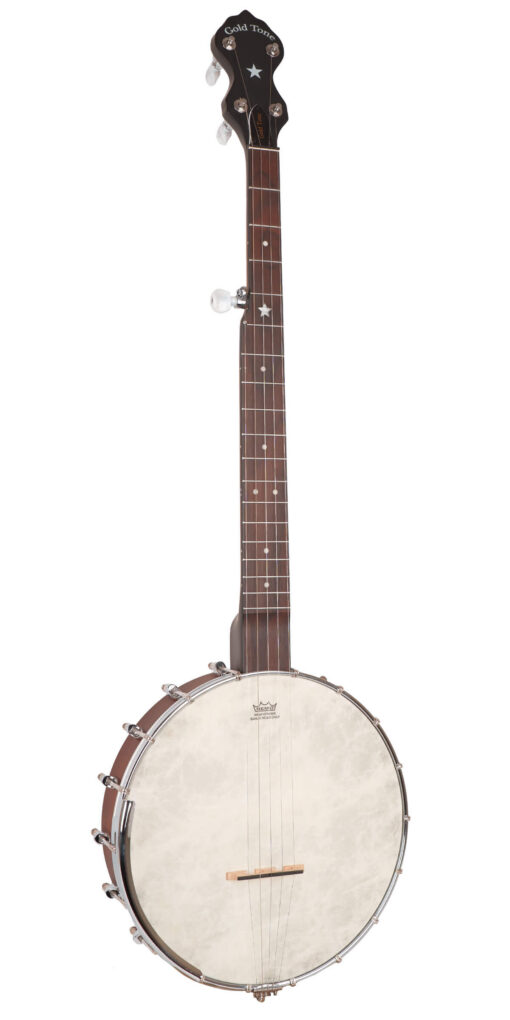
This is the left-handed version of the Gold Tone CC-OT, a complete clawhammer starter package built around a genuinely old-timey open-back banjo with a rolled-brass flat-bar tone ring, Remo Fiberskyn head, and a scooped rosewood fretboard — everything a new frailing player needs right out of the box. It is professionally set up at the Gold Tone factory in Titusville, Florida before it ships to you. Financing is available with no late fees through PayPal Pay in 4, Afterpay, and 3, 6, 12, or 24-month plans.
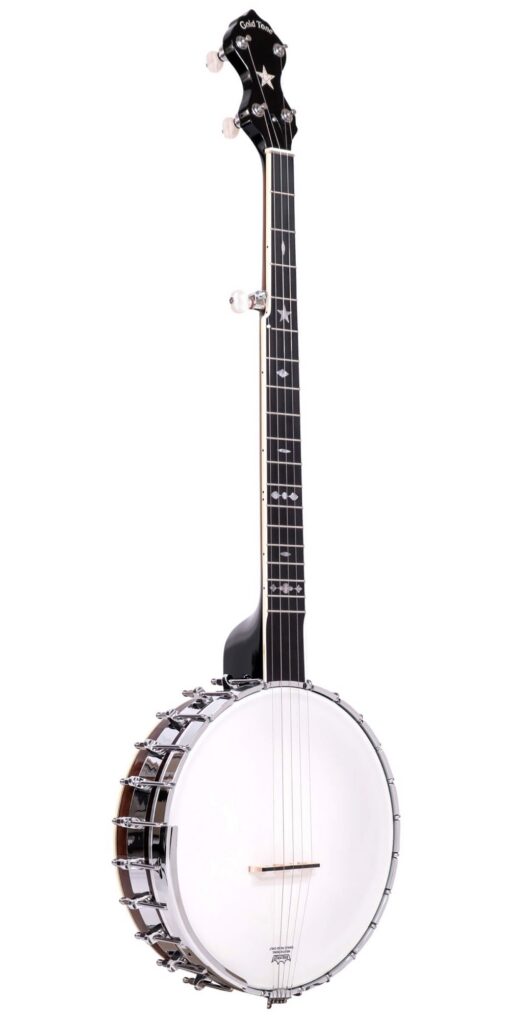
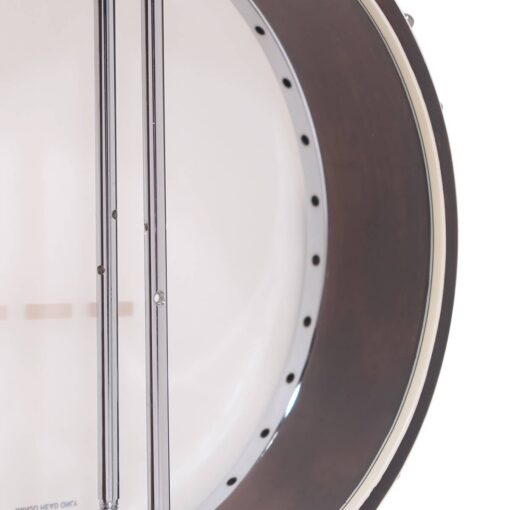
The Gold Tone OT-800/L is a left-handed old time tubaphone-style open back banjo. 32-hole tubaphone tone ring, 1/2-inch maple rim with bracket band, ebony fingerboard with scoop, no-knot tailpiece, Remo Renaissance head, GT Master planetary tuners, dual coordinator rods. 8 lbs. Professionally set up at Banjo Warehouse in Yellow Springs, Ohio. Hardshell case included.
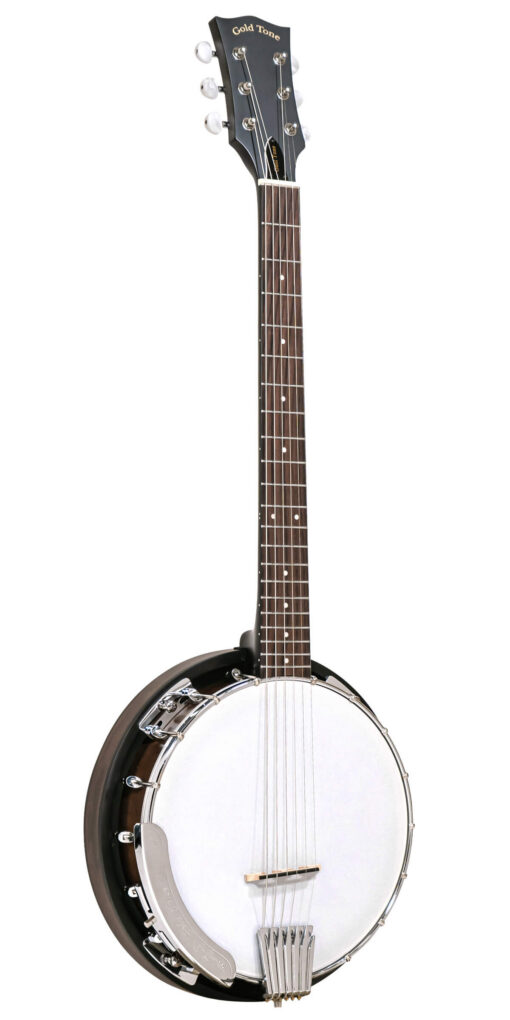
The Gold Tone CC-Banjitar (Left-Handed) gives left-handed guitarists an instant gateway into that bright, punchy banjo sound — no new tuning, no new chord shapes, just plug in and play. Built on Gold Tone's proven Cripple Creek platform with an 11-inch rolled brass flat-bar tone ring, a built-in SMP+ pickup, and a gig bag included, this is one of the most complete packages in the banjitar world. Every instrument receives a professional factory setup at Gold Tone in Titusville, Florida before shipping, so it arrives ready to play from the first strum.
![Gold Tone CC-100R+-L - 1-front [gt-variant:1189]](https://banjowarehouse.com/wp-content/uploads/2026/05/1-front-3-510x1020.jpg)
![Gold Tone CC-100R+-L - 10-back [gt-variant:1189]](https://banjowarehouse.com/wp-content/uploads/2026/05/10-back-3-510x1020.jpg)
The Gold Tone CC-100R+/L is the left-handed version of one of the best-selling beginner and intermediate banjos ever made — over 25,000 Cripple Creek banjos have found their way into pickers' hands worldwide. Built with a hard maple neck and rim, real rosewood fretboard, dual coordinator rods, and a brass rod tone ring, it punches well above its price class. Every one receives a professional factory setup at Gold Tone in Titusville, Florida so it plays great right out of the box.
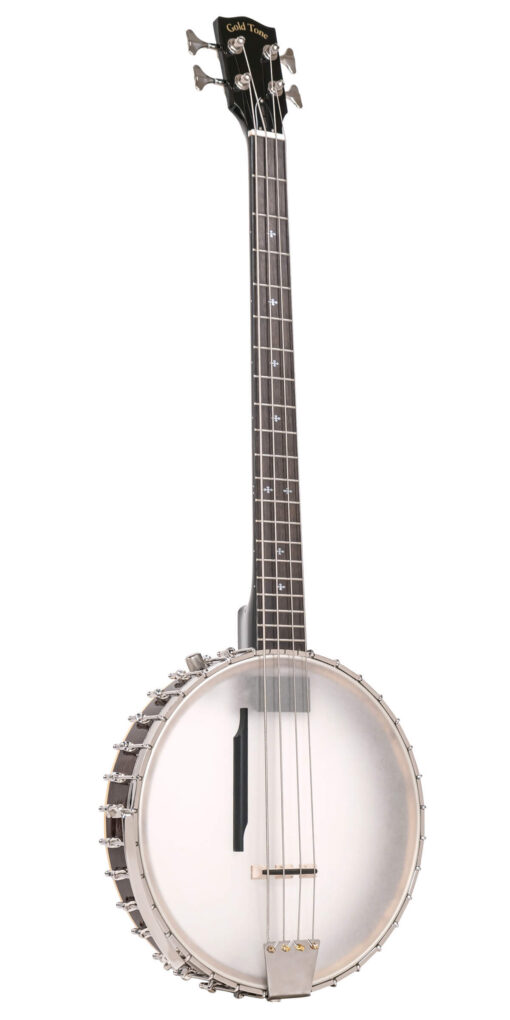
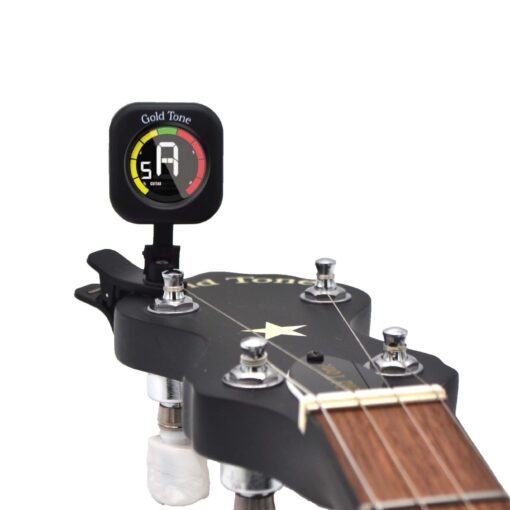
This is the left-handed version of the Gold Tone BB-400+ Banjo Bass — a genuinely exciting instrument that brings the warm, punchy voice of an acoustic bass banjo to gigging and recording bassists. Built around a 14-inch three-ply maple rim with a rolled-brass flat-bar tone ring and Gold Tone's internal sliding magnetic pickup, the BB-400+ delivers full, resonant bass tones that cut through any mix. It is professionally set up at Gold Tone's factory in Titusville, FL, hard shell case included, and financing options available.
![Gold Tone CC-Carlin12-L - 1-front [gt-variant:1032]](https://banjowarehouse.com/wp-content/uploads/2026/05/1-front-2-510x1020.jpg)
![Gold Tone CC-Carlin12-L - 10-back [gt-variant:1032]](https://banjowarehouse.com/wp-content/uploads/2026/05/10-back-2-510x1020.jpg)
On order from Gold Tone. We don't have this one in the warehouse right now — placing an order reserves you a unit from the incoming batch. Lead times vary by model, so get in touch before you buy and we'll tell you where this run currently stands. Your payment is fully refundable at any time before your order ships, for any reason and with no restocking fee.
This is the left-handed version of the Gold Tone CC-Carlin12, a 12-inch open-back clawhammer banjo built to the signature specs of old-time legend Bob Carlin — one of the most dedicated banjo educators in American folk music. Designed for beginners and intermediate players who want an instrument that plays and sounds like a serious old-time banjo without a serious price tag, it ships with a gig bag and arrives professionally set up at the Gold Tone factory in Titusville, Florida. This left-handed model is a genuinely rare find in the clawhammer world.
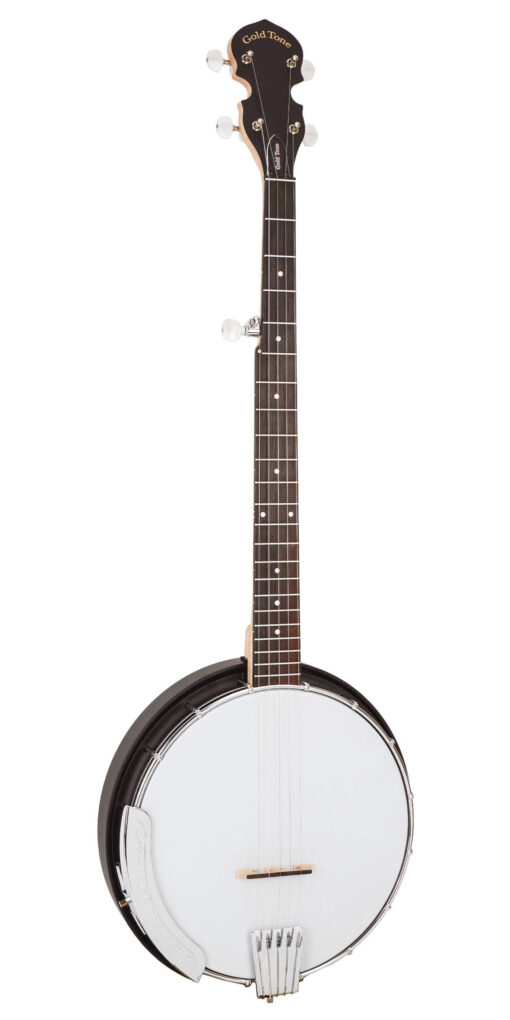
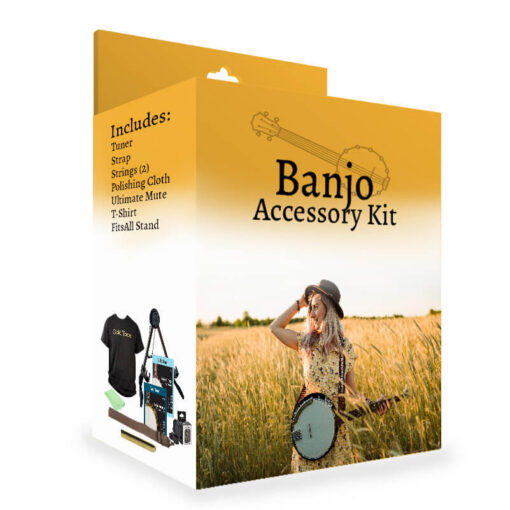
This is the left-handed version of the Gold Tone AC-5 — a genuinely impressive beginner bluegrass banjo that punches well above its price point. The composite rim and resonator deliver a punchy low end and clear, ringing highs that surprised me the first time I picked one up. It ships with a padded gig bag and is professionally set up at the Gold Tone factory in Titusville, Florida before shipping.
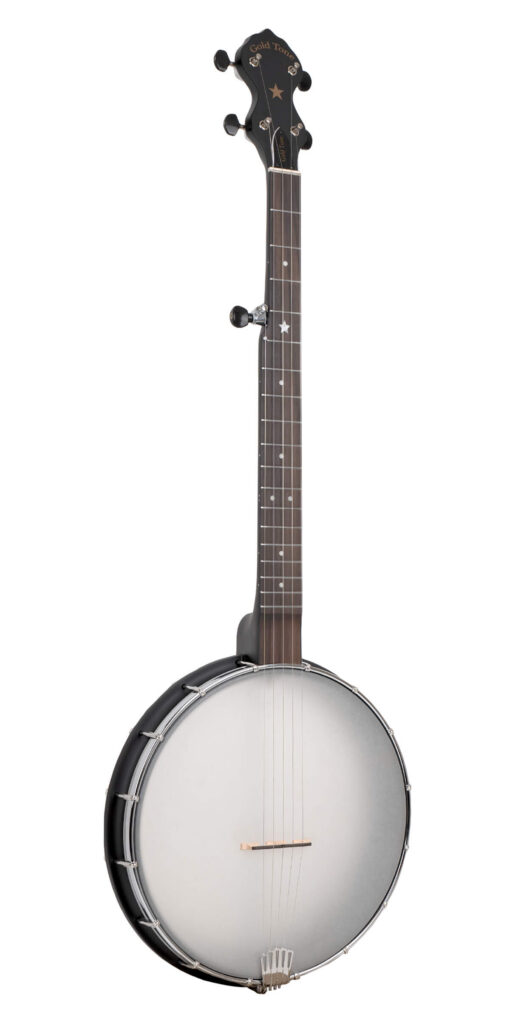
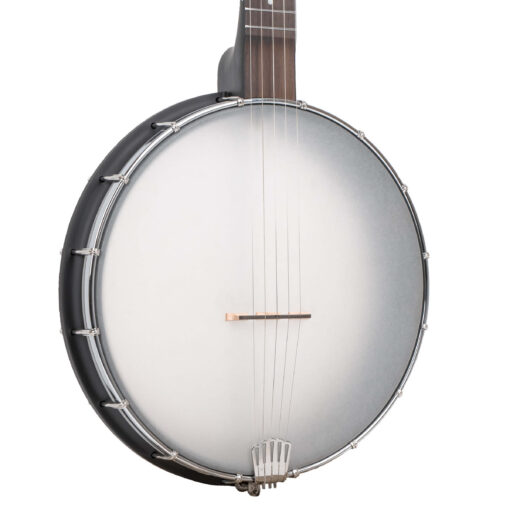
The Gold Tone AC-12 is a 12-inch openback 5-string banjo built specifically for old-time and clawhammer players who want a serious instrument without a serious price tag. At just five pounds, it's one of the lightest full-size banjos on the market — perfect for long festival days and casual front-porch sessions alike. Every AC-12 is professionally set up at Gold Tone's factory in Titusville, FL so it plays beautifully right out of the box.
Reviews
There are no reviews yet.