
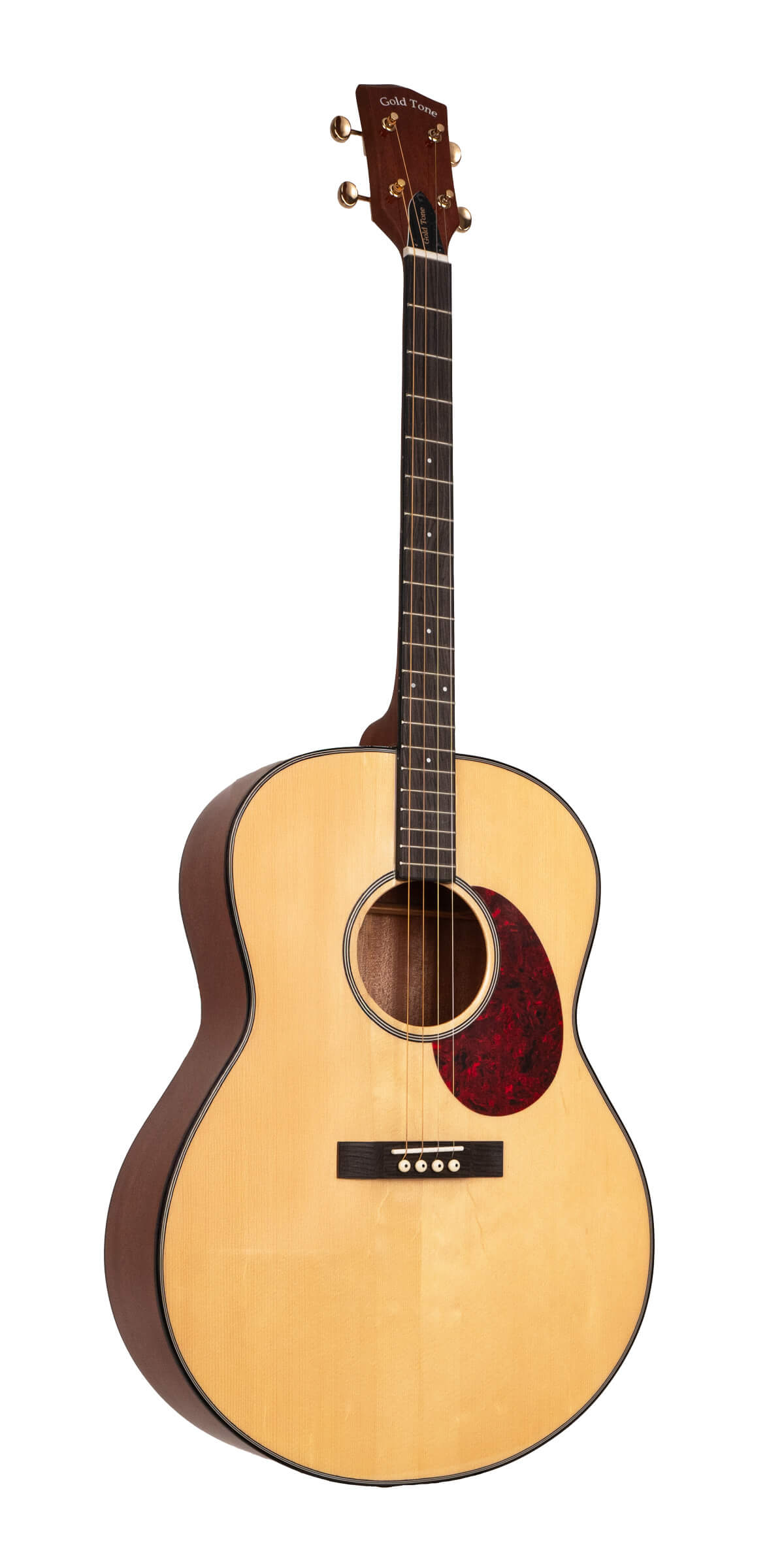
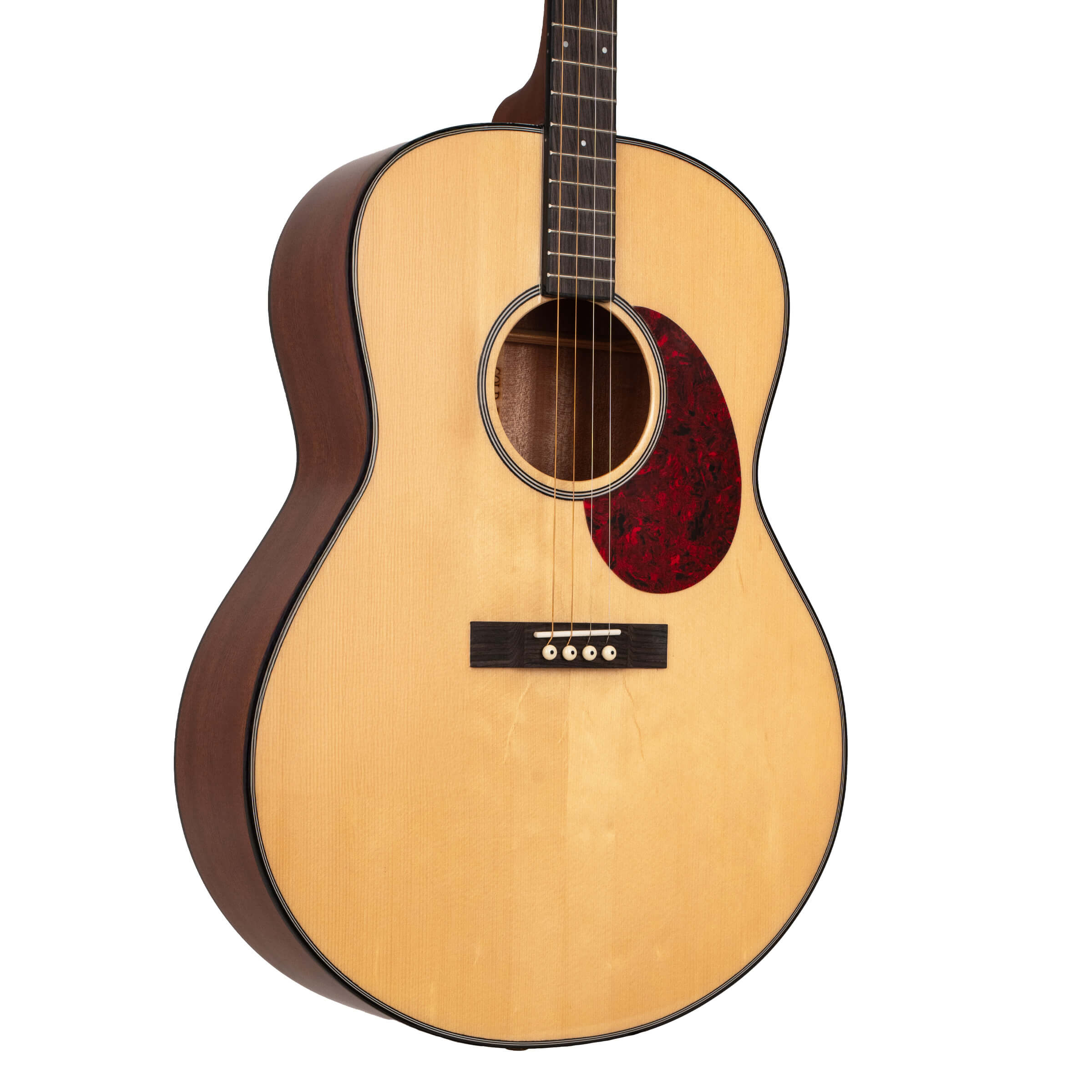
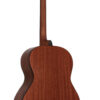
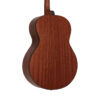
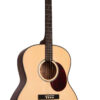
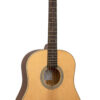
Gold Tone TG-18 Mastertone Tenor Guitar with Bag
Original price was: $799.99.$680.99Current price is: $680.99.
Order during the sale to lock in this price. It ships as soon as it arrives.
Sale ends Sat 10/24 · See all 249 →
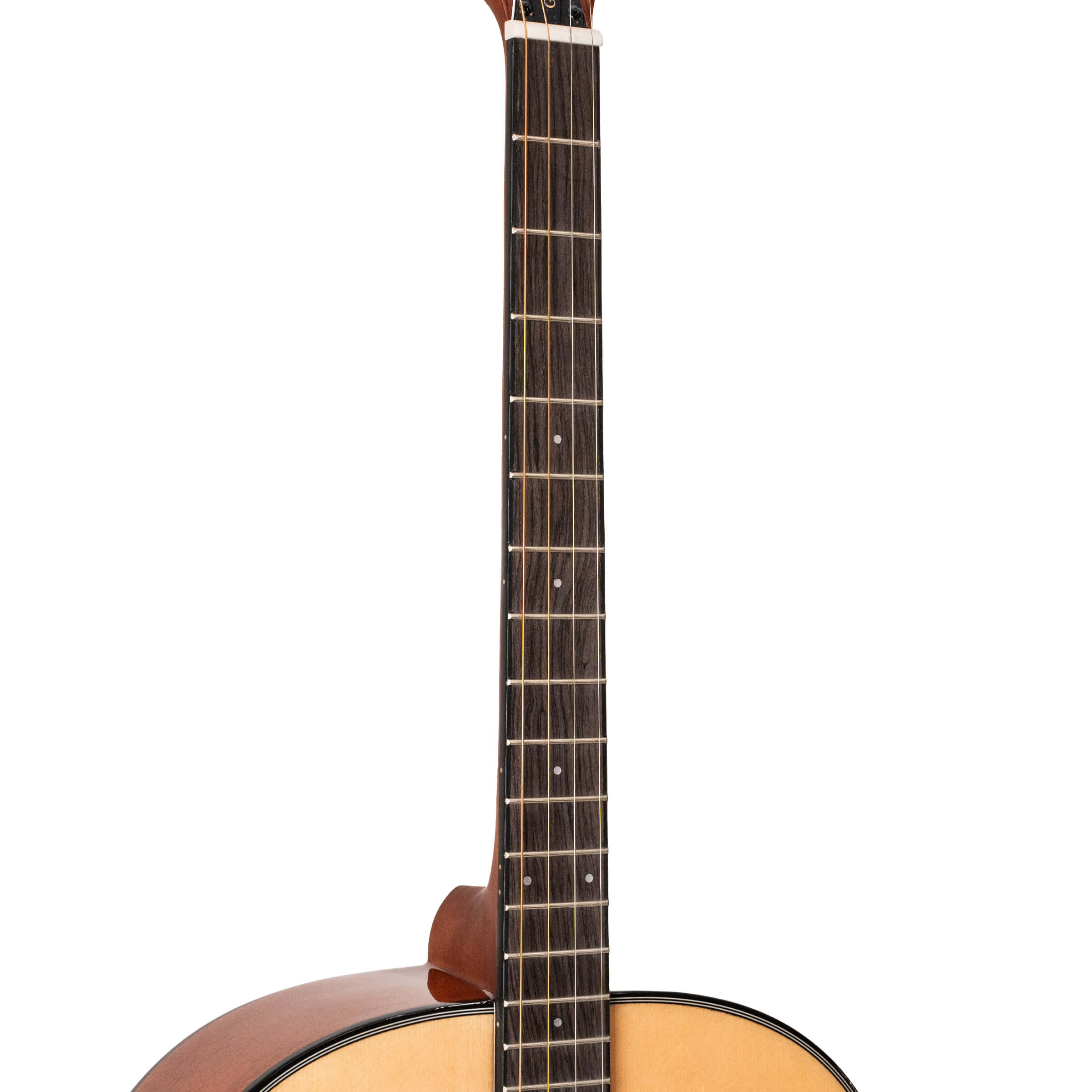
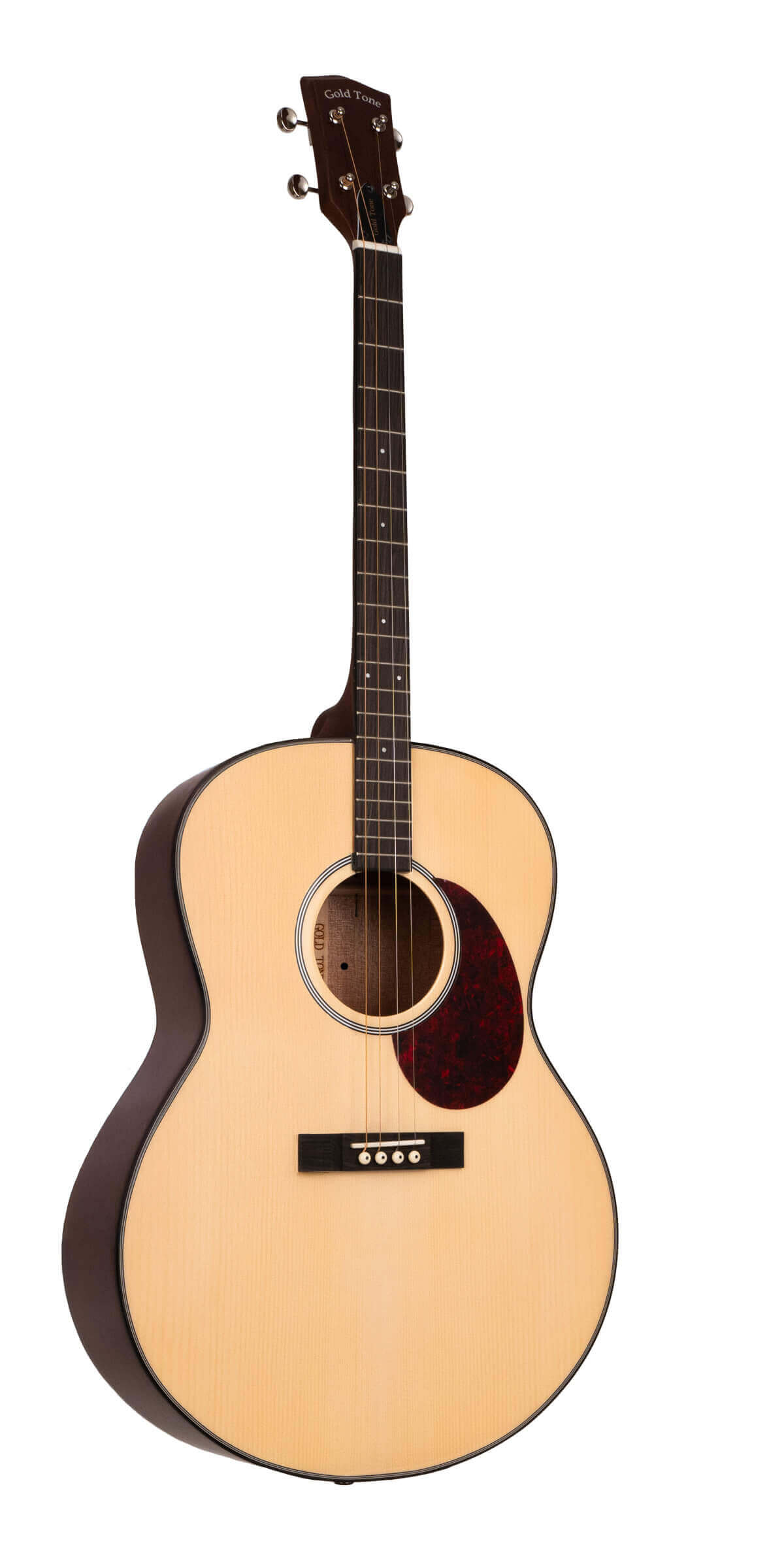
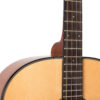
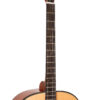
The Gold Tone TG-18 Mastertone Tenor Guitar delivers authentic 1930s acoustic tone with a solid Sitka spruce top, mahogany body, and ebony fingerboard — all at a price that makes vintage-inspired playing genuinely accessible. Tuned CGDA and sized to maximize low-end punch, it’s a natural choice for Irish traditional players, jazz enthusiasts, and anyone coming to the tenor guitar from a banjo background. Every TG-18 is professionally set up at Gold Tone’s factory in Titusville, FL.
On Backorder
At a Glance
- Handedness
- Right-Handed
- Style
- Tenor Guitar
- Strings
- 4
- Scale Length
- 23"
- Pickup
- No
- Made In
- China
- Weight
- 5 lbs
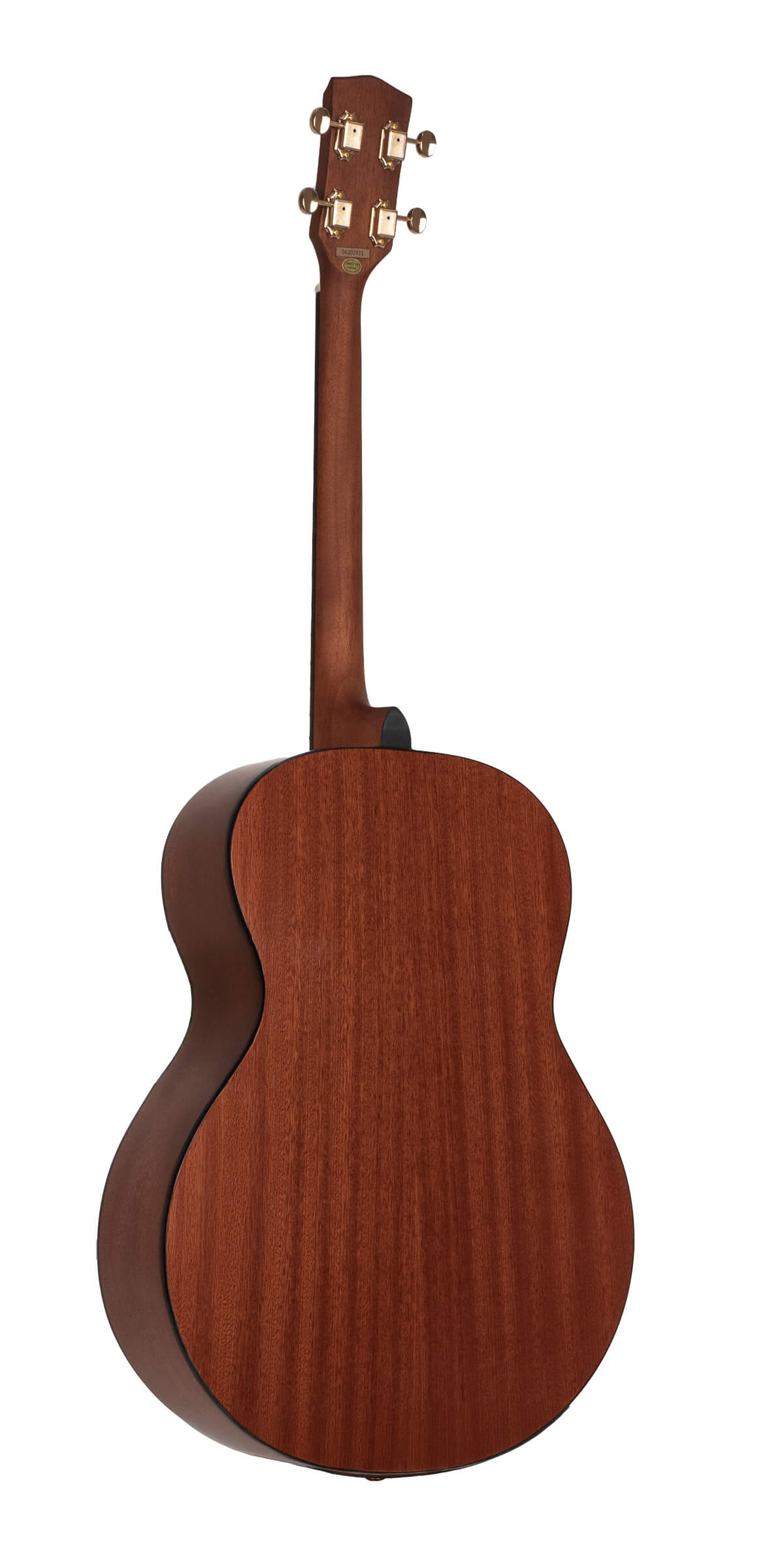
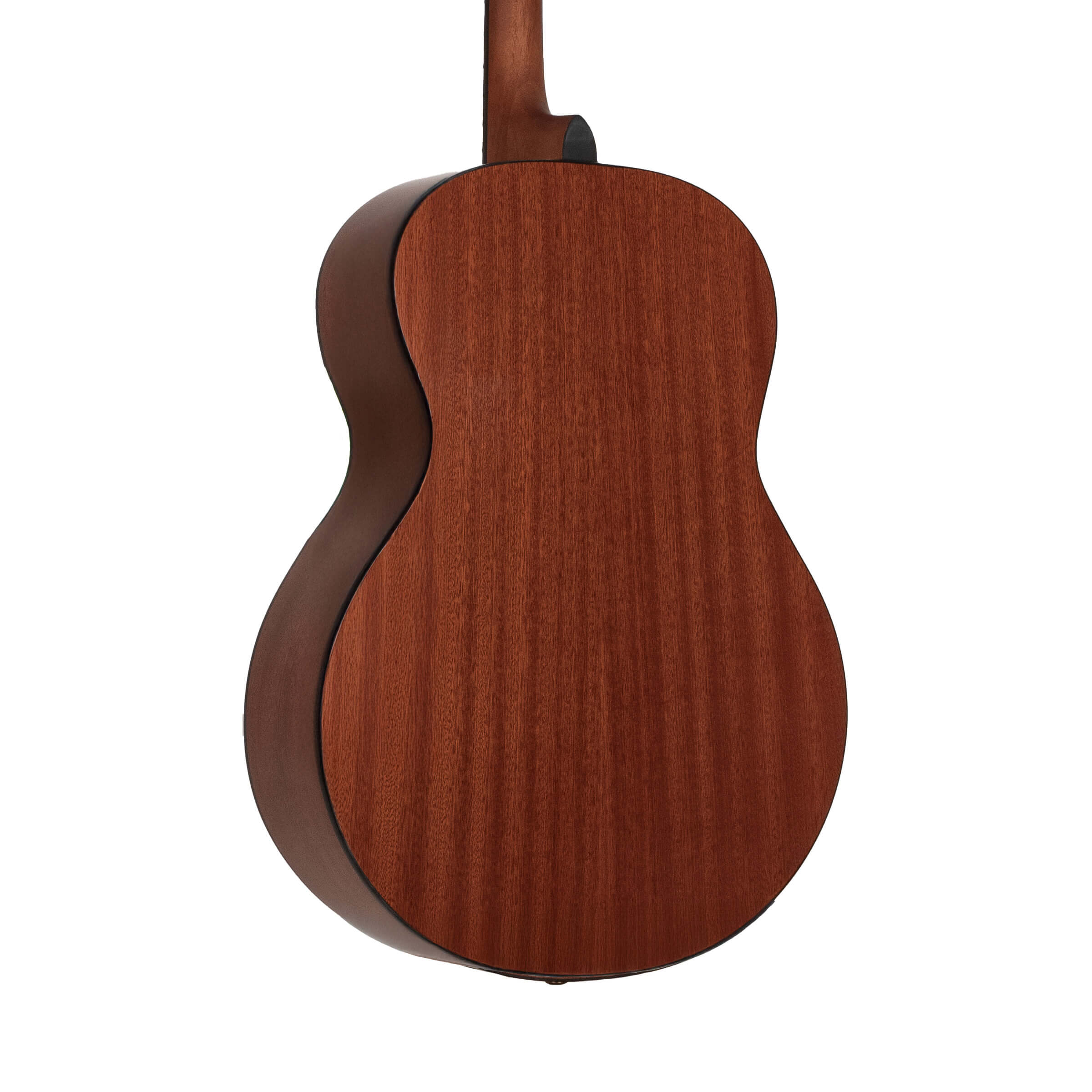
There aren’t many acoustic tenor guitars on the market that take the instrument’s pre-war heritage as seriously as the Gold Tone TG-18. Gold Tone’s own Mastertone-series take on the four-string acoustic guitar, the TG-18 is built around a solid Sitka spruce top — not laminate — paired with a mahogany back and sides sized deliberately between the old Pennsylvania and Michigan tenor guitars of the 1930s. That slightly expanded body is the key: it gives the TG-18 more low-end warmth and punch than the smaller vintage originals while keeping the quick, focused response that tenor players and CGDA tuning demand. Whether you’re coming from Irish traditional music, classic jazz chord melody, or a lifelong banjo background and just want to explore a fretted acoustic in a familiar tuning, this instrument earns its place on a serious player’s wall.
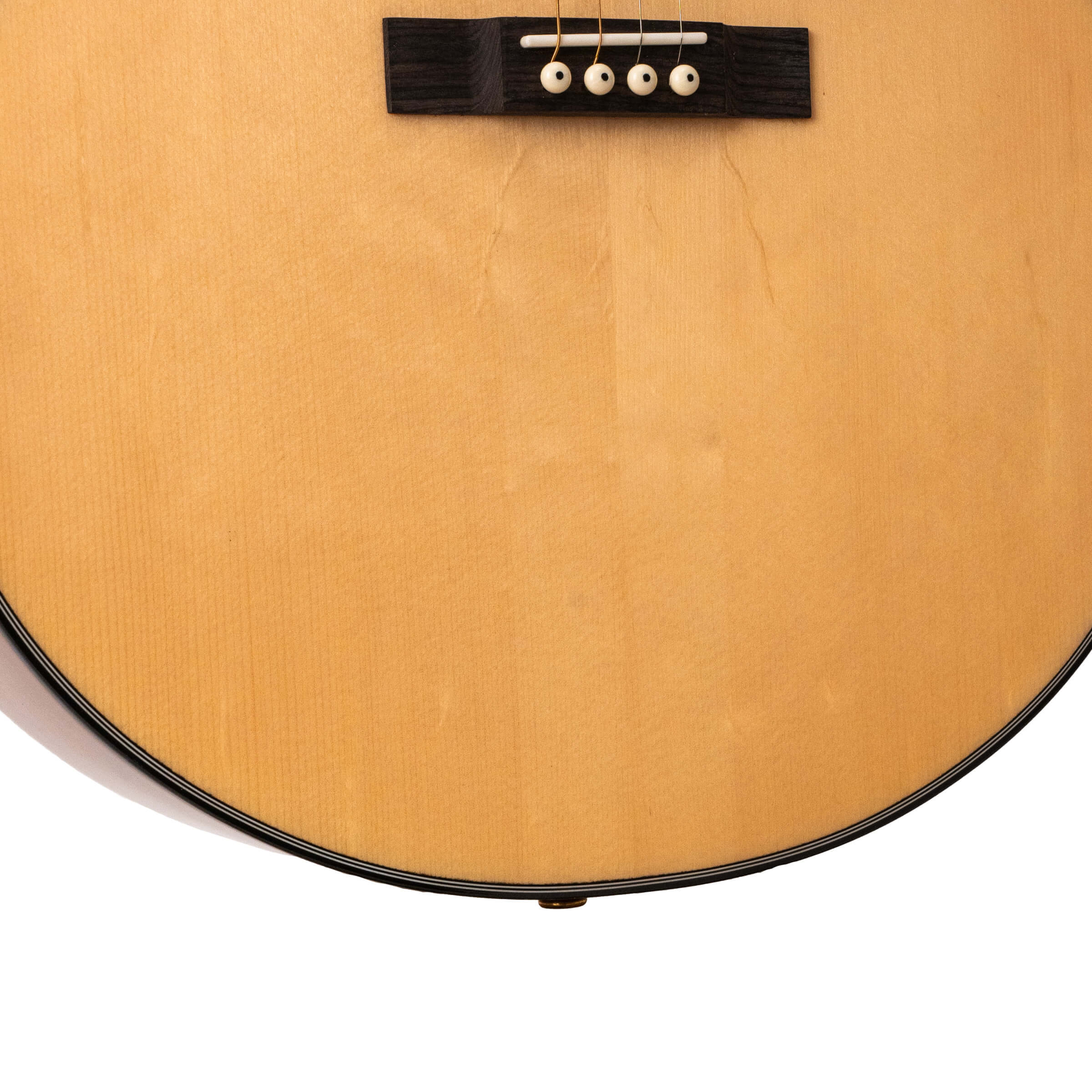
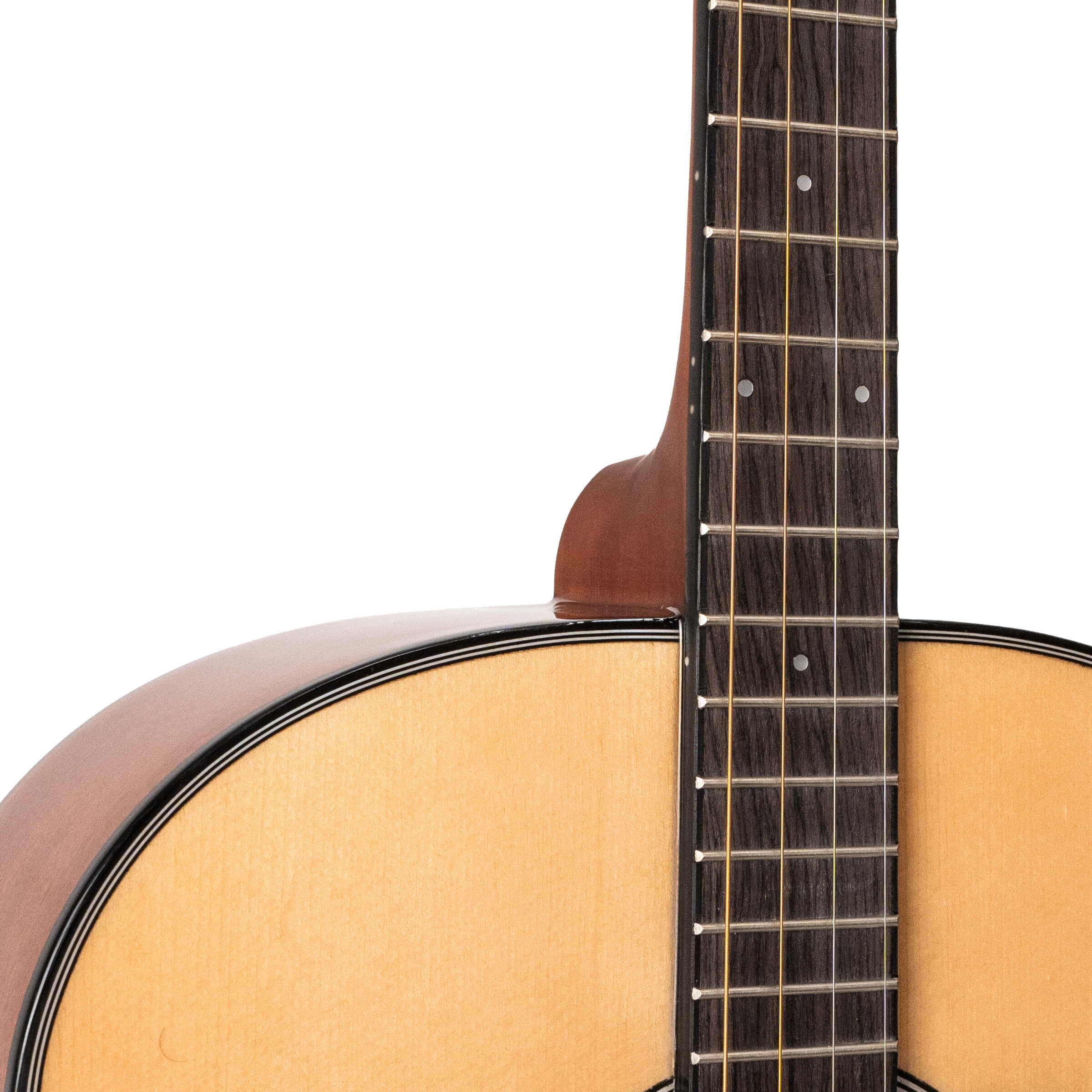
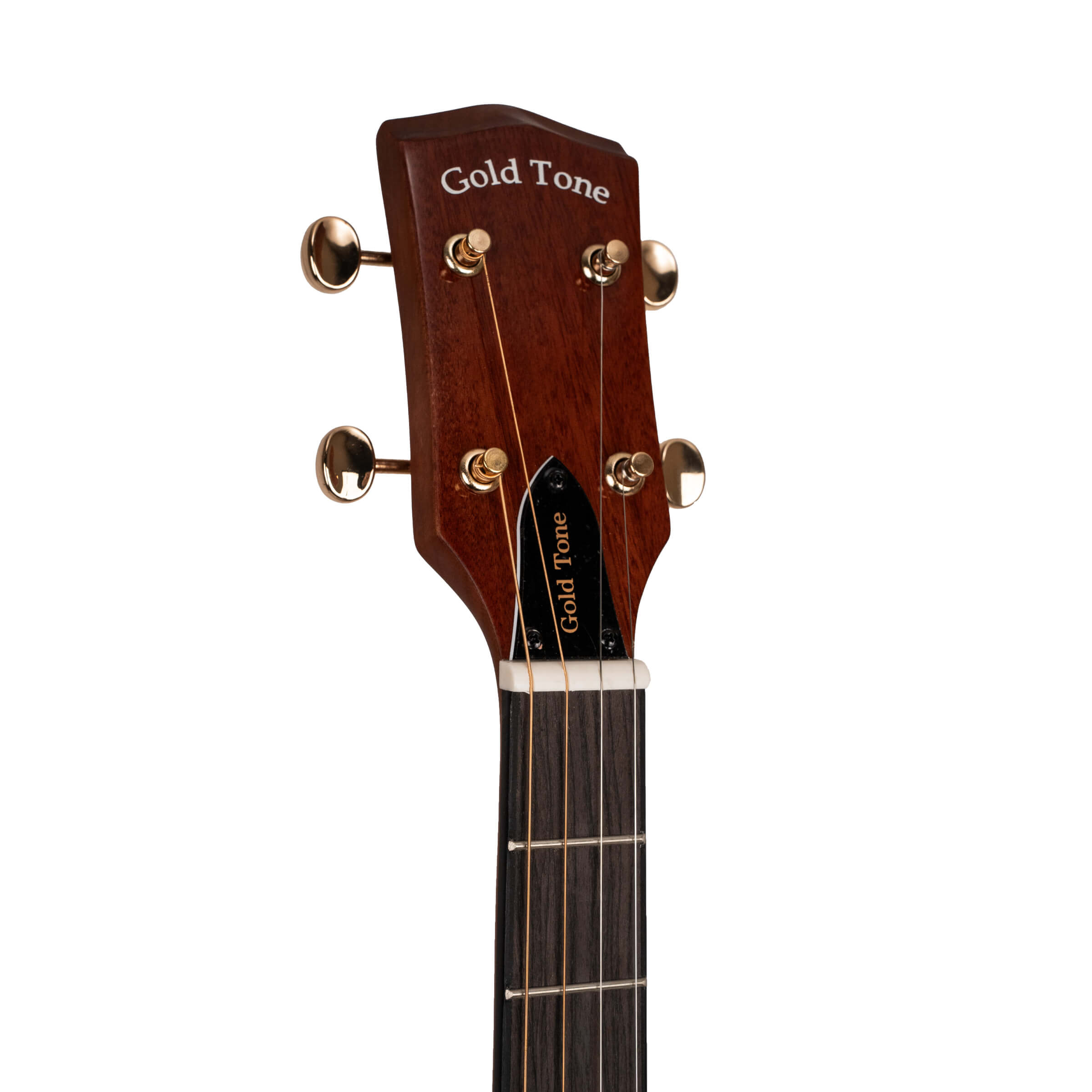
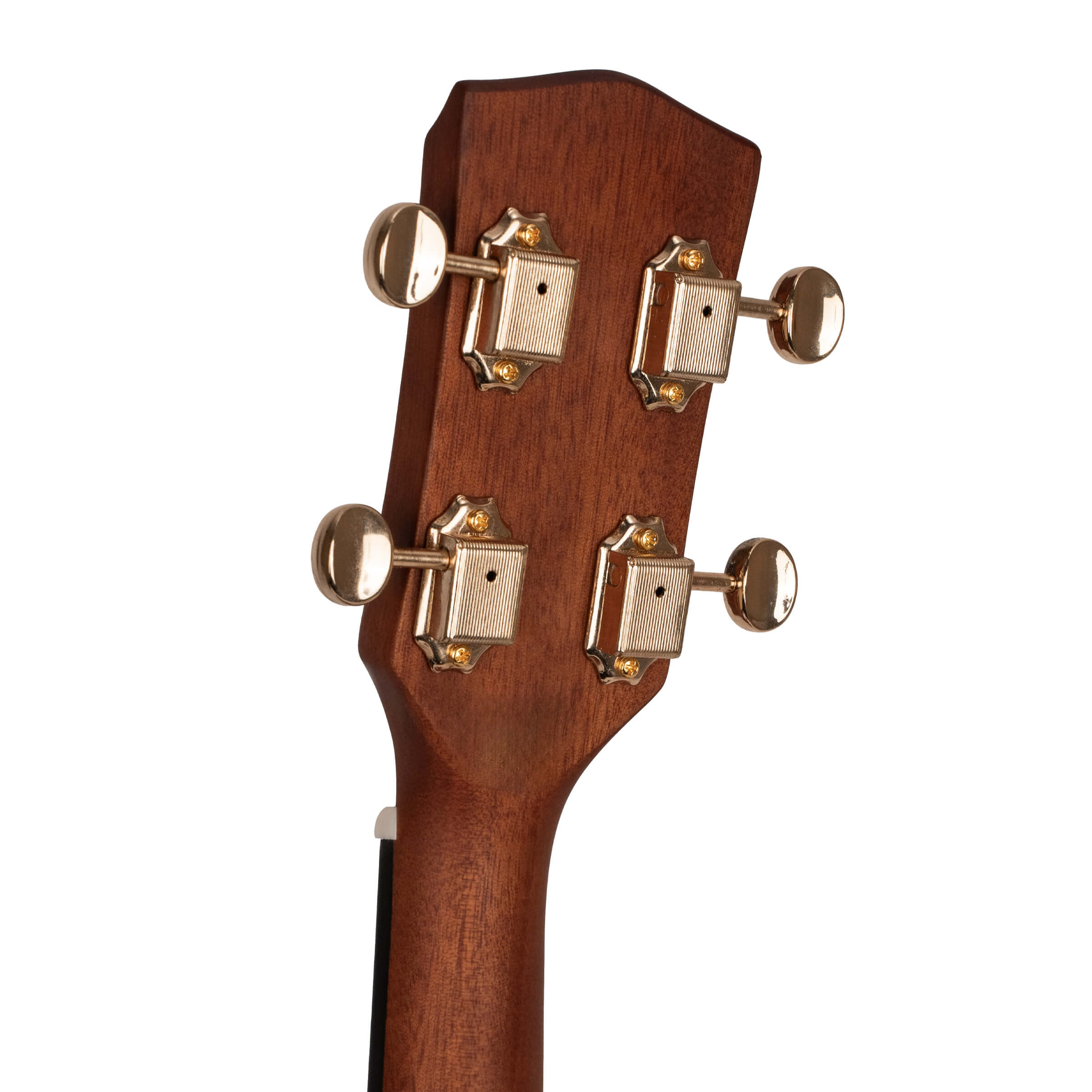
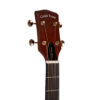
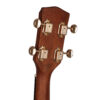
The construction details matter here. The ebony fingerboard and ebony bridge with bone saddle are touches you’d normally expect on instruments priced considerably higher — ebony in particular is prized for its density, smoothness under the fingers, and its contribution to clear note definition and sustain. The two-way adjustable truss rod means the neck can be dialed in for whatever string gauge and playing action suits you. Kluson-style tuners with chrome buttons round out the vintage aesthetic, and the 23-inch scale length puts this right in the heart of traditional tenor guitar territory. The included gig bag, combined with the optional HDRD hardshell case, means you have real options for gigging or travel.
Each instrument receives a professional setup at Gold Tone’s factory in Titusville, Florida before it ships to you. The nut slots, saddle height, neck relief, action at the 12th fret, and intonation are all checked and dialed in so that what arrives at your door is genuinely playable right out of the bag — not an instrument that needs another $75 setup before it sounds right.
Why Buy From Banjo Warehouse
Banjo Warehouse is an authorized Gold Tone dealer based in Yellow Springs, Ohio, which means every instrument we sell carries the full manufacturer warranty and comes from legitimate stock — no gray-market sourcing. Financing is available through PayPal Pay in 4 and 3, 6, 12, and 24-month plans with no late fees, plus Afterpay — so there’s no reason to wait on an instrument this good.
Gold Tone TG-18 Specifications
| Top | Solid Sitka Spruce |
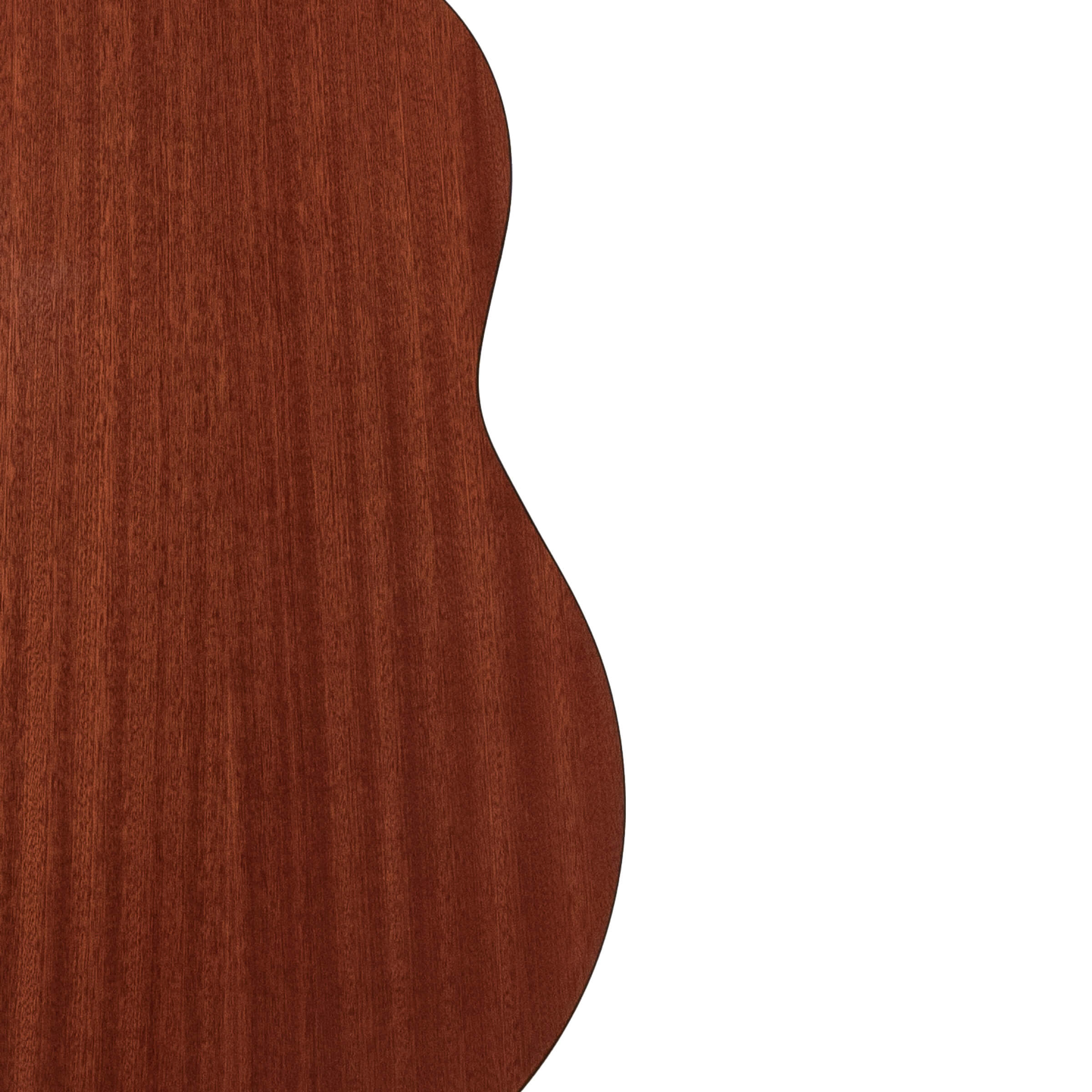
| Back & Sides | Mahogany |
| Neck Material | Mahogany |
| Fingerboard | Ebony |
| Bridge | Ebony with Bone Saddle |
| Frets | 20 |
| Inlay | Mini Dot |
| Nut | 1-5/16″ ZeroGlide Nut |
| Truss Rod | Two-Way Adjustable |
| Tuners | Kluson-Style |
| Tuner Buttons | Chrome |
| Scale Length | 23″ |
| Tuning | CGDA |
| String Gauge | .035w, .024w, .014, .009 |
| Finish | Natural / High Gloss |
| Weight | 5 lbs. |
| Bag | Included |
| Optional Case | HDRD Hardshell (sold separately) |
| Setup | Professional setup at Gold Tone’s factory in Titusville, Florida |
Frequently Asked Questions
Is the Gold Tone TG-18 suitable for Irish traditional music?
Absolutely. The TG-18 is tuned CGDA — the same tuning used by Irish tenor banjo players — which makes the transition seamless for anyone coming from that tradition. The 23-inch scale length and the focused midrange projection of the solid spruce top and mahogany body give it the brightness and articulation that works well in a session context. If you already know your tenor banjo chord shapes and rolls, you’re going to feel right at home on this guitar.
What does the ZeroGlide nut actually do, and why does it matter?
A ZeroGlide nut replaces the traditional slotted bone or plastic nut with a design that incorporates a small zero fret — essentially, the string contacts a fret rather than a soft nut slot at the first playing position. This means the open strings have the same tone and feel as fretted notes, which improves intonation consistency across the whole neck. It also reduces the friction that causes tuning instability when bending or playing aggressively. On a tenor guitar where you’re doing a lot of position work across all four strings, that consistency is genuinely useful.
Want to know when new banjos arrive? Join our email list: Sign up here.
Be the first to review “Gold Tone TG-18 Mastertone Tenor Guitar with Bag”
You must be logged in to post a review.
Related products
On order from Gold Tone. We don't have this one in the warehouse right now — placing an order reserves you a unit from the incoming batch. Lead times vary by model, so get in touch before you buy and we'll tell you where this run currently stands. Your payment is fully refundable at any time before your order ships, for any reason and with no restocking fee.
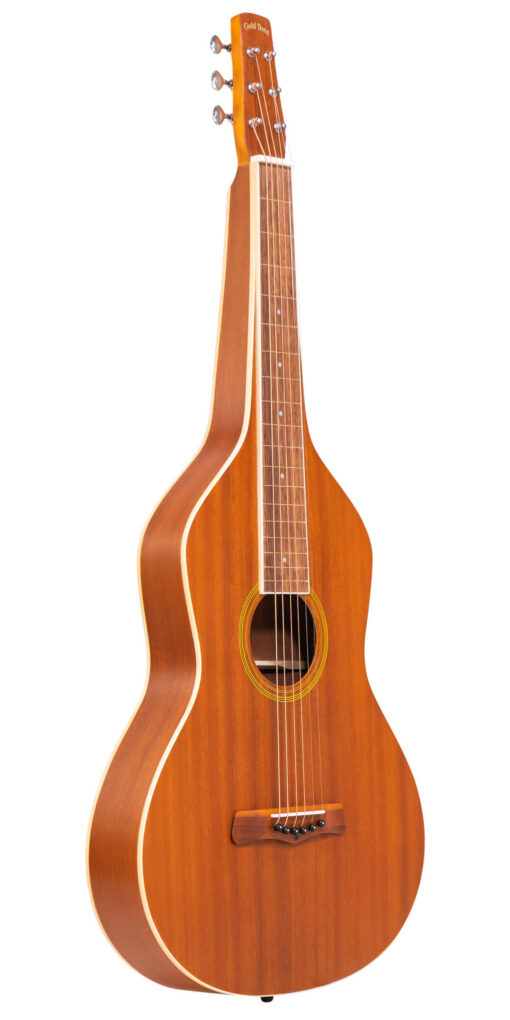
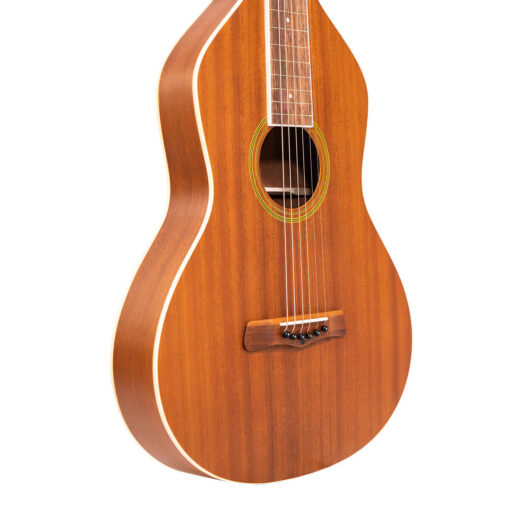
The Gold Tone GT-Weissenborn brings the hauntingly beautiful voice of traditional Hawaiian lap steel guitar to players at an accessible price point. Built with a all-sapele body, ebony bridge, and bone saddle, this hollow-neck slide guitar delivers that warm, singing tone that made the Weissenborn style legendary. Every one ships with a professional factory setup from Gold Tone in Titusville, Florida, and financing is available so you can start playing today.
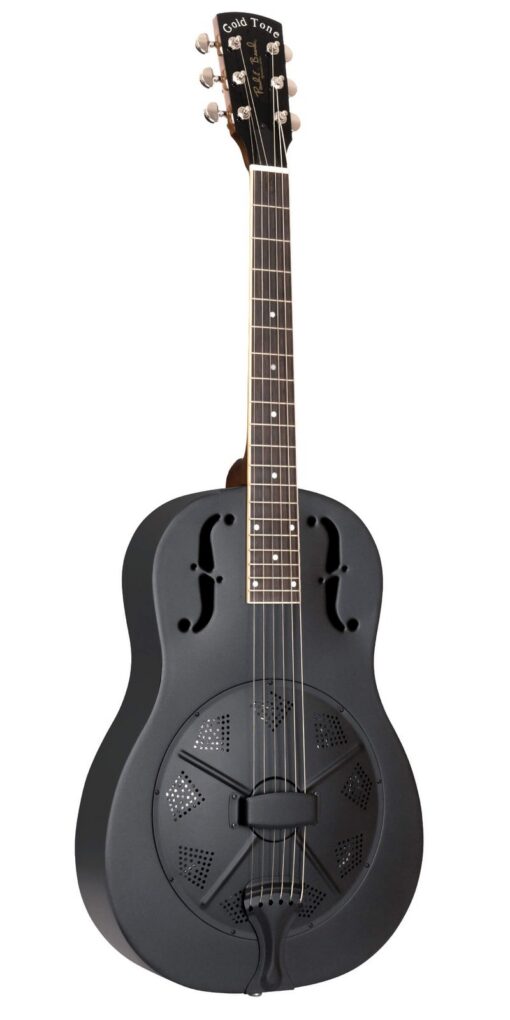
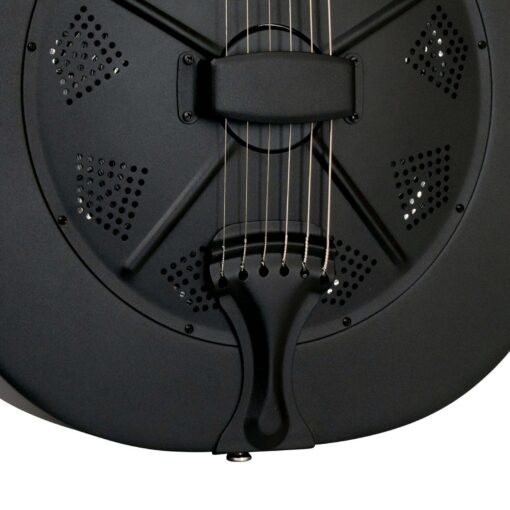
This is the left-handed version of the Gold Tone GRS, a Paul Beard-designed metal body resonator guitar. It delivers that unmistakable resonator bark and warmth — perfect for blues, bluegrass, and slide work. Lefties finally have a serious resonator option at a price that makes sense.
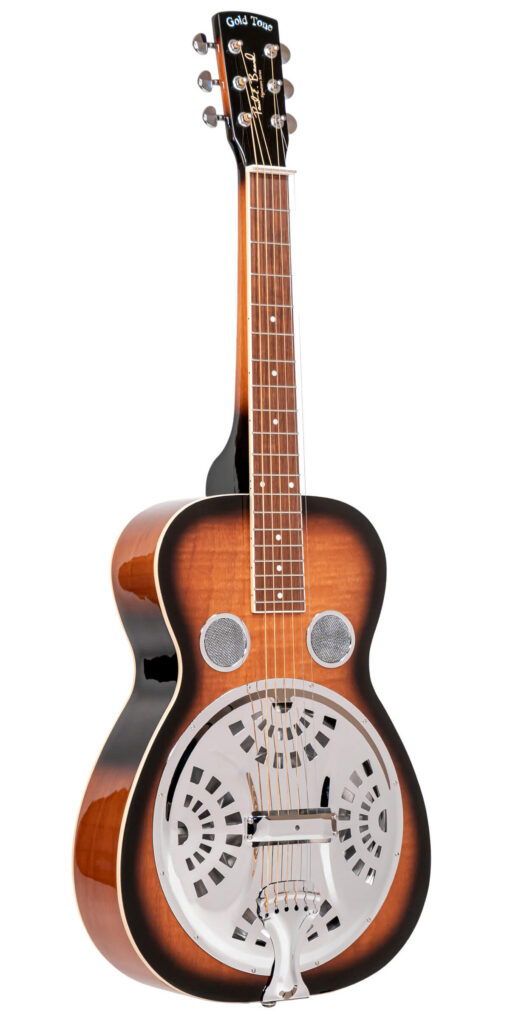
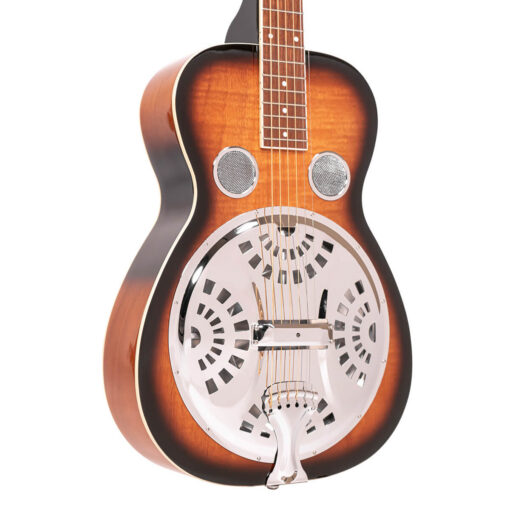
This is the left-handed version of the Gold Tone PBS Paul Beard Signature-Series Squareneck Resonator Guitar. Built with a mahogany body and neck in a rich tobacco sunburst finish, it features a genuine US-made Beard cone, spider bridge, and Paul Beard open soundwell — everything a serious dobro player needs to cut through a bluegrass jam. Includes a hardshell case and professionally set up at Gold Tone's factory in Titusville, FL before it ships.
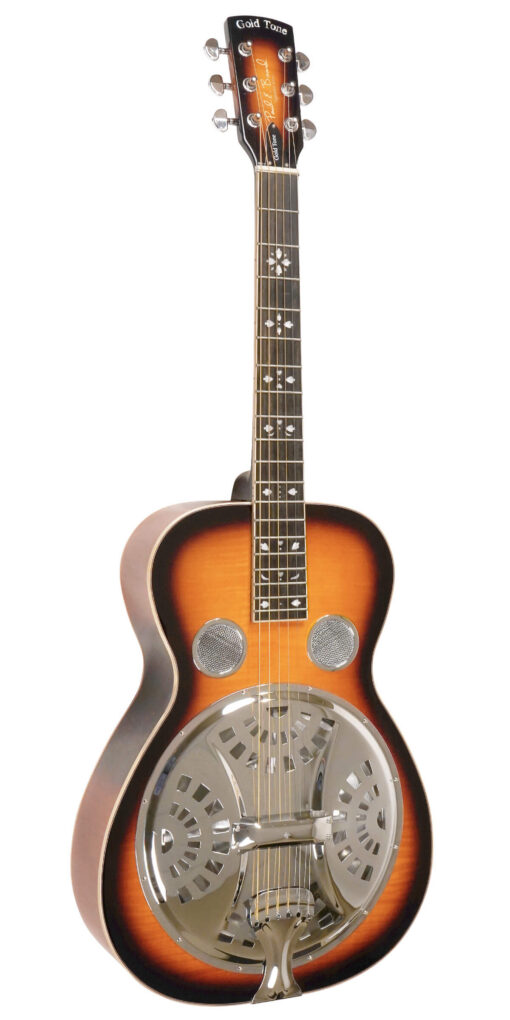
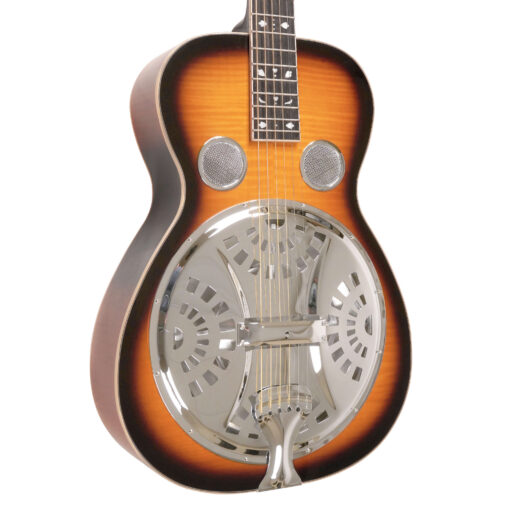
The Gold Tone PBR-D is a Paul Beard Signature-Series roundneck resonator guitar built around a genuine US-made Beard cone, spider bridge, and Paul Beard's acclaimed open soundwell — delivering that unmistakable sweet wood-and-metal voice perfect for country blues and fingerstyle playing. A mahogany body and neck finished in rich tobacco sunburst give it classic looks to match its serious tone. Every PBR-D ships with a professional factory setup from Gold Tone in Titusville, Florida, and includes a hardshell case.
On order from Gold Tone. We don't have this one in the warehouse right now — placing an order reserves you a unit from the incoming batch. Lead times vary by model, so get in touch before you buy and we'll tell you where this run currently stands. Your payment is fully refundable at any time before your order ships, for any reason and with no restocking fee.
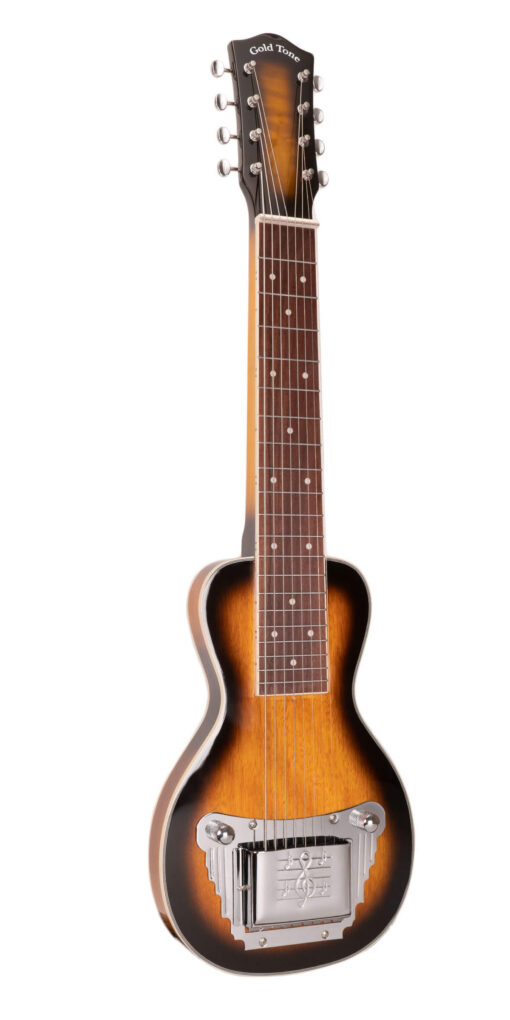
The Gold Tone LS-8 is a beautifully crafted electric lap steel inspired by the legendary Oahu Tonemaster — one of the most coveted lap steels of the 1950s. Built with a mahogany body, single-coil magnetic pickup, and a ZeroGlide nut, it arrives set up in open D tuning and ready to play straight out of the case. A hardshell case is included, and every instrument ships with a professional factory setup from Gold Tone in Titusville, Florida.
Left-Handed model. This is the factory left-handed (/L) build. (Gold Tone does not photograph left-handed instruments — the images show the right-handed version; the instrument shipped is built left-handed.)
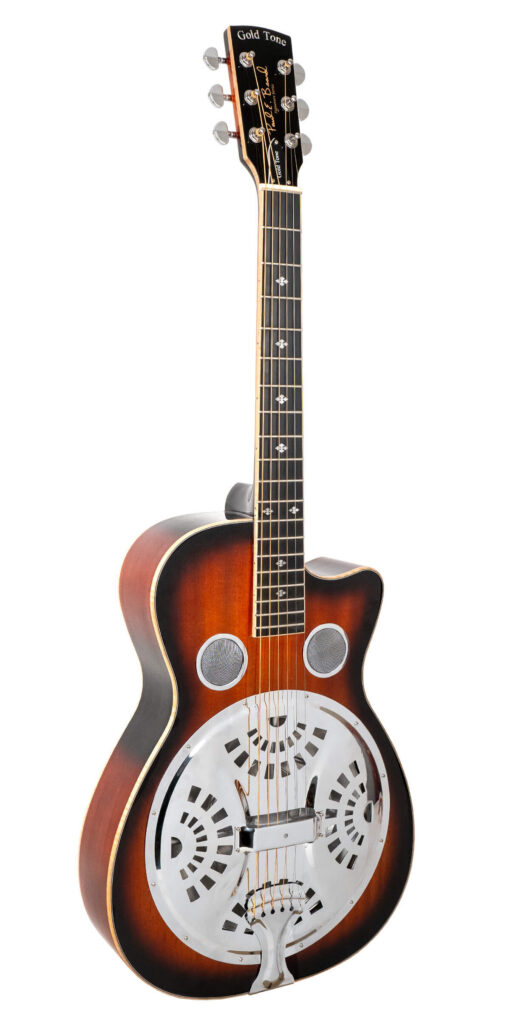
The Gold Tone PBR-CA/L is a Paul Beard Signature-Series roundneck resonator guitar built around a genuine US-made Beard cone, spider bridge, and Paul Beard’s renowned open soundwell — all housed in a handsome mahogany body finished in rich tobacco sunburst. That combination produces the warm, singing blend of wood and metal resonance that country blues players and fingerstyle soloists have chased for generations. Every PBR-CA/L is professionally set up at Gold Tone’s factory in Titusville, FL and includes a hardshell case.
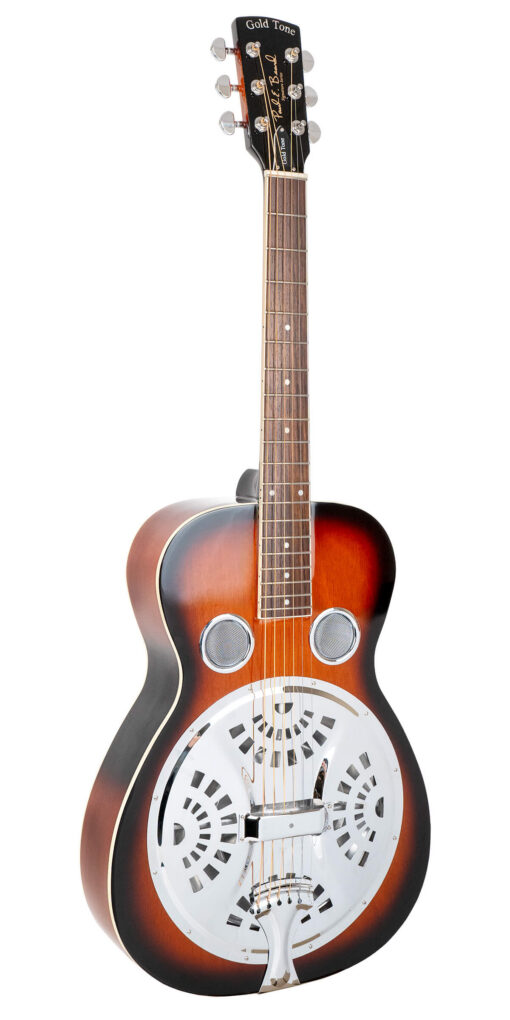
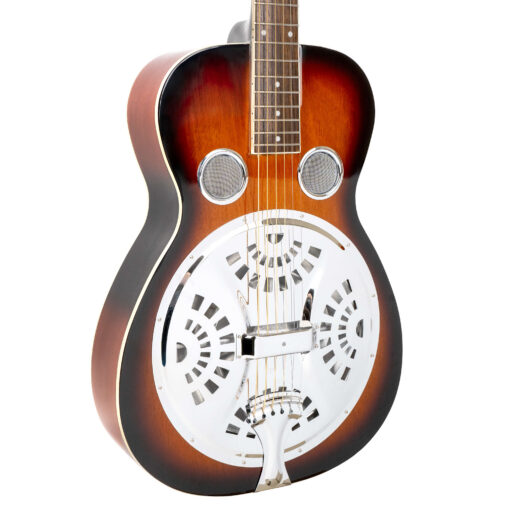
This is the left-handed version of the Gold Tone PBR Paul Beard Signature-Series Roundneck Resonator Guitar. Built around a genuine US-made Beard cone, spider bridge, and Paul Beard's legendary open soundwell in a mahogany body finished in tobacco sunburst, this instrument delivers the sweet, singing blend of wood and metal that country blues and fingerstyle players live for. A hardshell case is included, and every instrument is professionally set up at Gold Tone's factory in Titusville, FL.
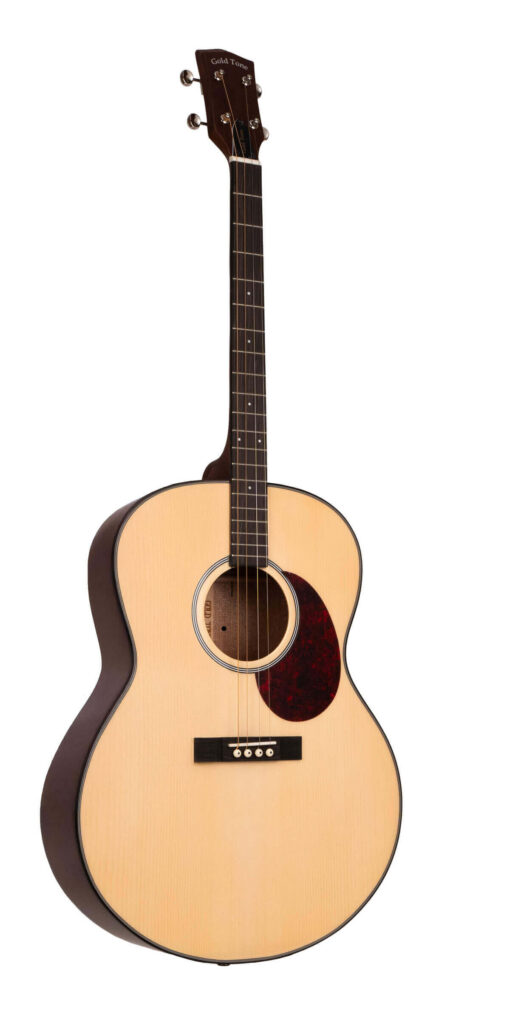
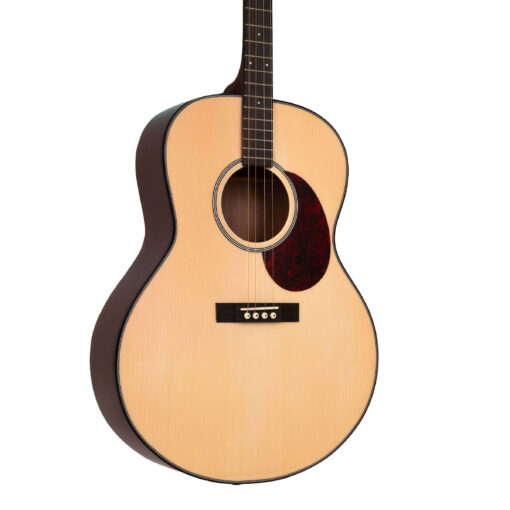
The Gold Tone TG-10 is an affordable, road-ready tenor guitar tuned CGDA — making it a natural extension for any tenor banjo player looking to expand their sound. It features a solid spruce top, mahogany back and sides, a ZeroGlide nut, and a comfortable 23" scale, all wrapped up with a heavily padded gig bag included. It's one of the best entry points into tenor guitar playing available today.
Reviews
There are no reviews yet.