
![Gold Tone OB-2AT-L - 1-front [gt-variant:1313]](https://banjowarehouse.com/wp-content/uploads/2026/05/1-front-1.jpg)
![Gold Tone OB-2AT-L - 10-back [gt-variant:1313]](https://banjowarehouse.com/wp-content/uploads/2026/05/10-back-1.jpg)
![Gold Tone OB-2AT-L - 2-front [gt-variant:1313]](https://banjowarehouse.com/wp-content/uploads/2026/05/2-front-1.jpg)
![Gold Tone OB-2AT-L - 3-front [gt-variant:1313]](https://banjowarehouse.com/wp-content/uploads/2026/05/3-front-1.jpg)
![Gold Tone OB-2AT-L - 4-front [gt-variant:1313]](https://banjowarehouse.com/wp-content/uploads/2026/05/4-front-1.jpg)
![Gold Tone OB-2AT-L - 5-neck [gt-variant:1313]](https://banjowarehouse.com/wp-content/uploads/2026/05/5-neck-1.jpg)
![Gold Tone OB-2AT-L - 6-headstock [gt-variant:1313]](https://banjowarehouse.com/wp-content/uploads/2026/05/6-headstock-1.jpg)
![Gold Tone OB-2AT-L - 7-headstock [gt-variant:1313]](https://banjowarehouse.com/wp-content/uploads/2026/05/7-headstock-1.jpg)
![Gold Tone OB-2AT-L - 8-back [gt-variant:1313]](https://banjowarehouse.com/wp-content/uploads/2026/05/8-back.jpg)
![Gold Tone OB-2AT-L - 9-back [gt-variant:1313]](https://banjowarehouse.com/wp-content/uploads/2026/05/9-back-1.jpg)
![Gold Tone OB-2AT-L - 1-front [gt-variant:1313]](https://banjowarehouse.com/wp-content/uploads/2026/05/1-front-1-100x100.jpg)
![Gold Tone OB-2AT-L - 10-back [gt-variant:1313]](https://banjowarehouse.com/wp-content/uploads/2026/05/10-back-1-100x100.jpg)
![Gold Tone OB-2AT-L - 2-front [gt-variant:1313]](https://banjowarehouse.com/wp-content/uploads/2026/05/2-front-1-100x100.jpg)
![Gold Tone OB-2AT-L - 3-front [gt-variant:1313]](https://banjowarehouse.com/wp-content/uploads/2026/05/3-front-1-100x100.jpg)
![Gold Tone OB-2AT-L - 4-front [gt-variant:1313]](https://banjowarehouse.com/wp-content/uploads/2026/05/4-front-1-100x100.jpg)
![Gold Tone OB-2AT-L - 5-neck [gt-variant:1313]](https://banjowarehouse.com/wp-content/uploads/2026/05/5-neck-1-100x100.jpg)
![Gold Tone OB-2AT-L - 6-headstock [gt-variant:1313]](https://banjowarehouse.com/wp-content/uploads/2026/05/6-headstock-1-100x100.jpg)
![Gold Tone OB-2AT-L - 7-headstock [gt-variant:1313]](https://banjowarehouse.com/wp-content/uploads/2026/05/7-headstock-1-100x100.jpg)
![Gold Tone OB-2AT-L - 8-back [gt-variant:1313]](https://banjowarehouse.com/wp-content/uploads/2026/05/8-back-100x100.jpg)
![Gold Tone OB-2AT-L - 9-back [gt-variant:1313]](https://banjowarehouse.com/wp-content/uploads/2026/05/9-back-1-100x100.jpg)
Gold Tone OB-2AT/L Mastertone Bowtie Banjo with Case (Left-Handed)
Original price was: $2,299.99.$1,954.99Current price is: $1,954.99.
Sale ends Sat 10/24 · See all 249 →
This is the left-handed version of the Gold Tone OB-2AT, a meticulously researched tribute to the legendary bowtie-era Mastertone banjos of 1960 to mid-1964. Built around a rare 19-hole flathead bell brass tone ring, full-thickness 3-ply maple rim, and nickel-plated hardware, it captures one of the most sought-after tonal eras in banjo history. Left-handed players finally have access to a serious professional-grade instrument built just for them.
In stock
Watch the demo
At a Glance
- Handedness
- Left-Handed
- Style
- Resonator Banjo
- Strings
- 5
- Scale Length
- 26-3/16"
- Tone Ring
- Bell Brass
- Pickup
- No
- Made In
- China
- Weight
- 13 lbs
This is the left-handed version of the Gold Tone OB-2AT — and if you play left-handed and have been searching for a professional-grade bluegrass banjo that doesn’t ask you to compromise, this is the one. The OB-2AT is Gold Tone’s loving, deeply researched tribute to the bowtie-era Mastertone banjos produced in Kalamazoo from 1960 to mid-1964, a window in time that many players and collectors consider the last golden chapter of that great American instrument. What sets those banjos apart — and what sets this one apart — is the 19-hole flathead tone ring. Gold Tone used an 11-inch bell brass flat-top ring with 19 holes rather than the earlier 20-hole configuration, matching the specific casting geometry used during those peak years. Pair that with a full-thickness 11-inch 3-ply maple rim, a one-piece cast flange, 24 brackets, nickel-plated hardware throughout, and a notched tension hoop, and you have a recipe for that wide, focused, singing bluegrass tone that players have been chasing for decades.
The neck is mahogany with an ebony fingerboard, 22 frets, and Gold Tone’s beautiful bowtie inlay pattern — an unmistakable visual signature of the era. Gotoh planetary tuners with custom buttons keep you in tune with the precision these instruments demand, and the bone nut at 1-1/4 inches gives you a comfortable, resonant break point for the strings. The golden sunburst finish on the 14-inch mahogany resonator is elegant without being flashy — the kind of look that belongs on a stage or a front porch equally well. Dual 11-inch coordinator rods, a Presto tailpiece, a 5/8-inch Dotson bridge, and cream ABS binding round out a build specification that reads like a checklist for getting it right. I co-designed the OB-Standard with Gold Tone, so I know firsthand how seriously their team approaches these tribute instruments. The OB-2AT reflects that same commitment to historical accuracy and playability.
Every instrument receives a professional factory setup at Gold Tone in Titusville, Florida before it ships. That means action adjusted to playable bluegrass height, the head brought to proper tension, intonation checked at the bridge, and every nut slot verified — so the instrument you receive is ready to play at its best right out of the case.
Why Buy From Banjo Warehouse
Banjo Warehouse is an authorized Gold Tone dealer, which means every instrument we sell is covered by the full manufacturer warranty and comes through the legitimate dealer channel. We carry these instruments because we believe in them — not just because they sell. Financing is available with no late fees through PayPal Pay in 4 and extended plans at 3, 6, 12, or 24 months, plus Afterpay. If you have questions about whether this is the right banjo for where you are as a player, reach out.
Gold Tone OB-2AT/L Specifications
| Model | OB-2AT/L (Left-Handed) |
| Tone Ring | 11″ Flat Top — 19-Hole Bell Brass |
| Rim | 11″ 3-Ply Maple (Full Thickness) |
| Flange | One-Piece Cast |
| Head | 11″ Remo HC Coated Topside |
| Tension Hoop | 11″ Notched |
| Brackets | 24 |
| Hardware | Nickel Plated |
| Neck Material | Mahogany |
| Fingerboard | Ebony |
| Frets | 22 |
| Inlay | Gold Tone Bowtie |
| Nut | 1-1/4″ Bone |
| Tuners | Gotoh Planetary with Custom Buttons |
| Truss Rod | Two-Way Adjustable |
| Resonator | 14″ Mahogany |
| Finish | Golden Sunburst |
| Binding | Cream ABS |
| Bridge | 5/8″ Dotson |
| Tailpiece | Presto |
| Coordinator Rods | Dual 11″ |
| Armrest | Fits All GT Plain |
| Scale Length | 26-3/16″ |
| Tuning | G D G B D |
| String Gauge | .009, .022w, .013, .011, .009 |
| Weight | 13 lbs. |
| Case | Included |
| Handedness | Left-Handed |
Frequently Asked Questions
Why does the OB-2AT use a 19-hole tone ring instead of the more common 20-hole flathead ring?
That’s exactly the right question to ask. The 19-hole configuration was specific to the Kalamazoo-era Mastertone banjos made between 1960 and mid-1964, cast by the same foundry that had been producing those rings before World War II. The hole count affects the mass and resonant geometry of the ring in subtle but real ways — players who have compared these side by side often describe the 19-hole sound as having a slightly broader low-end bloom with a very focused midrange cut. Gold Tone’s research into this era was thorough, and the OB-2AT is built to honor that specific window of instrument-making.
Is this banjo appropriate for an advanced beginner, or is it really aimed at experienced players?
The OB-2AT receives a professional factory setup at Gold Tone in Titusville, Florida before shipping, so it plays cleanly and comfortably — it’s not a beast to wrangle. That said, at this price point and build level, it’s really designed for a serious intermediate or advanced player who wants a professional instrument with genuine historical pedigree. If you’re earlier in your journey and want to invest once and grow into a great banjo, it can absolutely serve that role, but you’d also want to consider whether something in the $600–$1,200 range might serve you better while you’re building fundamentals. Happy to help you think through that — just reach out.
What’s included with the OB-2AT/L, and is a hard case really included at this price?
Yes — a hard case is included with the OB-2AT/L. At this price point that’s what you should expect, and Gold Tone delivers. The banjo ships with the case, professionally set up at the Gold Tone factory in Titusville, Florida so it’s ready to play. The HPB gig bag is listed as an available add-on separately if you want a lighter travel option in addition to the hard case.
Want to know when new banjos arrive? Join our email list: Sign up here.
Videos
Be the first to review “Gold Tone OB-2AT/L Mastertone Bowtie Banjo with Case (Left-Handed)”
You must be logged in to post a review.
Related products
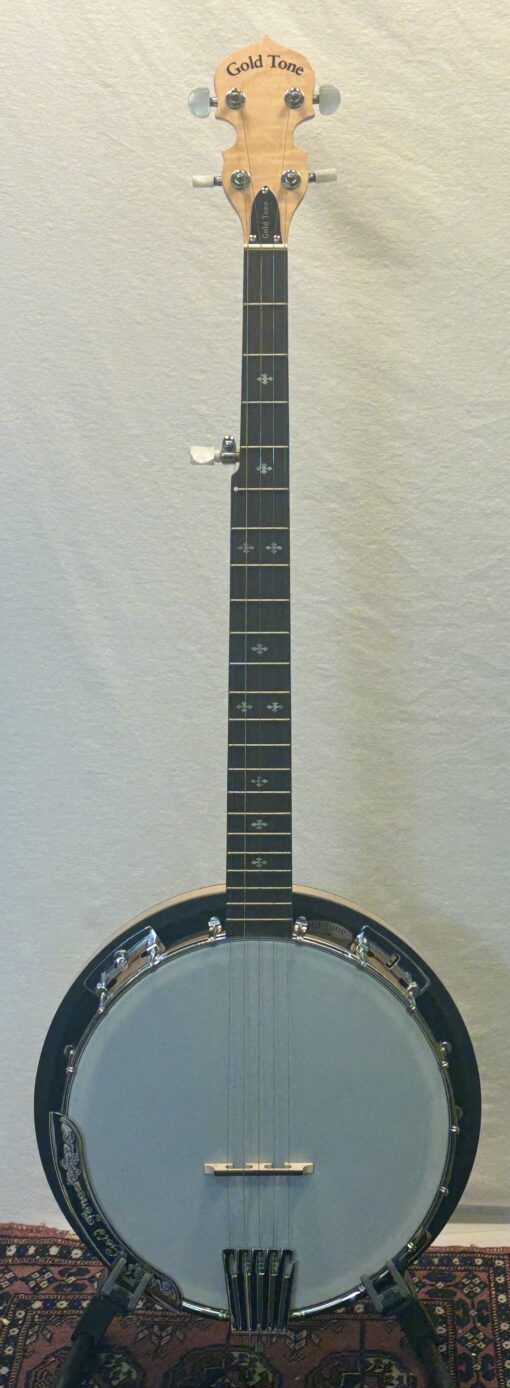
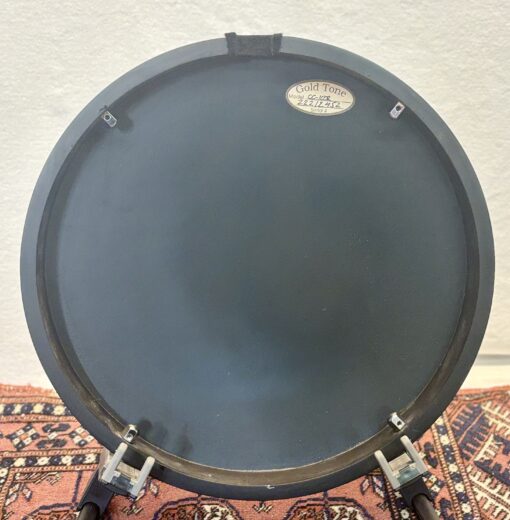
The Gold Tone CC-100R is the best beginner banjo at this price. Maple neck and rim, rolled brass tone ring, two-way adjustable truss rod, and a convertible resonator that comes off for true openback playing. Part of Gold Tone’s Cripple Creek line, in stock in Yellow Springs, and set up twice before it ships. Choose the build pictured here or Gold Tone’s current one at the same price, just say which in your order notes. Gig bag included.
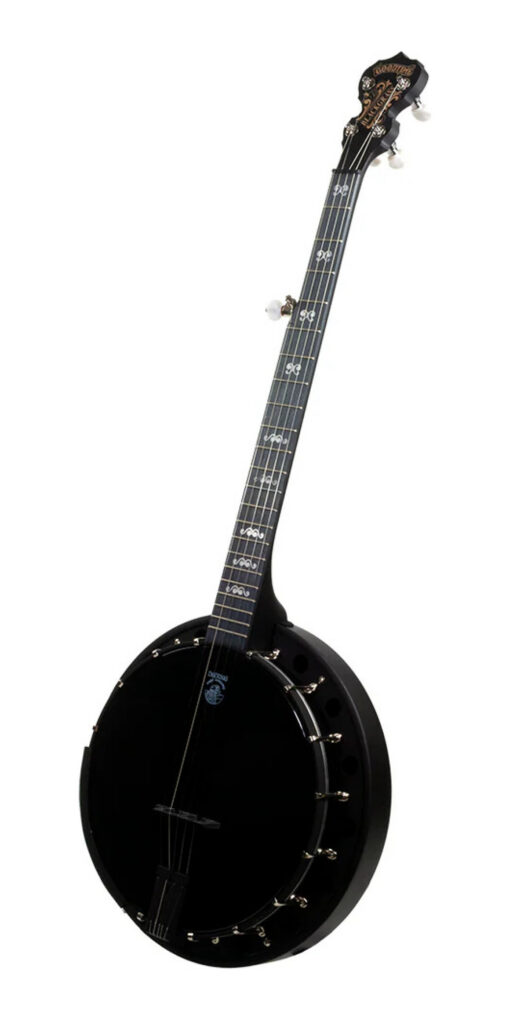
The Deering Goodtime Blackgrass is the darkest banjo in the Deering lineup. All-black matte finish, black head, matte black hardware. 3-ply violin grade maple rim with resonator. Midnight maple fingerboard with vintage artisan inlays. Planetary tuners, spikes at 7, 9, and 10. Handcrafted in Spring Valley, California. $1,389 with free shipping and professional setup by our banjo tech Tara. Made in the USA.
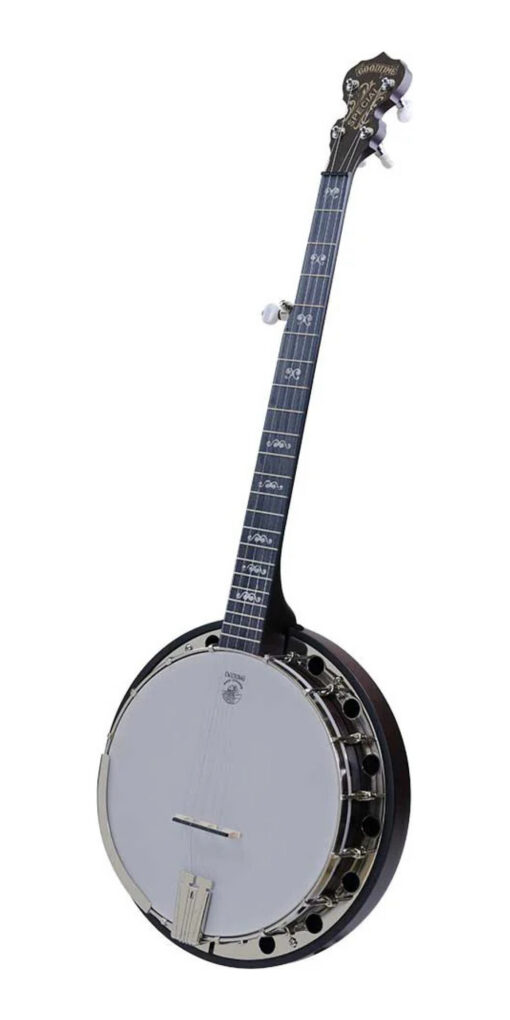
The Deering Artisan Goodtime Special combines vintage aesthetics with the brighter, richer tone of the Goodtime Special steel tone ring. Dark red mahogany stain, midnight maple fingerboard with vintage artisan pearloid inlays. Planetary tuners, spikes installed, nickel hardware. Clearly louder than the Goodtime Two, great for playing in a band. Handcrafted in Spring Valley, California. $1,599 with free shipping and professional setup by our banjo tech Tara. Made in the USA.
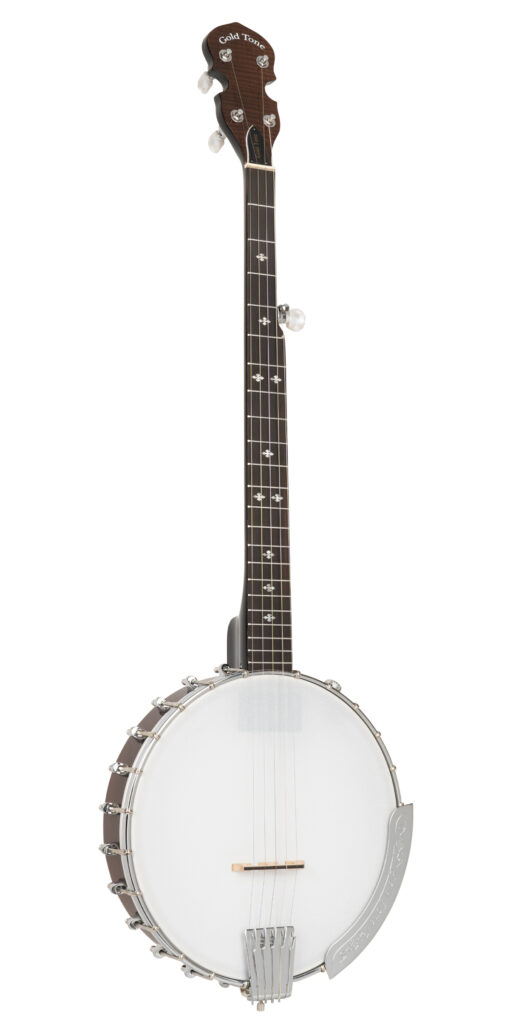
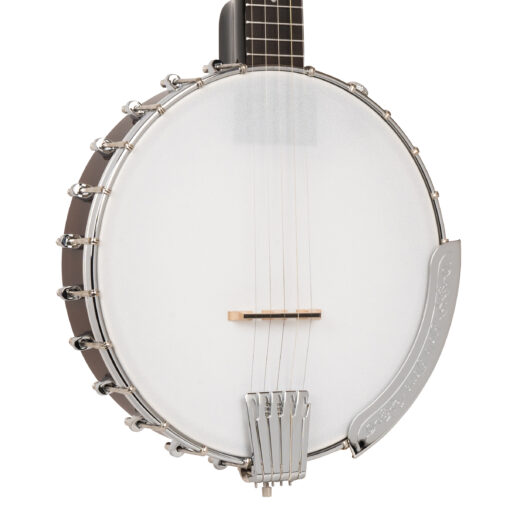
Brand new Gold Tone CC-100+/L left-handed Cripple Creek openback banjo featuring the factory-installed SMP+ pickup and included gig bag. This lefty banjo offers a maple neck with two-way adjustable truss rod, rosewood fingerboard with snowflake inlays, three-ply maple rim, rolled brass tone ring, and GT Master planetary tuners. Finished in vintage brown and setup at Gold Tone's Florida facility.
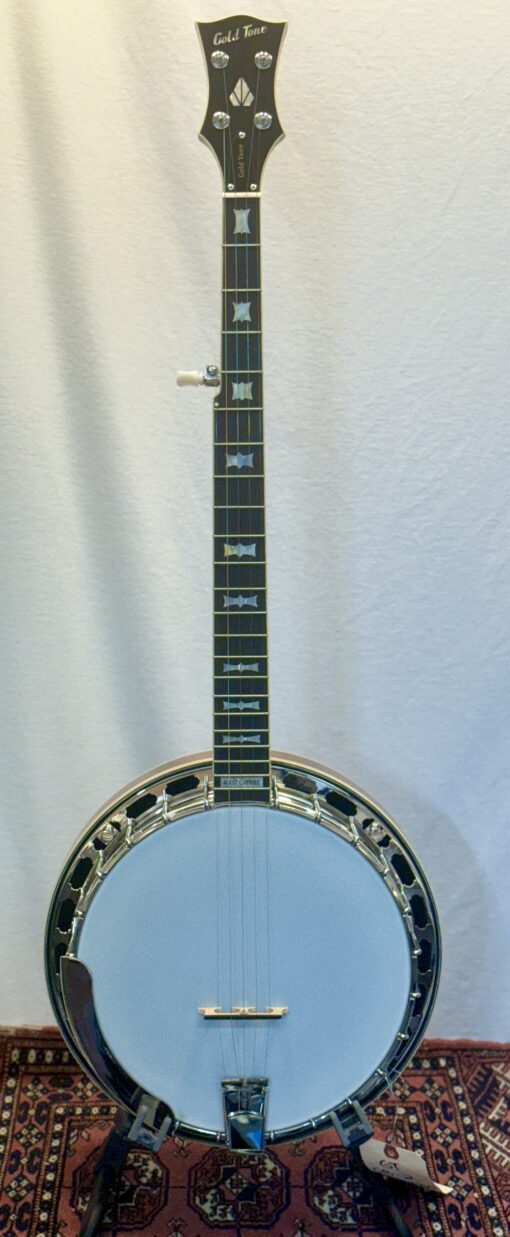
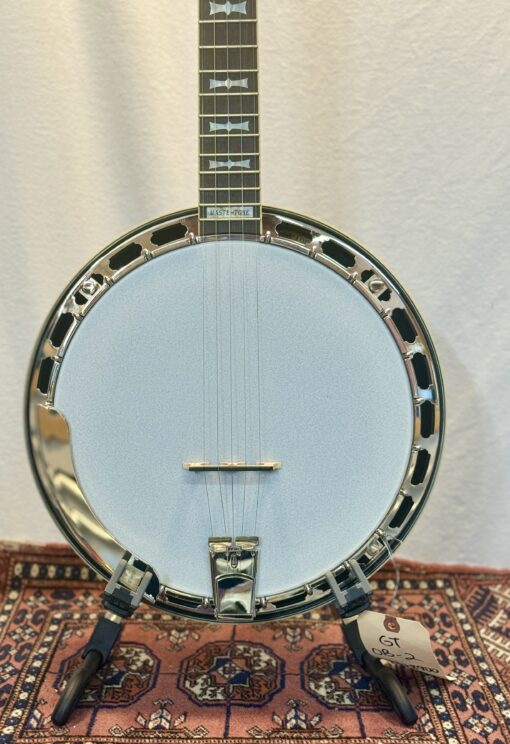
Brand new Gold Tone Mastertone OB-2 Bowtie Banjo faithfully recreates legendary 1960s Mastertone bowtie banjos with rare 19-hole brass tone ring, mahogany neck, and golden sunburst finish. Professional bluegrass tone with modern reliability. Includes premium hard case.
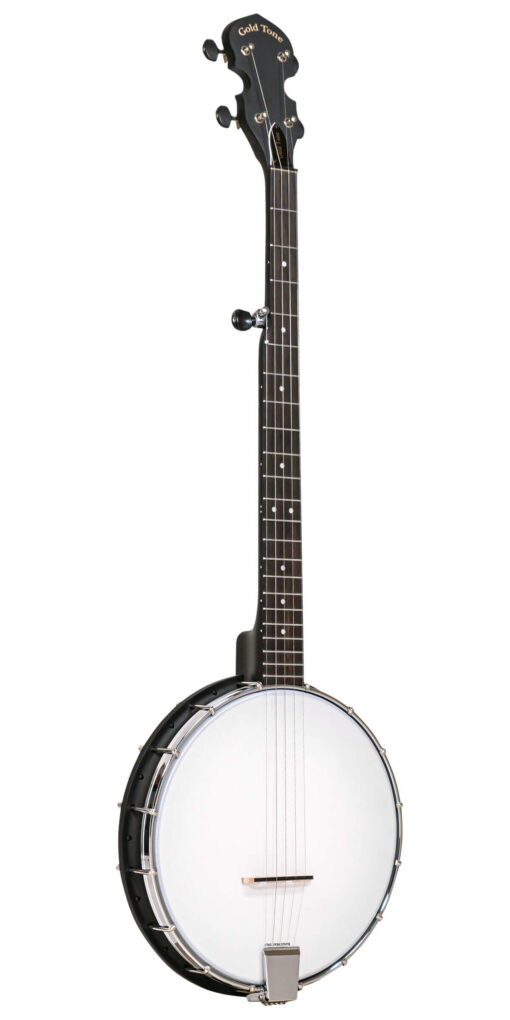
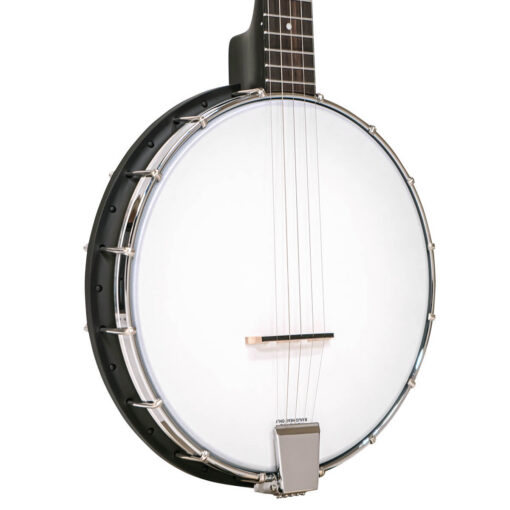
The Gold Tone AC-1 is an award-winning beginner banjo that weighs under four pounds, thanks to its composite rim and slim, playable neck. Named “Best in Show / MUST Stock” at the 2016 Summer NAMM Show in Nashville, it delivers real banjo tone in a durable, travel-friendly package. Openback, with a resonator available separately. Ships with a gig bag and a professional setup from the Gold Tone factory, plus free insured US shipping.
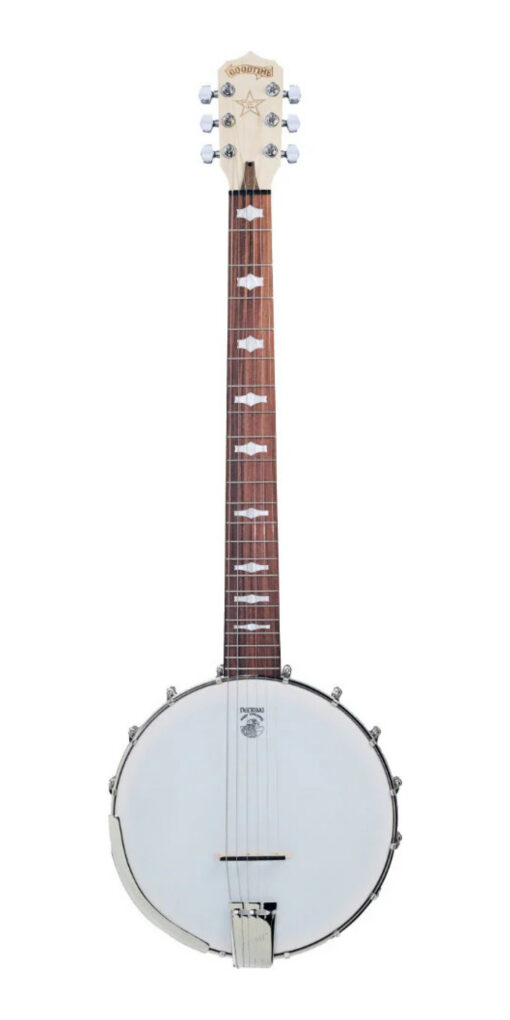
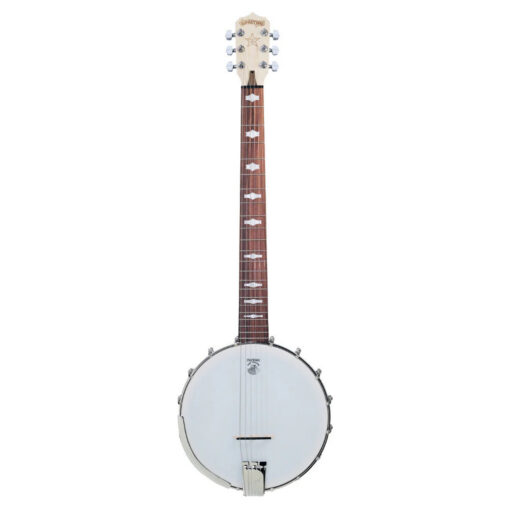
The Deering Goodtime Six is a 6-string, steel-string banjo that tunes like a guitar. Handcrafted in Spring Valley, California. Maple fingerboard, 3-ply violin grade maple rim, comfortable guitar-style neck. $899 with free shipping and professional setup by our banjo tech Tara. Made in the USA.
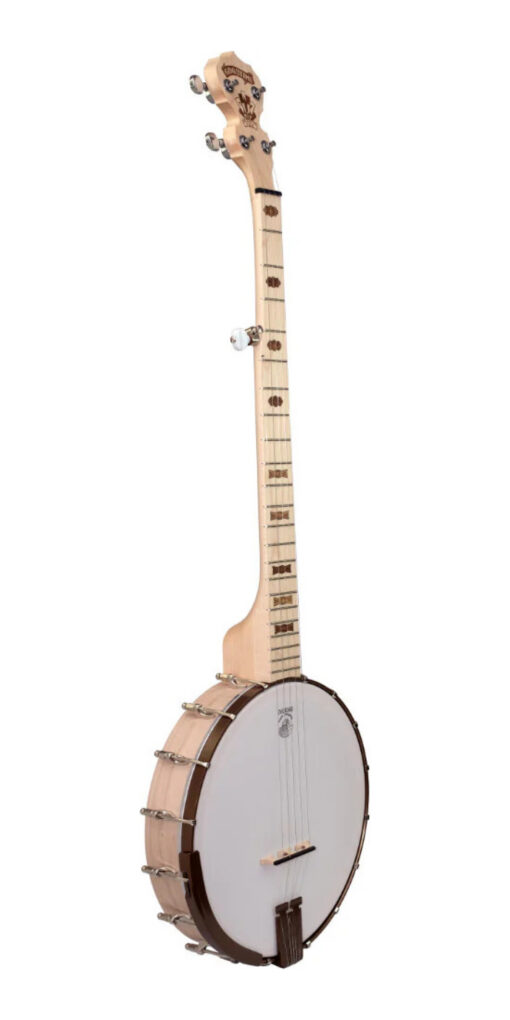
The most recommended banjo by banjo teachers. 3-ply violin grade maple rim, Art Deco hardwood inlays, only 4.5 lbs. Handcrafted in Spring Valley, California. $599 with free shipping and professional setup by our banjo tech Tara. Made in the USA. 7-day guarantee.
Reviews
There are no reviews yet.