
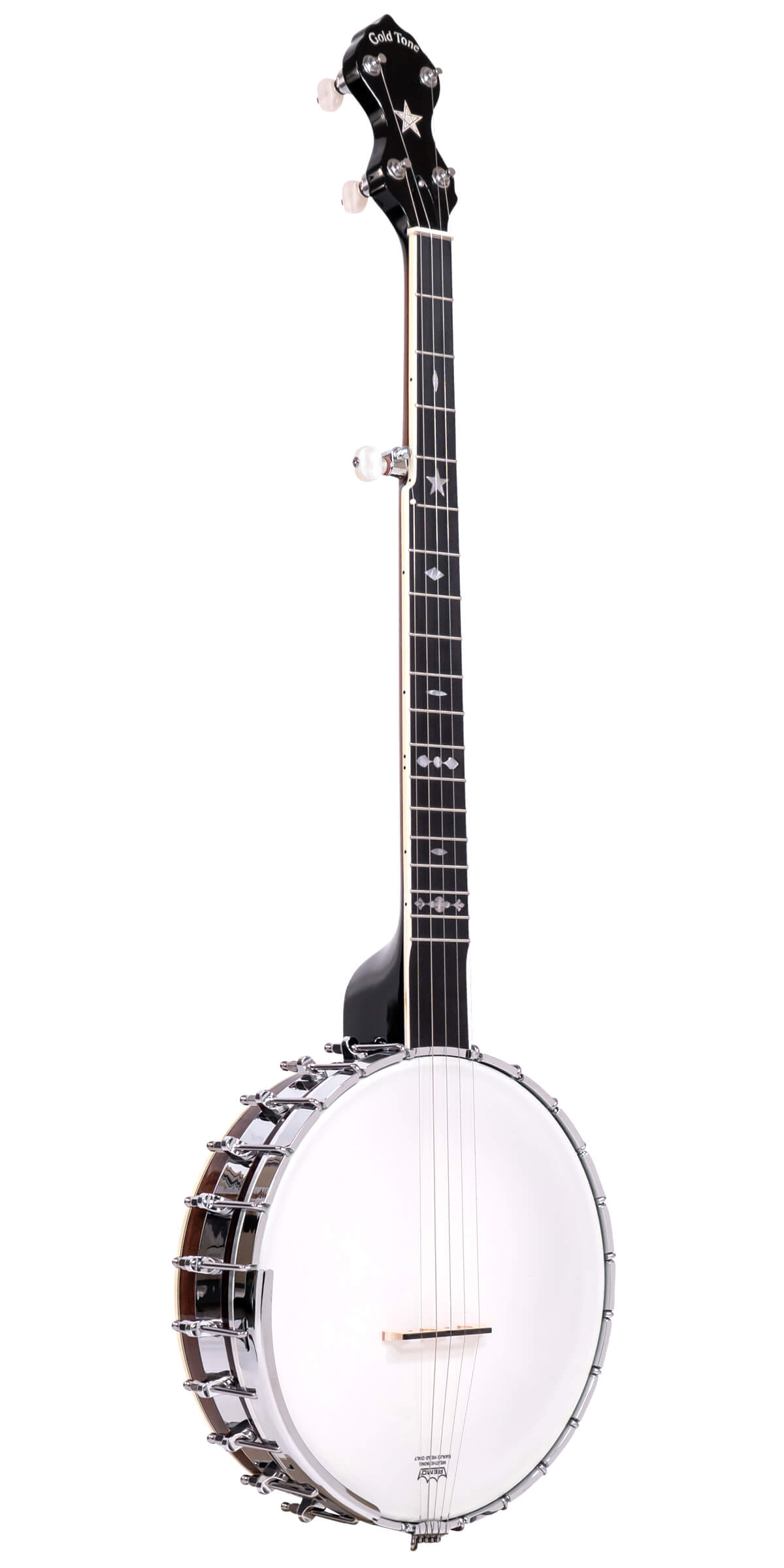
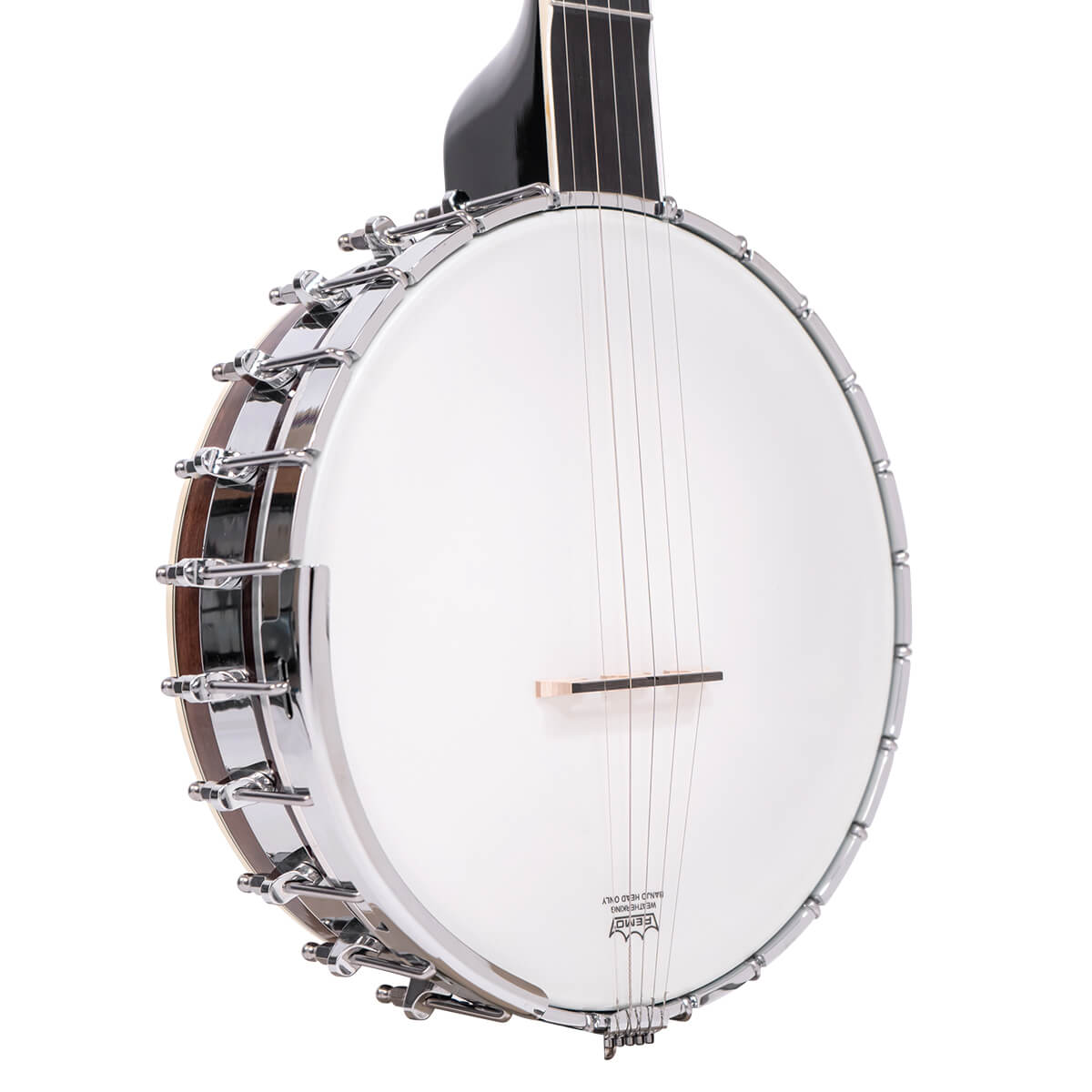
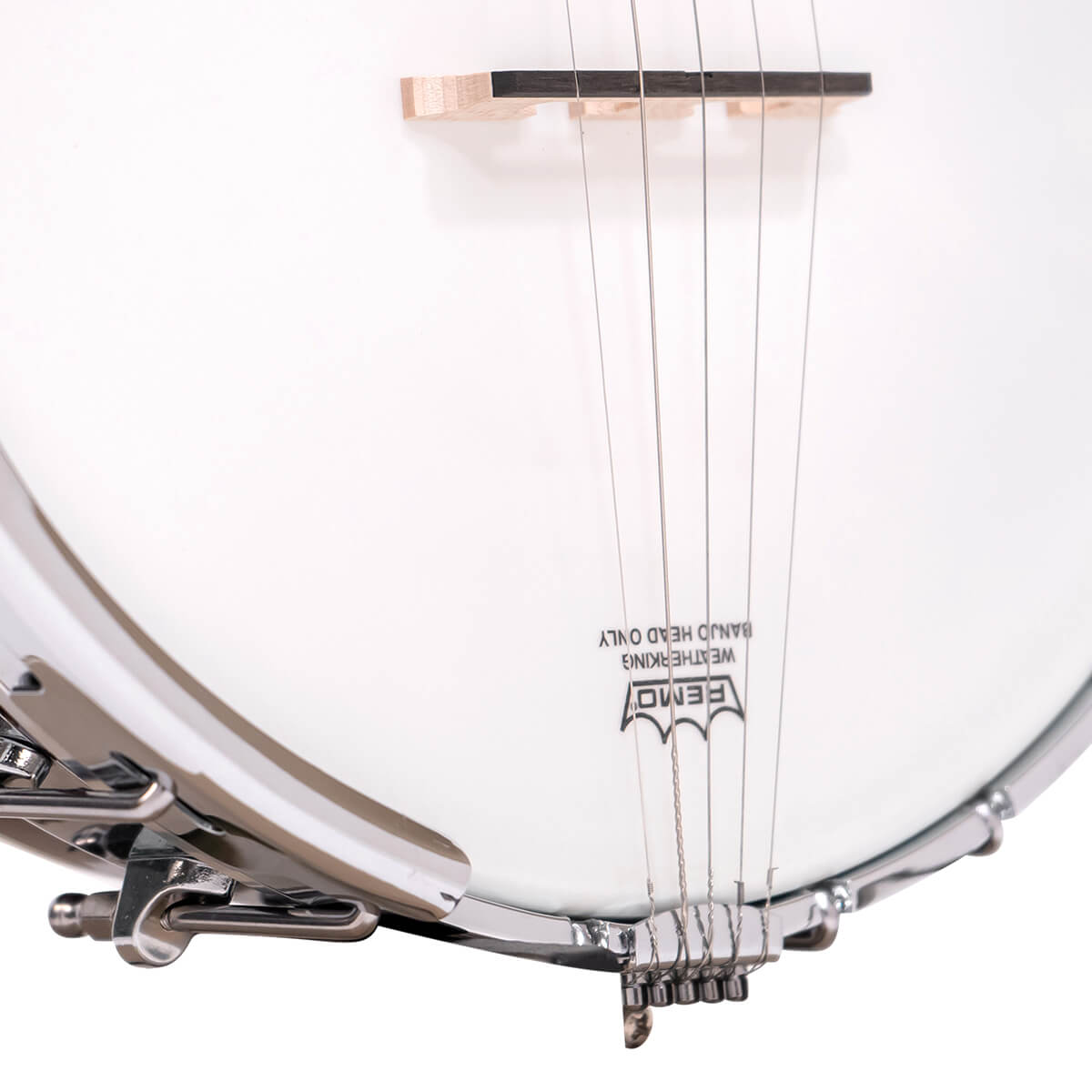
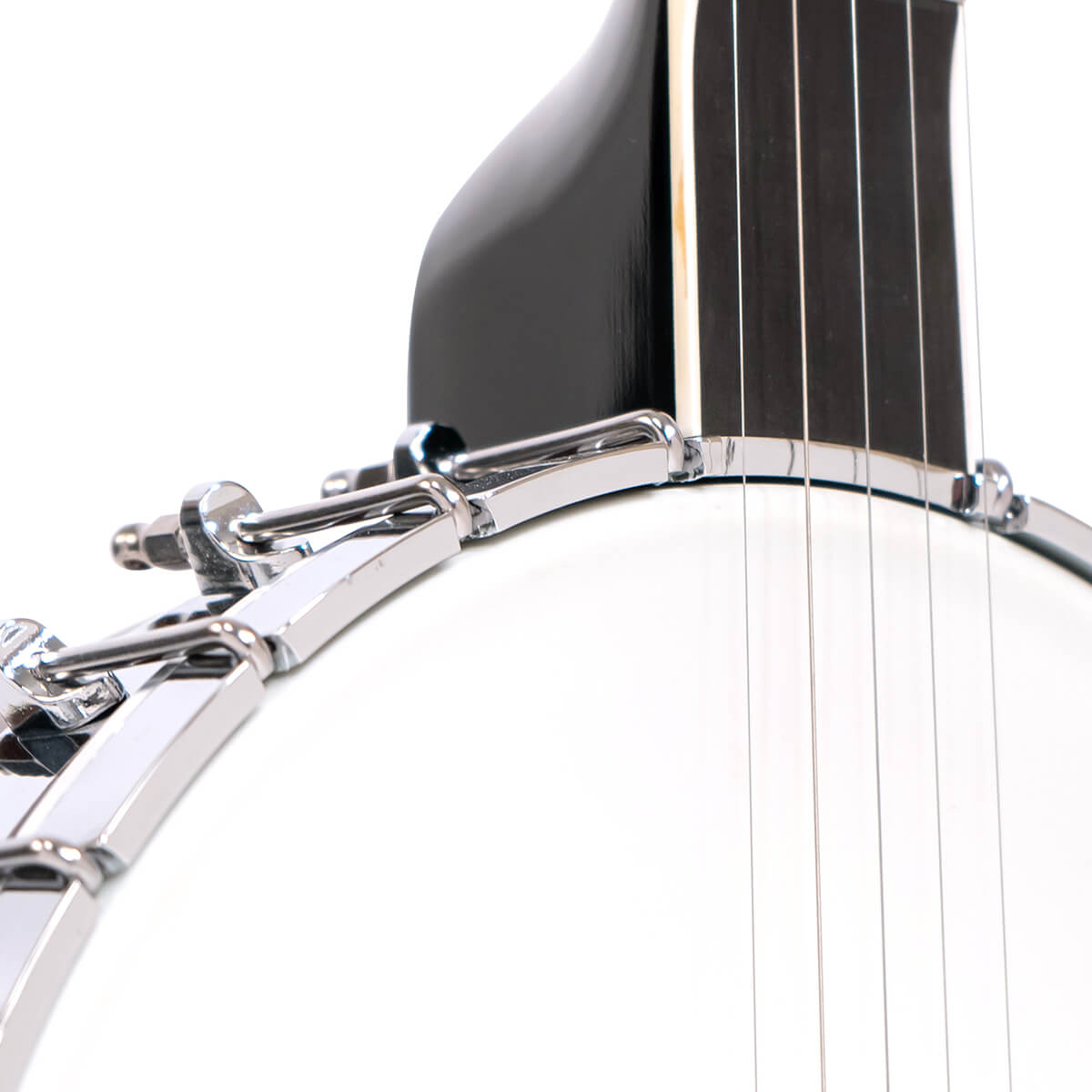
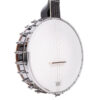
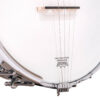
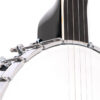
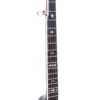


Gold Tone OT-800 Mastertone Old Time Tubaphone-Style Banjo with Case
$1,679.99
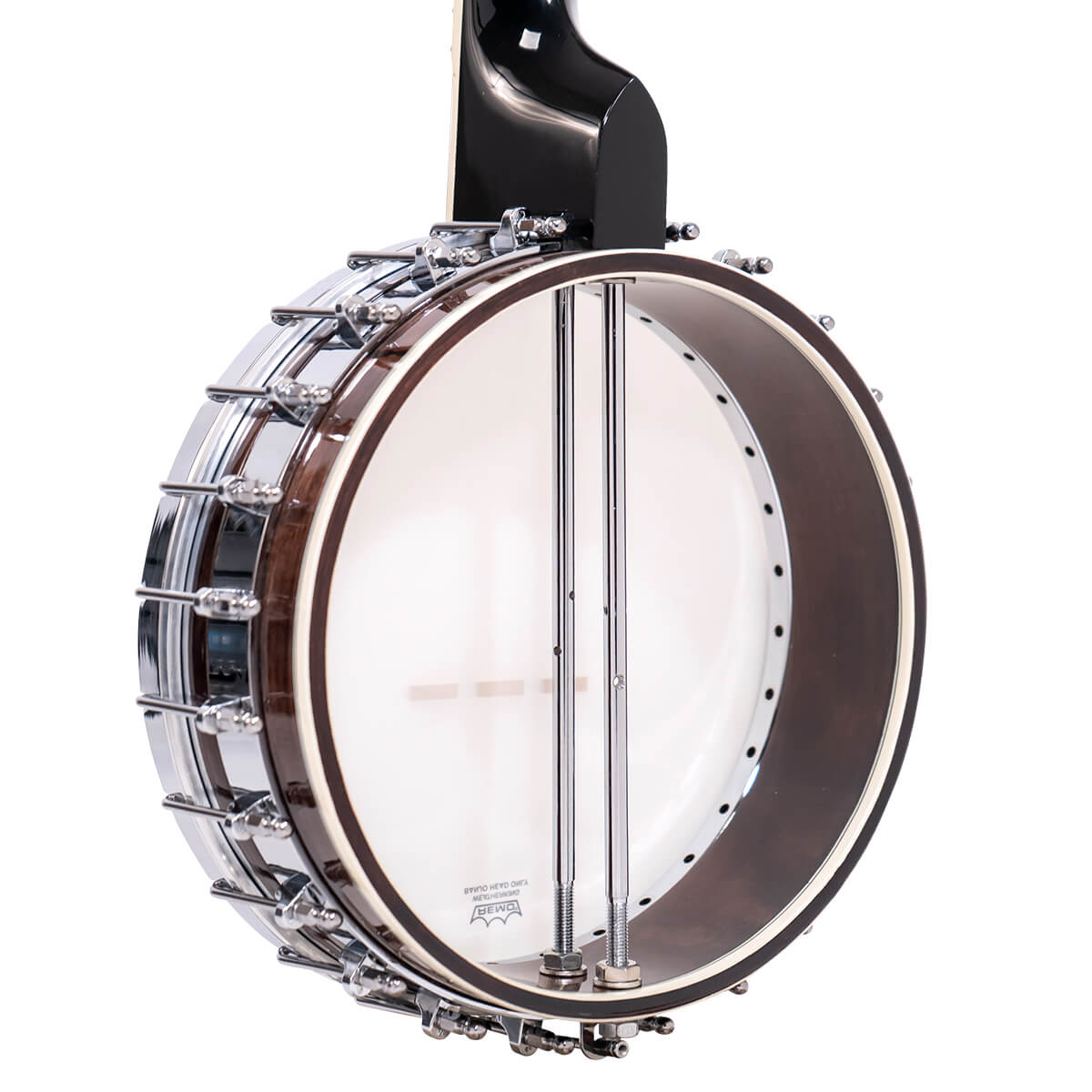
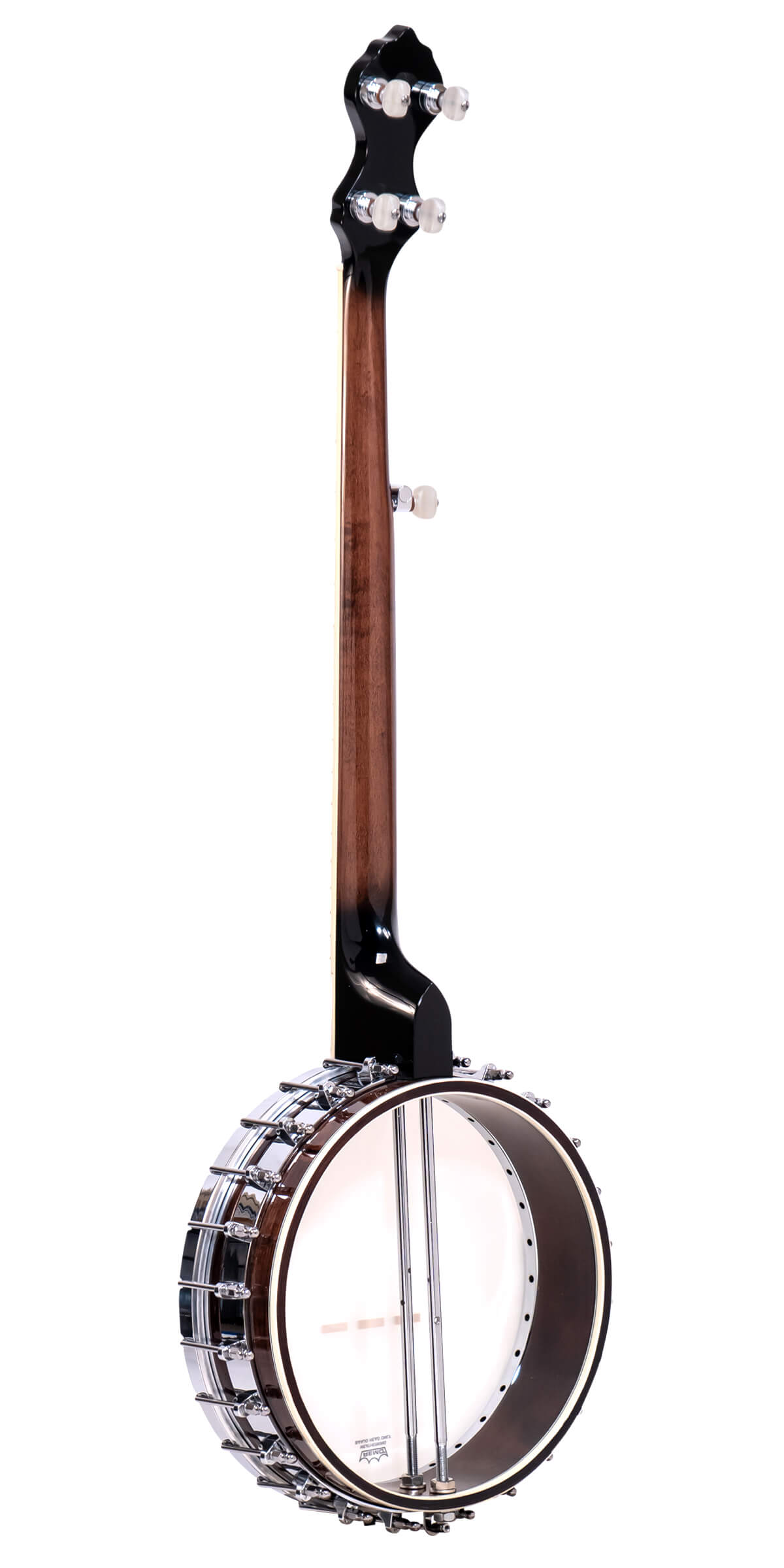
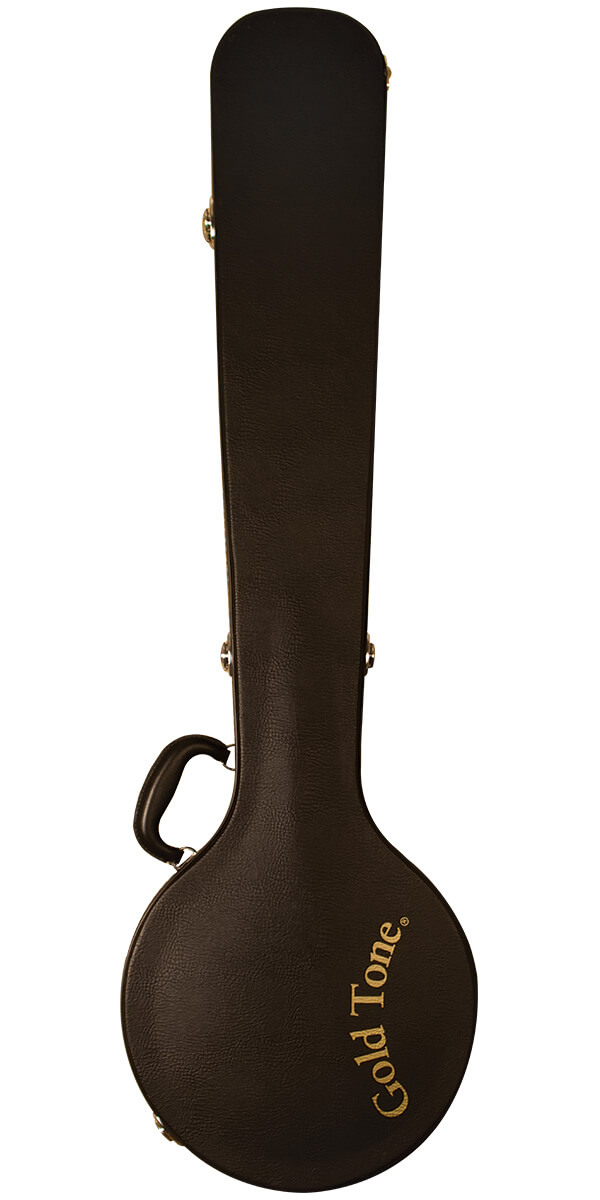
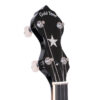
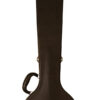
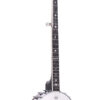
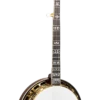
The Gold Tone OT-800 is a premium old-time banjo built around a pre-WWII-style Tubaphone tone ring, delivering the warm, complex overtones that serious clawhammer and old-time players demand. With an 11-inch maple rim, ebony fingerboard with vintage inlay, and a bracket-band design that preserves rim integrity, this is a historically informed instrument built for today’s working player. A deluxe arched-top hard case is included, and every OT-800 ships with a professional factory setup from Gold Tone in Titusville, Florida.
In stock
Watch the demo
At a Glance
- Handedness
- Right-Handed
- Style
- Openback Banjo
- Strings
- 5
- Scale Length
- 26-3/16"
- Tone Ring
- Brass
- Pickup
- No
- Made In
- China
- Weight
- 8 lbs
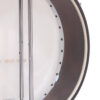
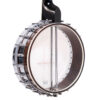
If you’ve spent any time digging into old-time music — really digging in — you’ve probably heard someone describe the tone they’re chasing as “that old Tubaphone sound.” The Gold Tone OT-800 open-back banjo is built specifically around that sound. Taking its cues from the Boston School of banjo making, which represented the pinnacle of the craft during the classic period of roughly 1890 to 1930, this instrument recreates the Tubaphone tone ring in meticulous detail: a square-section brass tube mated to a solid brass rod, all encased in a turned brass sleeve. The result is a layered, resonant voice with pleasing harmonic complexity that sits beautifully in a string band mix. This is the banjo for the player who has moved past entry-level instruments and wants something historically grounded, tonally serious, and genuinely inspiring to pick up every single day.
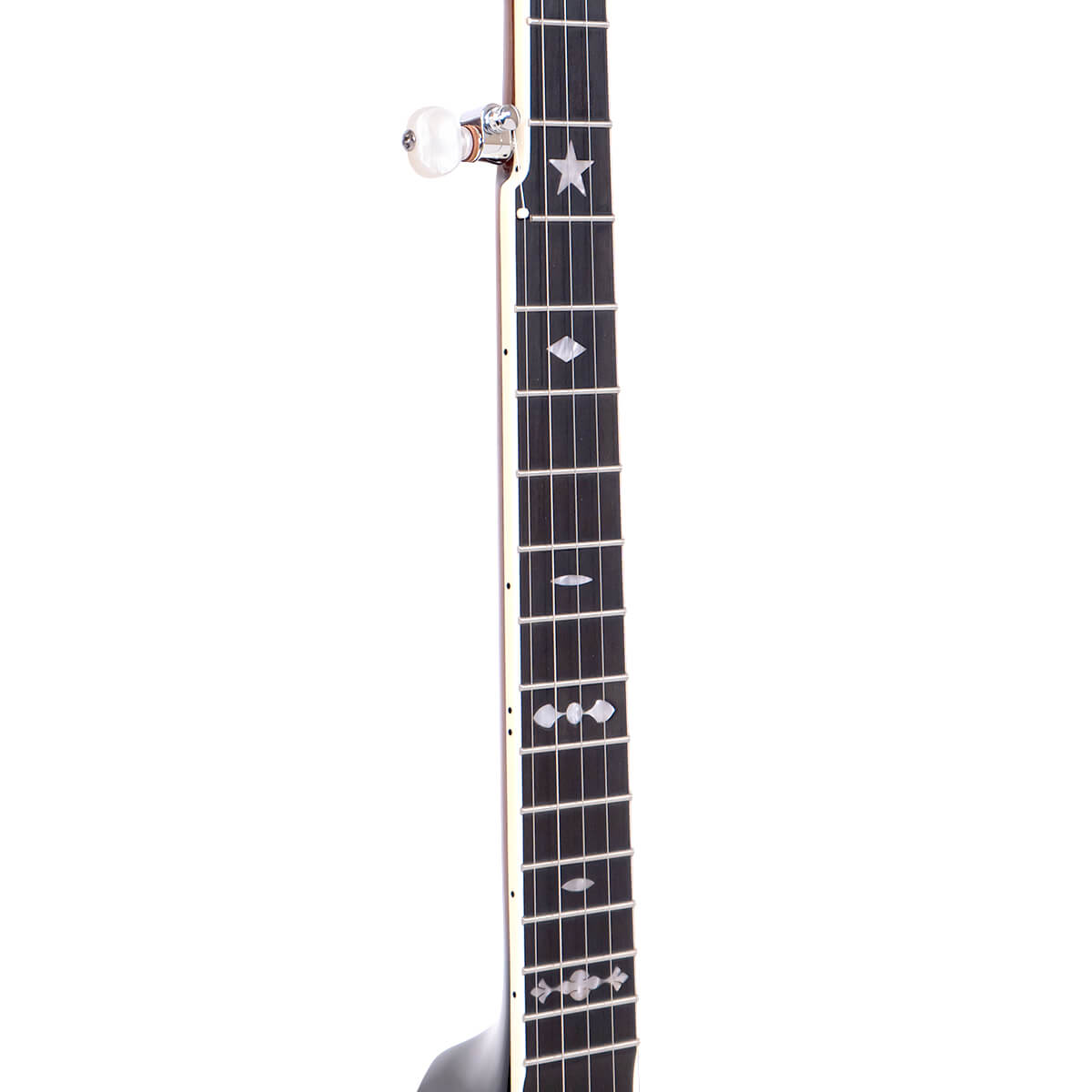
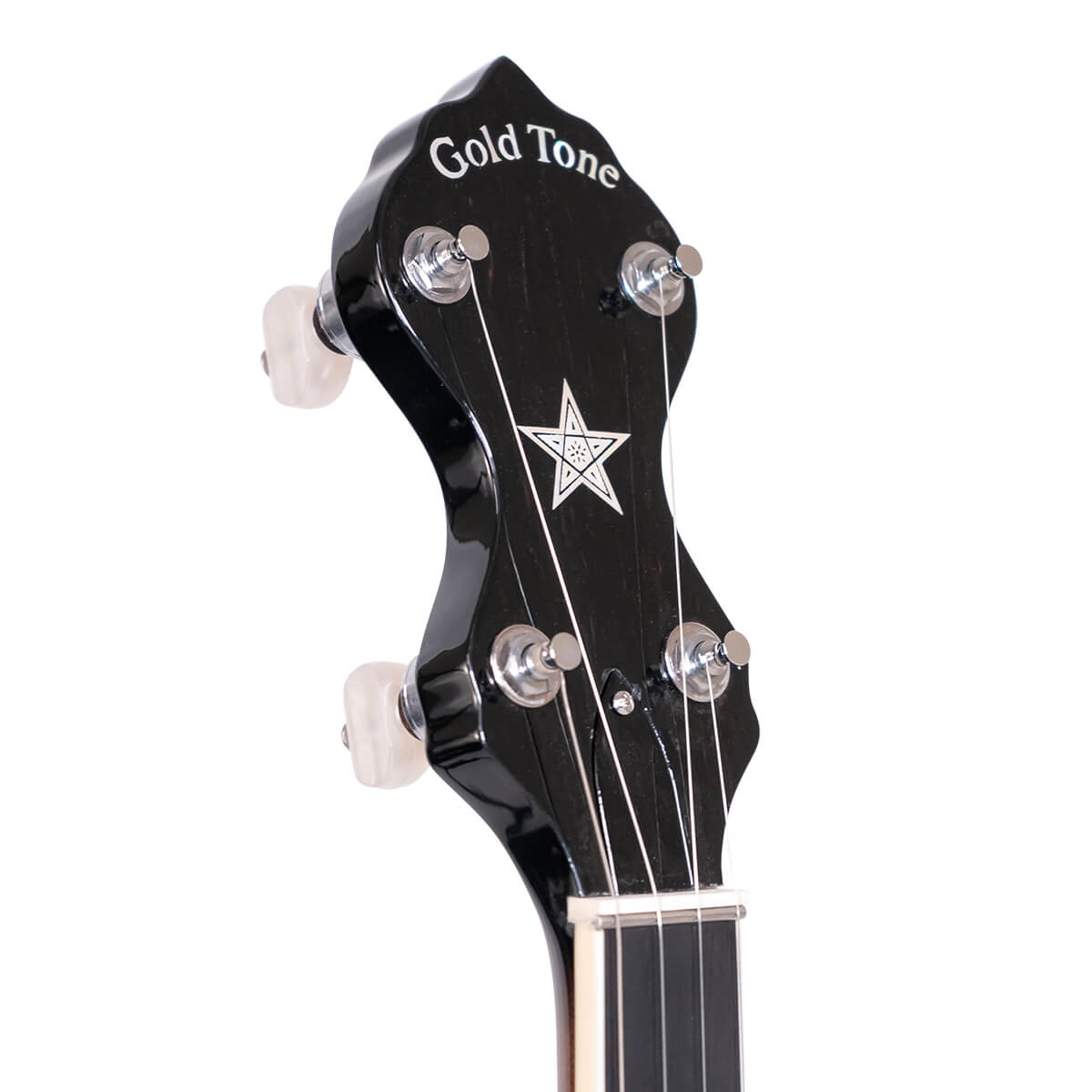
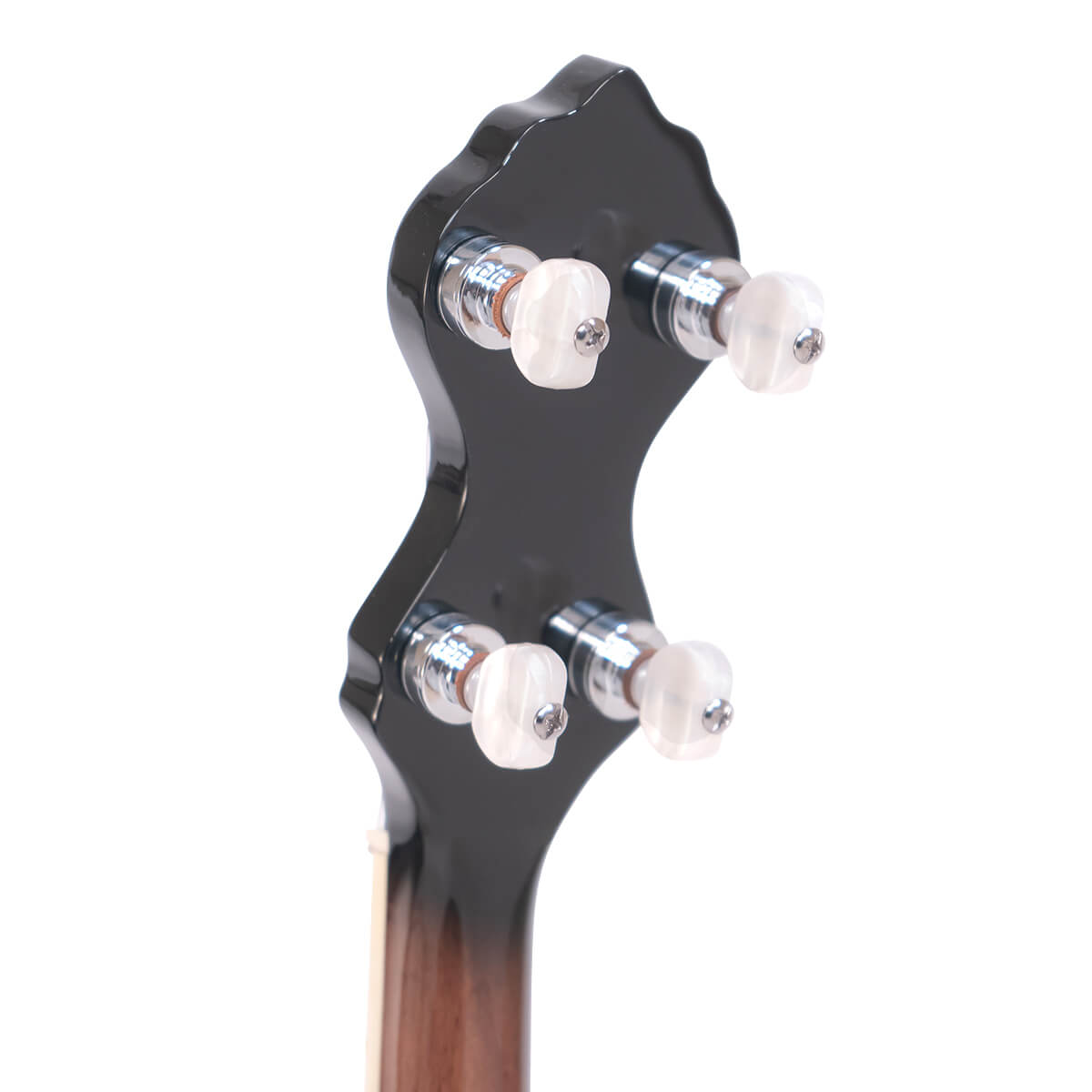
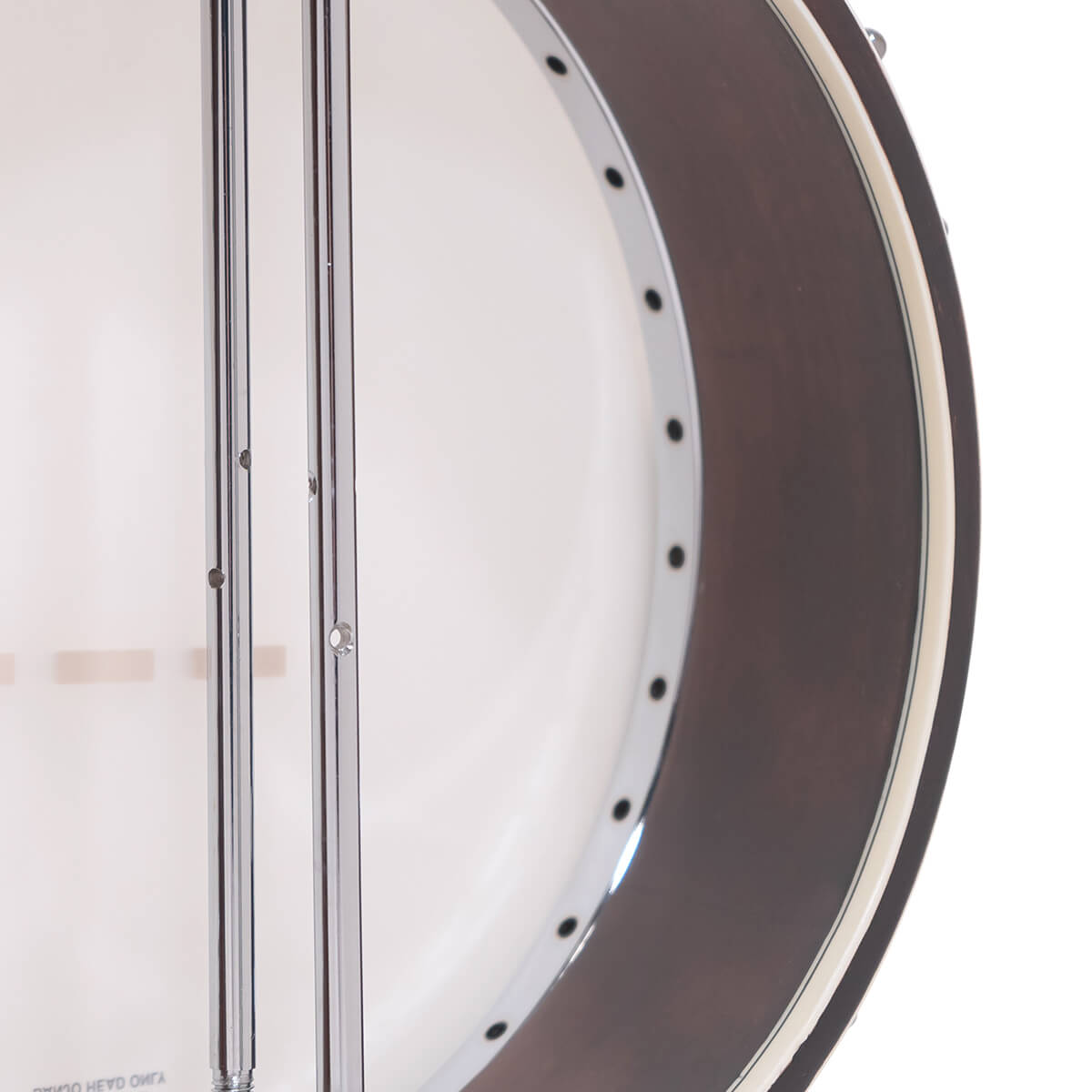
The OT-800 is built on an 11-inch three-ply maple rim with dual coordinator rods for precise, easy action adjustment — a real-world feature that matters when you’re gigging or recording and need your setup dialed in. The bracket-band design carries the 24 hooks without drilling holes in the rim, which preserves the structural integrity of the wood and contributes measurably to the instrument’s power and sustain. The maple neck sports a bound ebony fretboard with old-time style inlays, 18 frets, and — importantly for clawhammer players — a scoop at the pot end of the neck. That scoop isn’t decorative; it’s there so your wrist has clearance during the downstroke, letting you play harder and longer without fatigue. GT Master Planetary tuners and a ZeroGlide nut keep tuning rock solid, while the No Knot tailpiece and 11-inch Remo Renaissance head complete a package that’s thoughtfully spec’d from end to end. A deluxe arched-top hard case is included.
Each instrument receives a professional setup at Gold Tone’s factory in Titusville, Florida before it ships to you. The OT-800 arrives playing at its absolute best right out of the case.
Why Buy From Banjo Warehouse
We’re an authorized Gold Tone dealer, which means your OT-800 comes with full manufacturer warranty support and the confidence that you’re buying a genuine, new instrument. Financing is available through PayPal Pay in 4 and 3, 6, 12, or 24-month plans — no late fees, plus Afterpay. We want to get a great banjo into your hands without making the money part stressful.
Gold Tone OT-800 Specifications
| Headstock Buttons | C-Style |
| Nut | 1-3/16″ ZeroGlide Nut |
| Tuners | GT Master Planetary |
| Neck Material | Maple |
| Fingerboard | Ebony with Scoop |
| Frets | 18 |
| Inlay | Old Time Style |
| Truss Rod | Two-Way Adjustable |
| Armrest | Vintage-Style |
| Binding | White ABS |
| Brackets | 24 |
| Bridge | Maple with Ebony Cap |
| Coordinator Rods | Dual 11″ |
| Finish | Vintage Brown / High Gloss |
| Hardware | Chrome Plated |
| Head | 11″ Remo HC Renaissance |
| Rim | 11″ 3-Ply Maple Tubaphone-Style with Bracket Band |
| Tailpiece | No Knot |
| Tension Hoop | 11″ Notched |
| Tone Ring | 11″ 32-Hole Tubaphone-Style |
| Scale Length | 26-3/16″ |
| Weight | 8 lbs. |
| Strings | .010, .024w, .015, .012, .010 |
| Tuning | gDGBD |
| Case | Deluxe Arched-Top Hard Case Included |
| Setup | Professionally set up at the Gold Tone factory in Titusville, Florida |
Frequently Asked Questions
What exactly is a Tubaphone tone ring, and how does it affect the sound?
The Tubaphone tone ring was developed during the classic era of American banjo making and is distinct from the more familiar archtop or flathead designs associated with bluegrass. It consists of a square-section brass tube married to a solid brass rod, all housed inside a turned brass sleeve. This construction creates a more complex, overtone-rich sound than a simple flathead ring — a warmer, slightly more mellow voice with good projection that blends exceptionally well in old-time string band settings. If you’ve ever heard a pre-war S.S. Stewart or Fairbanks banjo and wanted that kind of tone, the Tubaphone ring is what you’re hearing.
Is the neck scoop really necessary, and will I notice it if I don’t play clawhammer?
The scoop is a relief cut near the pot end of the fingerboard that gives your right-hand wrist clearance during the clawhammer downstroke. If you play clawhammer with any real force or speed, you’ll notice and appreciate it almost immediately — it allows a more natural wrist angle and reduces fatigue over a long session. If you play fingerstyle, two-finger, or frailing styles that don’t involve the same wrist position, the scoop is essentially invisible; it doesn’t interfere with standard playing at all. It’s one of those features that costs you nothing if you don’t need it and is genuinely valuable if you do.
Want to know when new banjos arrive? Join our email list: Sign up here.
Videos
Be the first to review “Gold Tone OT-800 Mastertone Old Time Tubaphone-Style Banjo with Case”
You must be logged in to post a review.
Related products


The Gold Tone CEB-4 is a one-of-a-kind cello banjo developed in collaboration with string virtuoso Marcy Marxer, bringing back a nearly forgotten voice from the early twentieth century banjo orchestra era. Tuned in fifths (CGDA) on a 14-inch pot with a rolled brass flat bar tone ring, it delivers deep, punchy low-end that works beautifully in any genre. Mandolin, mandola, viola, and cello players will feel right at home within minutes — and it ships with a hard case included.
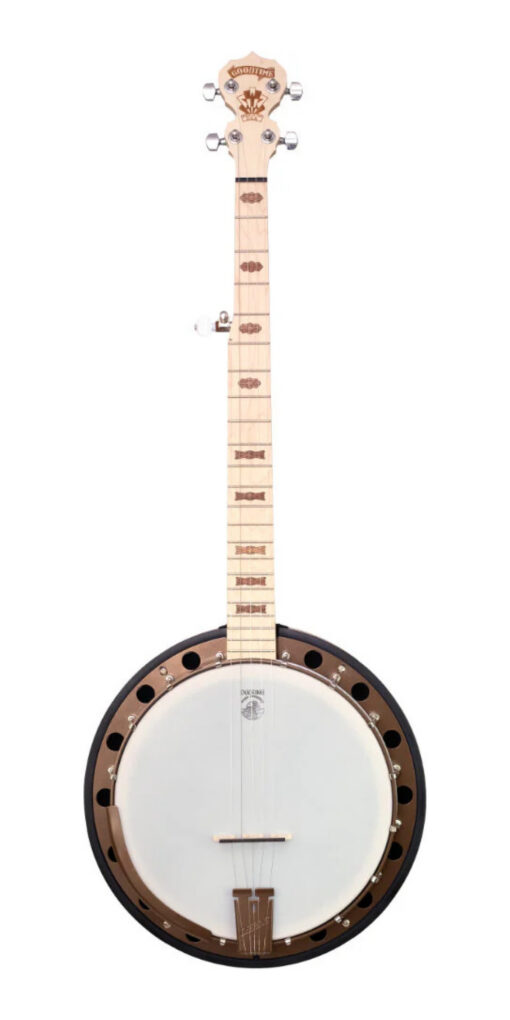
The Deering Goodtime Two adds a resonator to the beloved Goodtime platform for more volume and projection. 3-ply violin grade maple rim paired with a 3-ply maple resonator produces a rich, golden bluegrass tone. Art Deco inspired hardwood inlays. US Bronze powder finished flange and hardware. Handcrafted in Spring Valley, California. $849 with free shipping and professional setup by our banjo tech Tara. Made in the USA.
![Gold Tone BG-175F Mastertone Bluegrass Banjo - front [gt-variant:1419]](https://banjowarehouse.com/wp-content/uploads/2026/06/01_1-front_BG-175F-510x1020.webp)
![Gold Tone BG-175F Mastertone Bluegrass Banjo - front [gt-variant:1419]](https://banjowarehouse.com/wp-content/uploads/2026/06/02_2-front_BG-175F-510x510.webp)
Flying Eagle inlays and Mastertone styling for under $1,000. The BG-175F features a rolled brass tone ring, mahogany construction, and weighs just 8.5 lbs. Greg Rich design.
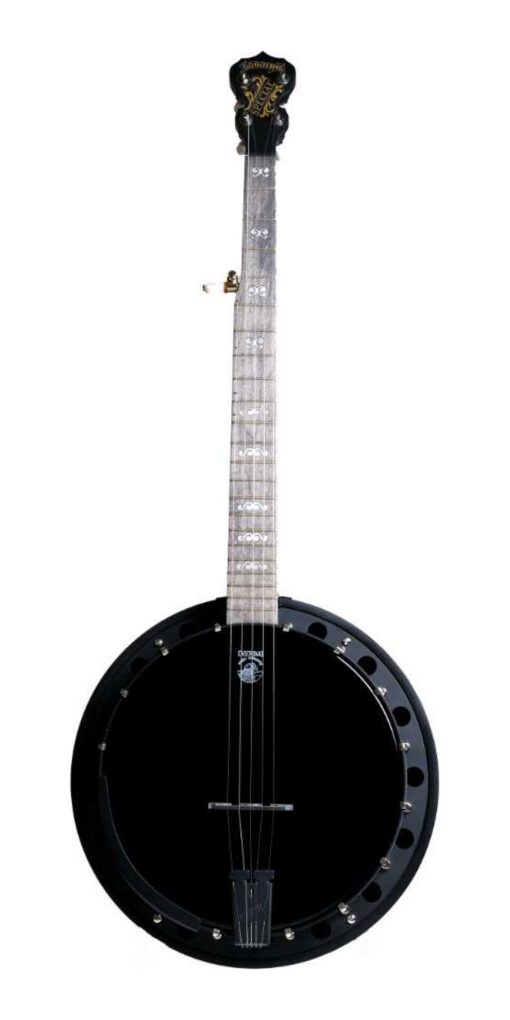
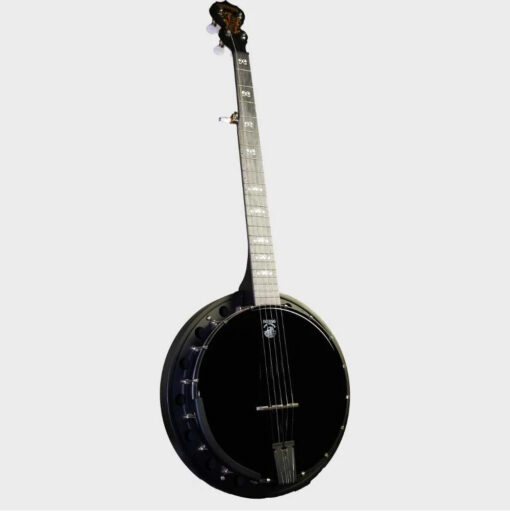
The Deering Blackgrass Special takes the all-black Blackgrass and adds a Goodtime Special steel tone ring for a brighter, richer tone with more sustain and volume. Midnight maple fingerboard with vintage artisan pearloid inlays. Planetary tuners, spikes at 7, 9, and 10.
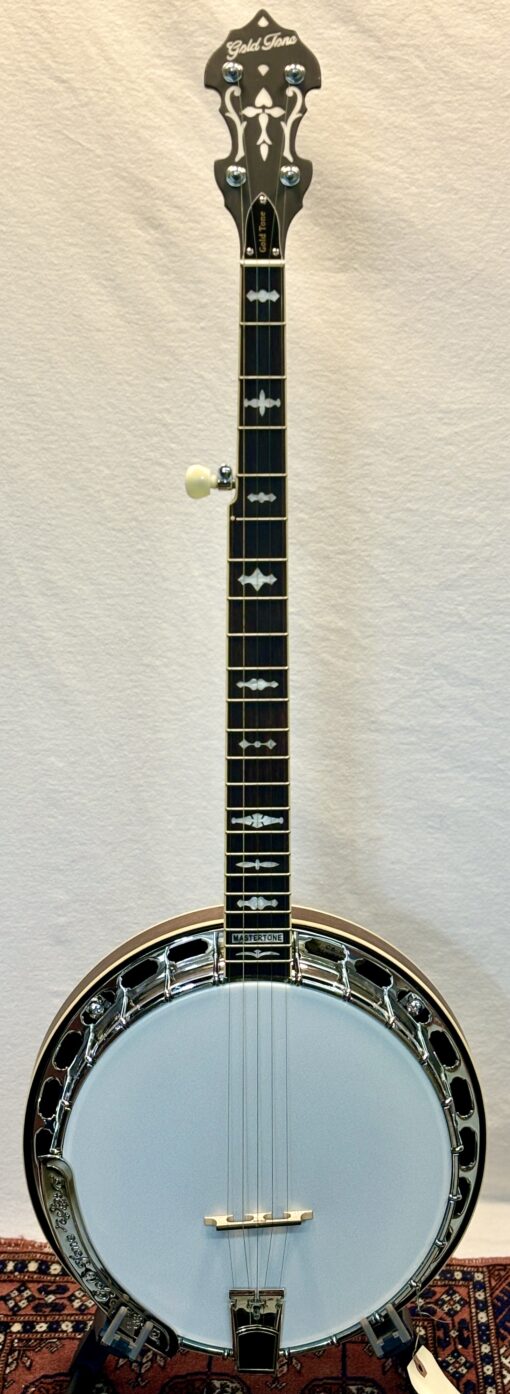
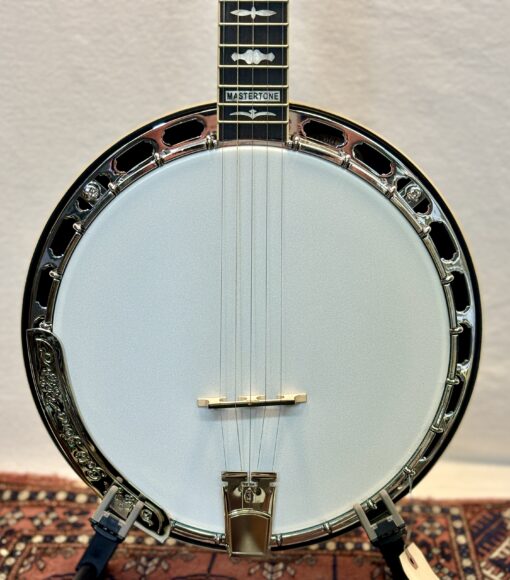
"Pre-war" style, at a price anyone can afford, AND authentic tone and superb playability describe the OB-150+. This Bluegrass banjo sports a three-ply maple rim and one-piece flange (just like the megabucks originals), a maple neck inlayed in authentic style, an upgraded JLS tone ring, and a smooth satin finish. The OB-150 is professionally set up in our Ohio shop and comes with TRANSFERRABLE lifetime warranty.
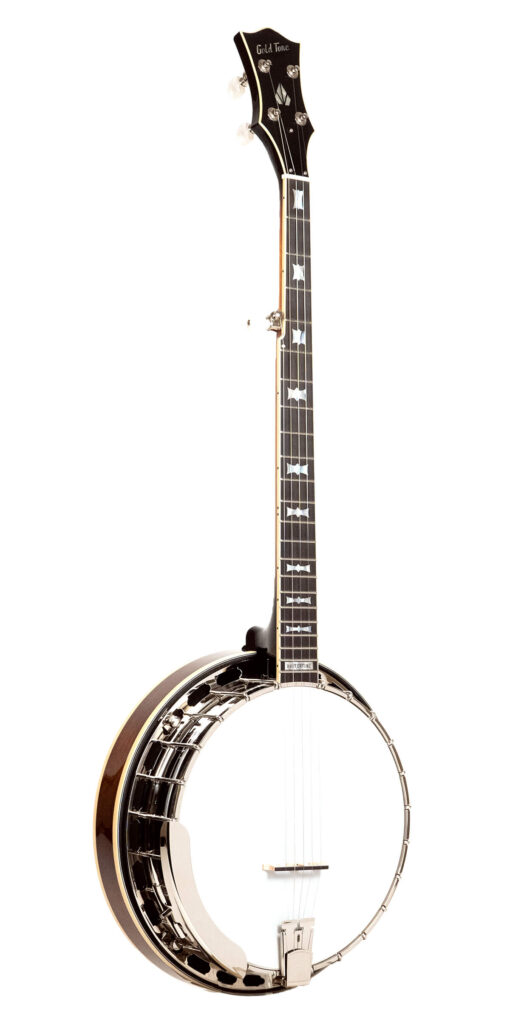
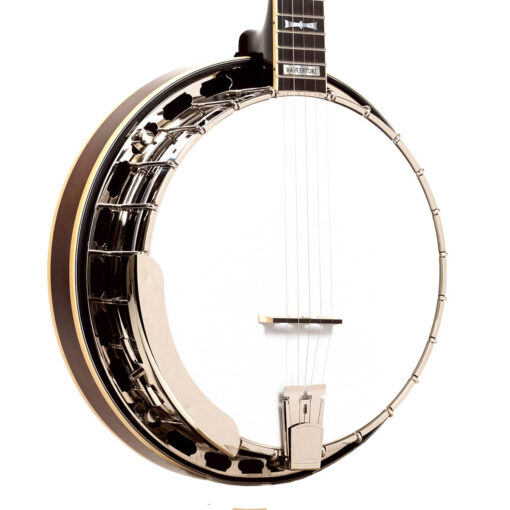
Banjo Warehouse exclusive! The Gold Tone OB-2+ is a faithful tribute to the classic 1960s Mastertone bowtie banjos, featuring a JLS 19-hole bell brass flathead tone ring, mahogany neck and resonator in golden sunburst, ebony fingerboard with iconic bowtie inlays, Gotoh planetary tuners, and Dotson bridge. Hardshell case included.
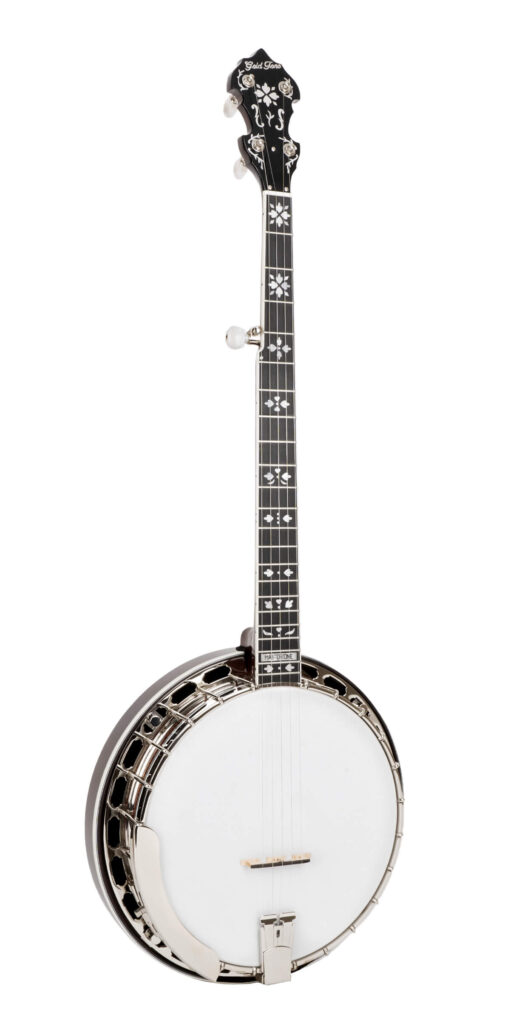
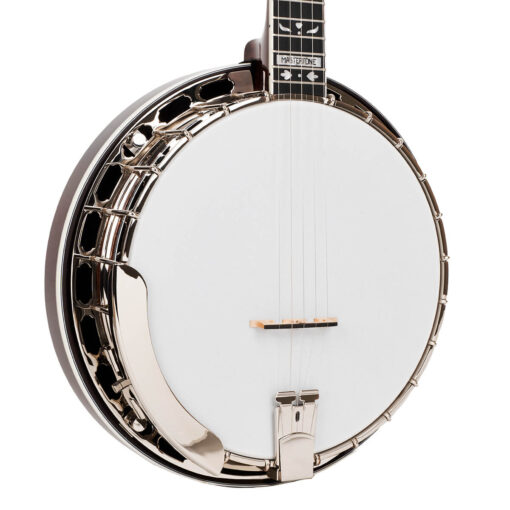
The double-cut headstock, combined with the Hearts-and-Flowers inlay pattern, says it all. The OB-Standard respects the GOAT Bluegrass banjoist, Earl Scruggs, who played this banjo style for many years.
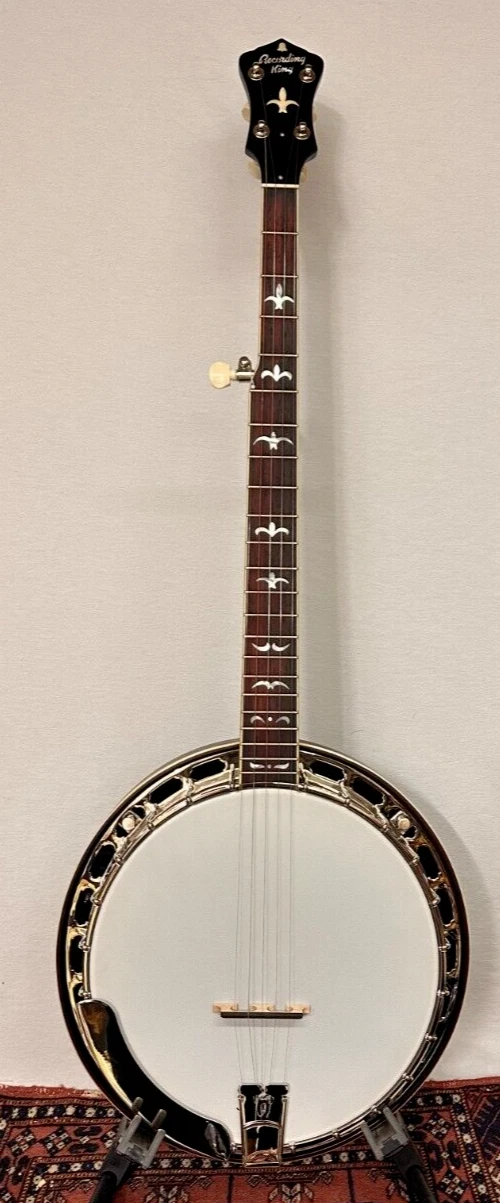
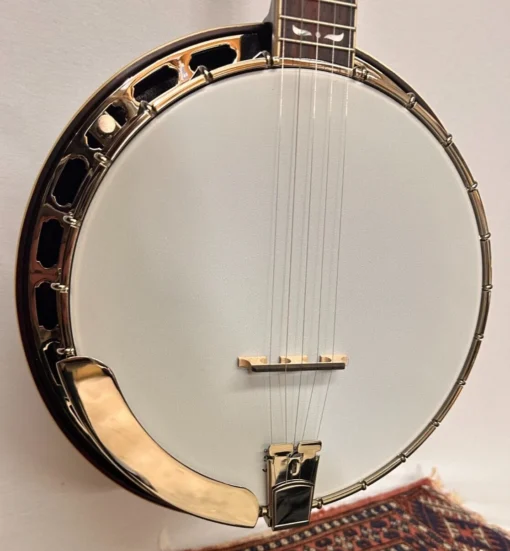
A Madison-series resonator banjo with the same 3-ply steam-bent maple rim as the best-selling RK-ELITE-75, plus a pre-war-style bell brass cast tone ring and one-piece flange.
Reviews
There are no reviews yet.