A Piece of Bluegrass History
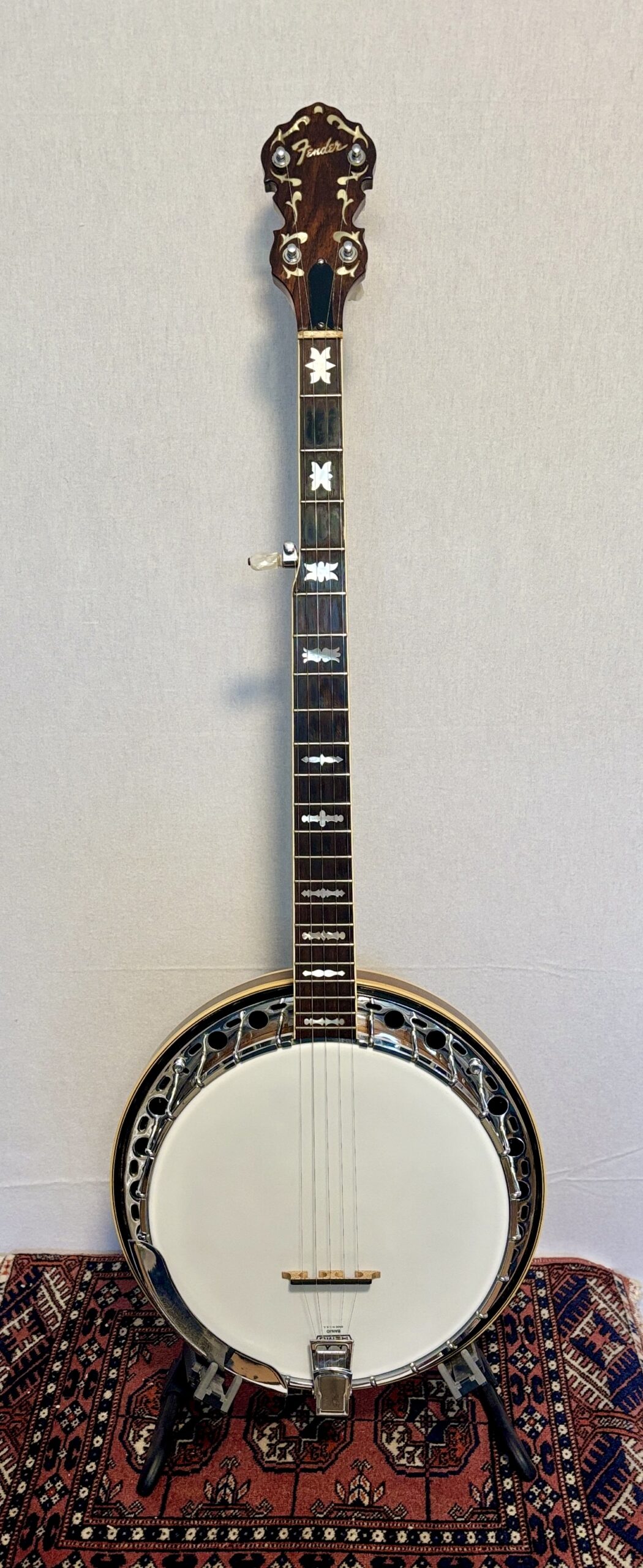
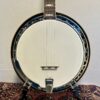
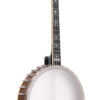
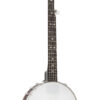
In the late 1960s and early 1970s, some of the biggest names in bluegrass were playing Fender Artist banjos. Vic Jordan with Bill Monroe, Eddie Adcock, and Bill Emerson with the Country Gentlemen—these players chose the Fender Artist for its powerful, cutting tone. This 1960s example appears to have never been played. The frets are perfect, and the finish is pristine.
The Salstrom Story
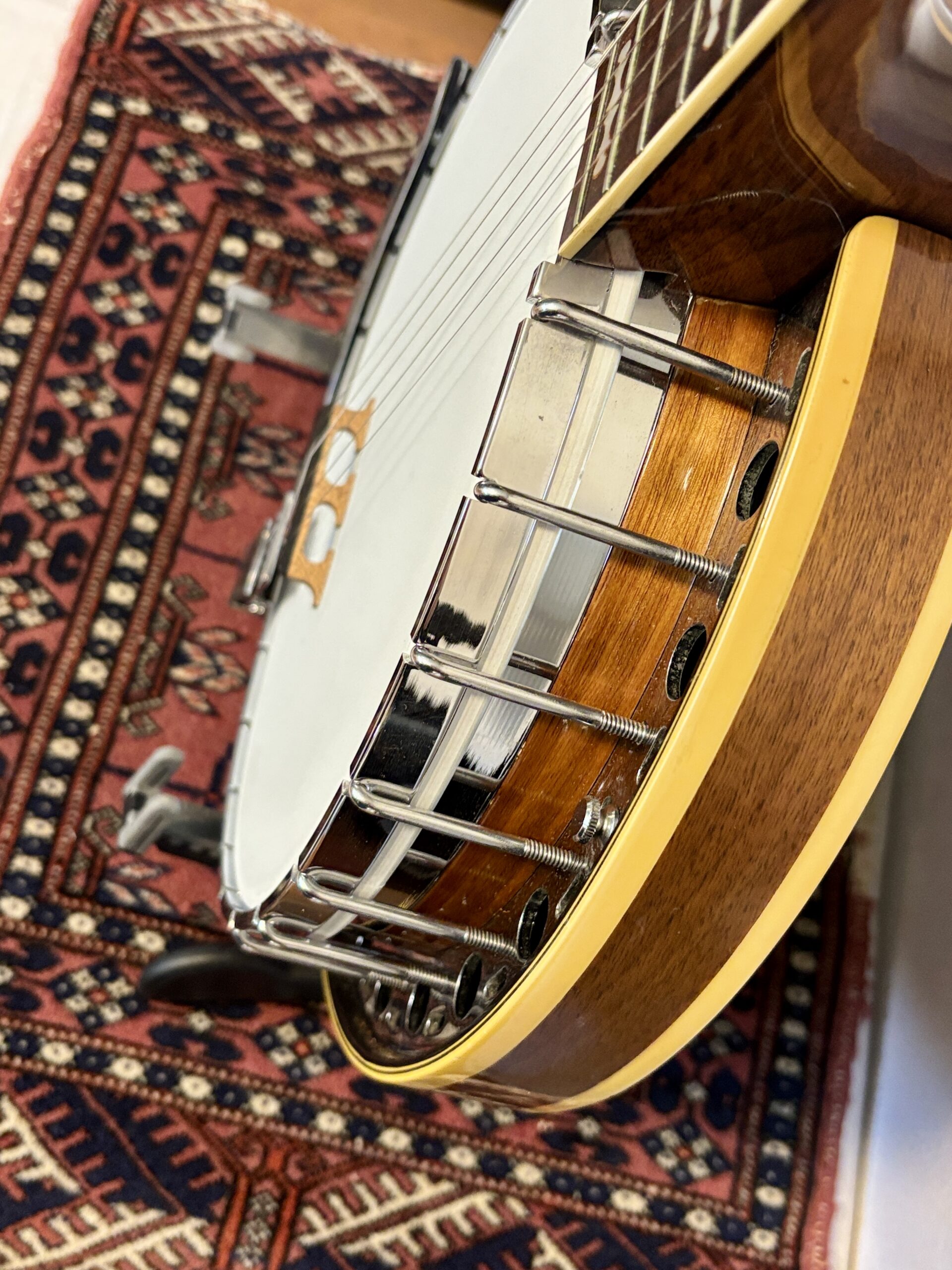
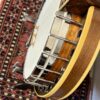
Fender acquired the Salstrom Banjo Company in the mid-1960s, inheriting a design that rivaled any banjo on the market. The Artist and top-of-the-line Concertone shared the same heavy pot assembly, featuring a Gibson-style no-hole flathead tone ring and a one-piece flange that gives these banjos their legendary projection. All high-quality Fenders were made in California during this era.
Walnut Wonder
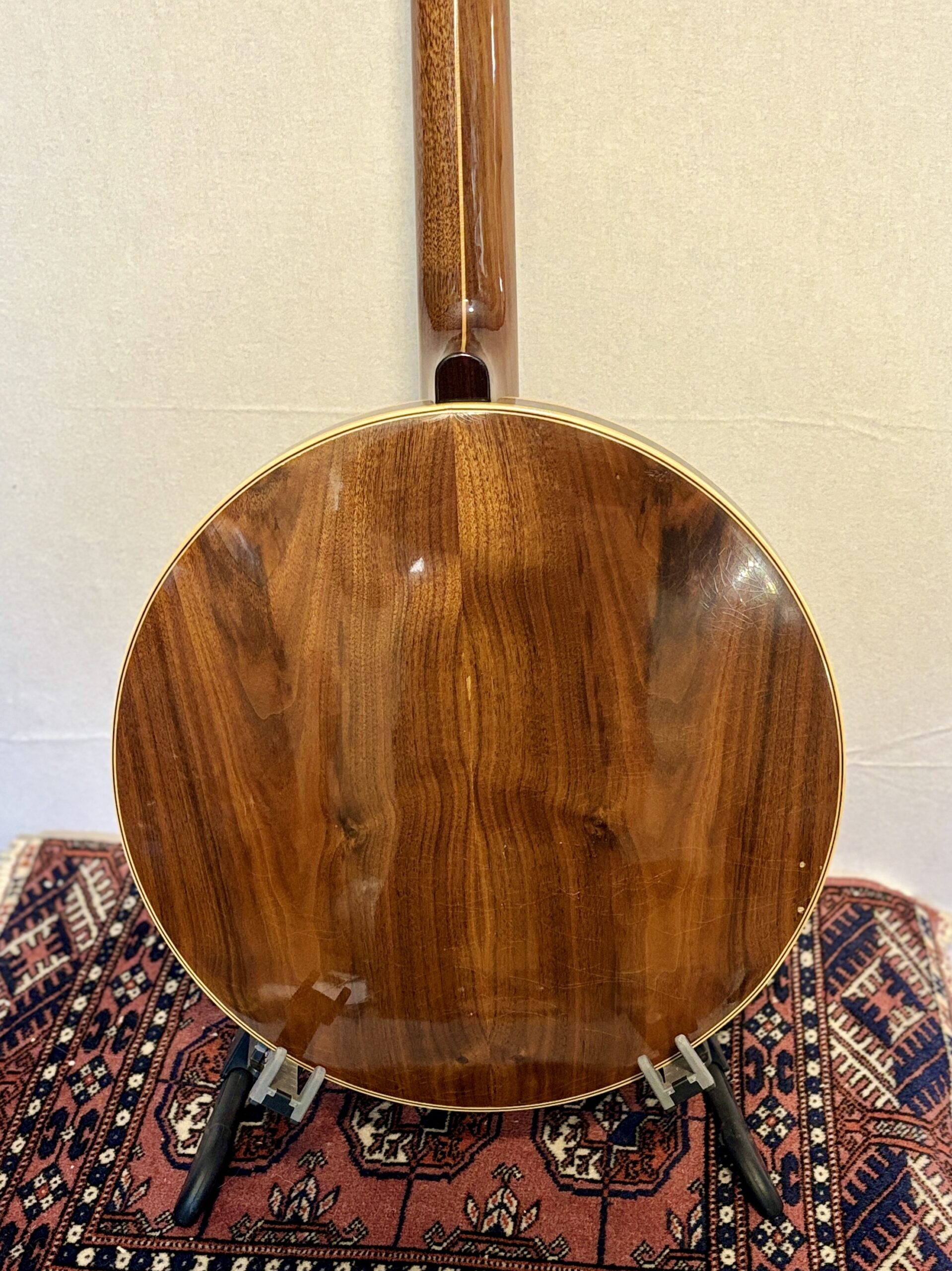
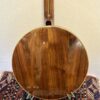
The neck and resonator are solid walnut with cream binding. When you get a banjo that’s 50+ years old like this one, the wood starts to mellow out. You get the power of walnut combined with decades of aging, and it just cuts like crazy. The slender walnut neck is a hallmark of these California-made Fenders.
Features & Appointments
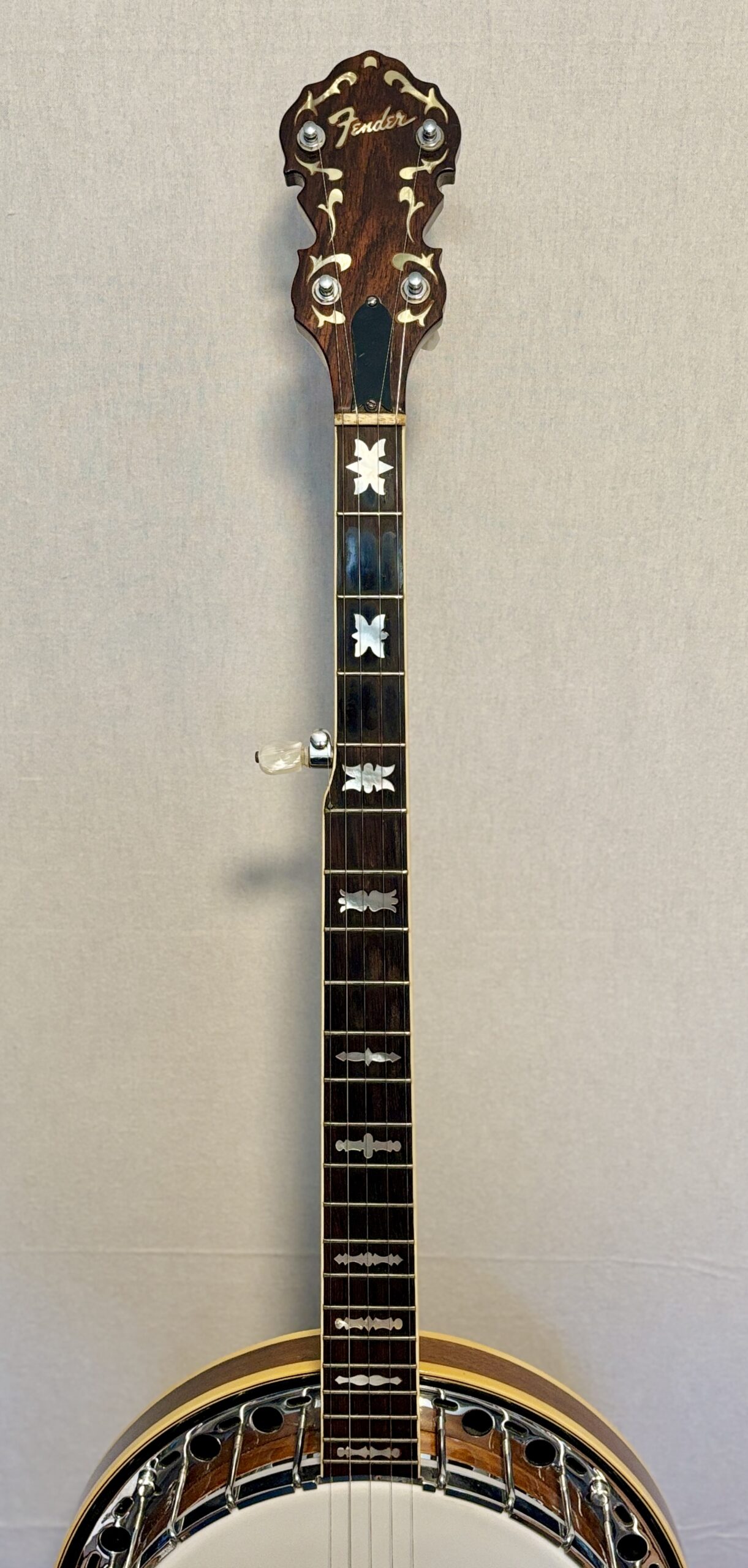
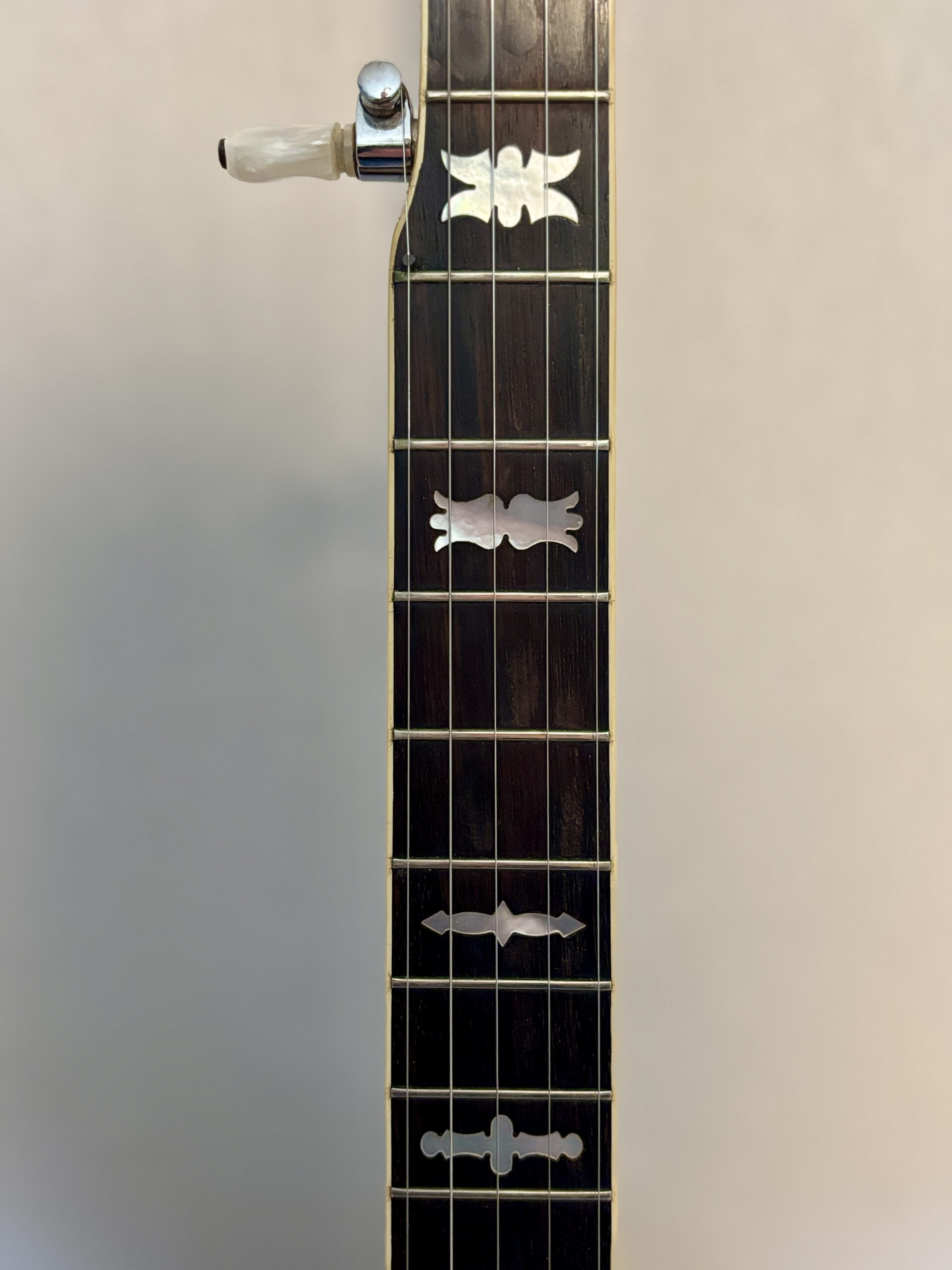
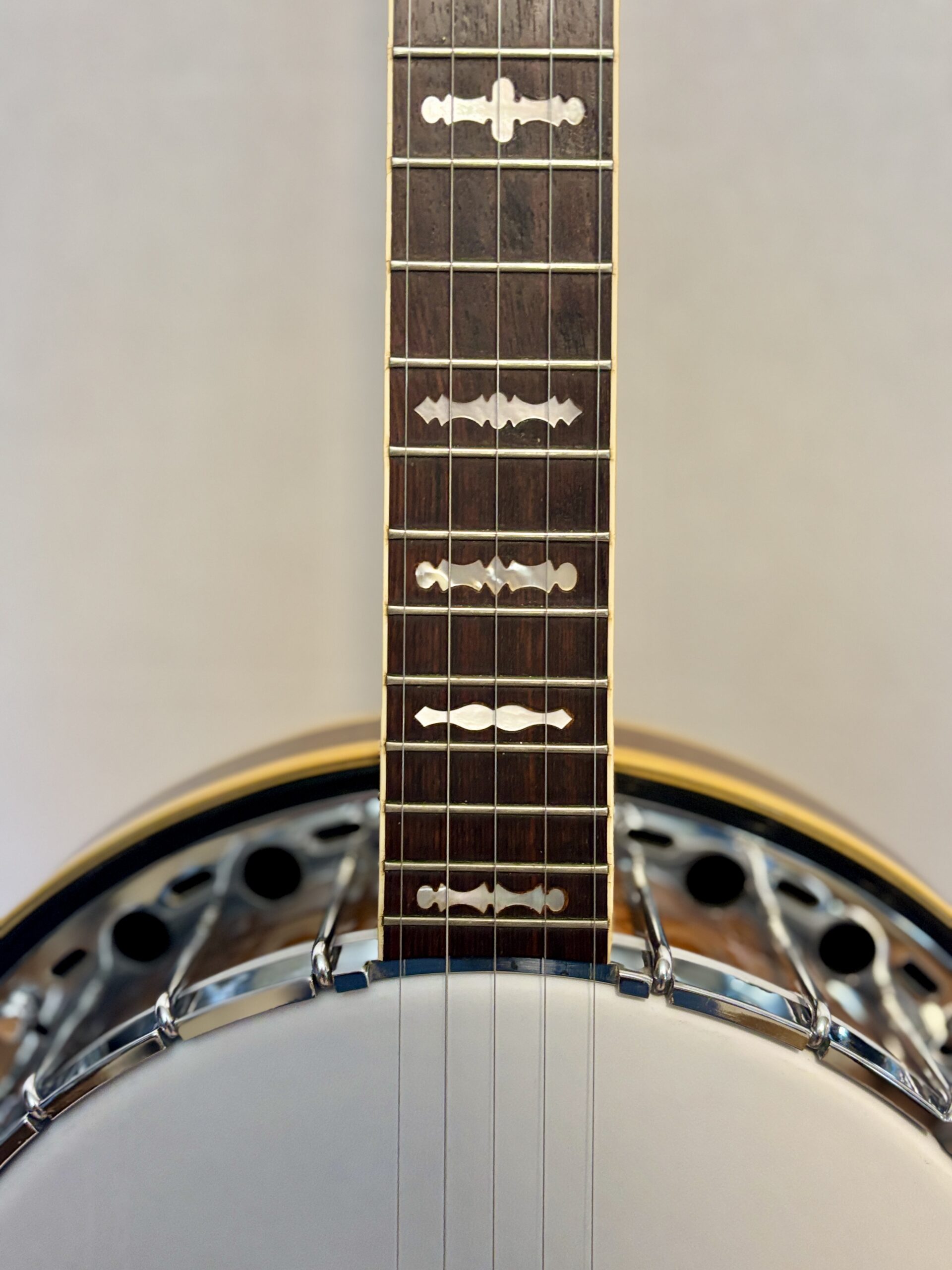
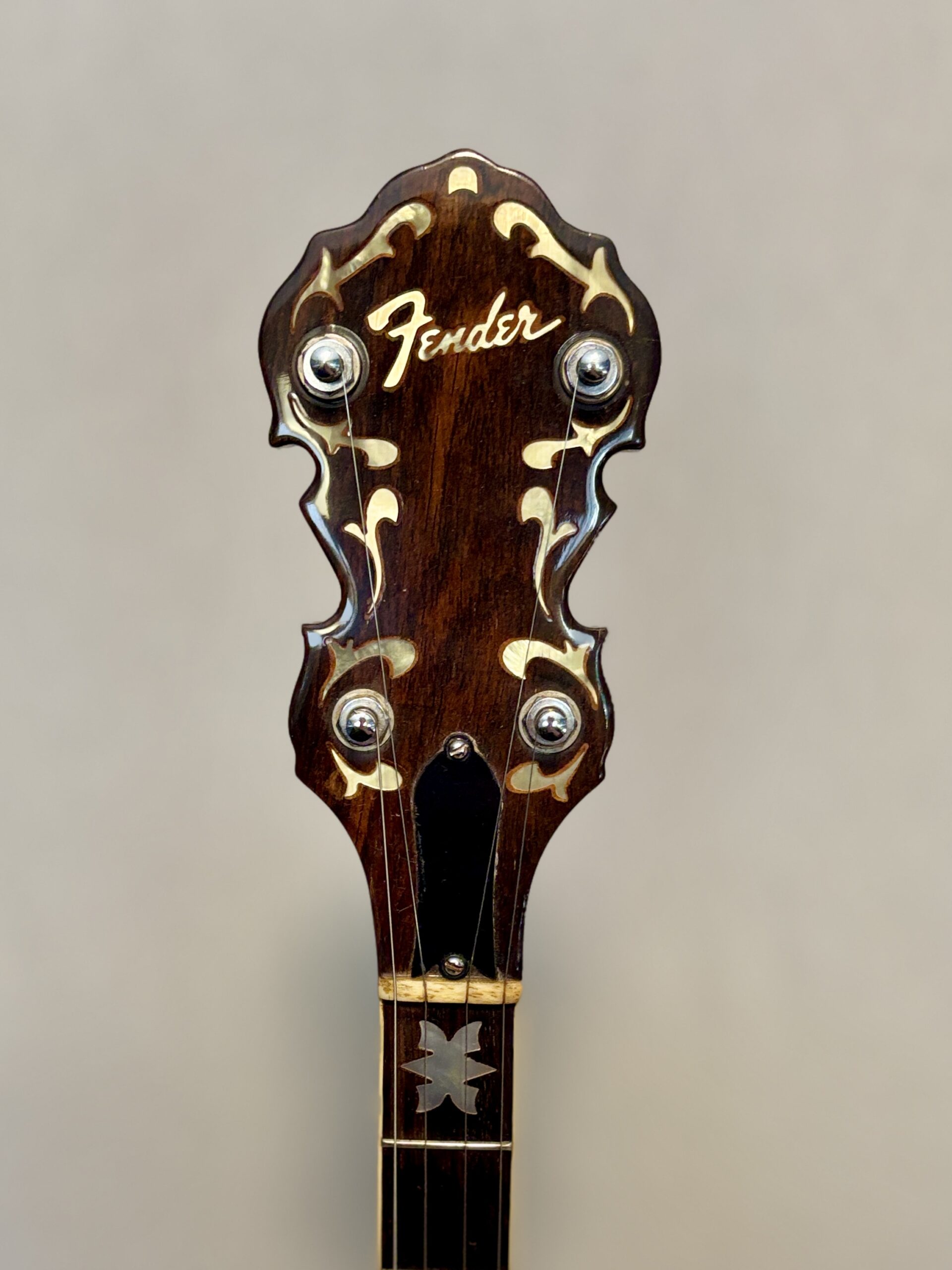
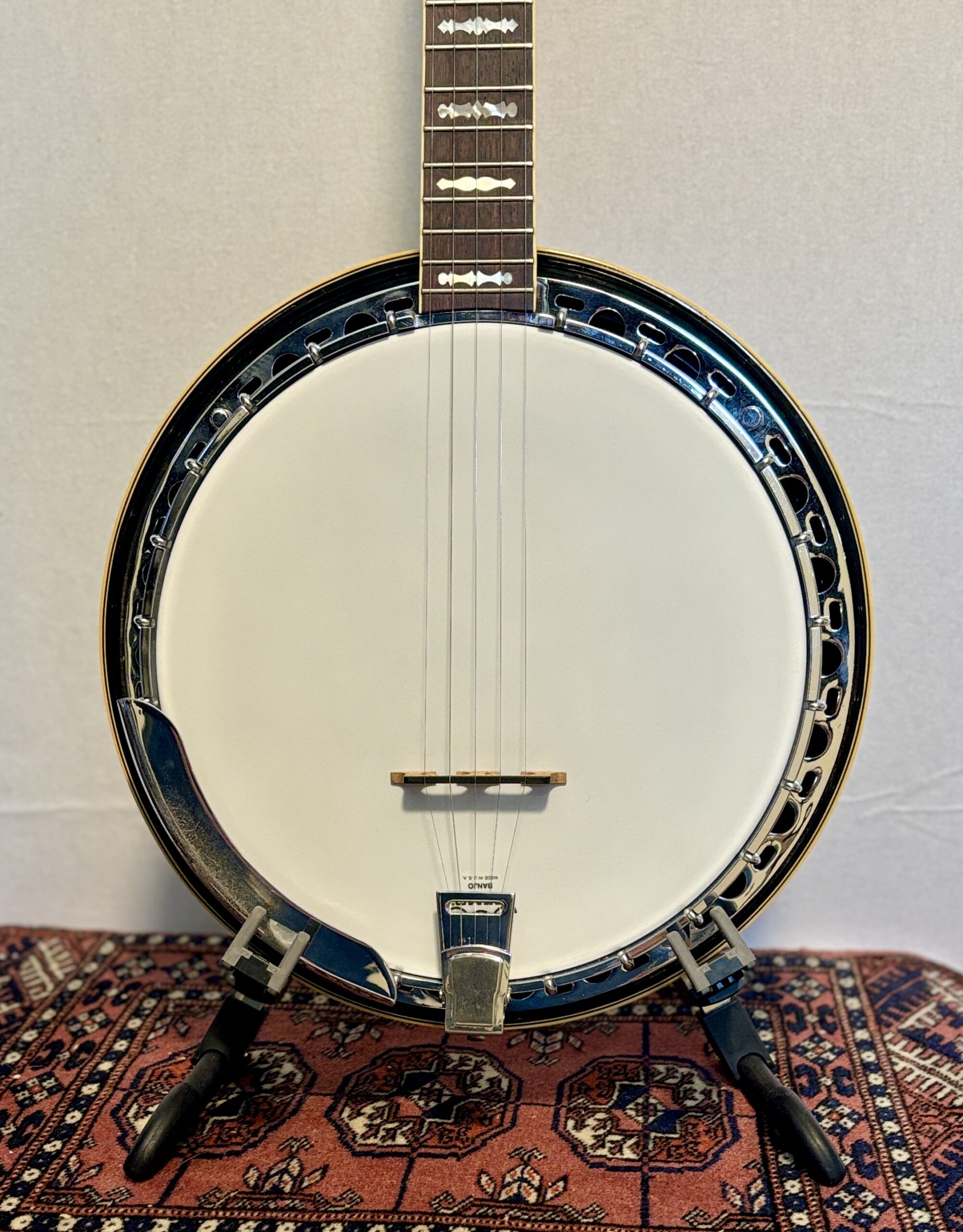
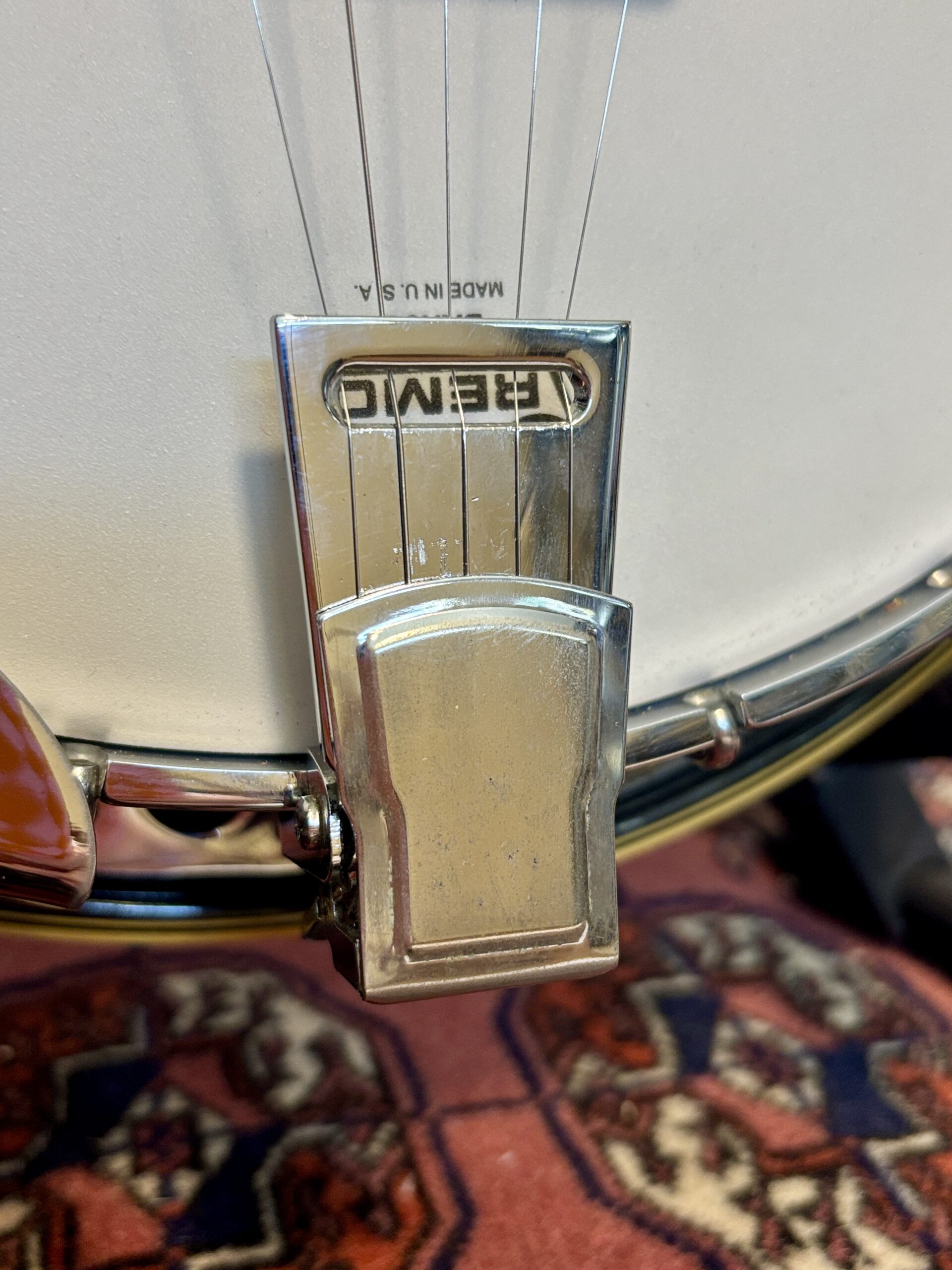
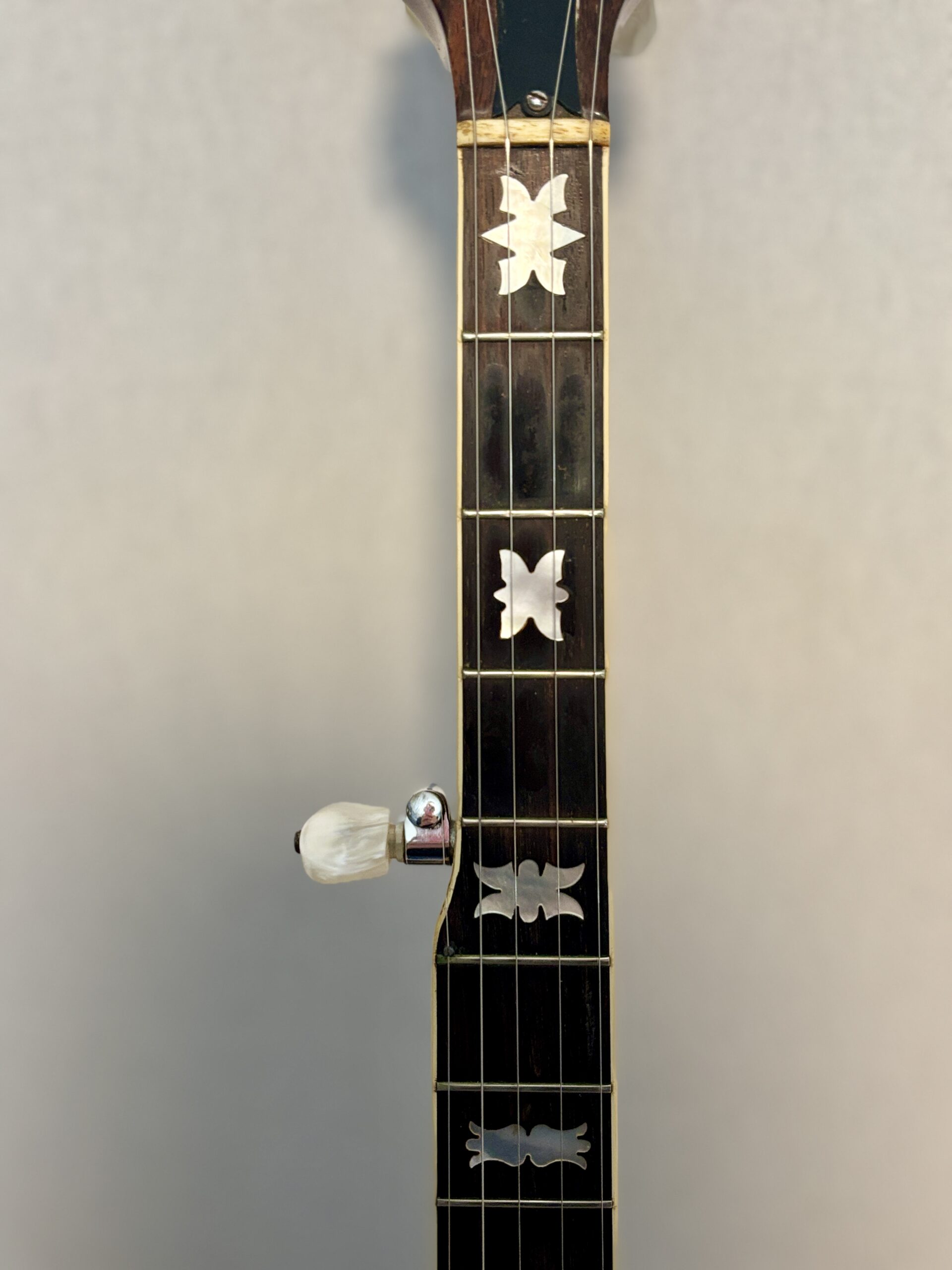
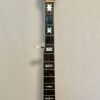
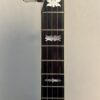
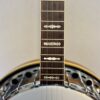
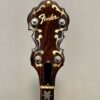
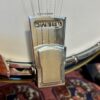
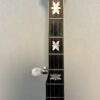
The peghead features the iconic Fender script logo surrounded by elaborate pearl scrollwork inlay. The rosewood fingerboard showcases beautiful pearl bowtie and bar inlays running the full length of the neck. Chrome-plated hardware throughout includes the one-piece flange, armrest, and tailpiece.
Serial Number: 00480
Condition: Excellent. Appears unplayed with perfect frets and pristine finish. Some light scratches on the resonator back are consistent with age. Some of the finish on the inside of the resonator has also chipped off.
Includes: hardshell case
About Banjo Warehouse
Local to Southwest Ohio? Stop by and try it in person. I’m located near the Dayton-Springfield-Xenia area. We’re also a short drive from the Dayton, Columbus, and Cincinnati airports.
Got questions? Call me directly at 404-218-8580 or email thebanjowarehouse@gmail.com. I’m always happy to discuss details or send additional photos.
Related Questions
What’s the difference between the Fender Artist and the Fender Leo?
The Fender Artist was made in California during the 1960s-70s after Fender acquired Salstrom, featuring a Gibson-style no-hole flathead tone ring and one-piece flange. The later Fender Leos were made in Japan during the 1980s to Gibson specs—excellent banjos at a fraction of the price, but without the American provenance and Salstrom heritage.
Are vintage Japanese banjos worth considering?
Absolutely. Japanese “Masterclone” banjos from the 1970s-80s often rivaled or exceeded American-made instruments from that era. Brands like Aria Pro II, Iida, and the Japan-made Fender Leos offer quality tone rings and construction at more accessible prices—great options if the Fender Artist is outside your budget.
How does the Fender Artist compare to a vintage Gibson?
The Fender Artist shares Gibson-style construction—no-hole flathead tone ring, one-piece flange, three-ply rim—which is why players like Vic Jordan and Eddie Adcock chose them over Gibsons in the 1960s. The walnut neck and resonator give the Artist a slightly different tonal character, with more cut and projection.
Related products

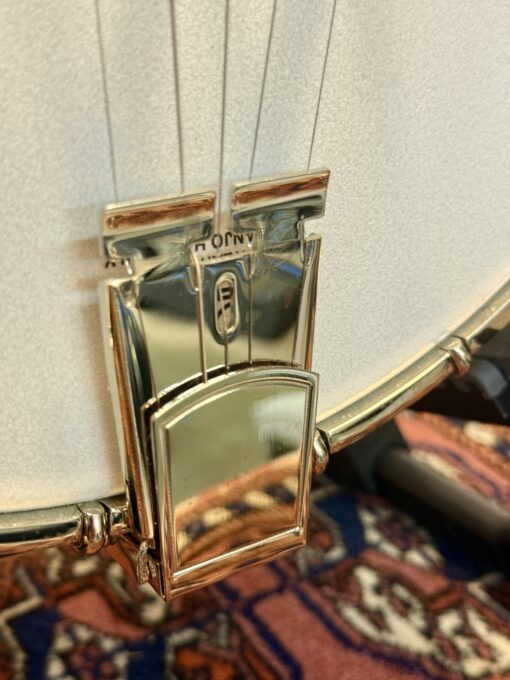
Brand new Gold Tone OB-3+ Orange Blossom "Twanger" featuring upgraded JLS tone ring, mahogany finish, chrome hardware, and archtop hardshell case. Banjo Warehouse exclusive.
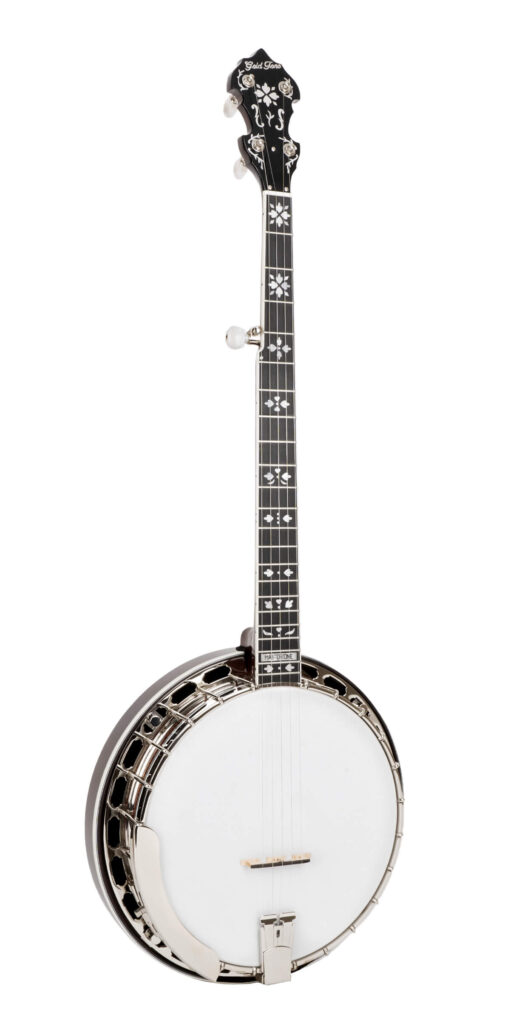
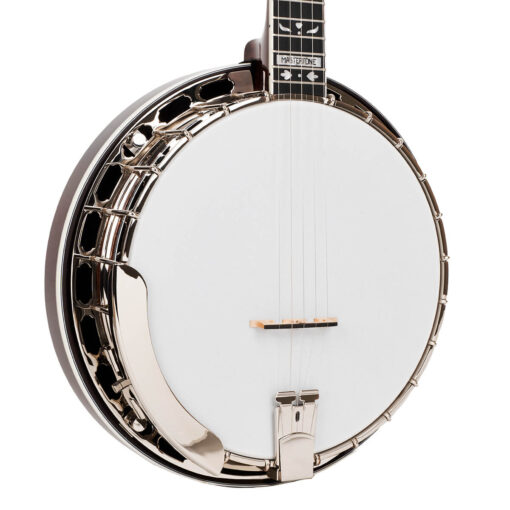
The double-cut headstock, combined with the Hearts-and-Flowers inlay pattern, says it all. The OB-Standard respects the GOAT Bluegrass banjoist, Earl Scruggs, who played this banjo style for many years.
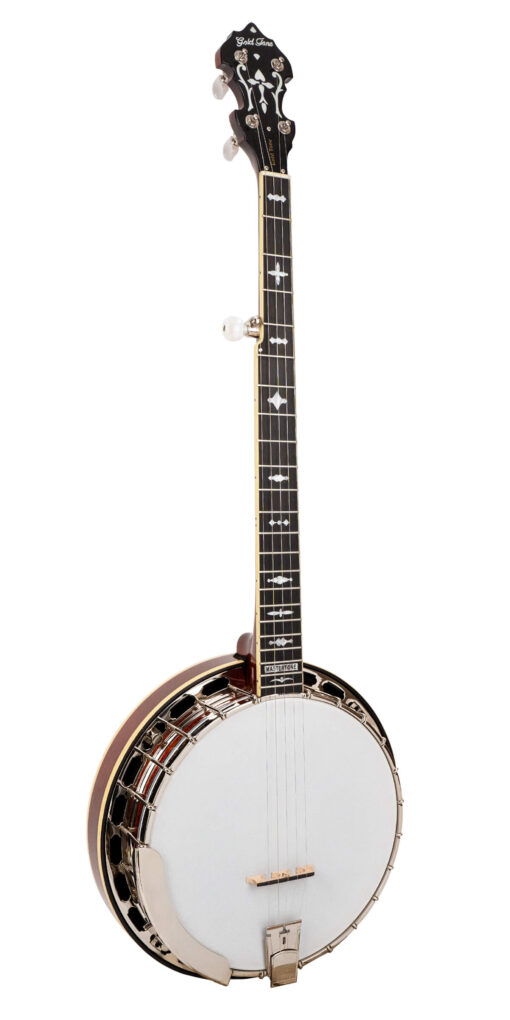
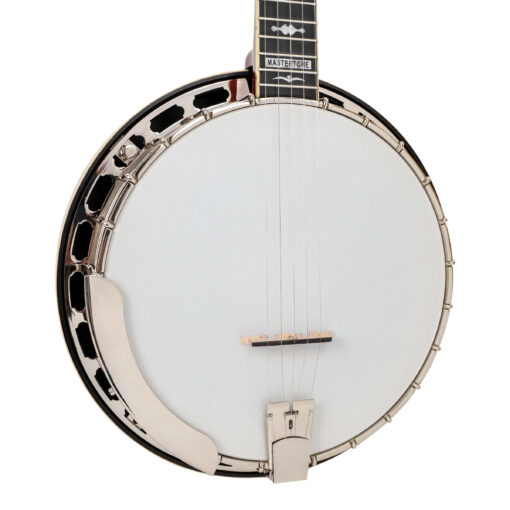
In late 2018, Jake Stogdill and Robby Boone had a concept for replicating one of the most iconic banjos, played by one of the most iconic banjo players of all time, JD Crowe's original RB-3 ("Banger"). After extensive research and great attention to every detail, Gold Tone was able to rebirth this classic banjo as the OB-3.
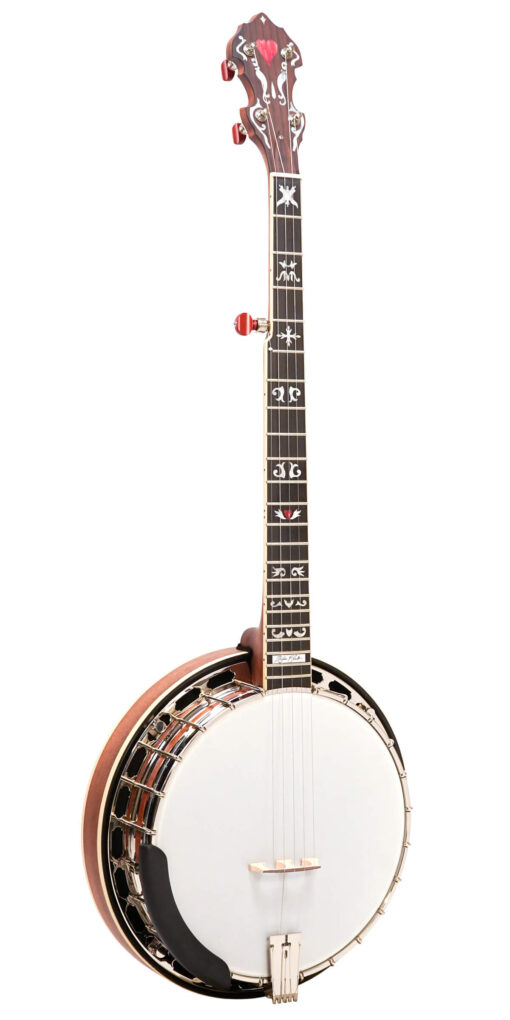
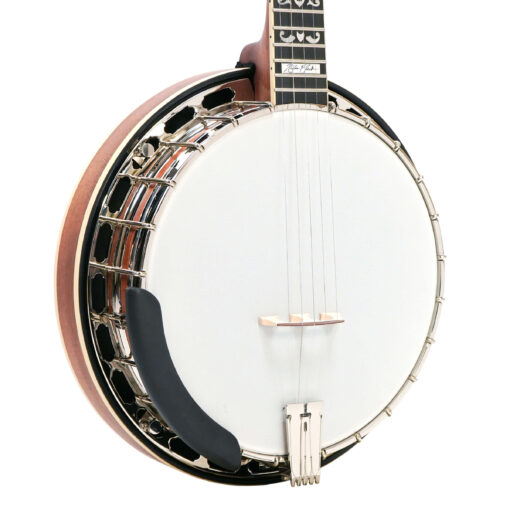
Left-handed Gold Tone Bluegrass Heart Béla Fleck Signature Banjo with no-hole bell bronze tone ring, mahogany neck, radiused ebony fingerboard with Flying Eagle red heart inlays, Rickard Cyclone 10:1 tuners with brass buttons, Prucha Presto tailpiece, and Little Mountain armrest. 11.5 lbs. Includes hardshell case, professional setup by our banjo tech Tara, and free shipping.
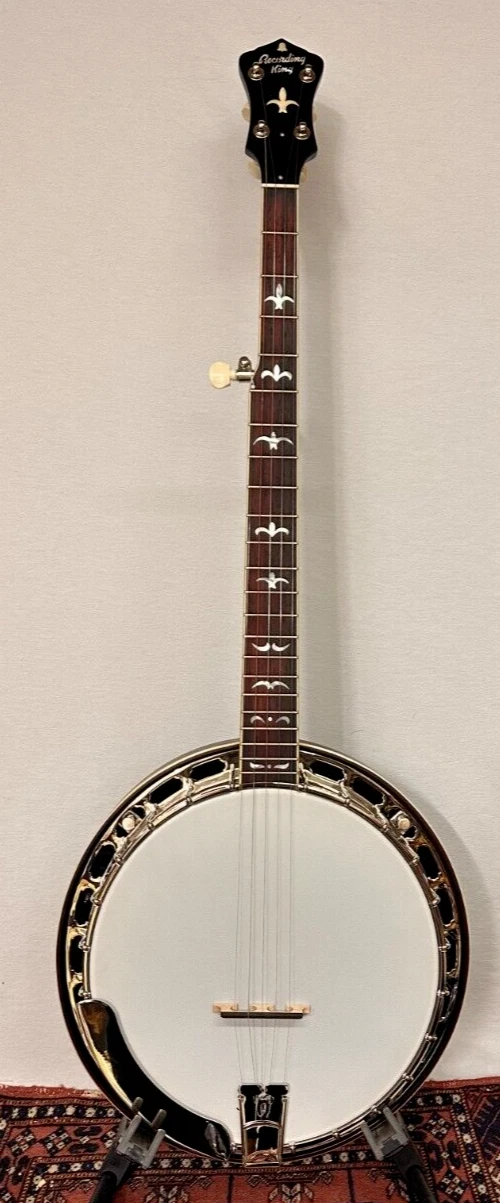
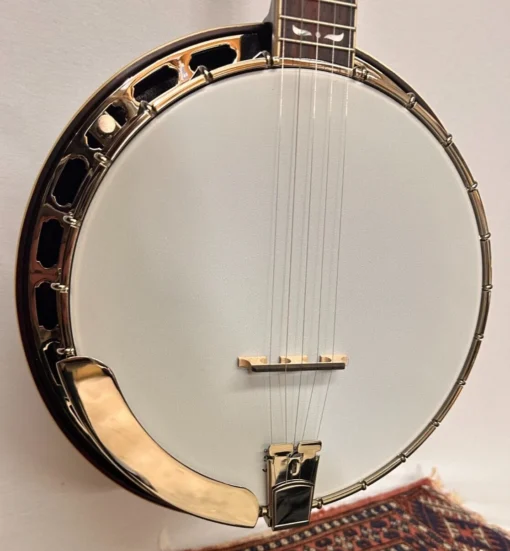
The Madison RK-R35 gives banjo players a high-quality, great-sounding banjo with a classic Mastertone-style bell brass cast tone ring and one-piece flange. The Recording King Madison RK-R35 is built around the Recordking King 3-ply steam bent maple rim, using the same rim and hardware as in the best-selling RK-ELITE-75 (a $2000 banjo).
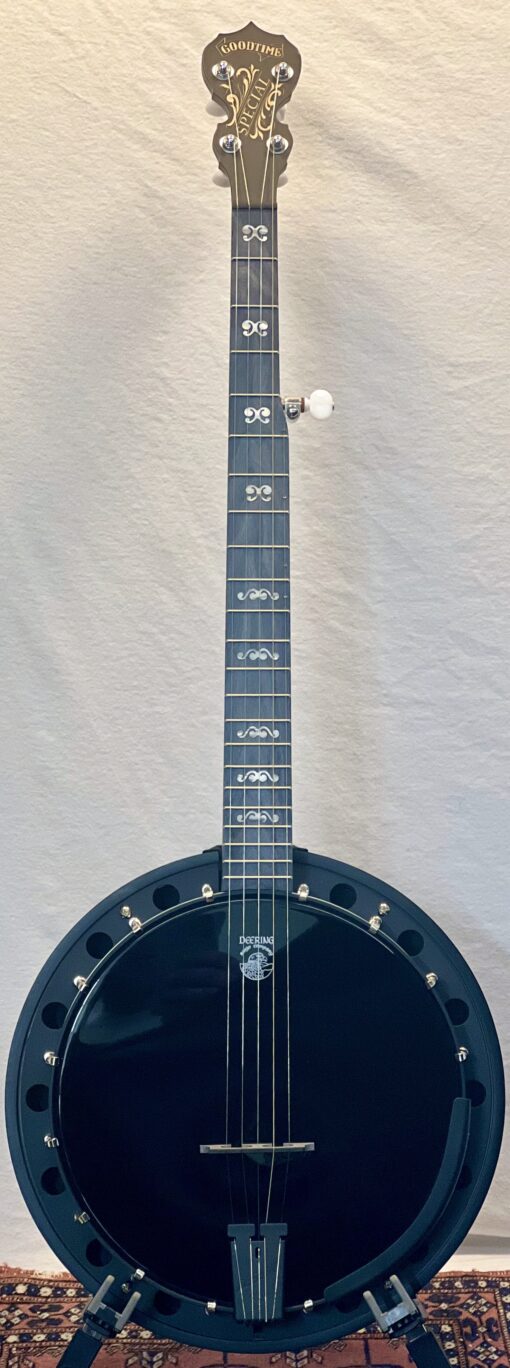
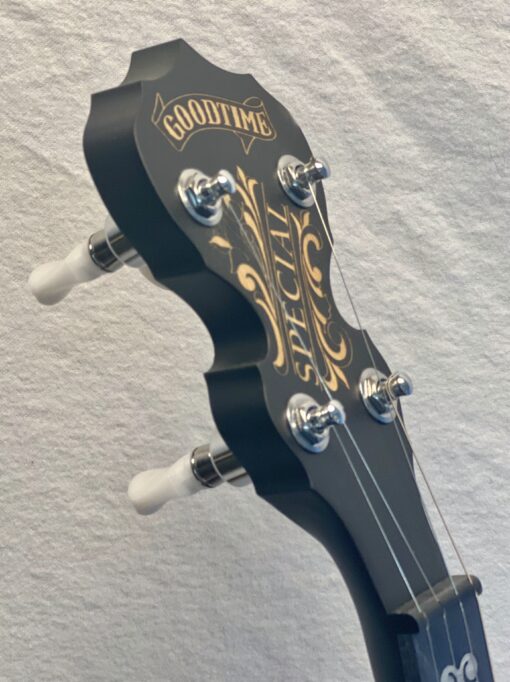
Left-handed Deering Goodtime Blackgrass Special with patented steel tone ring, midnight maple fingerboard, matte black hardware, and spikes at 7, 9, and 10. Only 6 lbs. Includes free Carrion hardshell case, professional setup by our banjo tech Tara, and free shipping. Authorized Deering dealer.
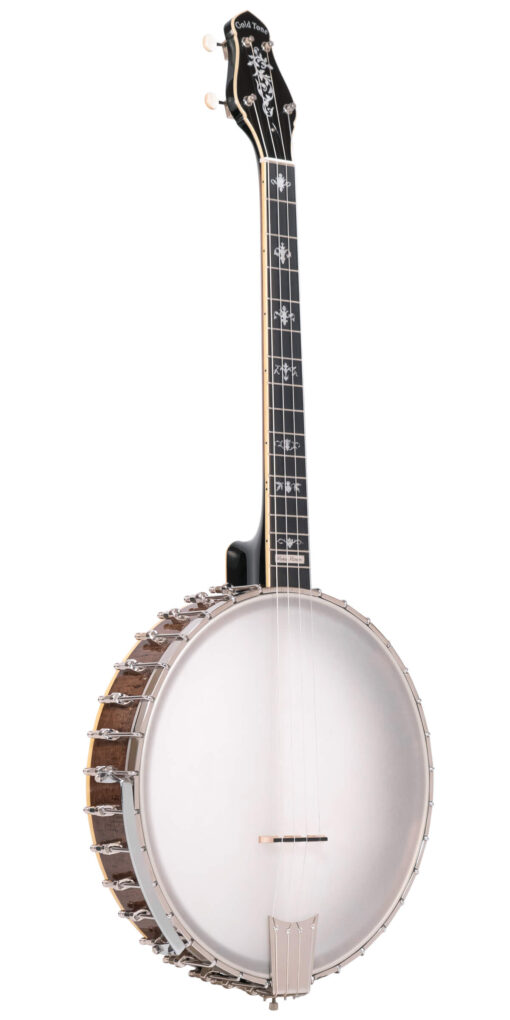
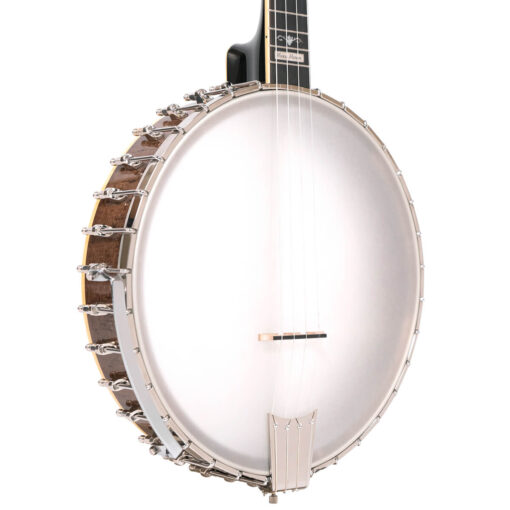
The Gold Tone CEB-4 is a piece of banjo history brought back to life. Cello banjos were once a staple of early twentieth century banjo orchestras and clubs, but they had essentially disappeared by 1930. Gold Tone partnered with the legendary Marcy Marxer to revive this fascinating instrument, and the result is something truly special. [...]
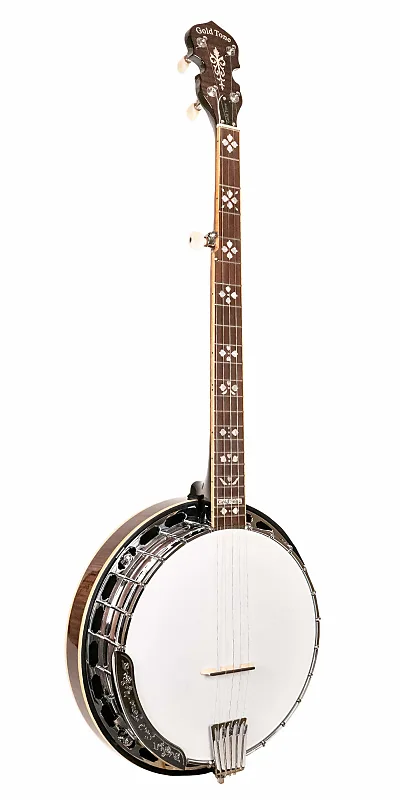

The ultimate combination of vintage tone and modern craftsmanship. This OB-250+TP features the legendary JLS #12 long-skirt tone ring - the result of years spent analyzing pre-WWII tone rings to recreate that coveted bronze alloy formula. Paired with the phenomenal Made in America Companion Banjo birch block rim, you get explosive power, clarity, and sustain that rivals banjos costing three times as much. Hearts and flowers inlays, engraved flange, and sunburst resonator complete this stunning professional instrument. Includes hard shell case and expert setup.