
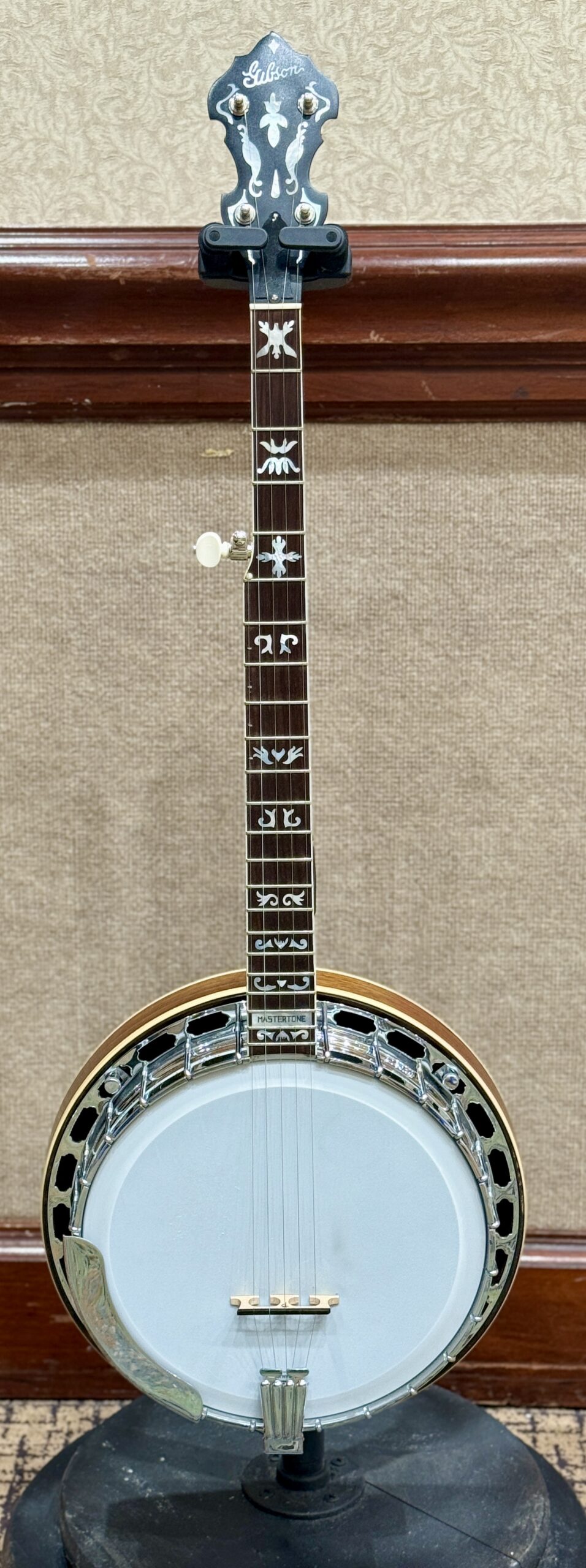
Gibson TB-4 Archtop 5-String Conversion 1930 Mastertone #9554-45 – All Original Hardware
$ 9,999.99
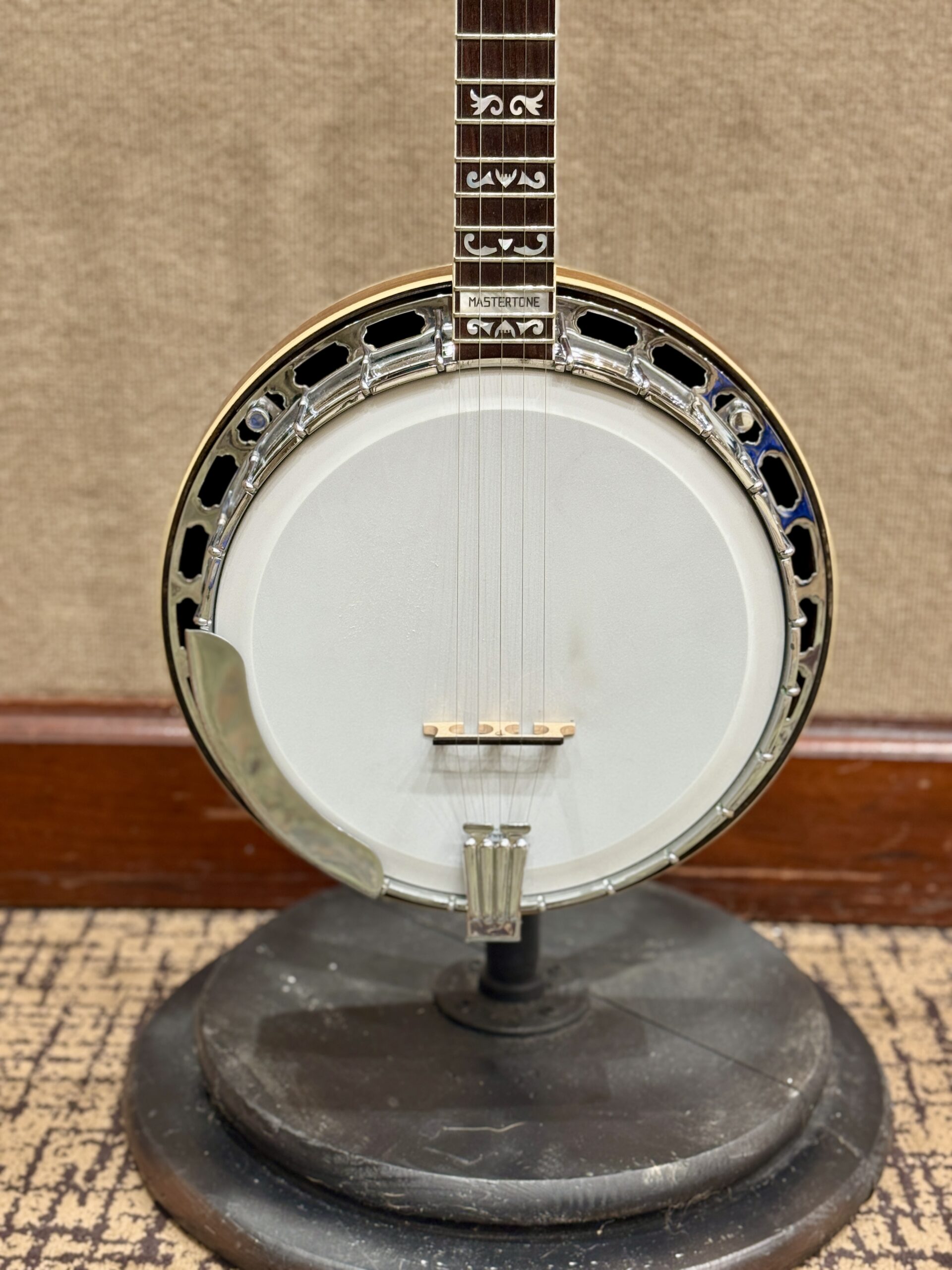
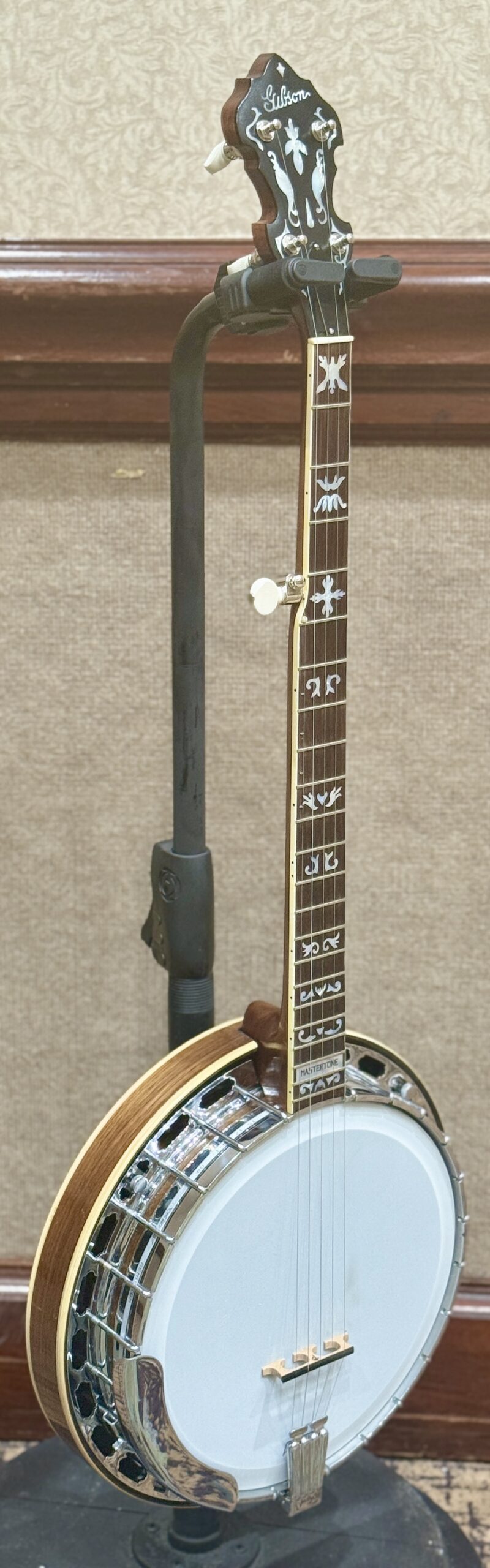
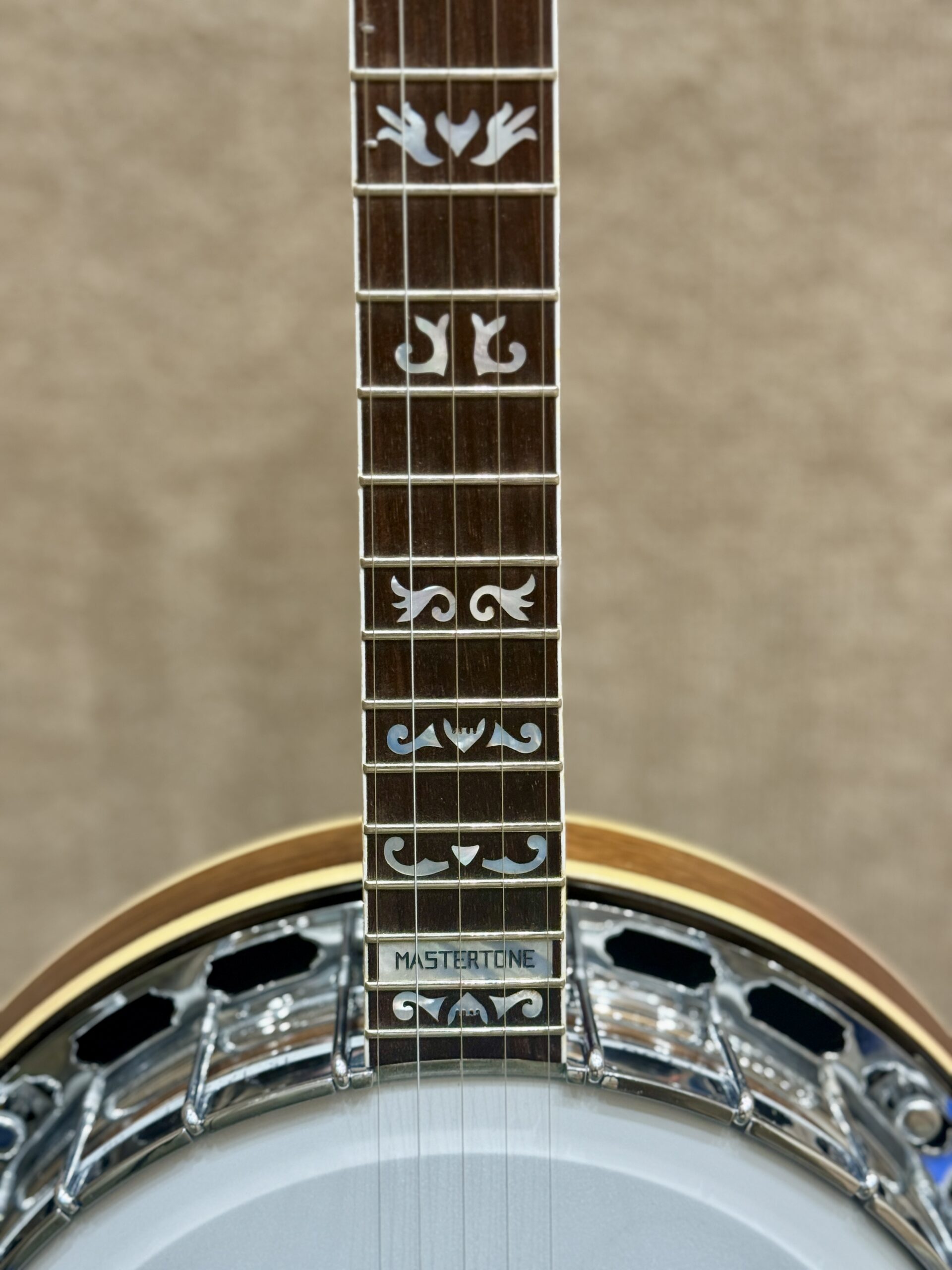
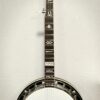
1930 Gibson TB-4 Mastertone archtop conversion with all original hardware. Serial #9554-45 places this squarely in Gibson’s golden era of Mastertone production. Original rim, one-piece flange, original archtop tone ring, flying eagle inlays. Professional 5-string neck. Includes hardshell case.
In stock
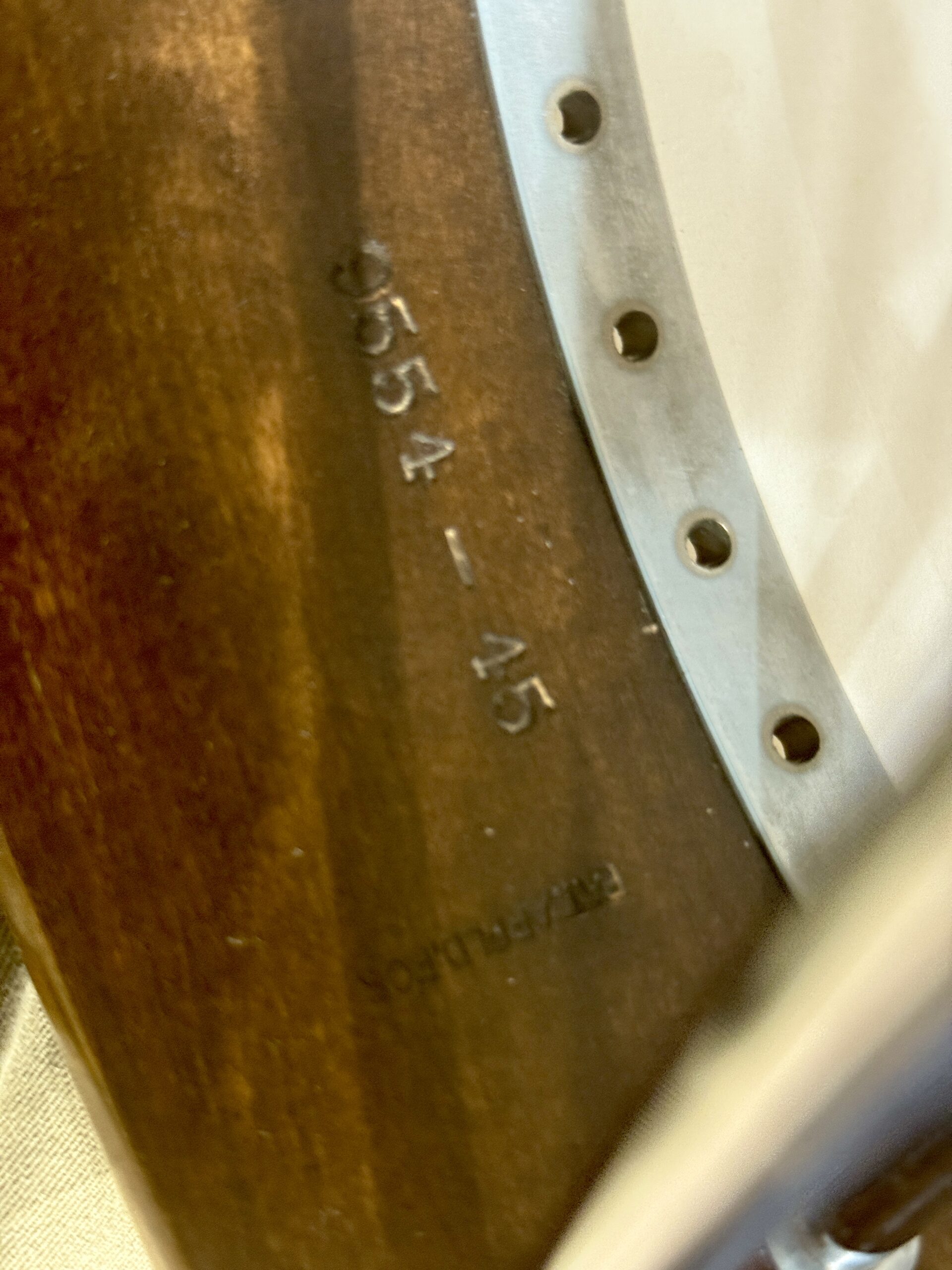
Serial number 9554-45 places this squarely in Gibson‘s golden era of Mastertone production. This TB-4 came off the line in Kalamazoo in 1930.
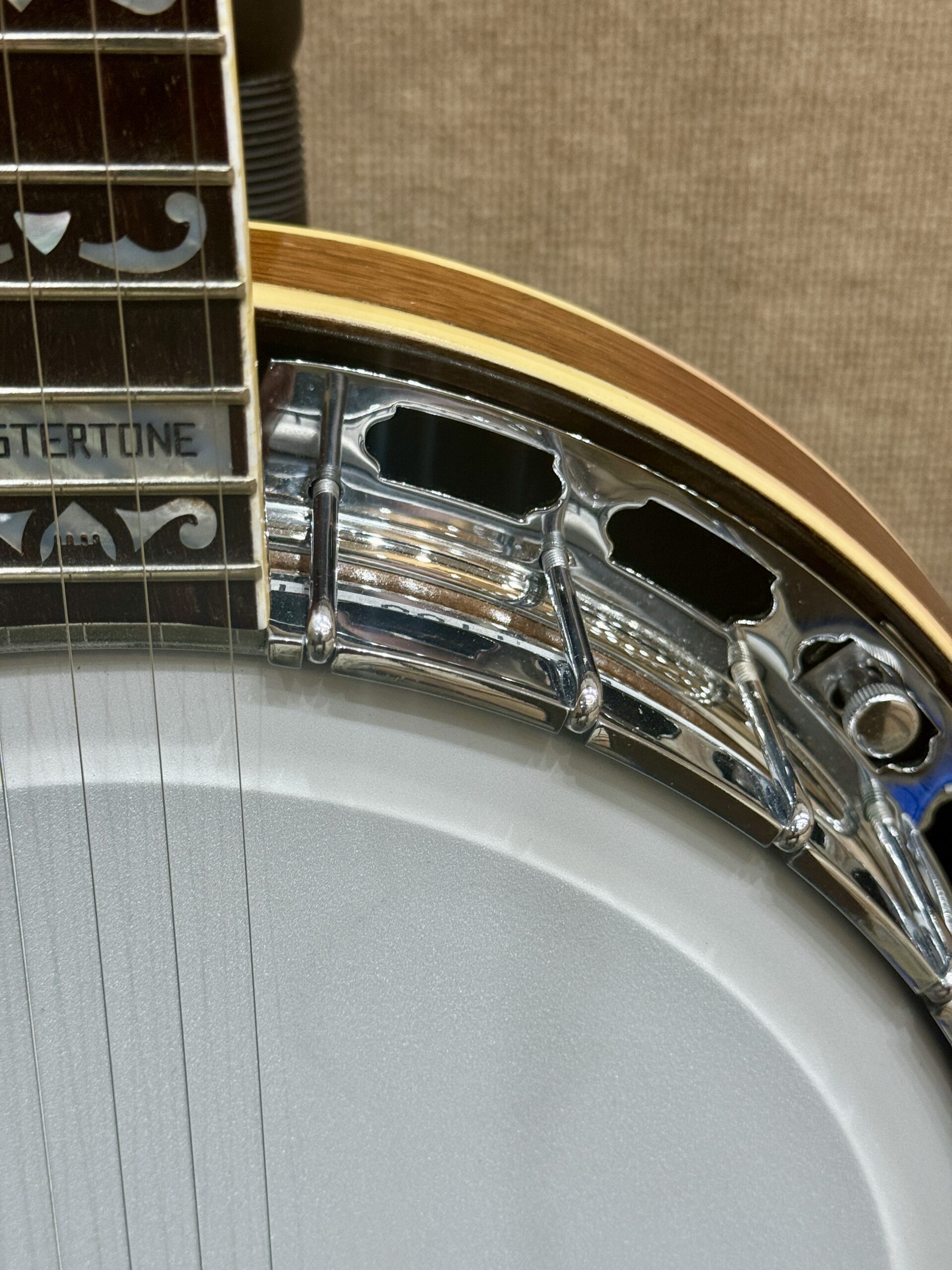
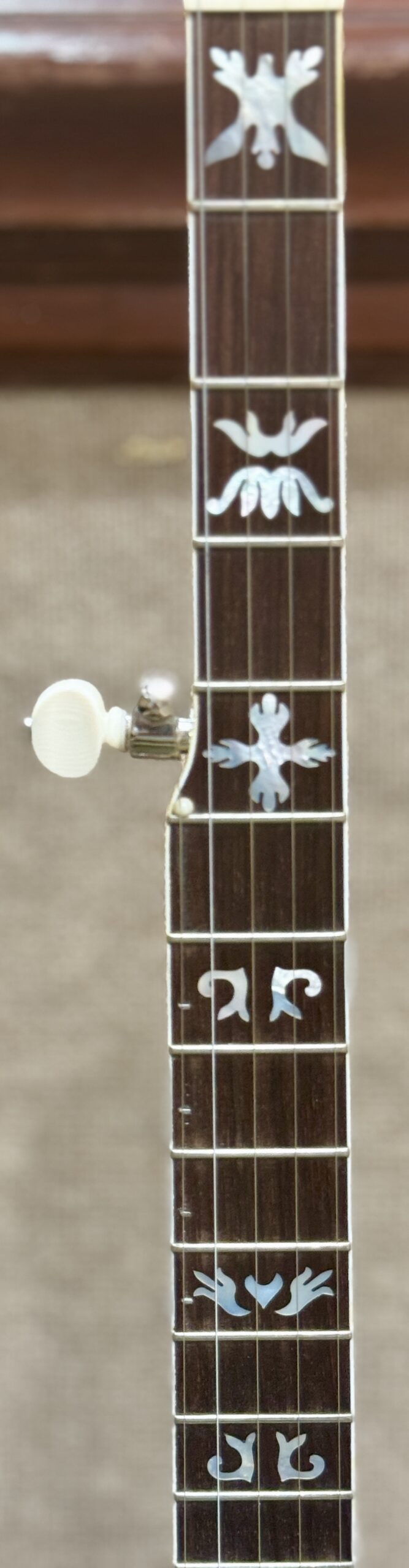
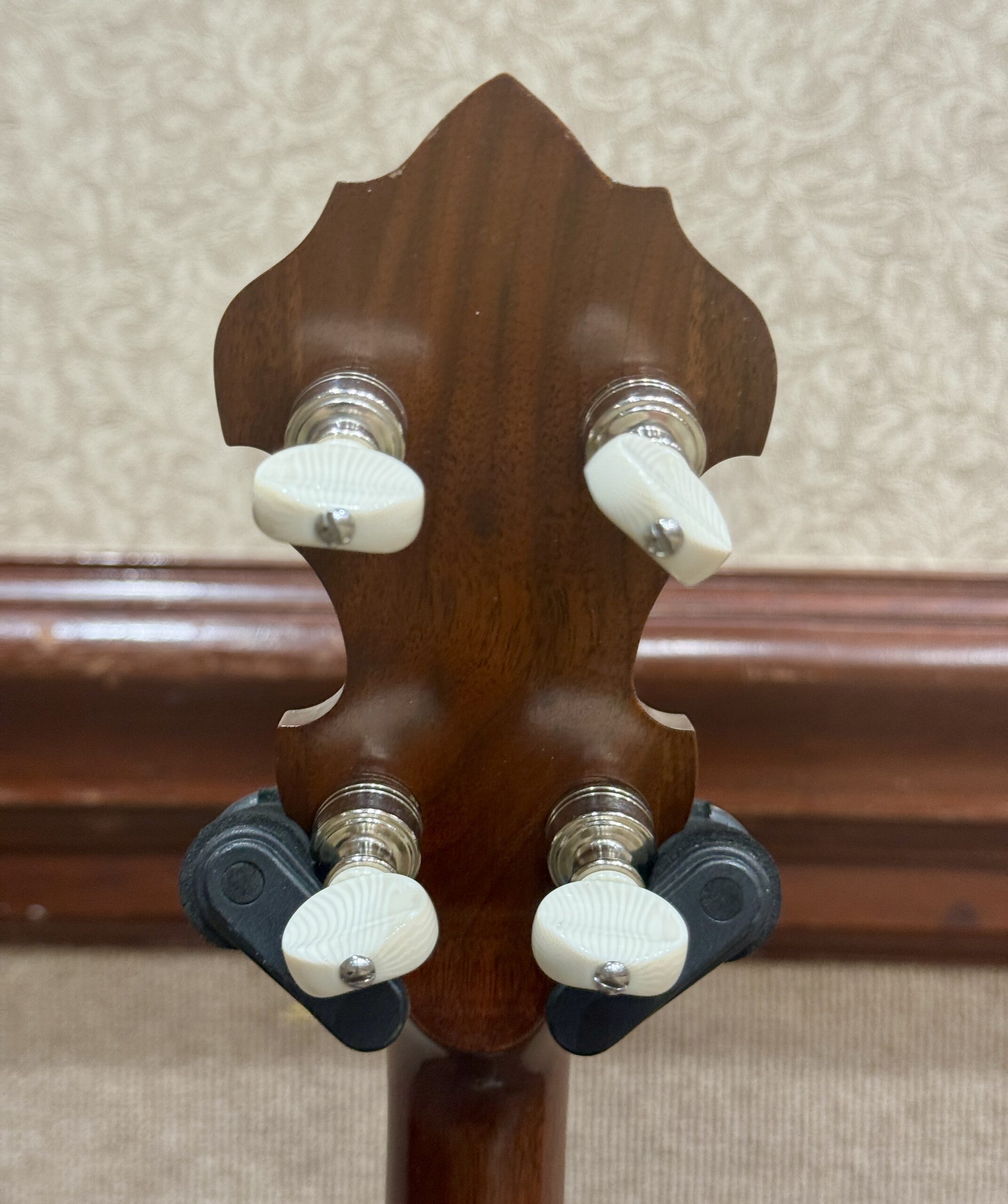
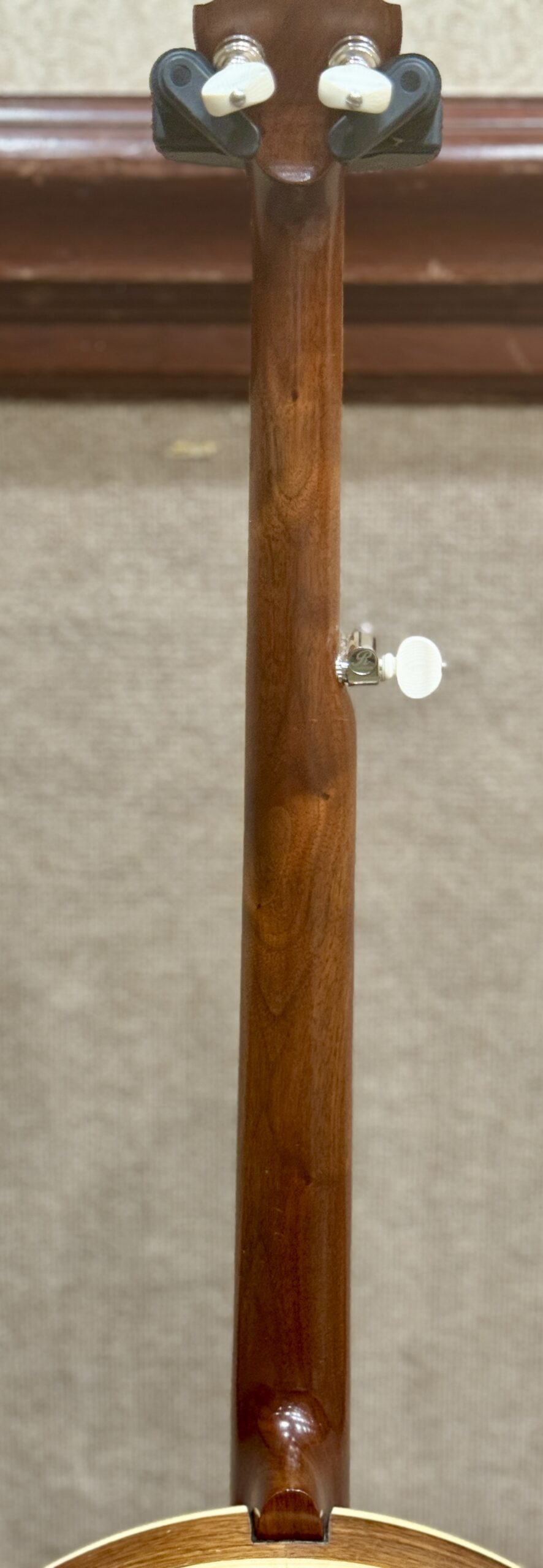
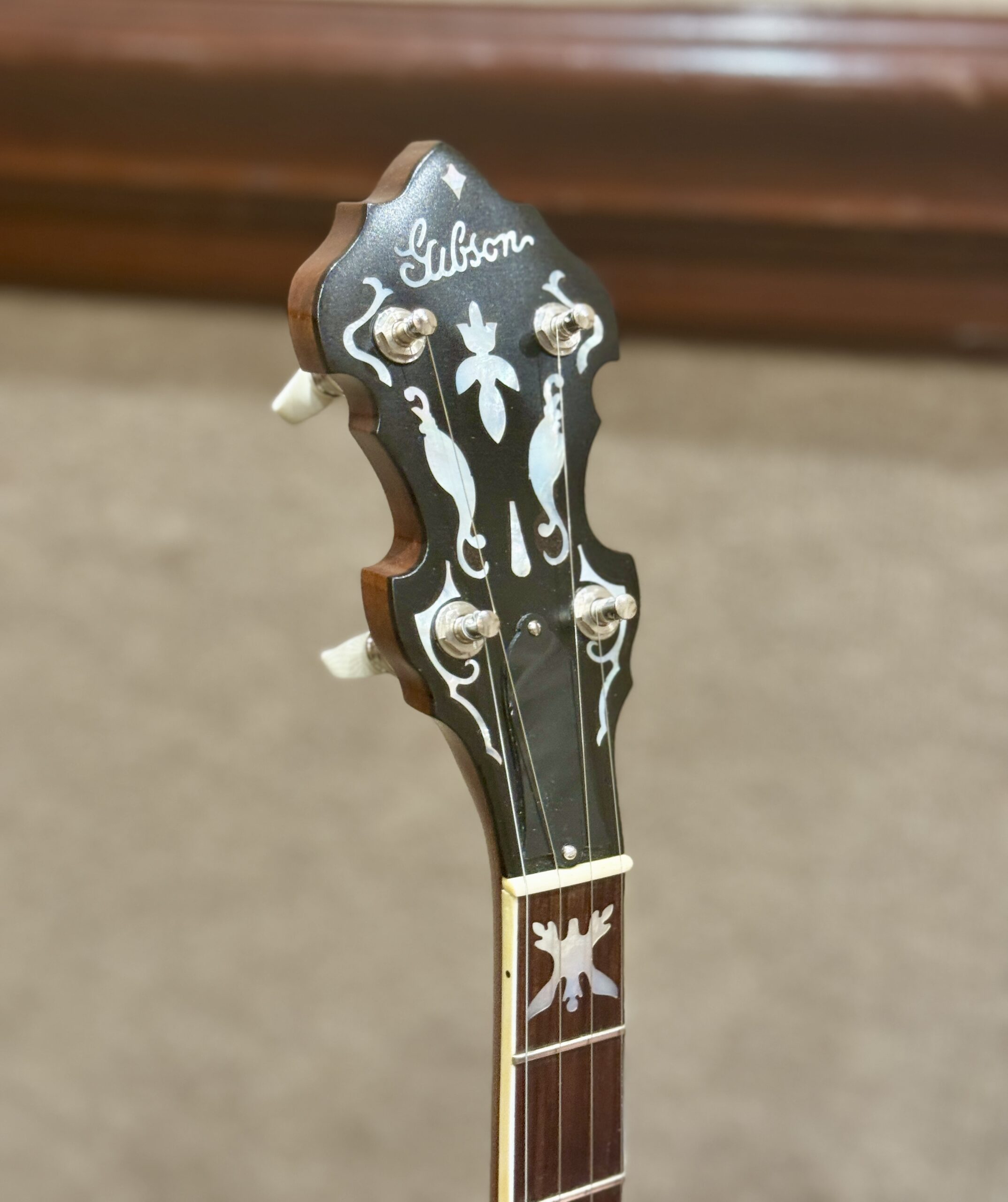
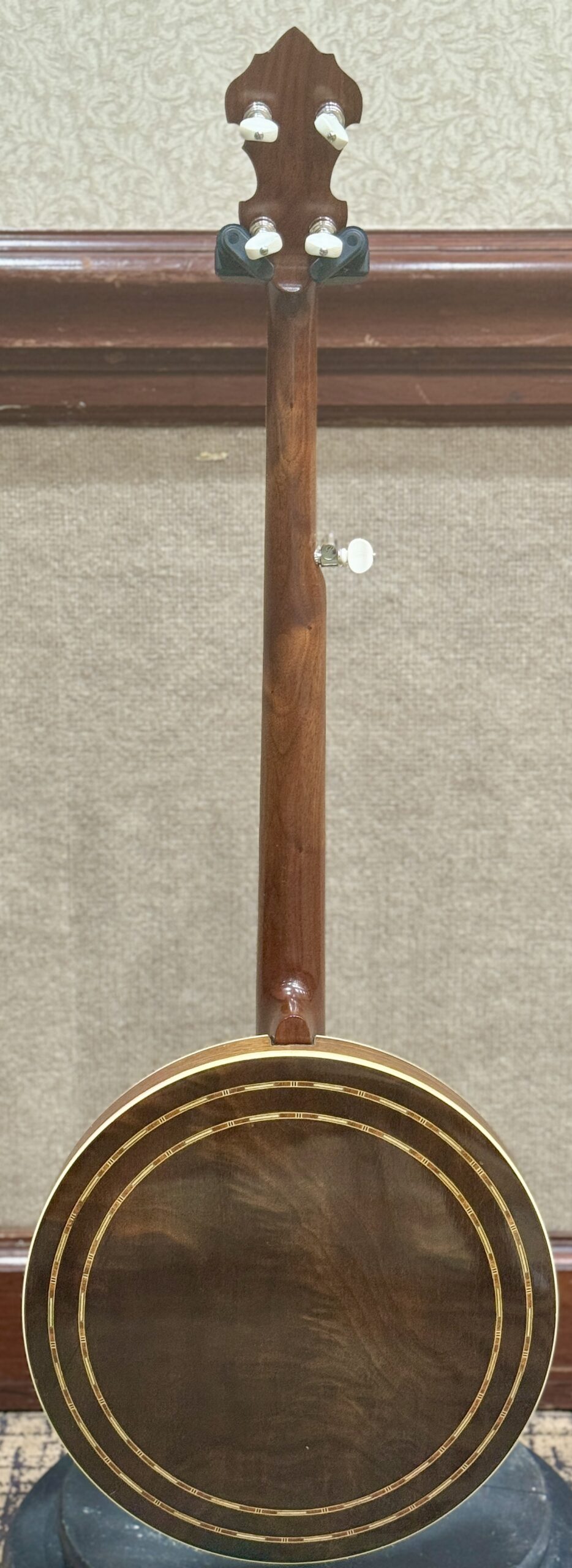
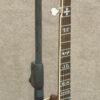
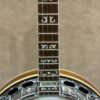
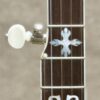
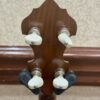
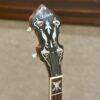
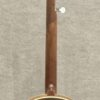
This is a tenor-to-5-string conversion, and whoever did the neck work knew exactly what they were doing. The neck is a high-quality replacement that plays beautifully, with flying eagle inlays running up a rosewood fingerboard and a Mastertone block at the 22nd fret. The peghead retains that classic Gibson fiddle shape.
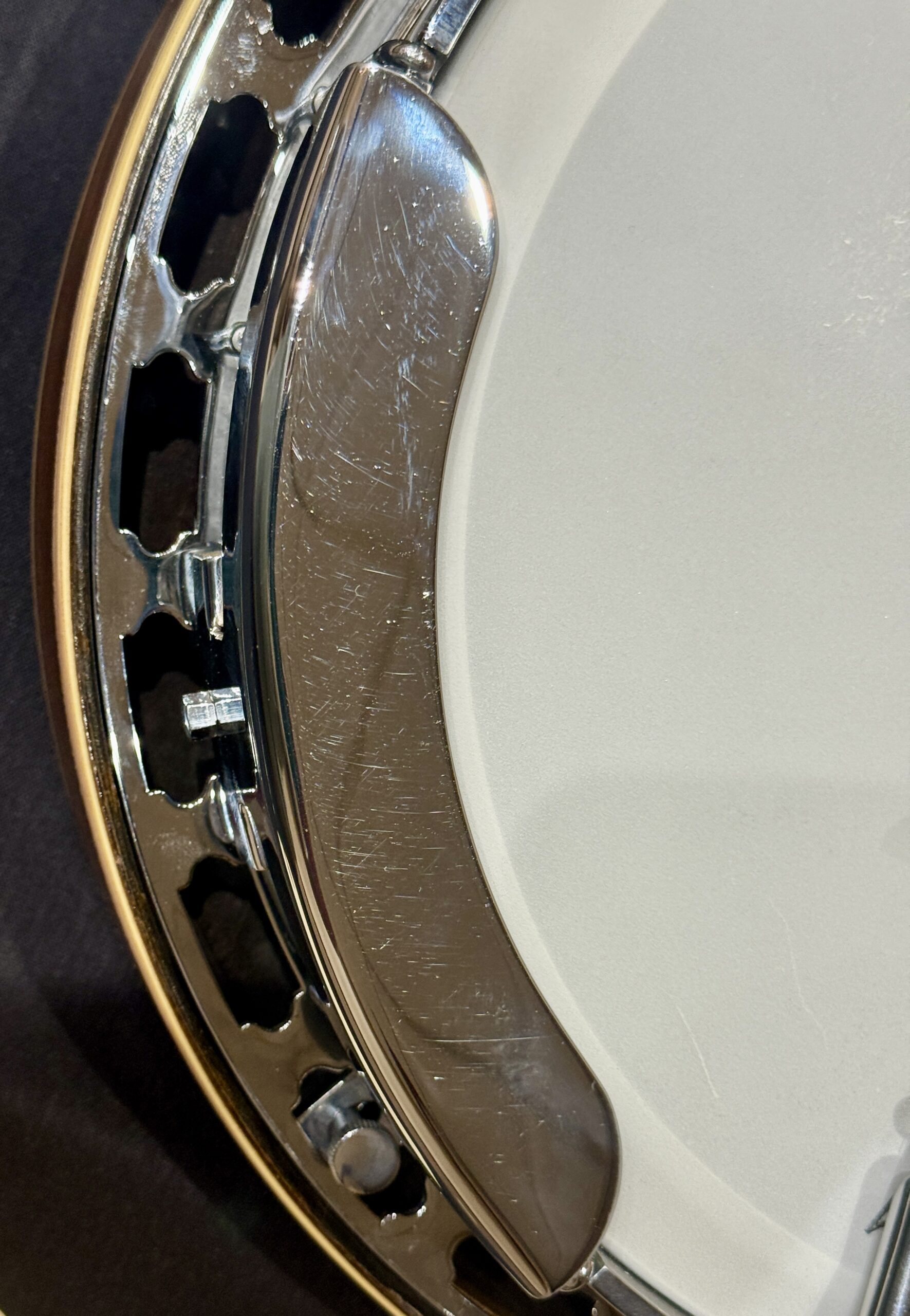
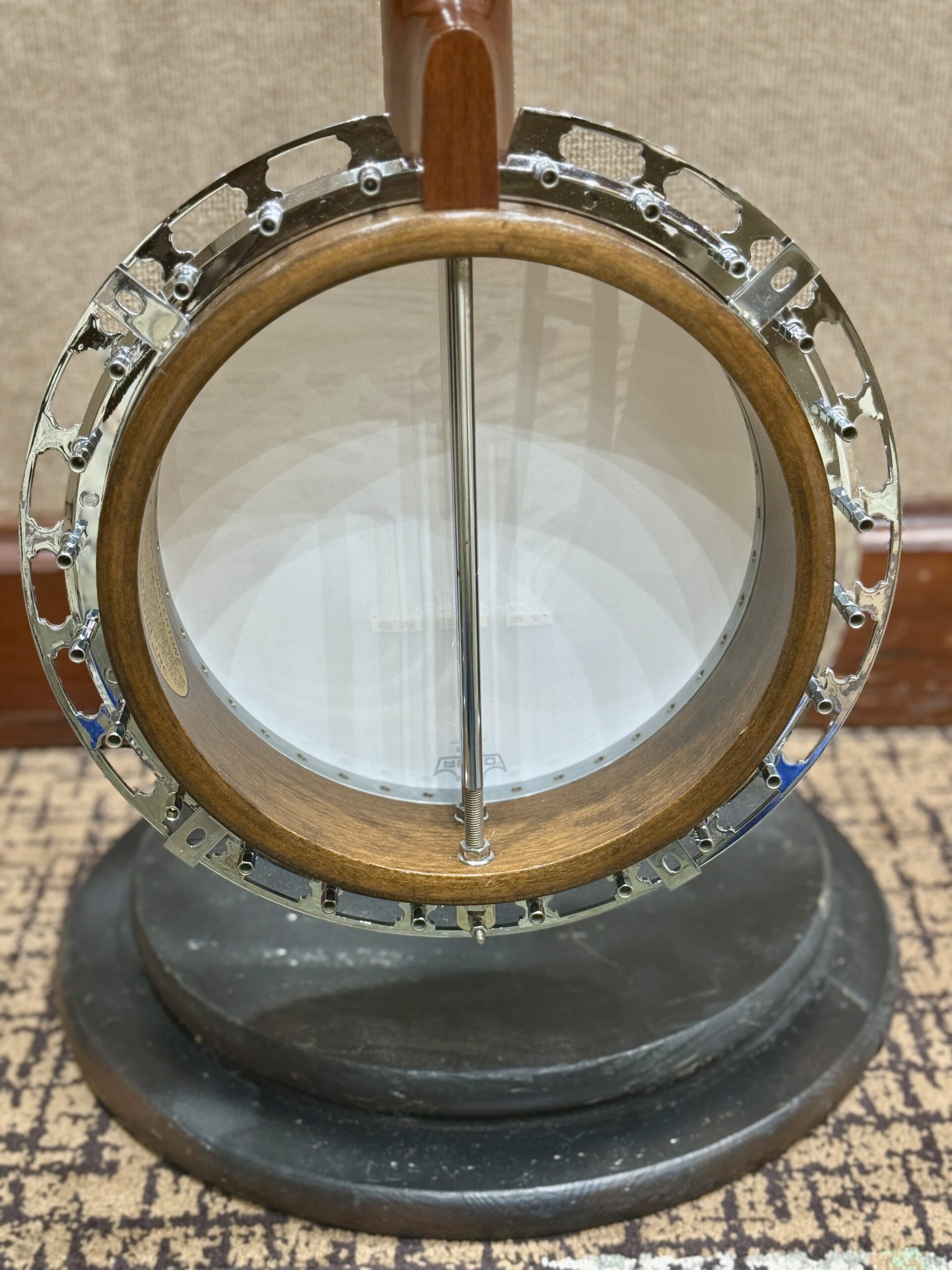
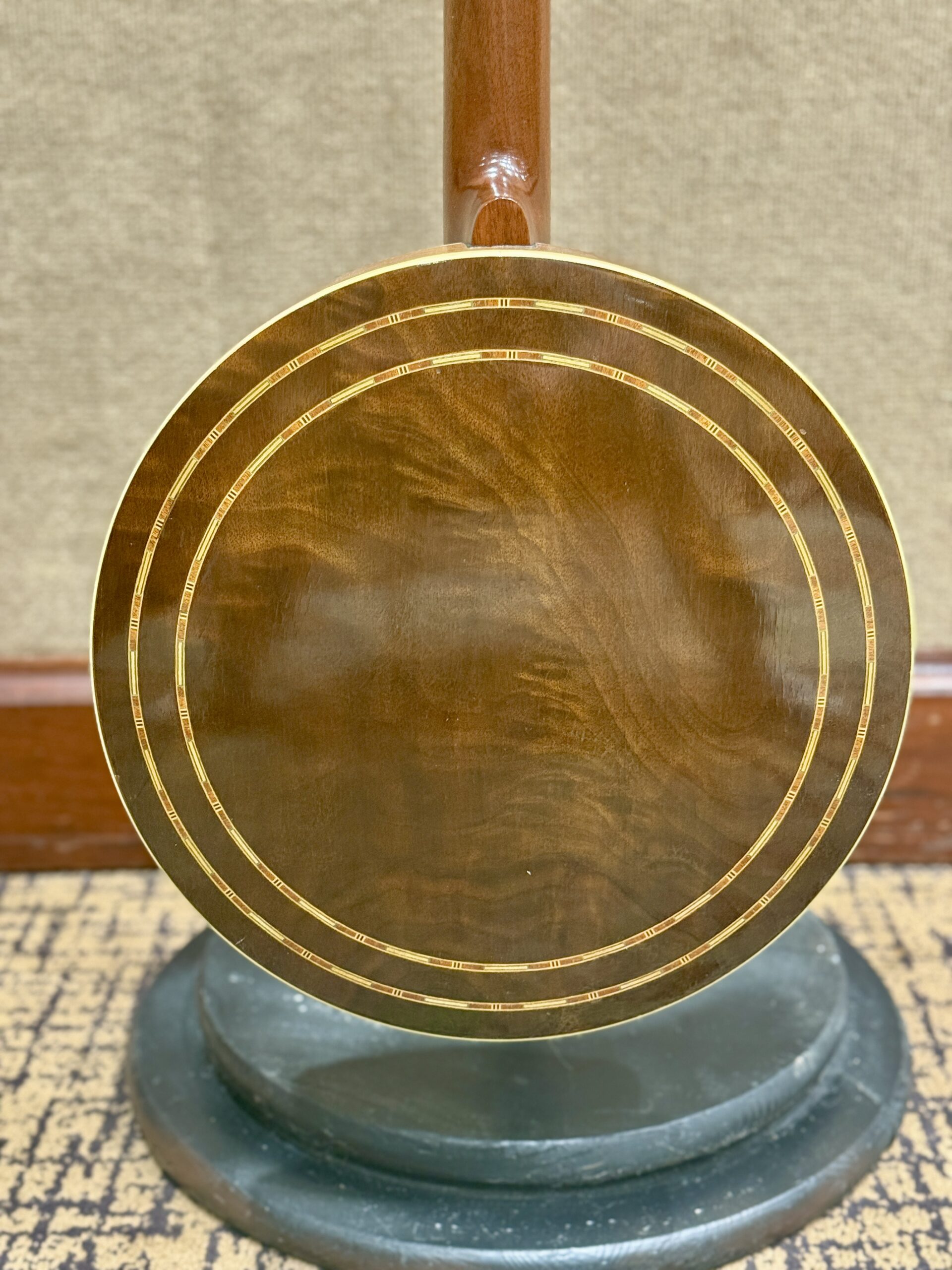
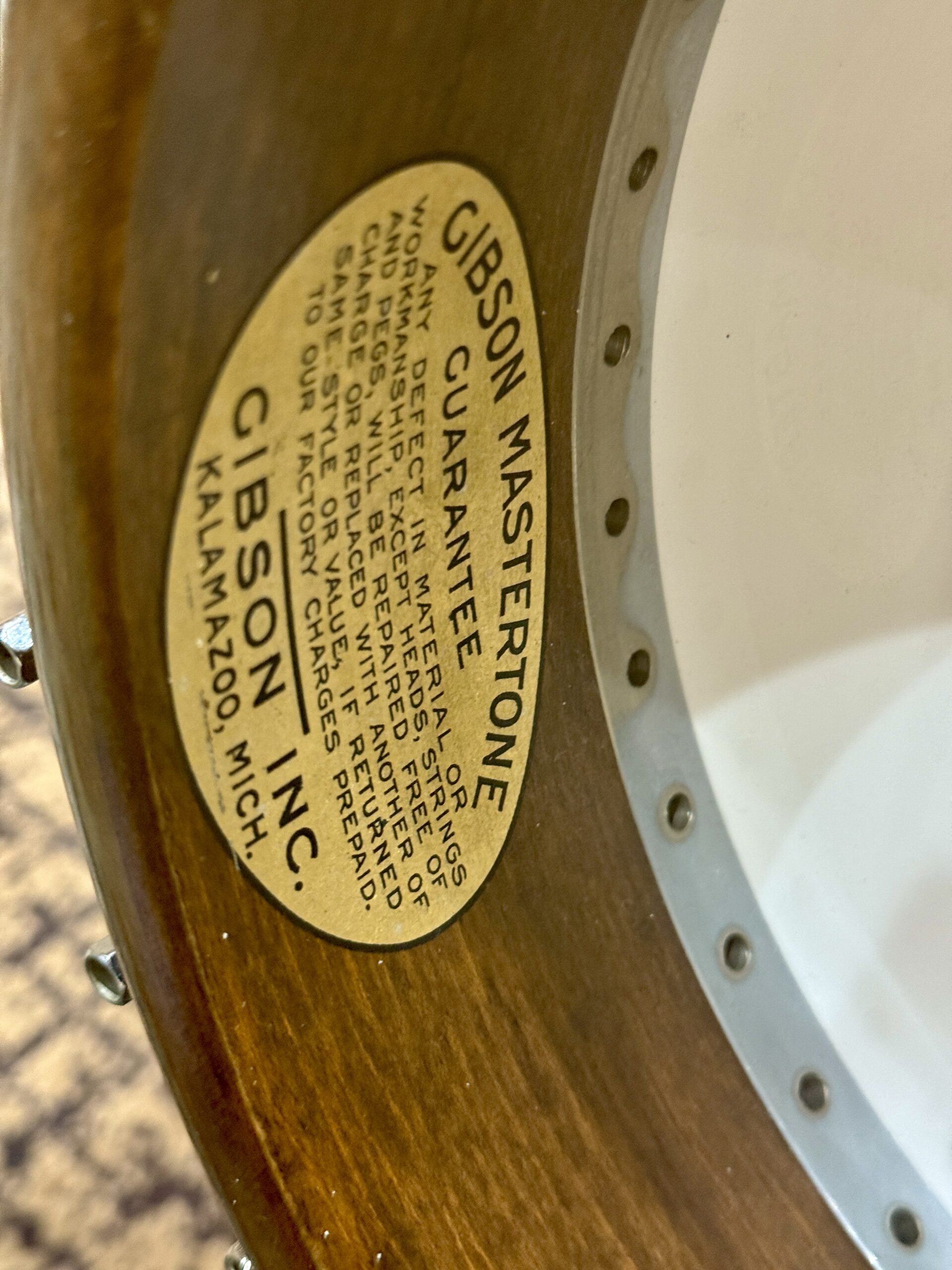
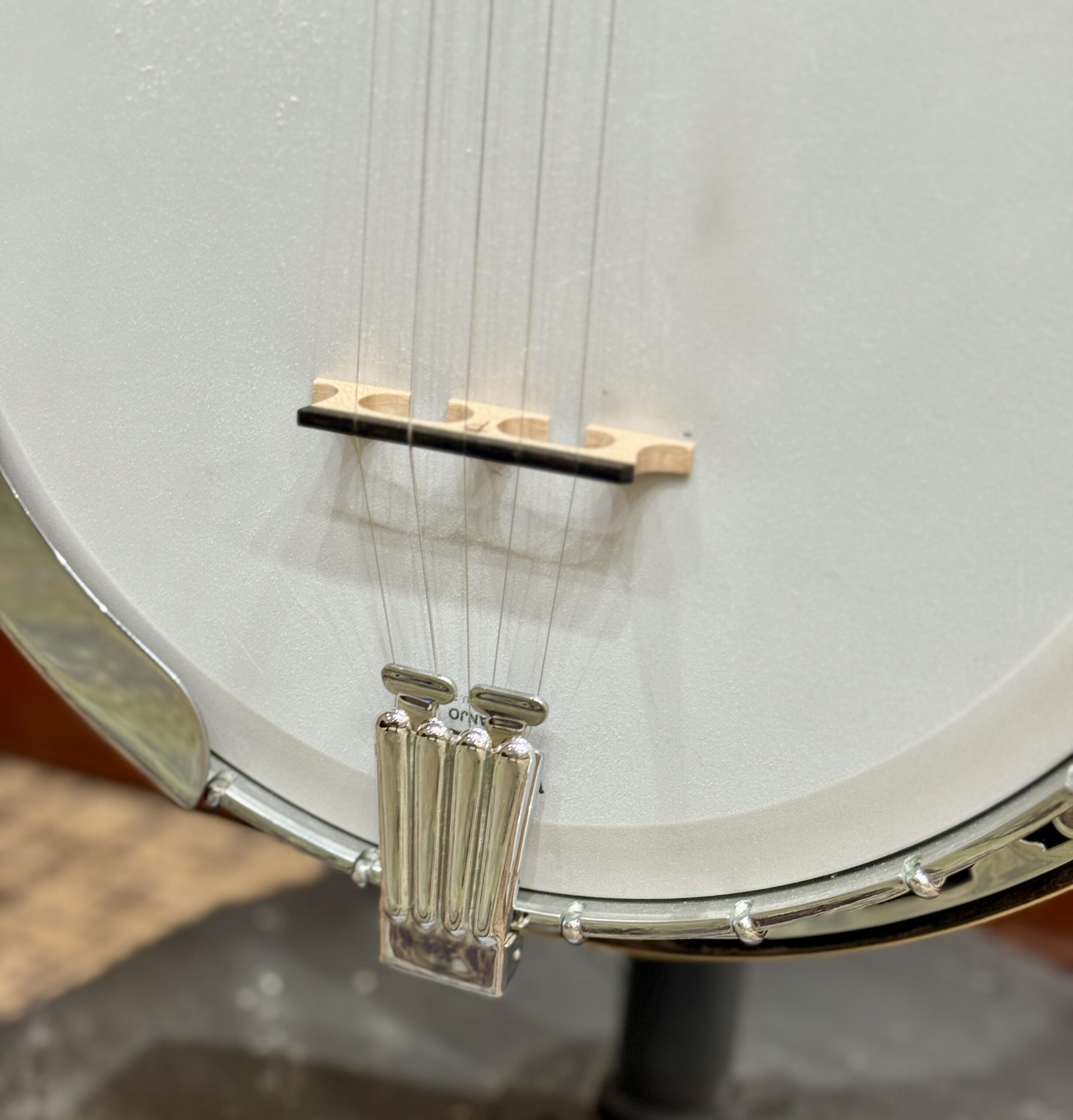
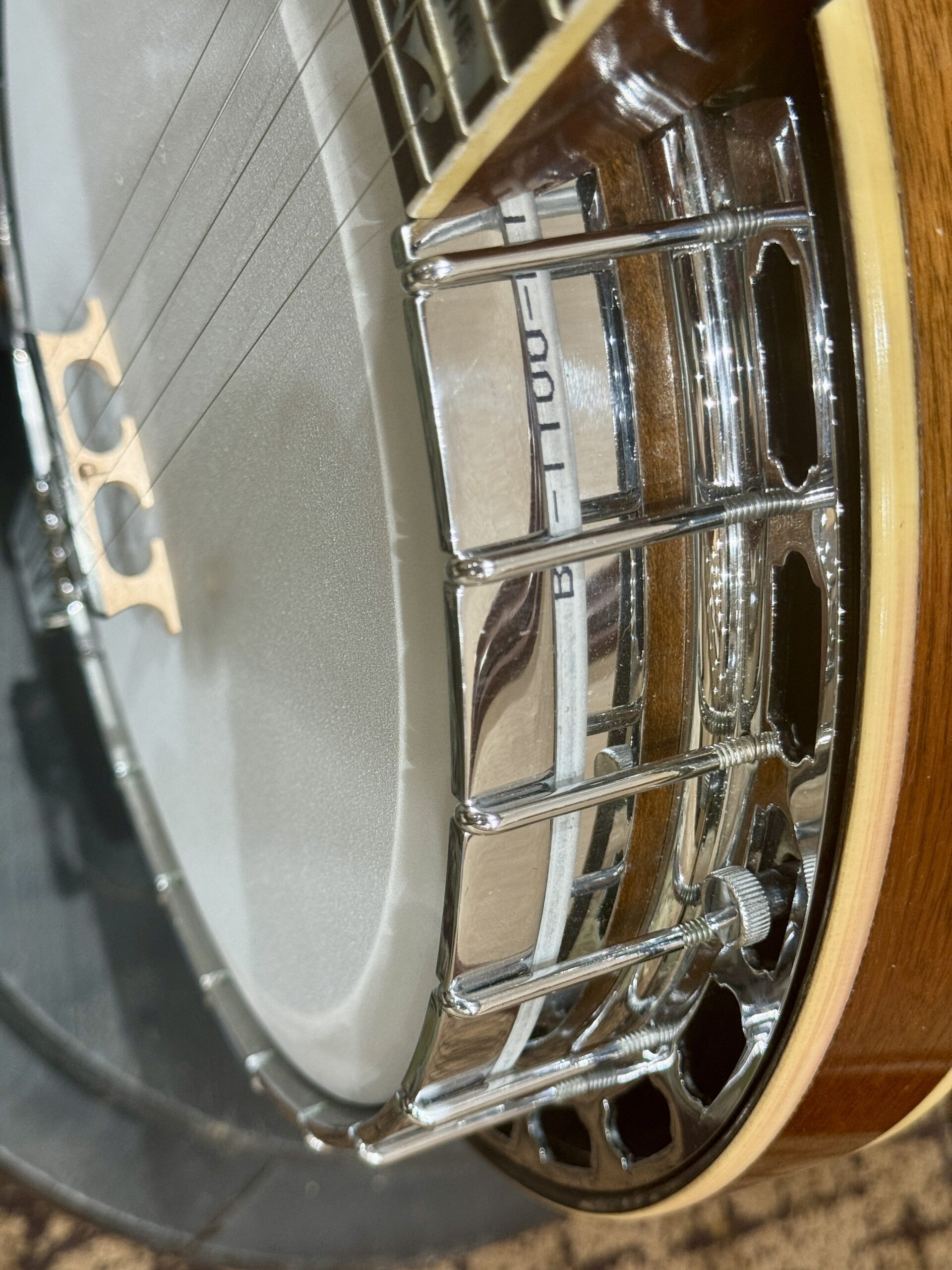
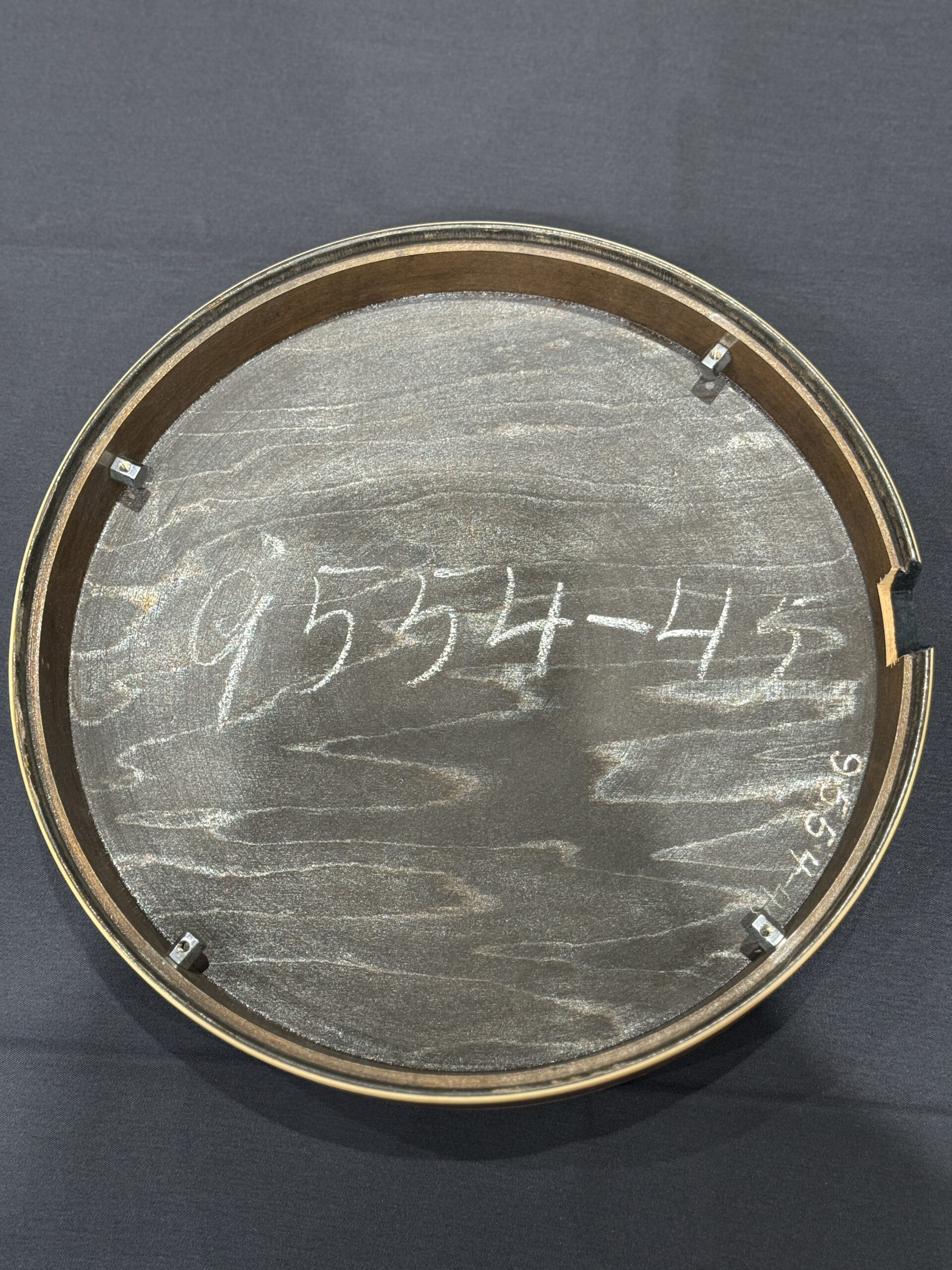
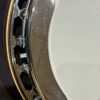
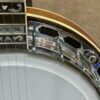
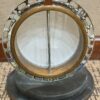
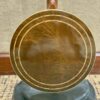
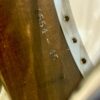
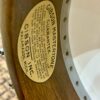
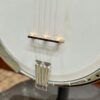
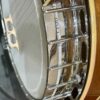
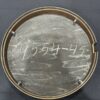
Here’s what matters: all the original hardware is intact. Original rim. One-piece flange. Original archtop tone ring. Chrome-plated armrest, tailpiece, and tension hoop. The resonator is walnut with those gorgeous multi-ply decorative binding rings. Inside you’ll find the original Gibson Mastertone Guarantee label from Kalamazoo, Michigan, and the serial number stamped on the rim and chalk-written inside the resonator back—exactly as it left the factory 95 years ago.
The condition is excellent for its age. There’s some wear on the resonator from decades of being played and loved, but that’s exactly what you want to see on an instrument like this. It’s been a working musician’s banjo, not a wall hanger.
The archtop tone ring gives this one a distinctive voice—warm, round, with that pre-war complexity that modern banjos chase but rarely catch. If you’re looking for that classic 1930s sound without the flathead price tag, this is your banjo.
Comes with a modern, high-quality hardshell case.
Don’t let this one get away.
Related Questions
What’s the difference between archtop and flathead tone rings?
Archtop tone rings produce a warmer, rounder tone with more midrange complexity. Flathead tone rings—the holy grail of bluegrass—deliver more punch and projection. This TB-4 retains its original archtop ring, which is why it’s priced significantly lower than a comparable flathead conversion while still delivering authentic prewar Gibson tone. Learn more about Gibson Mastertone tone rings →
What is a tenor-to-5-string conversion?
Many prewar Gibson banjos were built as 4-string tenor or plectrum models for the jazz era. Converting them to 5-string bluegrass configuration requires replacing the neck while keeping the original pot assembly—the rim, tone ring, and flange that give the banjo its voice. A well-executed conversion like this one lets you play a genuine 1930 Gibson Mastertone at a fraction of what an original 5-string would cost. Browse our prewar Gibson conversions →
Why do prewar Gibsons cost so much?
Prewar Gibson Mastertones (1925-1942) were built during Gibson’s golden era with old-growth tonewoods, hand-fitted components, and craftsmanship that’s impossible to replicate today. Original flathead 5-string models from this period regularly sell for $50,000-$150,000+. Archtop conversions like this TB-4 offer the same prewar pot quality and construction at a more accessible price point. Shop all Gibson banjos →
Related products
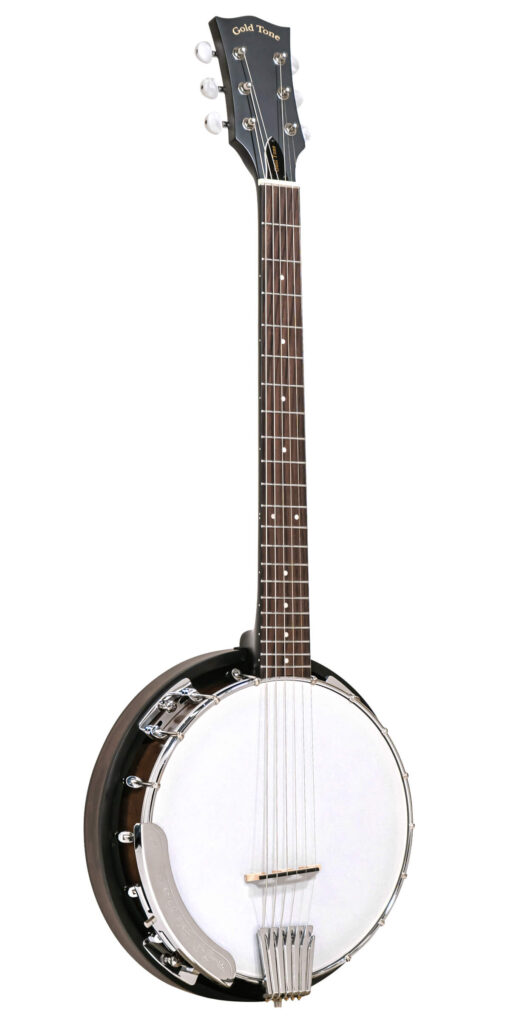
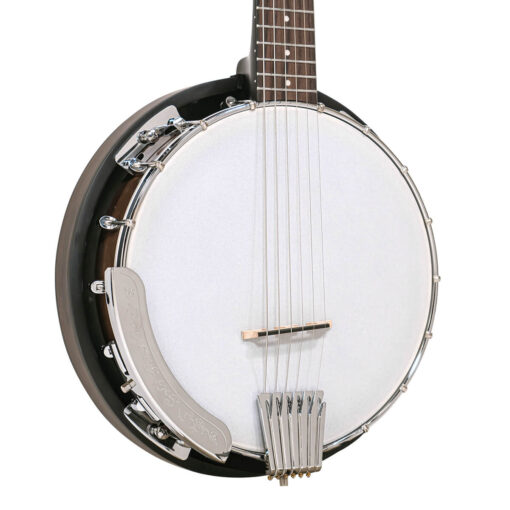
The CC-Banjitar was our first banjo guitar and its popularity remains strong due its unsurpassed combination of great build quality, valued features and low price.
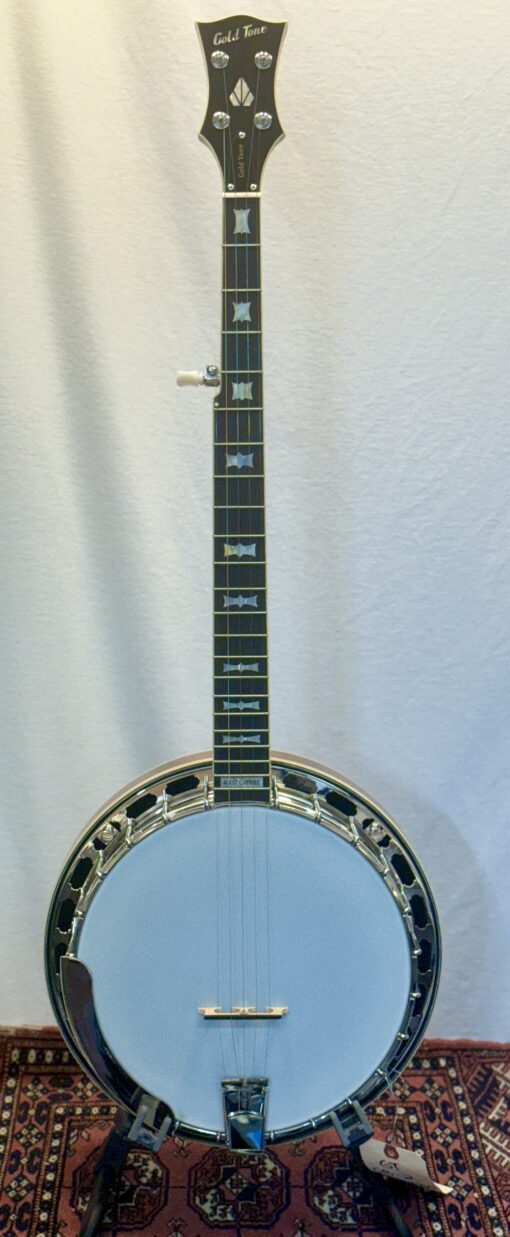
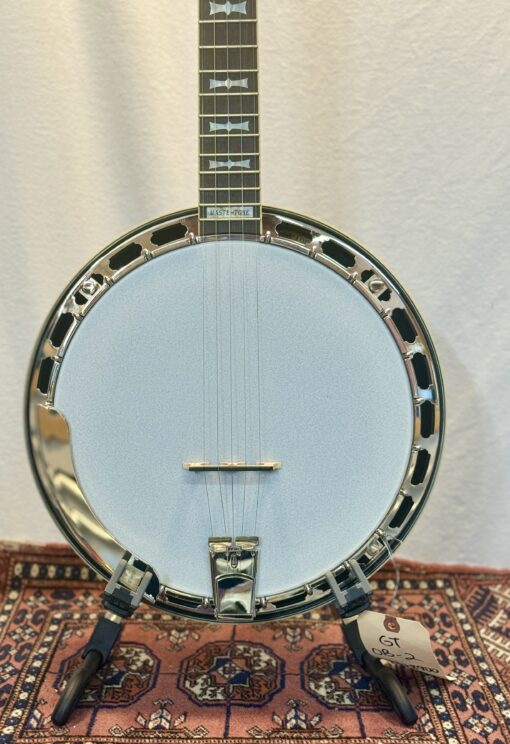
Brand new Gold Tone Mastertone OB-2 Bowtie Banjo faithfully recreates legendary 1960s Mastertone bowtie banjos with rare 19-hole brass tone ring, mahogany neck, and golden sunburst finish. Professional bluegrass tone with modern reliability. Includes premium hard case.
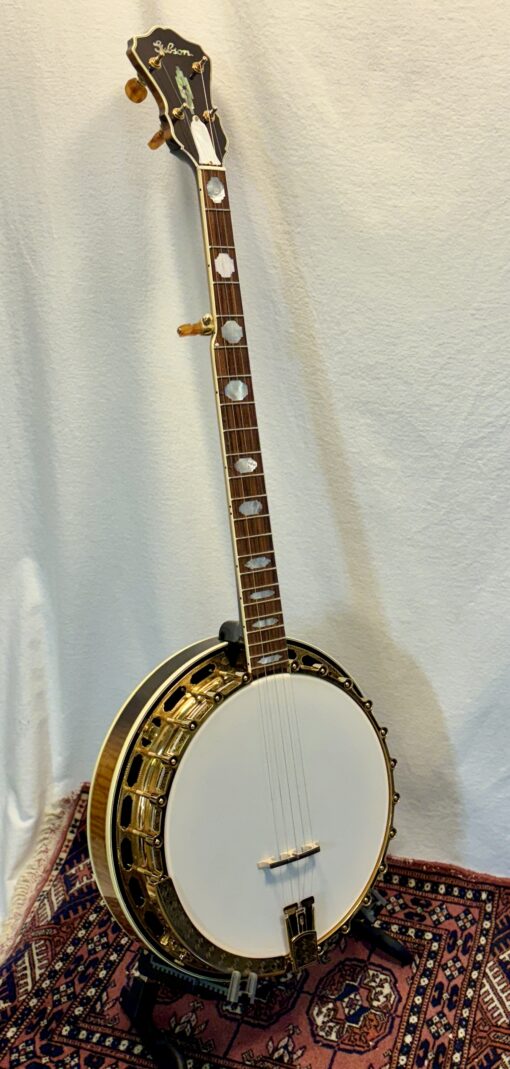
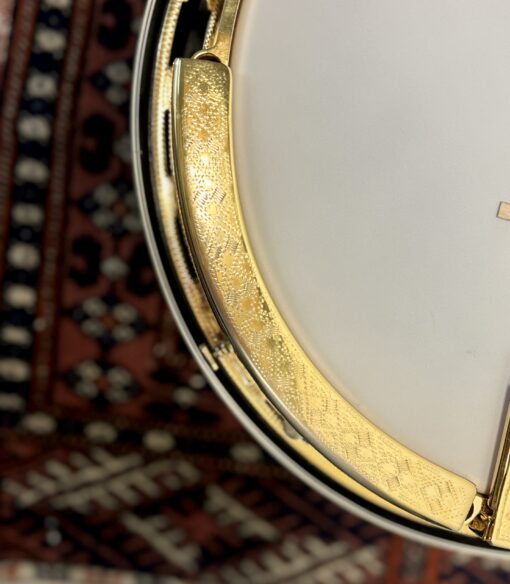
2005 Gibson RB-18 Top Tension Mastertone with 20-hole Kulesh tone ring, Art Deco inlays, dished flamed maple resonator, and gold hardware. Serial 90507-18. Excellent condition. Includes original case, head-tightening key, and warranty paper.
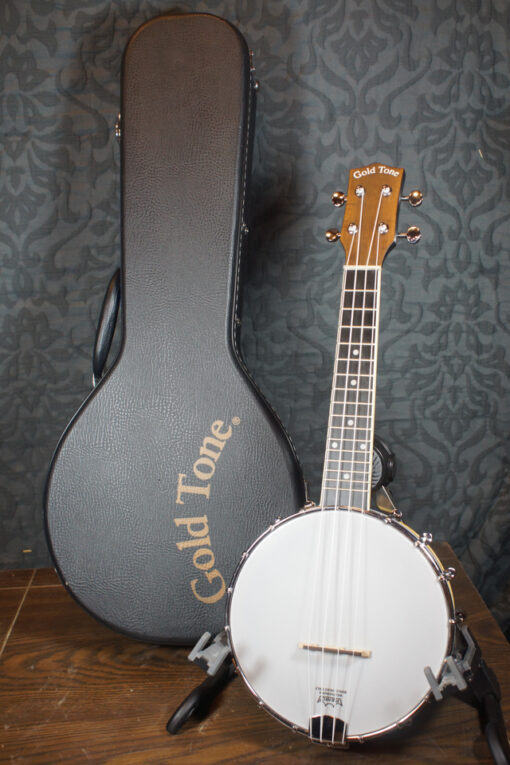
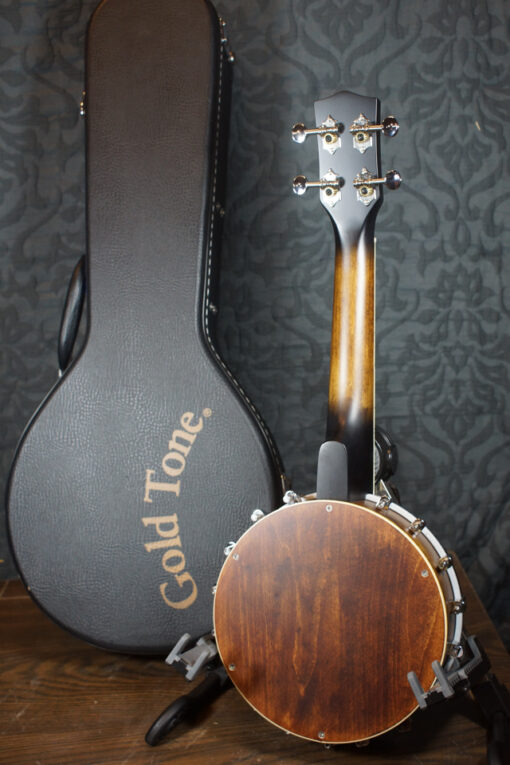
The four members of the Gold Tone banjo-ukulele choir (soprano, concert, tenor, and baritone) all utilize the same eight-inch maple-rimmed pot assembly and differ only in the scale lengths of their necks. All models feature Remo Weather King heads, maple necks with bound fingerboards, geared guitar-style tuners, and plate-style resonators.
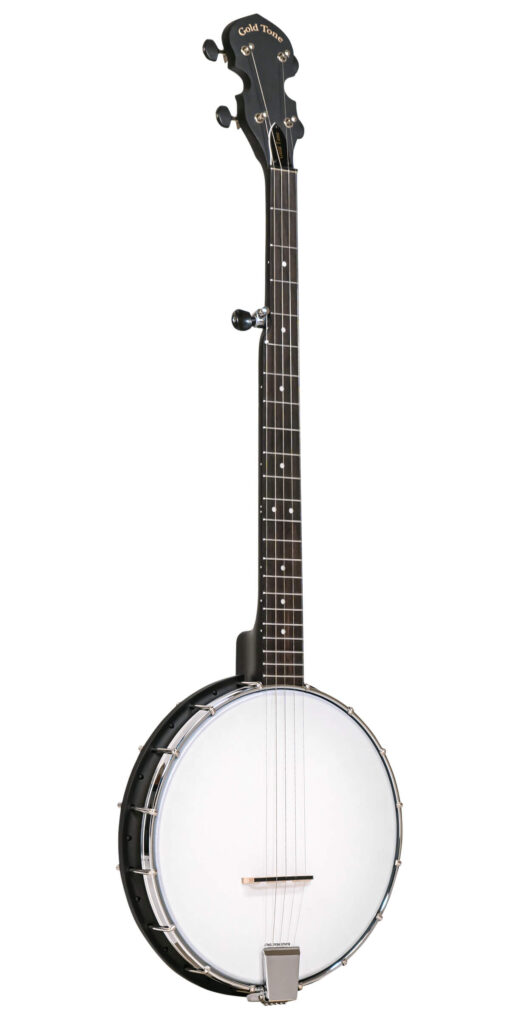
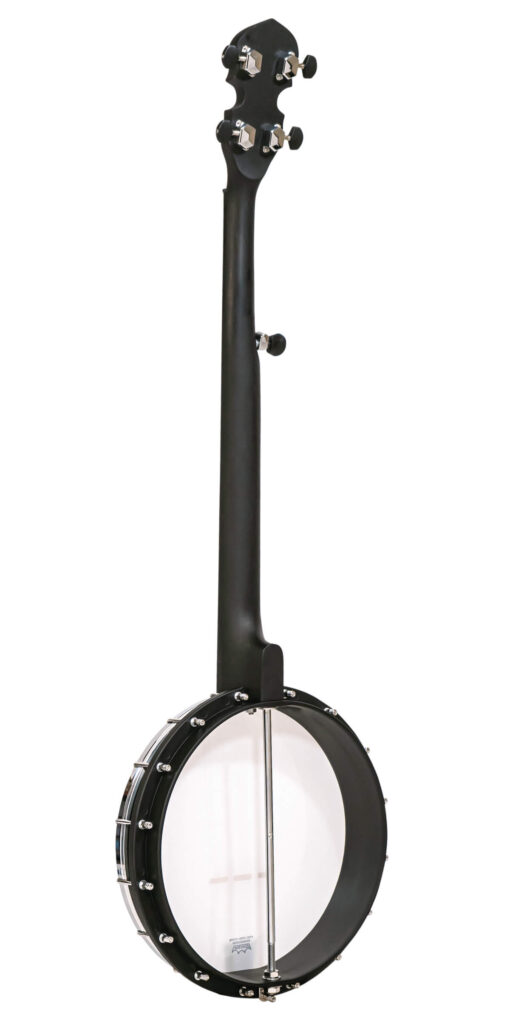
The Gold Tone AC-1 won "Best in Show" at NAMM for good reason - it's the lightest full-size banjo you'll find at under 4 pounds. Perfect for beginners, travelers, and kids, this composite rim banjo delivers surprisingly good tone with a slim, comfortable neck and Zero Glide nut. Professionally set up with a 3-year transferable warranty. At $299.99, it's the smart way to start playing banjo.
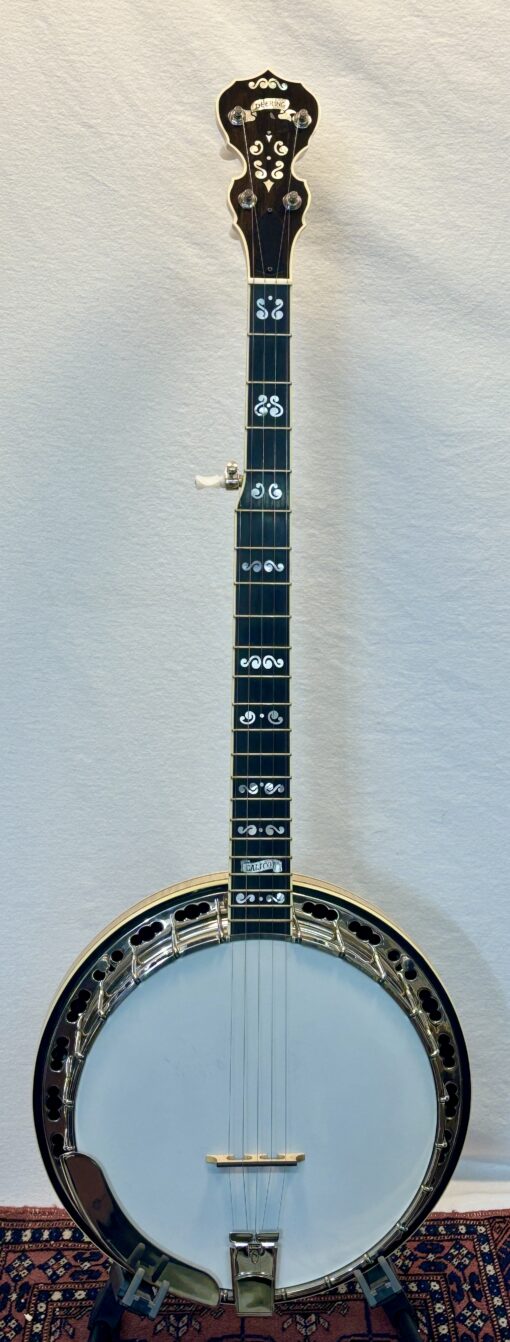

The Calico is one of my favorite Deering banjos in this price range. It has an attractive blonde curly maple neck and resonator with nickel plated metal parts including a full-weight brass flathead tone ring.


The Gold Tone EBM-5 Electric Banjo combines traditional banjo tone with modern electric versatility. Features F-style mahogany body, dual pickup system, ebony fingerboard with snowflake inlays, and tobacco sunburst finish. Perfect for players seeking authentic banjo sound with amplification capabilities.
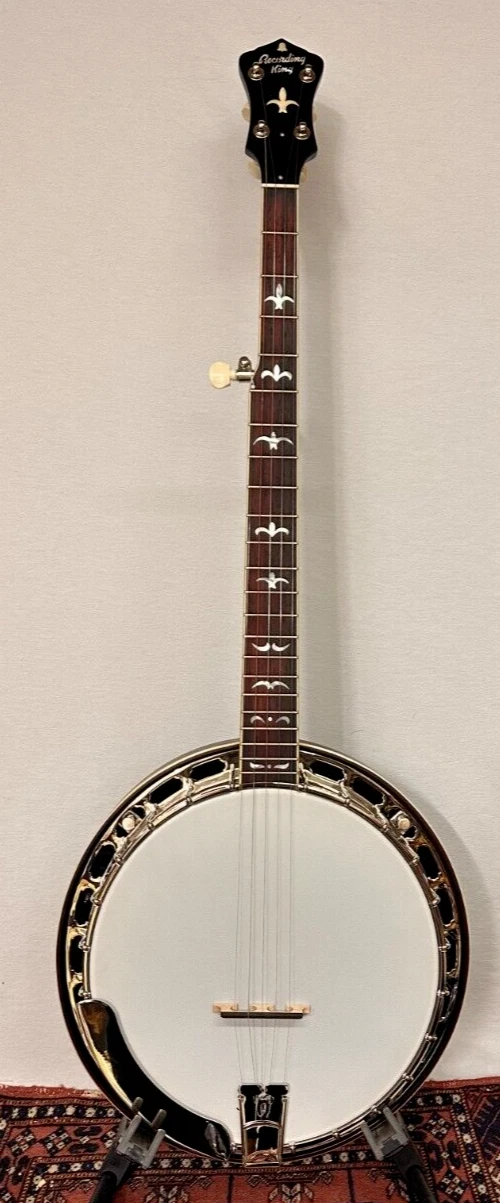
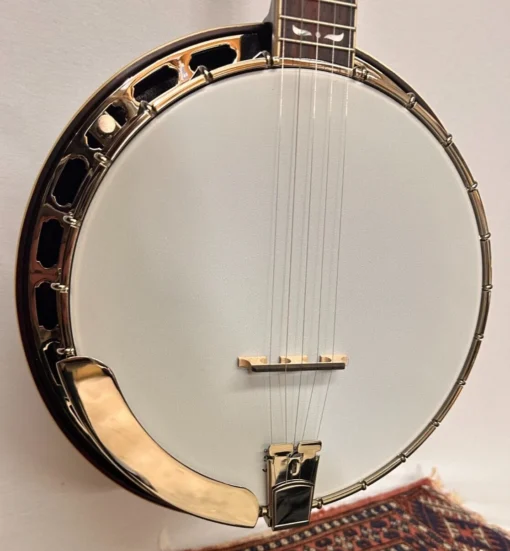
The Madison RK-R35 gives banjo players a high-quality, great-sounding banjo with a classic Mastertone-style bell brass cast tone ring and one-piece flange. The Recording King Madison RK-R35 is built around the Recordking King 3-ply steam bent maple rim, using the same rim and hardware as in the best-selling RK-ELITE-75 (a $2000 banjo).
