


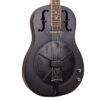


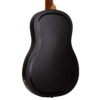
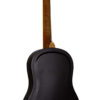
Gold Tone GRE Paul Beard Metal Body Resonator Guitar with Pickup
$ 1,499.99
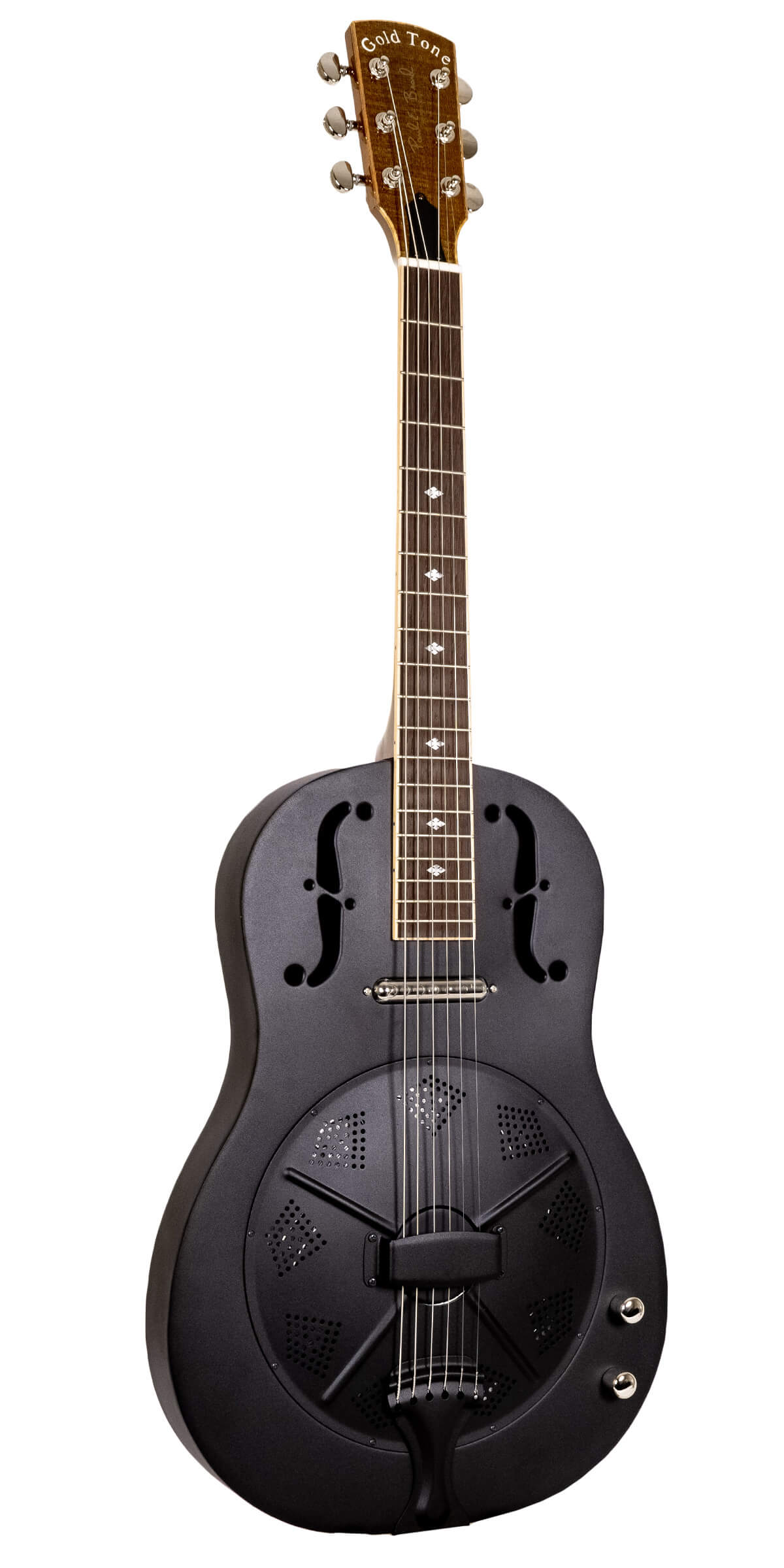
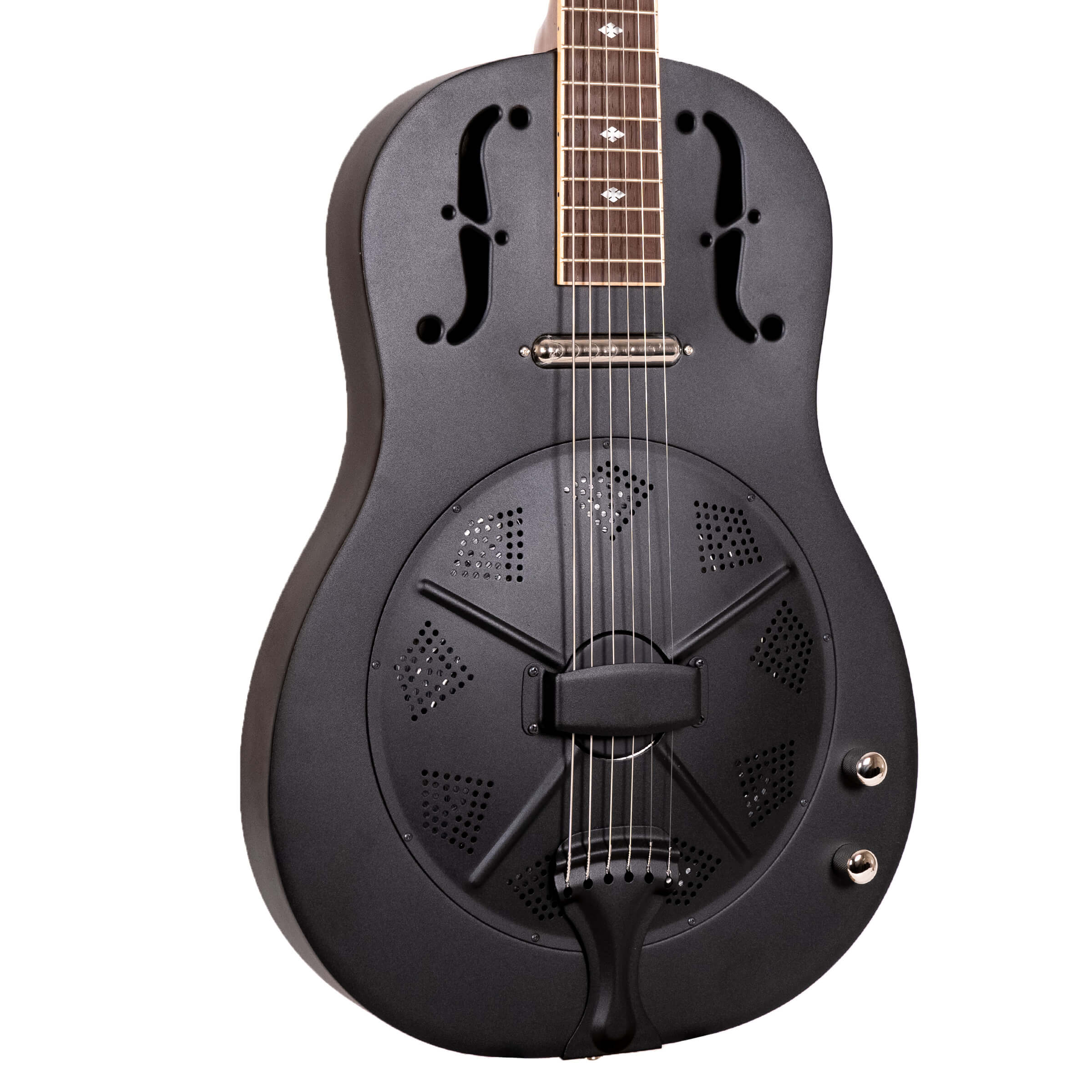
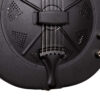
The Gold Tone GRE is a Paul Beard-designed metal body resonator guitar built for players who want authentic cone-driven tone, real projection, and the kind of road-worthy durability that holds up night after night. Whether you’re playing Delta blues, old-time, or bluegrass, the biscuit-style cone and built-in lipstick pickup give you acoustic power and stage-ready versatility in one instrument. Every GRE ships with a professional factory setup from Gold Tone in Titusville, Florida.
In stock
Watch the demo
At a Glance
- Handedness
- Right-Handed
- Style
- Resonator Guitar
- Strings
- 6
- Made In
- China
- Pickup
- Yes
- Scale Length
- 25"
- Weight
- 9 lbs.
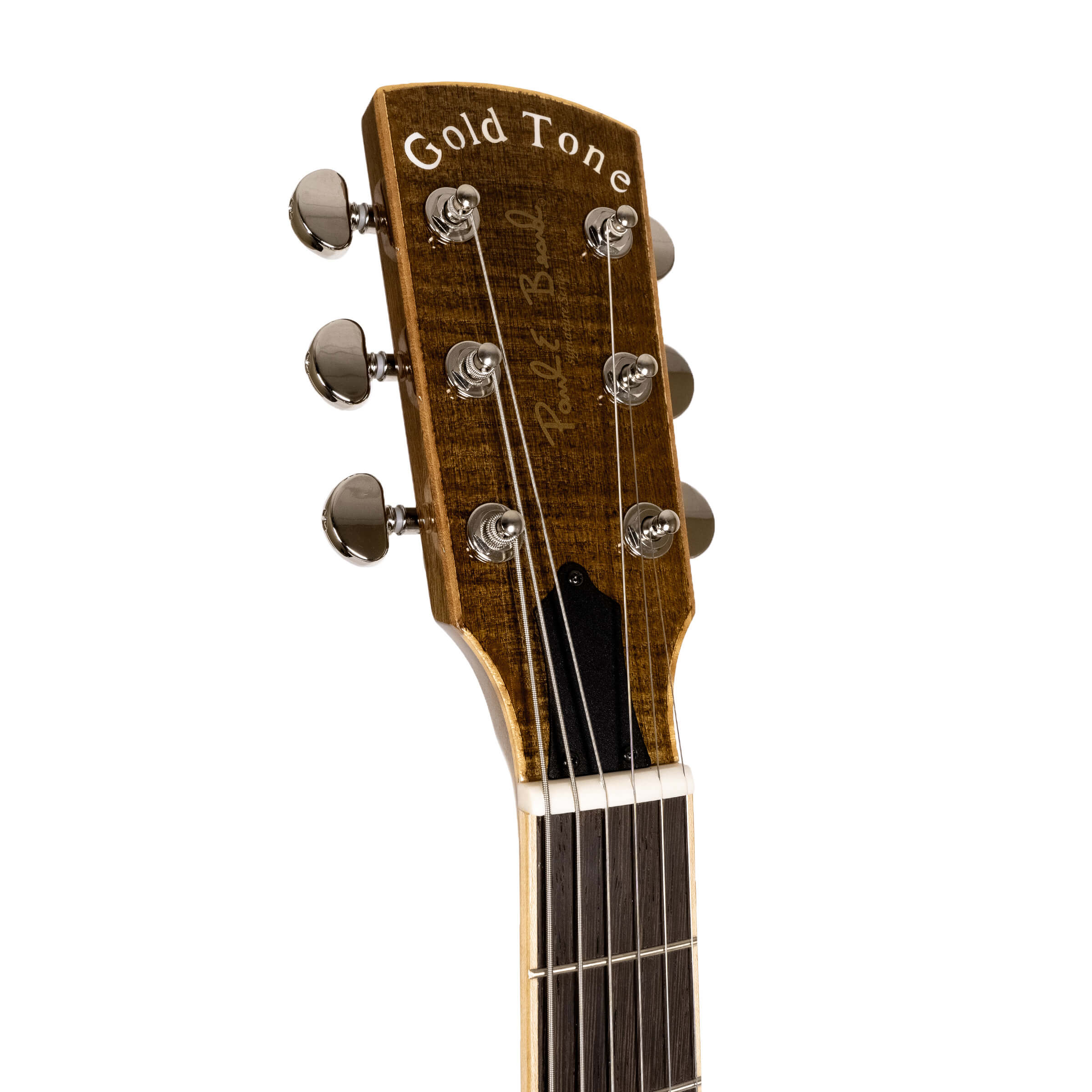
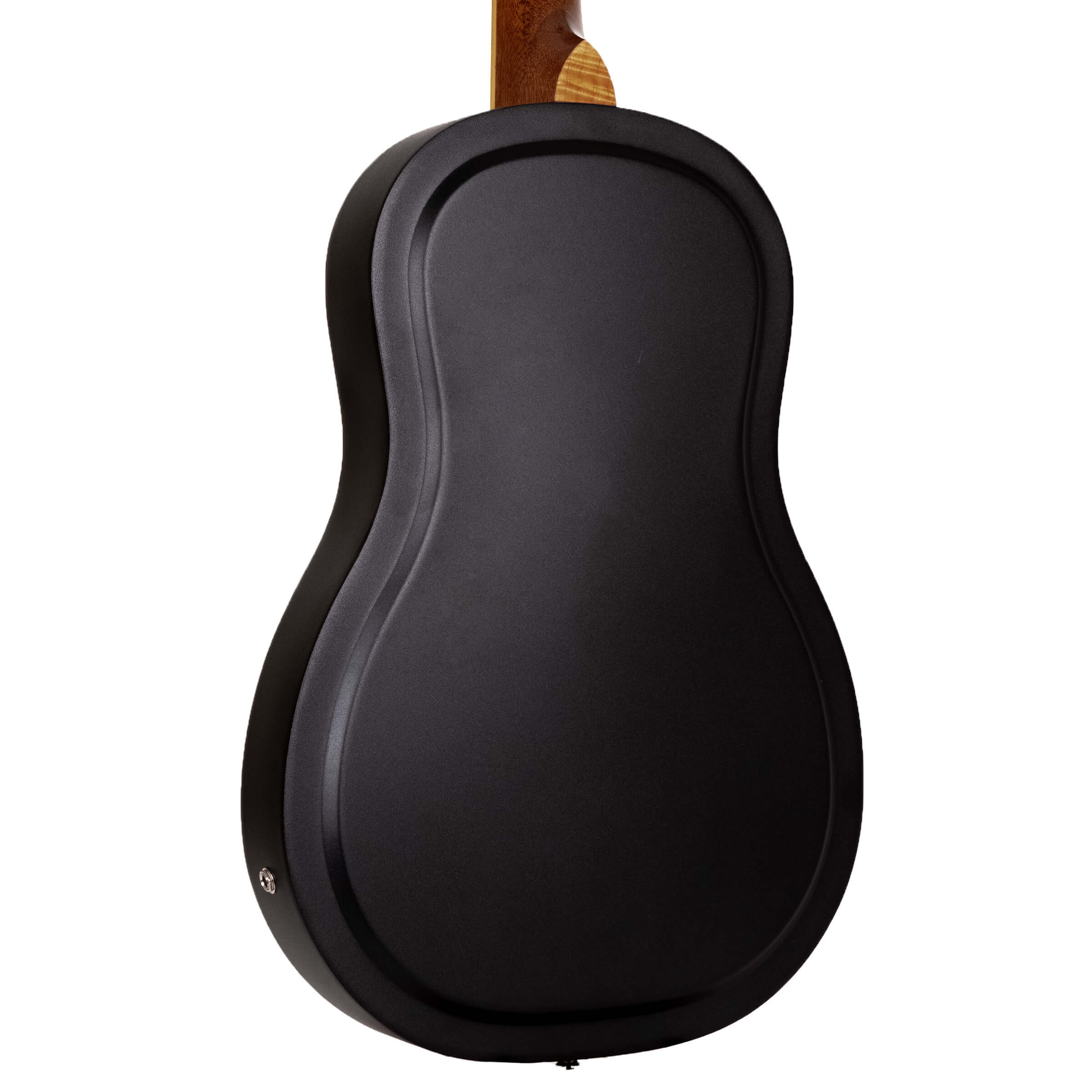
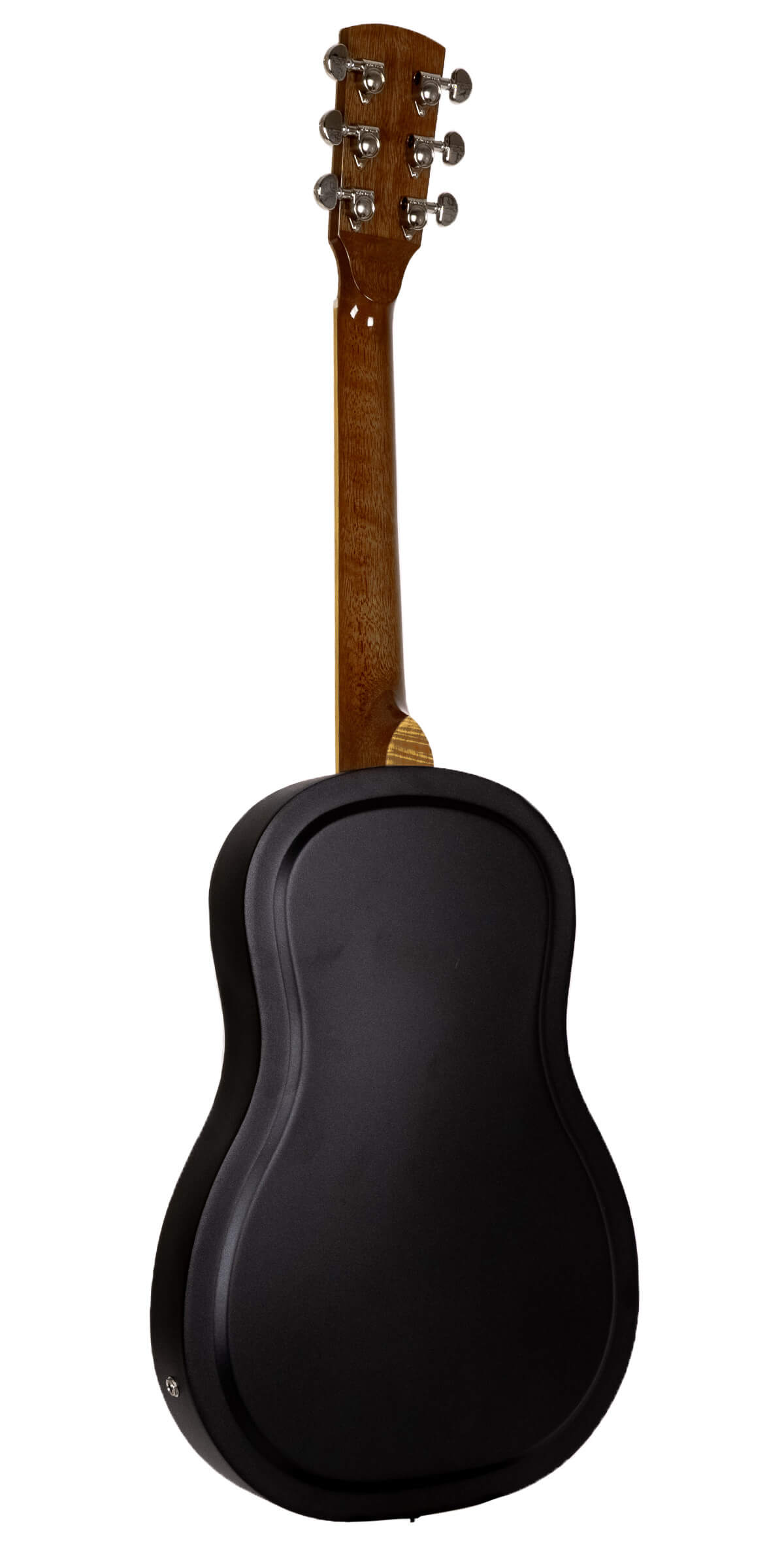
I’ve had the pleasure of playing a lot of resonator guitars over the decades, and the Gold Tone GRE stands out as something genuinely special in its price range. Designed in collaboration with Paul Beard — one of the most respected names in resonator instrument building — this guitar pairs a steel body with a classic biscuit-style cone to produce that cutting, bark-and-sustain tone that resonator players live for. The textured steel construction isn’t just a visual choice; it adds rigidity to the body and gives the instrument a voice that’s loud, focused, and full of character. If you play slide, fingerpicking blues, or acoustic bluegrass leads, this guitar has the projection to cut through a jam session without needing to plug in — though the onboard lipstick pickup means you’re covered when you do need amplification.
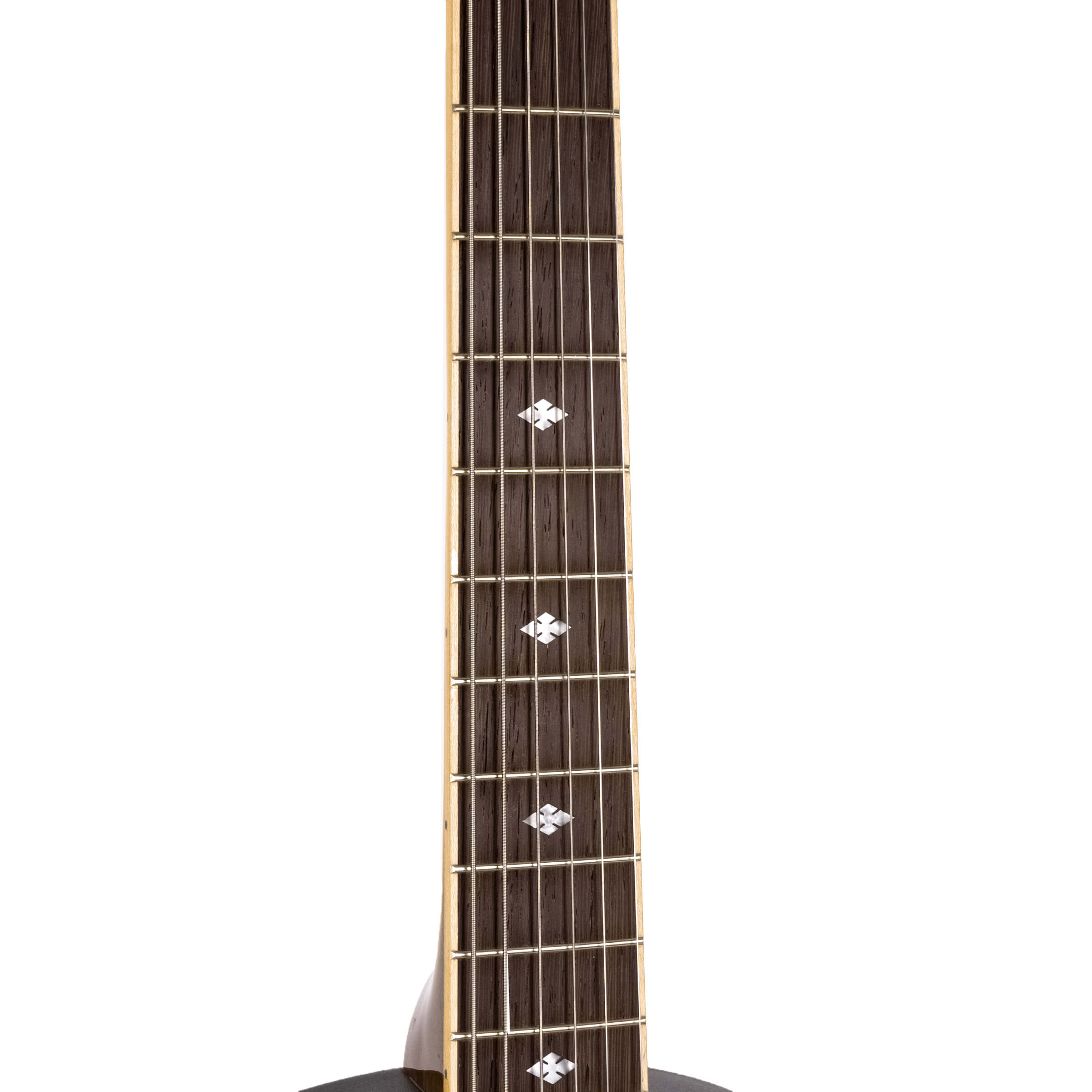
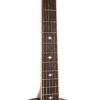
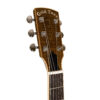
The neck is maple with a rosewood fingerboard, snowflake inlays, and a comfortable 25″ scale length that makes it approachable for players coming from a standard acoustic or electric background. The 1-3/4″ nut width gives fingerpickers a little extra room to work with. Sealed guitar-style tuners, a Paul Beard 6-string tailpiece, and chrome hardware throughout give the GRE a cohesive, well-appointed feel that belies its price. The two-way adjustable truss rod means long-term playability is well within your control, and the curly maple binding adds a touch of elegance to what is otherwise a very business-like instrument. At 9 lbs, it’s on the heavier side — as metal body resonators tend to be — but that mass contributes directly to the sustain and resonance you’re buying this guitar for.
Every instrument receives a thorough professional factory setup at Gold Tone in Titusville, Florida before it ships. The setup includes checking and adjusting the neck relief using the two-way truss rod, setting the action at the bridge for clean intonation across the neck, inspecting the cone and spider for proper seating, and ensuring the lipstick pickup is functioning correctly. What arrives at your door is a guitar that plays the way it should — not a straight-from-the-box instrument that still needs work.
Why Buy From Banjo Warehouse
Banjo Warehouse is an authorized Gold Tone dealer, which means every instrument we sell is covered by the full manufacturer’s warranty and backed by a team that knows these instruments inside and out. I’ve been in this industry for over 45 years — I co-founded Watch & Learn in Atlanta in the 1980s, wrote Banjo Primer (the top-rated beginner banjo method), and co-designed the Gold Tone OB-Standard — so when I say the GRE is a well-built instrument worth your investment, I’m speaking from decades of hands-on experience with fretted instruments at every price point. We’re not a big-box retailer guessing at specifications; we play these instruments, we set them up ourselves, and we stand behind what we sell. Financing is available through PayPal Pay in 4, Afterpay, and 3, 6, 12, and 24-month plans with no late fees, so you can get the right instrument without stretching your budget all at once.
Gold Tone GRE Specifications
| Body Top | Steel |
| Body Back & Sides | Steel (2.125″ Thin) |
| Binding | Curly Maple |
| Finish | Textured |
| Cone & Spider | Biscuit Style |
| Bridge | Maple with Ebony Insert |
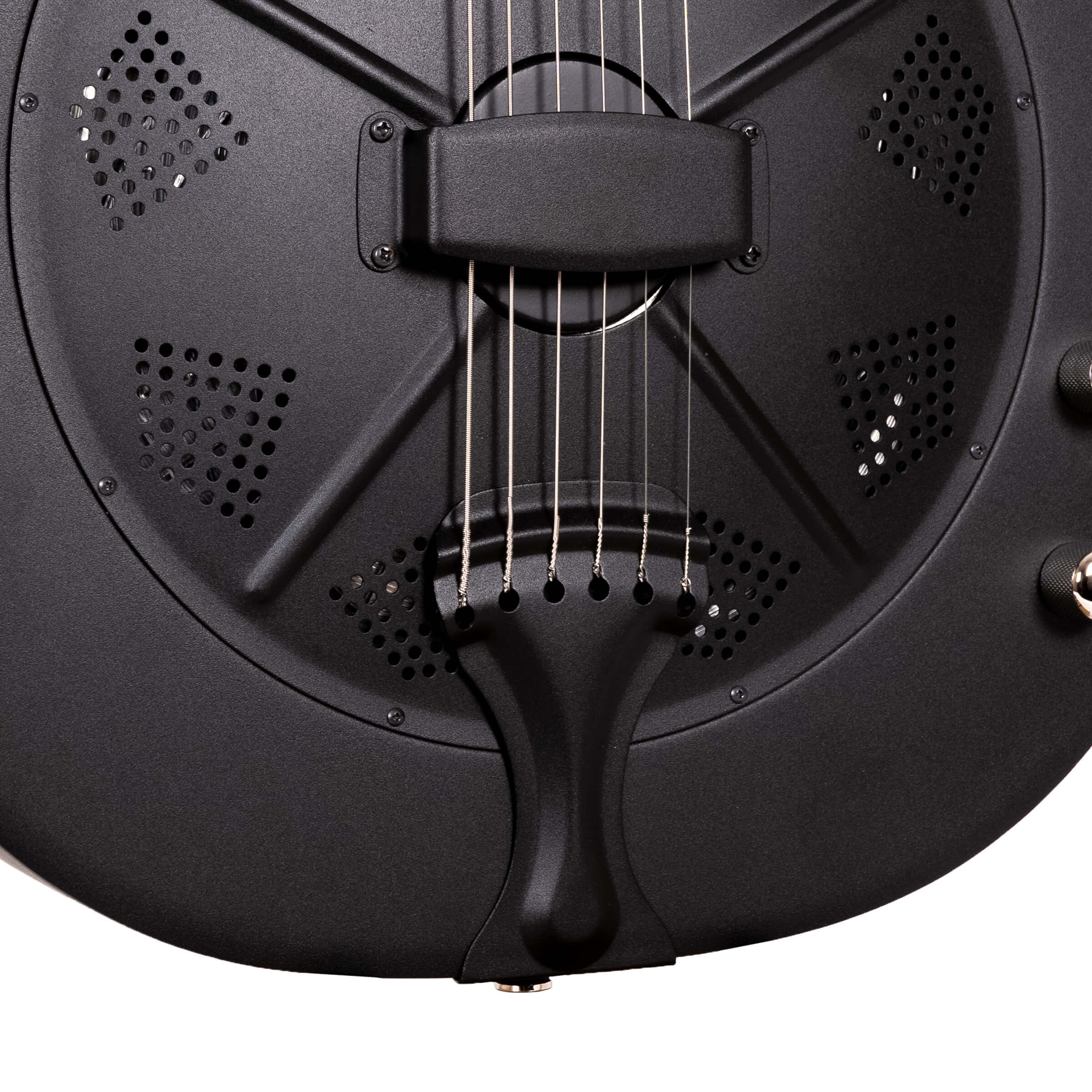
| Tailpiece | Paul Beard 6-String |
| Neck Material | Maple |
| Fingerboard | Rosewood |
| Inlay | Snowflake |
| Frets | 19 |
| Nut Width | 1-3/4″ |
| Scale Length | 25″ |
| Truss Rod | Two-Way Adjustable |
| Tuners | Sealed Guitar-Style |
| Tuner Buttons | Metal |
| Hardware | Chrome Plated |
| Pickup | Lipstick Pickup |
| String Gauge | .056w, .045w, .035w, .024w, .016, .012 |
| Tuning | EADGBE (Standard) |
| Weight | 9 lbs. |
| Bag | HBAG (Optional) |
| Hard Case | HDRD-M (Optional) |
Frequently Asked Questions
Is the Gold Tone GRE good for slide guitar?
Absolutely — the biscuit-style cone and steel body are an ideal combination for slide playing. The cone projects your slide tone with that classic resonator bark and long sustain, while the 25″ scale length gives you the string tension that slide players prefer. Whether you’re playing open G, open D, or standard tuning with a bottleneck, the GRE handles it well.
Does the lipstick pickup require any additional wiring or preamp to use live?
The lipstick pickup on the GRE outputs a passive signal, so you can plug it directly into any amplifier or DI box with a standard 1/4″ instrument cable. If you’re running into a PA or an interface that expects a line-level signal, a simple direct box will give you better results. Many players run it through a small tube amp for added warmth, or straight into a board with a little EQ. It’s a simple, reliable setup that gets out of the way and lets the cone do the talking.
What is the difference between biscuit-style and spider-style resonator cones?
Great question. A biscuit-style cone uses a small circular wooden disc (the “biscuit”) that sits in the center of the cone, and the bridge rests on top of it. This setup tends to produce a brighter, more focused, and cutting tone — ideal for blues and slide work. A spider bridge, more common on Dobro-style instruments, distributes the string vibration across more of the cone surface and typically produces a warmer, more open sound favored in bluegrass. The GRE uses biscuit style, which pairs beautifully with its steel body for that raw, projecting resonator voice.
Want to know when new banjos arrive? Join our email list: Sign up here.
Videos
Be the first to review “Gold Tone GRE Paul Beard Metal Body Resonator Guitar with Pickup”
You must be logged in to post a review.
Related products
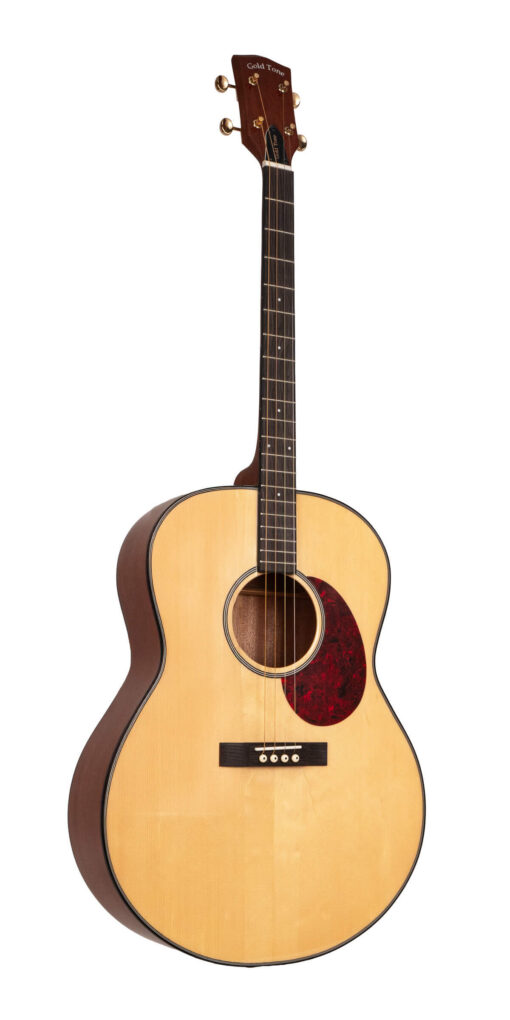
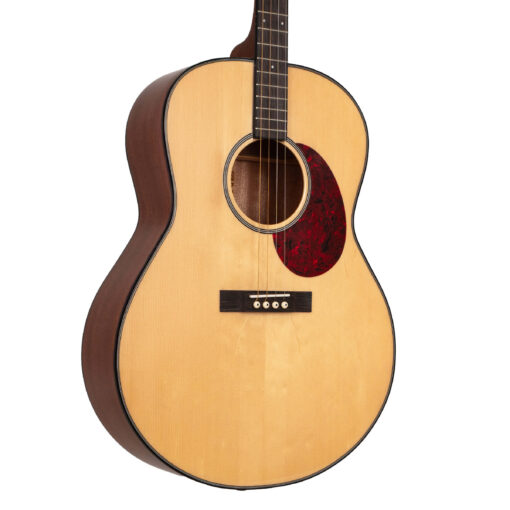
The Gold Tone TG-18 Mastertone Tenor Guitar delivers authentic 1930s acoustic tone with a solid Sitka spruce top, mahogany body, and ebony fingerboard — all at a price that makes vintage-inspired playing genuinely accessible. Tuned CGDA and sized to maximize low-end punch, it's a natural choice for Irish traditional players, jazz enthusiasts, and anyone coming to the tenor guitar from a banjo background. Every TG-18 is professionally set up at Gold Tone's factory in Titusville, FL.
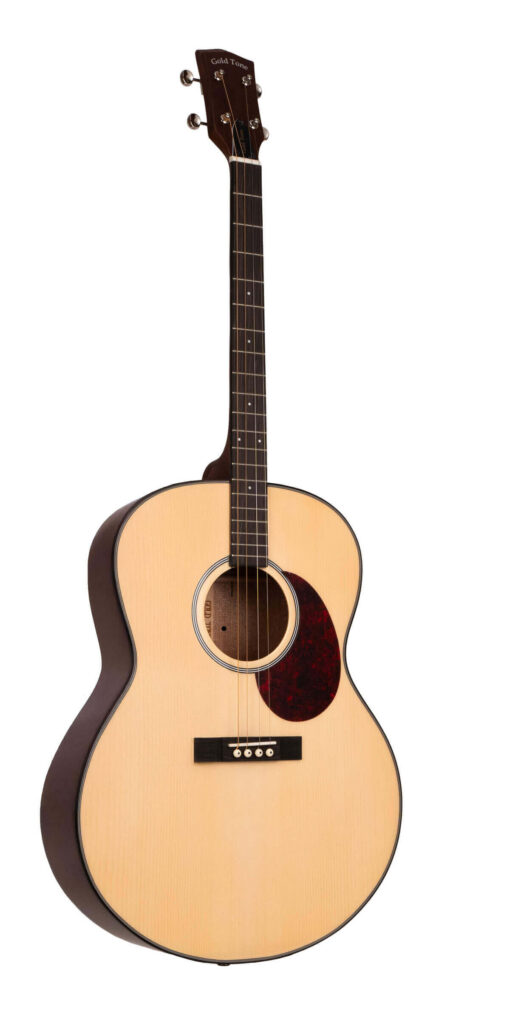
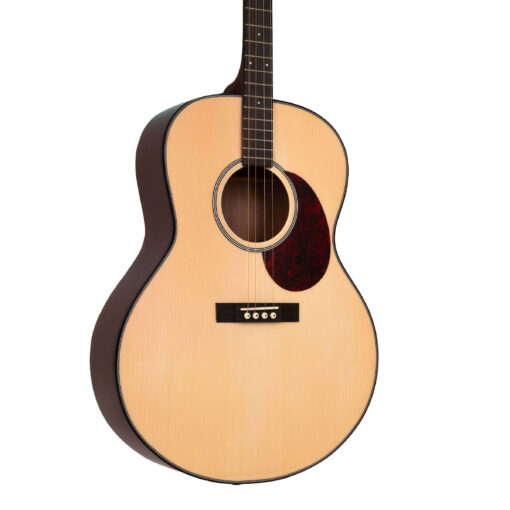
The Gold Tone TG-10 is an affordable, road-ready tenor guitar tuned CGDA — making it a natural extension for any tenor banjo player looking to expand their sound. It features a solid spruce top, mahogany back and sides, a ZeroGlide nut, and a comfortable 23" scale, all wrapped up with a heavily padded gig bag included. At $479.99, it's one of the best entry points into tenor guitar playing available today.
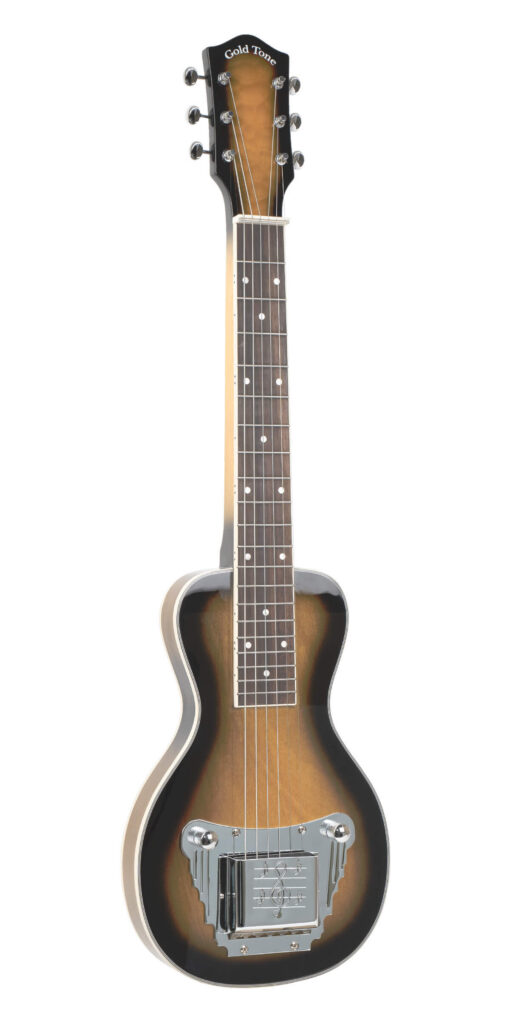
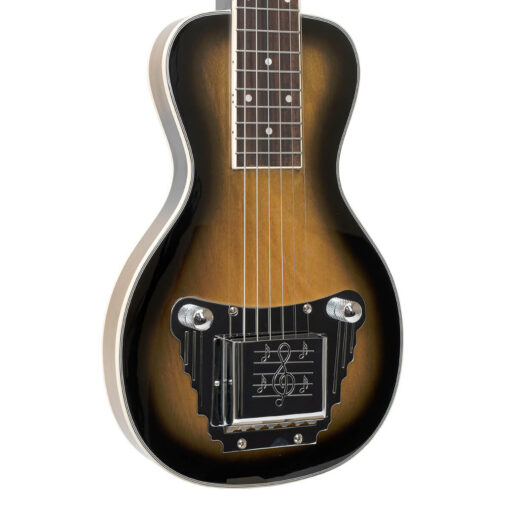
The Gold Tone LS-8 is a beautifully crafted electric lap steel inspired by the legendary Oahu Tonemaster — one of the most coveted lap steels of the 1950s. Built with a mahogany body, single-coil magnetic pickup, and a ZeroGlide nut, it arrives set up in open D tuning and ready to play straight out of the case. A hardshell case is included, and every instrument ships with a professional factory setup from Gold Tone in Titusville, Florida.
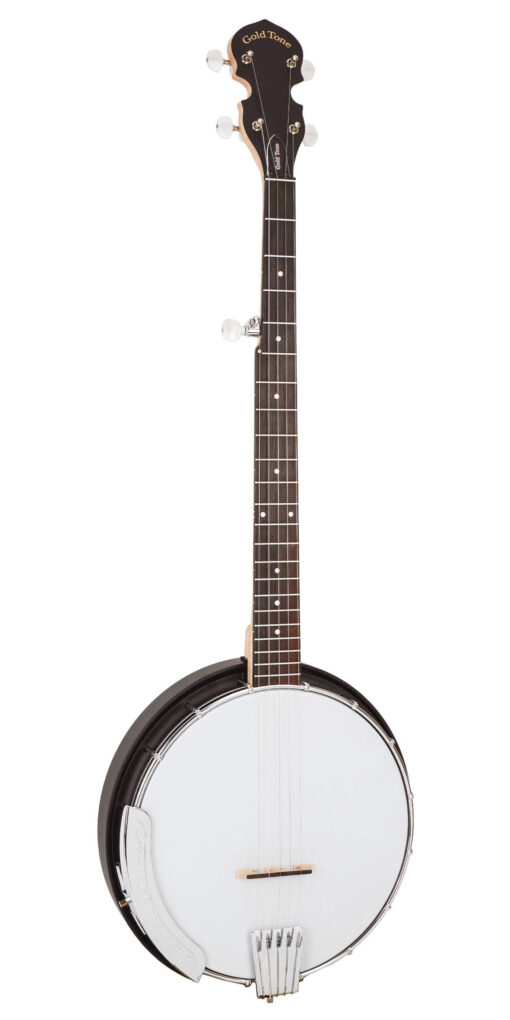

This is the left-handed version of the Gold Tone AC-5 — a genuinely impressive beginner bluegrass banjo that punches well above its price point. The composite rim and resonator deliver a punchy low end and clear, ringing highs that surprised me the first time I picked one up. It ships with a padded gig bag and is professionally set up at the Gold Tone factory in Titusville, Florida before shipping.
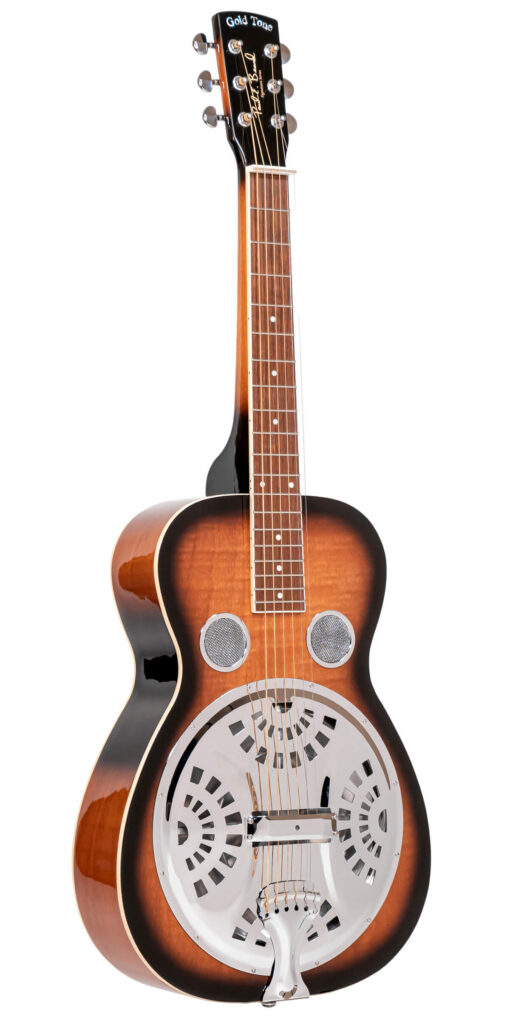
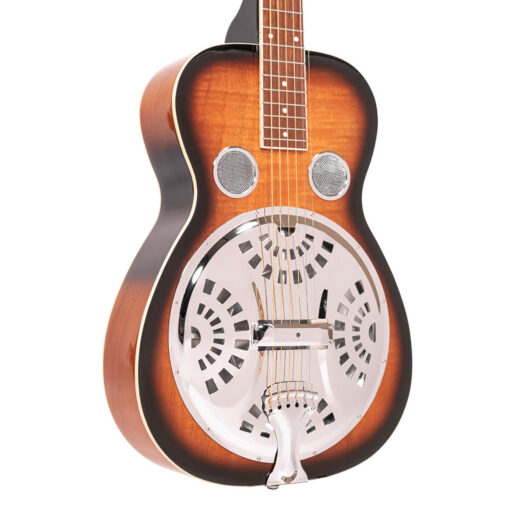
This is the left-handed version of the Gold Tone PBS, the Paul Beard Signature-Series squareneck resonator guitar. Built with a solid mahogany body, genuine US-made Beard cone and spider bridge, and finished in a stunning tobacco sunburst, this is a serious dobro for serious players. It ships with a hardshell case and is professionally set up at Gold Tone's factory in Titusville, FL.
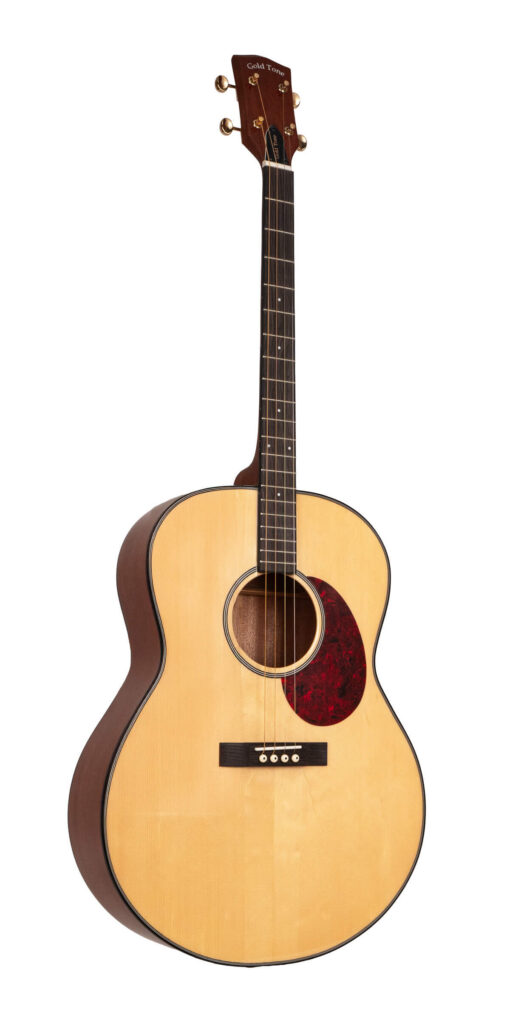
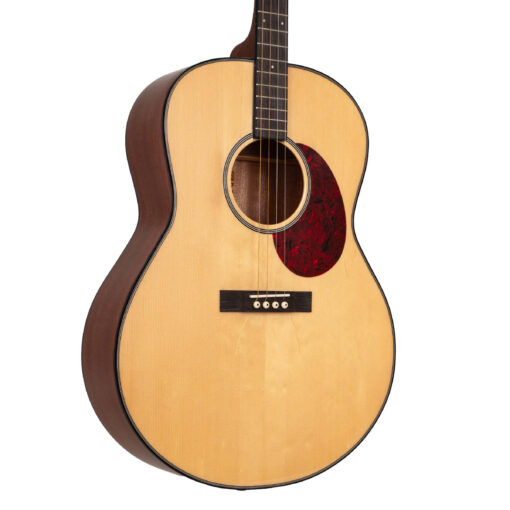
This is the left-handed version of the Gold Tone TG-18, a beautifully crafted acoustic tenor guitar that channels the authentic sound and feel of the great pre-WWII instruments from Pennsylvania and Michigan. A solid Sitka spruce top paired with a mahogany body delivers that warm, punchy vintage tone that tenor guitar players dream about, while modern touches like a ZeroGlide nut and two-way adjustable truss rod keep it playing beautifully for years. Includes a gig bag and comes professionally set up at the Gold Tone factory in Titusville, Florida before shipping.
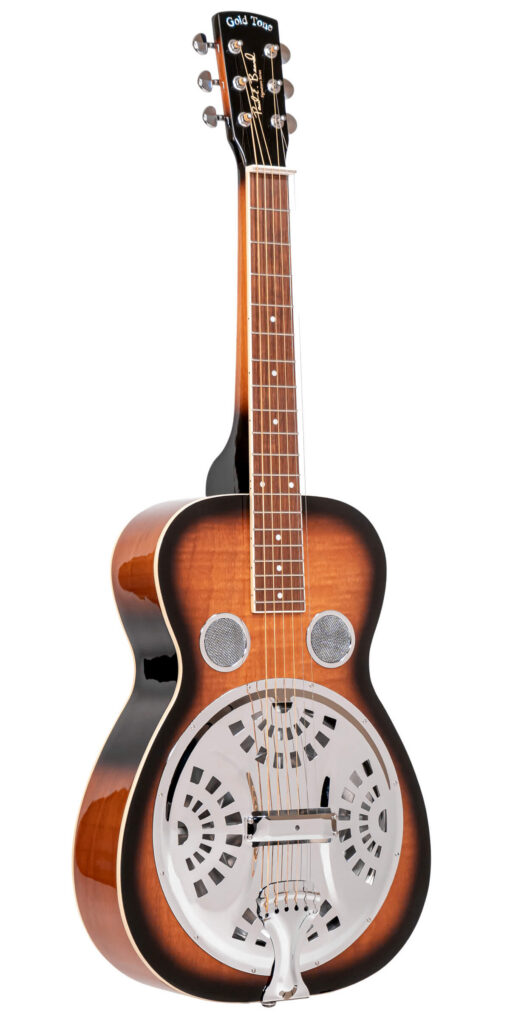
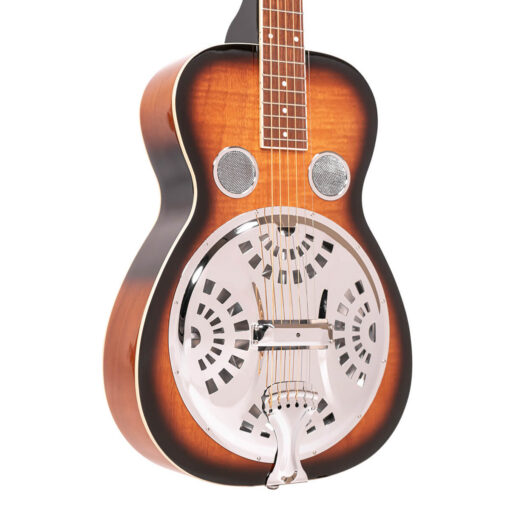
The Gold Tone PBS-8 is a professional-grade squareneck resonator guitar built around a genuine US-made Paul Beard cone, spider bridge, and open soundwell — the real deal for serious dobro players. Its mahogany body glows in a rich tobacco sunburst high-gloss finish, and every instrument ships with a hardshell case and a professional factory setup from Gold Tone in Titusville, Florida. At $1,599.99, this is a working musician's instrument at a price that makes sense.
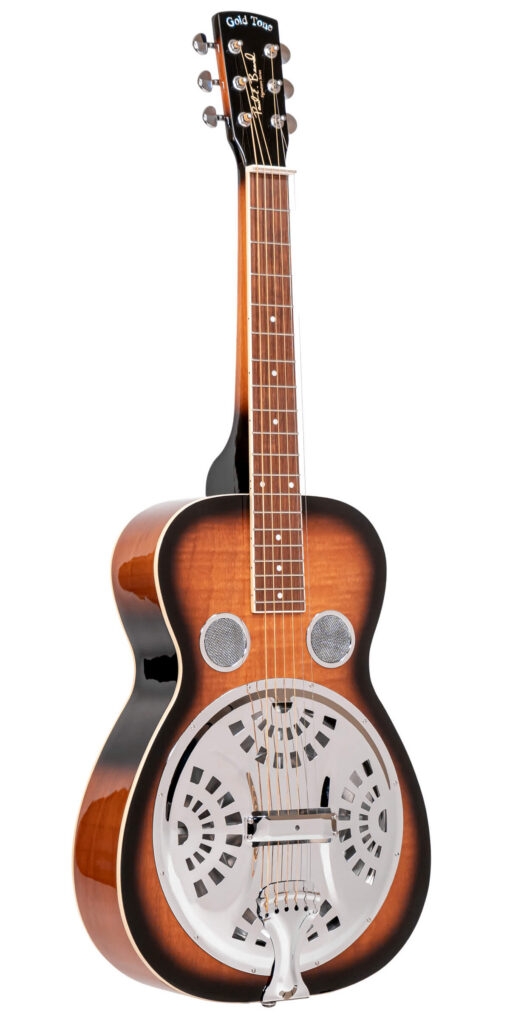
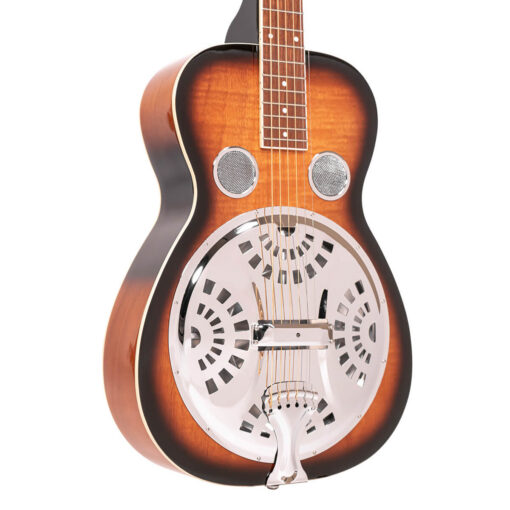
This is the left-handed version of the Gold Tone PBS-8, Paul Beard's signature squareneck resonator guitar built for serious dobro players. A genuine US-made Beard cone and spider bridge sit inside a handsome mahogany body finished in rich tobacco sunburst, delivering that deep, singing resonator tone that cuts through any ensemble. It ships with a hardshell case and is professionally set up at Gold Tone's factory in Titusville, FL.
Reviews
There are no reviews yet.