
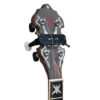
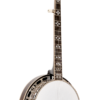
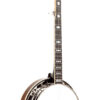
Gold Tone OB-Bela Mastertone Béla Fleck Signature Banjo with Case
$3,899.99
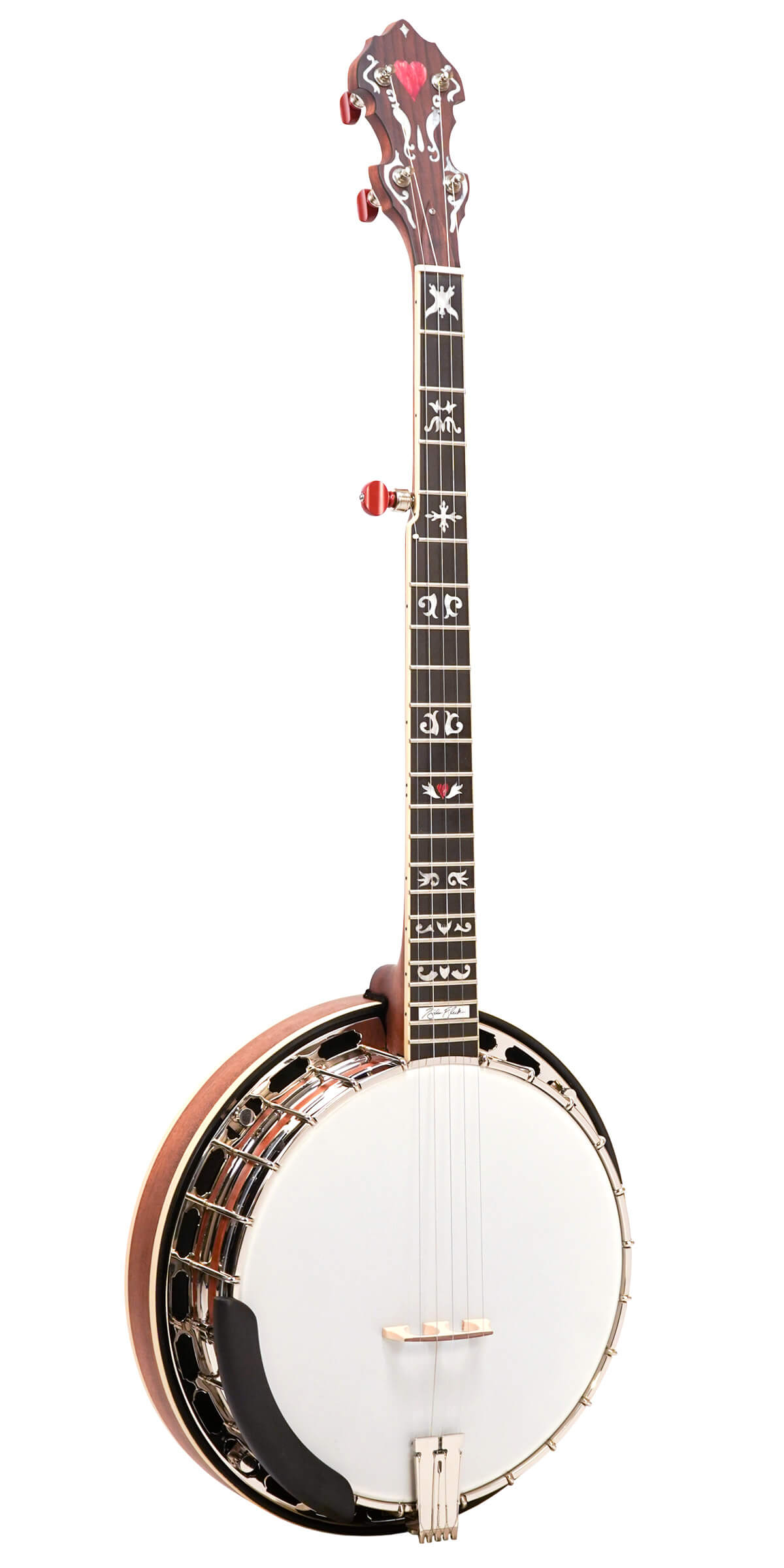
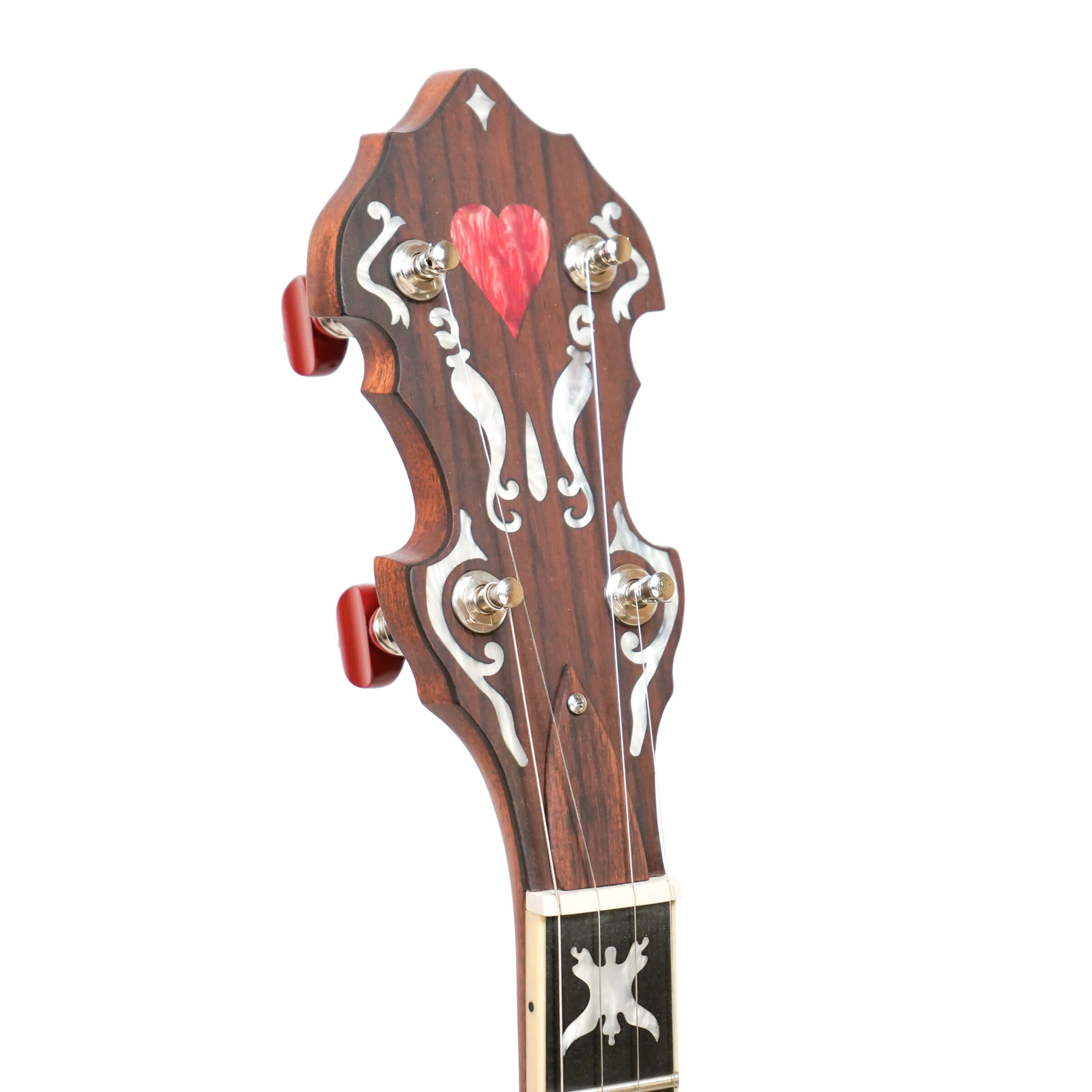
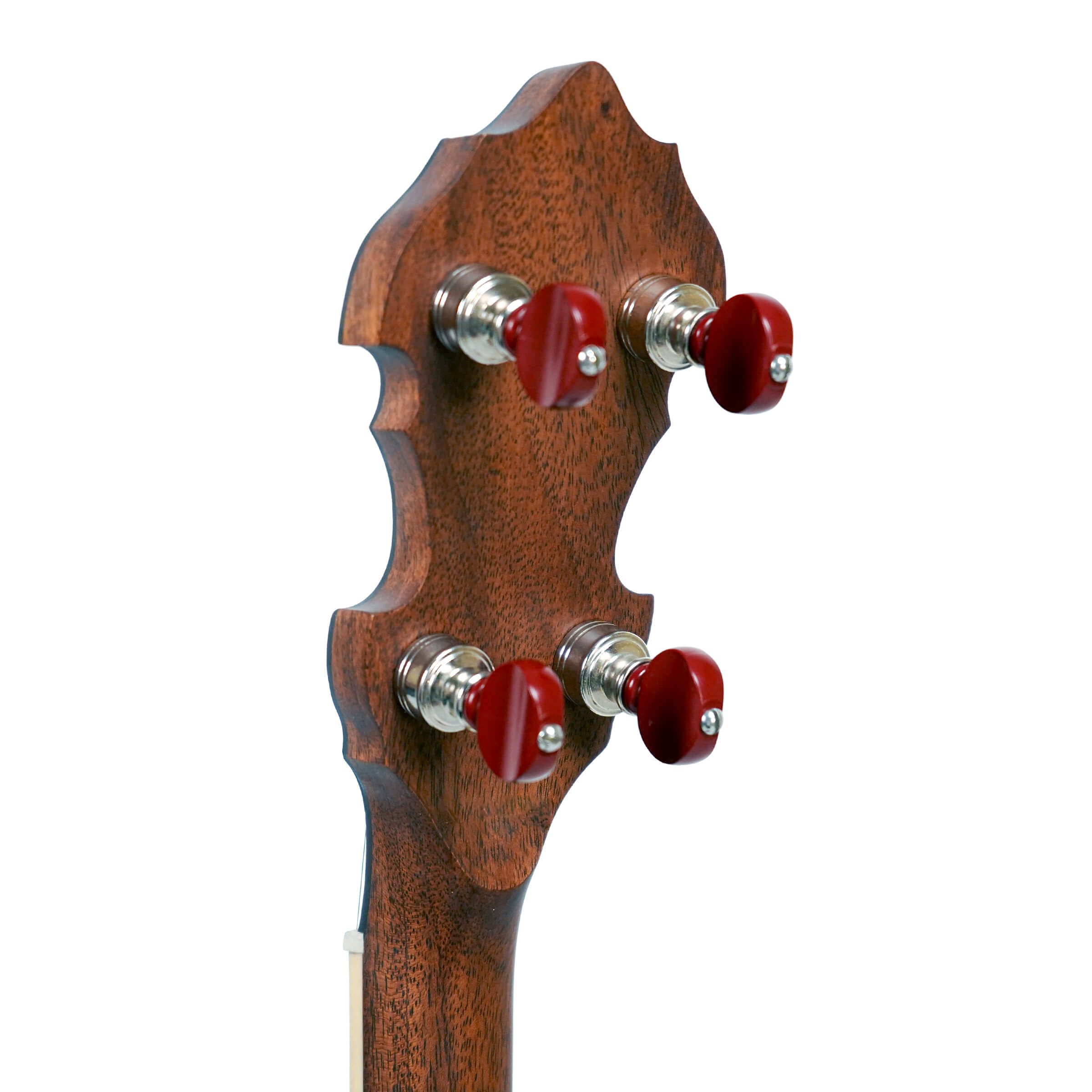
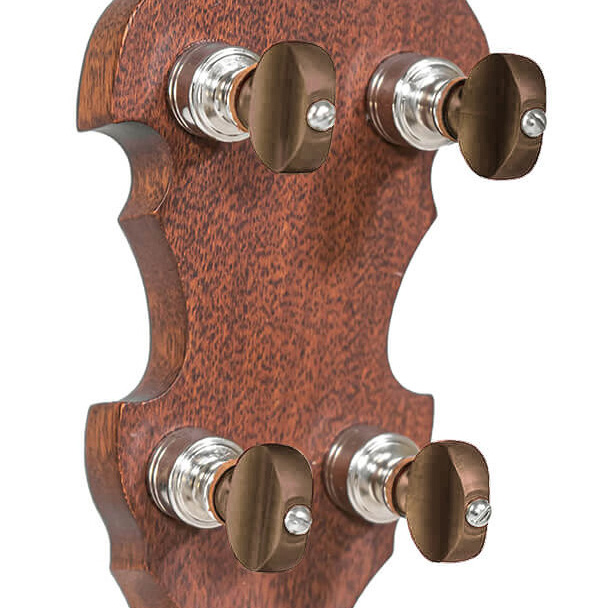
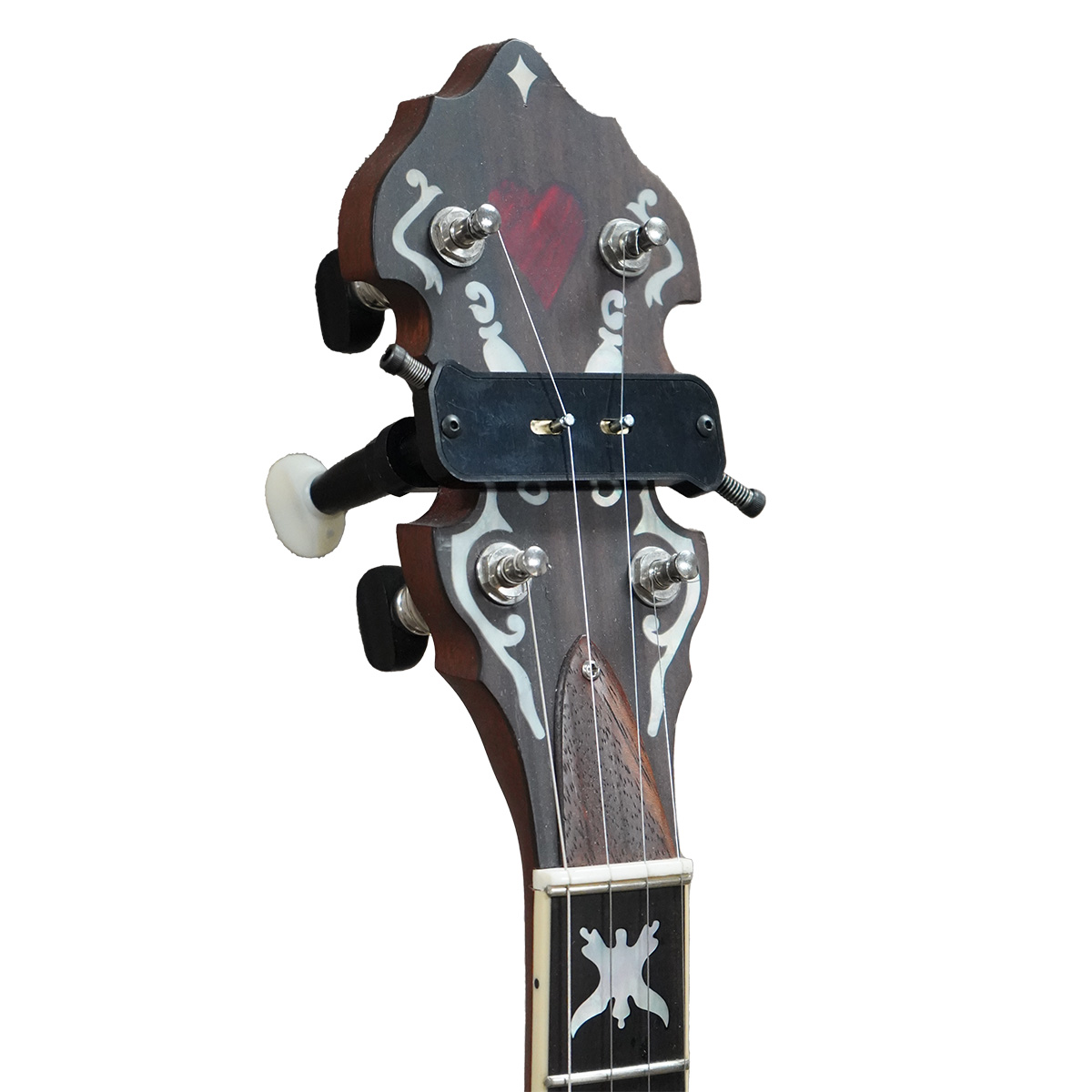
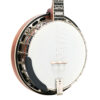
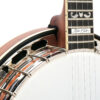
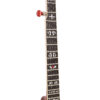
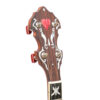
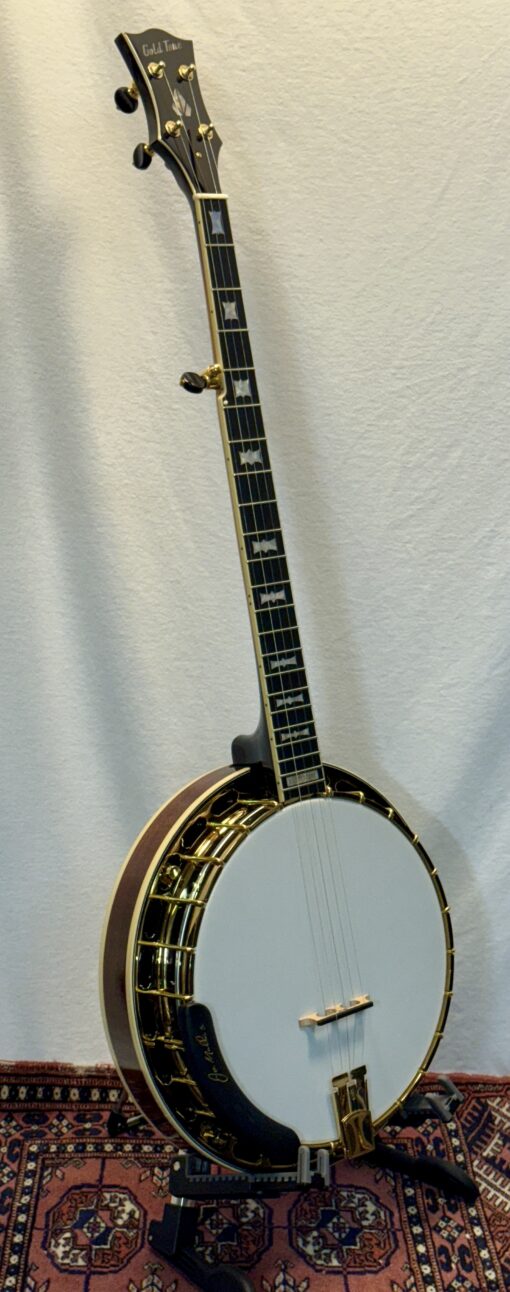
The Gold Tone OB-Bela is a meticulous tribute to Béla Fleck’s legendary Number 1 banjo — a 1937 Style 75 Mastertone pot paired with a neck built to his exact specifications for a wider, thicker feel and radiused fretboard that unlocks the full-spectrum warmth his playing is known for. With a no-hole bell bronze flat-top tone ring, ebony compound-radius fingerboard, Rickard Cyclone tuners, and custom Flying Eagle inlay with red hearts, this is a serious instrument for serious players. Every OB-Bela ships with a professional factory setup from Gold Tone in Titusville, Florida, and financing is available through PayPal Pay in 4, Afterpay, and extended plans up to 24 months.
In stock
Watch the demo
At a Glance
- Handedness
- Right-Handed
- Style
- Resonator Banjo
- Strings
- 5
- Scale Length
- 26-3/16"
- Tone Ring
- Bell Bronze
- Pickup
- No
- Made In
- China
There are signature instruments, and then there are instruments that actually change what the banjo is capable of. The Gold Tone OB-Bela falls firmly into the second category. This banjo is modeled on Béla Fleck’s personal “Number 1” — a 1937 Style 75 Mastertone pot that Marc Applebaum sourced for Béla in the early 1980s while working at Mandolin Brothers Ltd., to which the great luthier John Monteleone added a custom neck built precisely to Béla’s vision. That neck was wider and thicker than anything in the standard banjo vocabulary of the time, and featured a radiused fretboard — both choices made deliberately to support the single-string melodic techniques Béla was developing and to give the instrument a deeper, fuller voice. Gold Tone co-owner Wayne Rogers worked with Marc to translate that legendary combination into a production instrument, using the Twanger pot assembly as the foundation. The result is a banjo that carries the DNA of one of the most influential instruments in modern acoustic music.
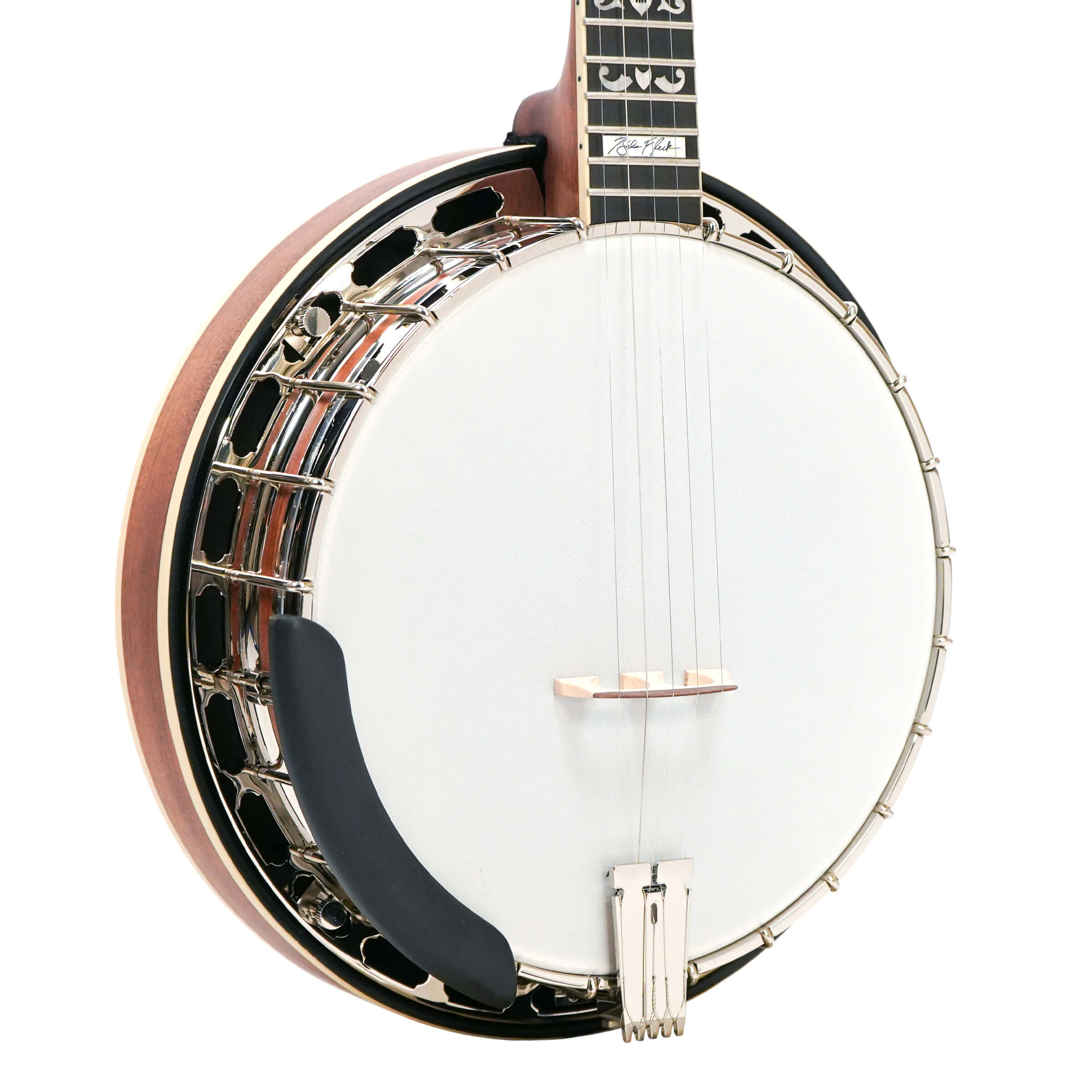
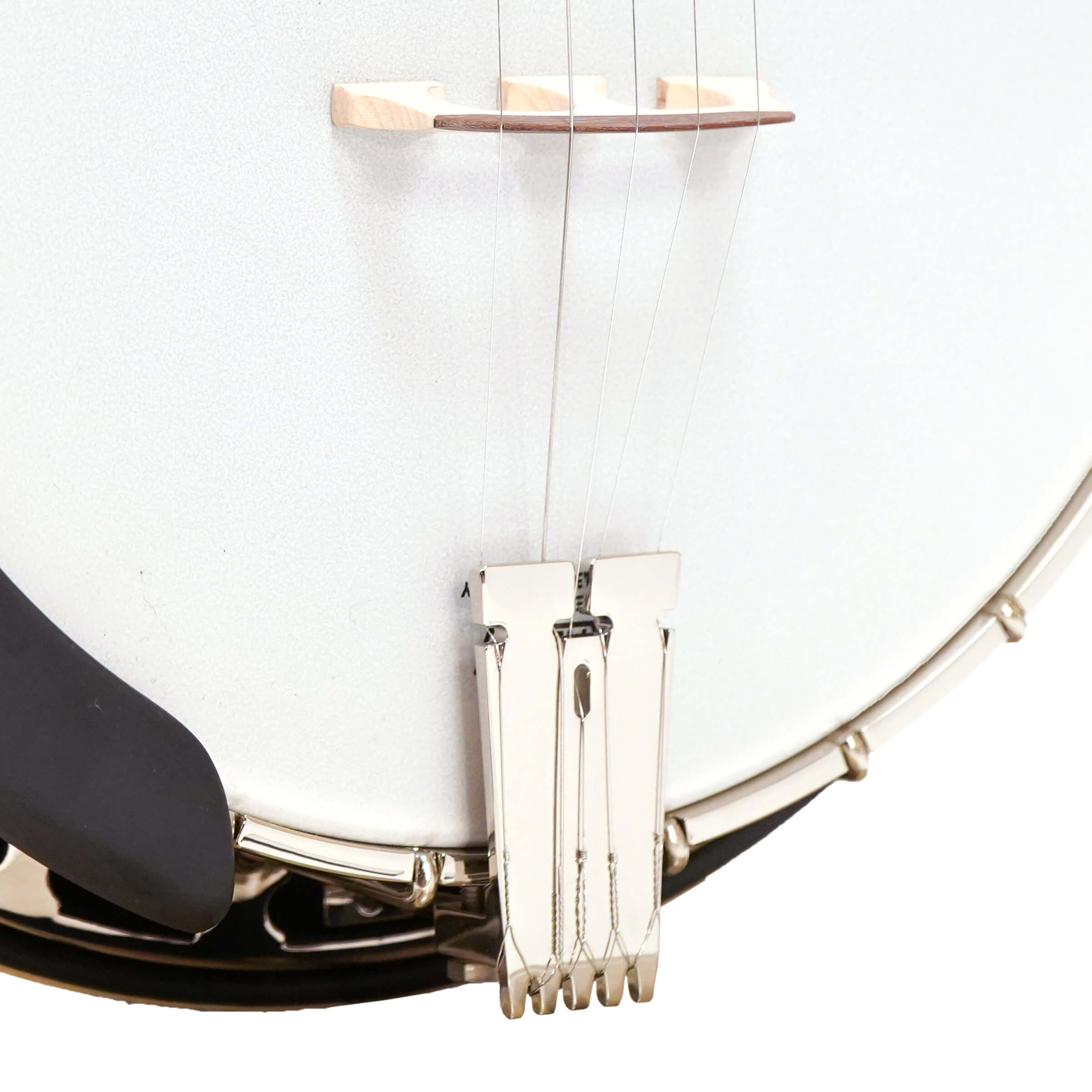
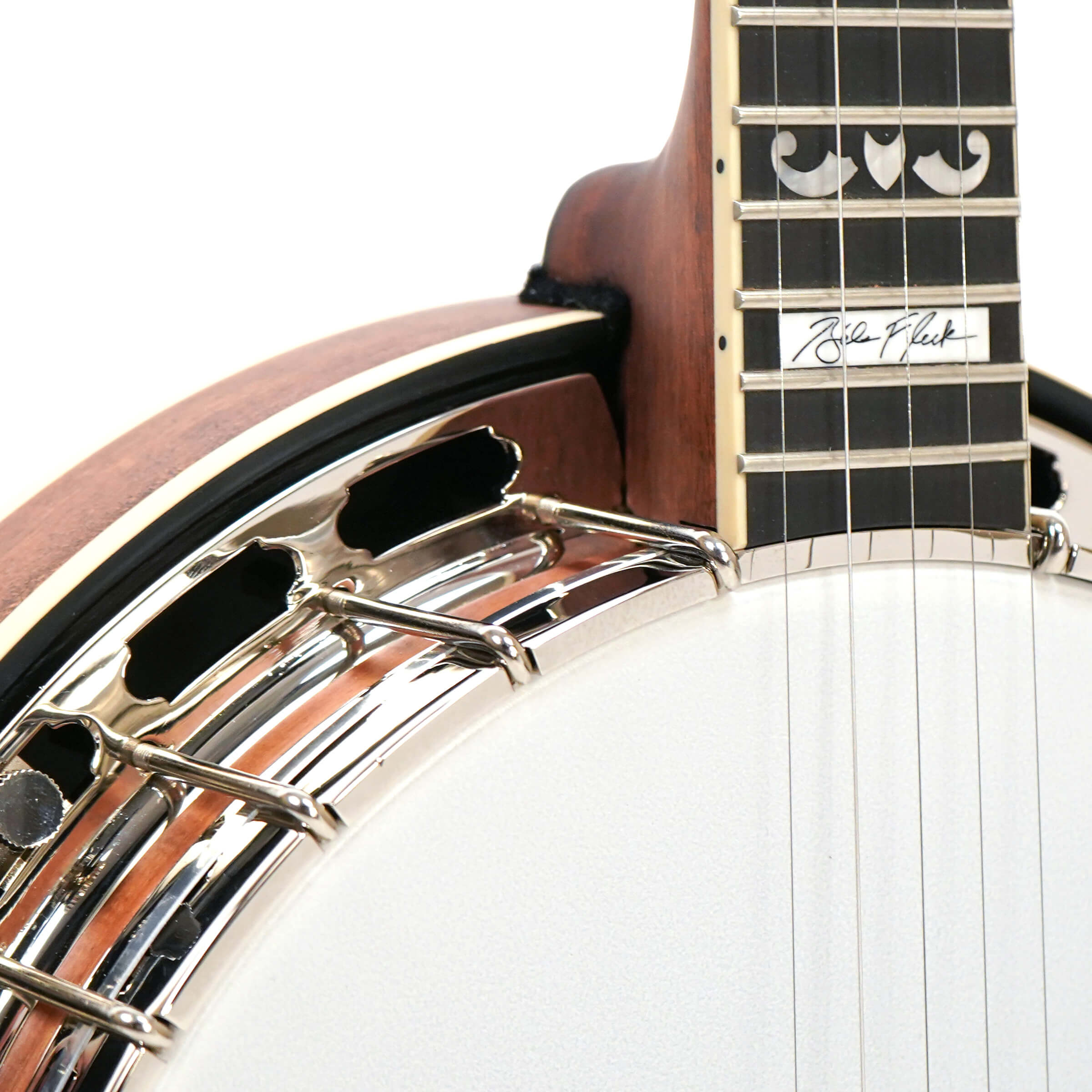
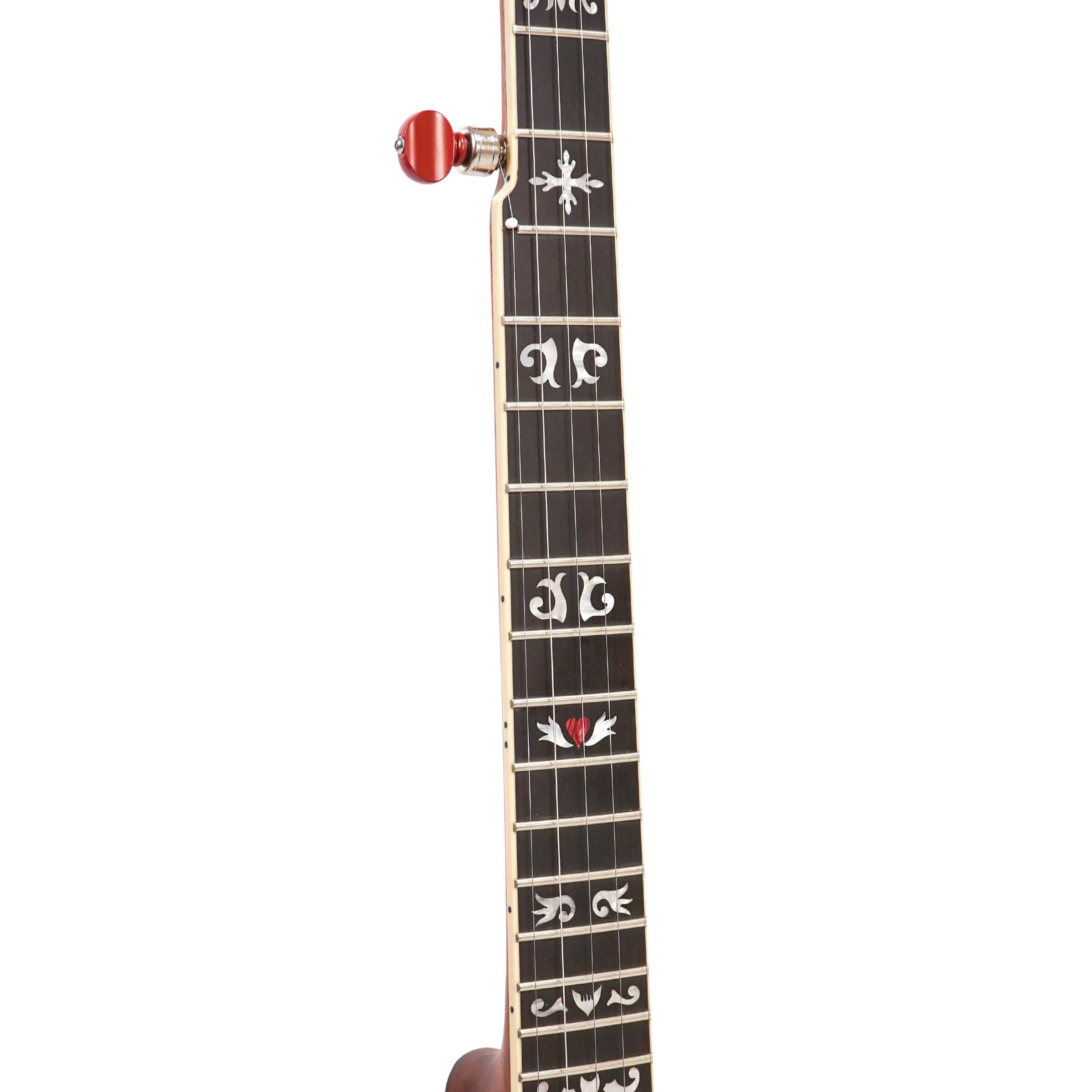
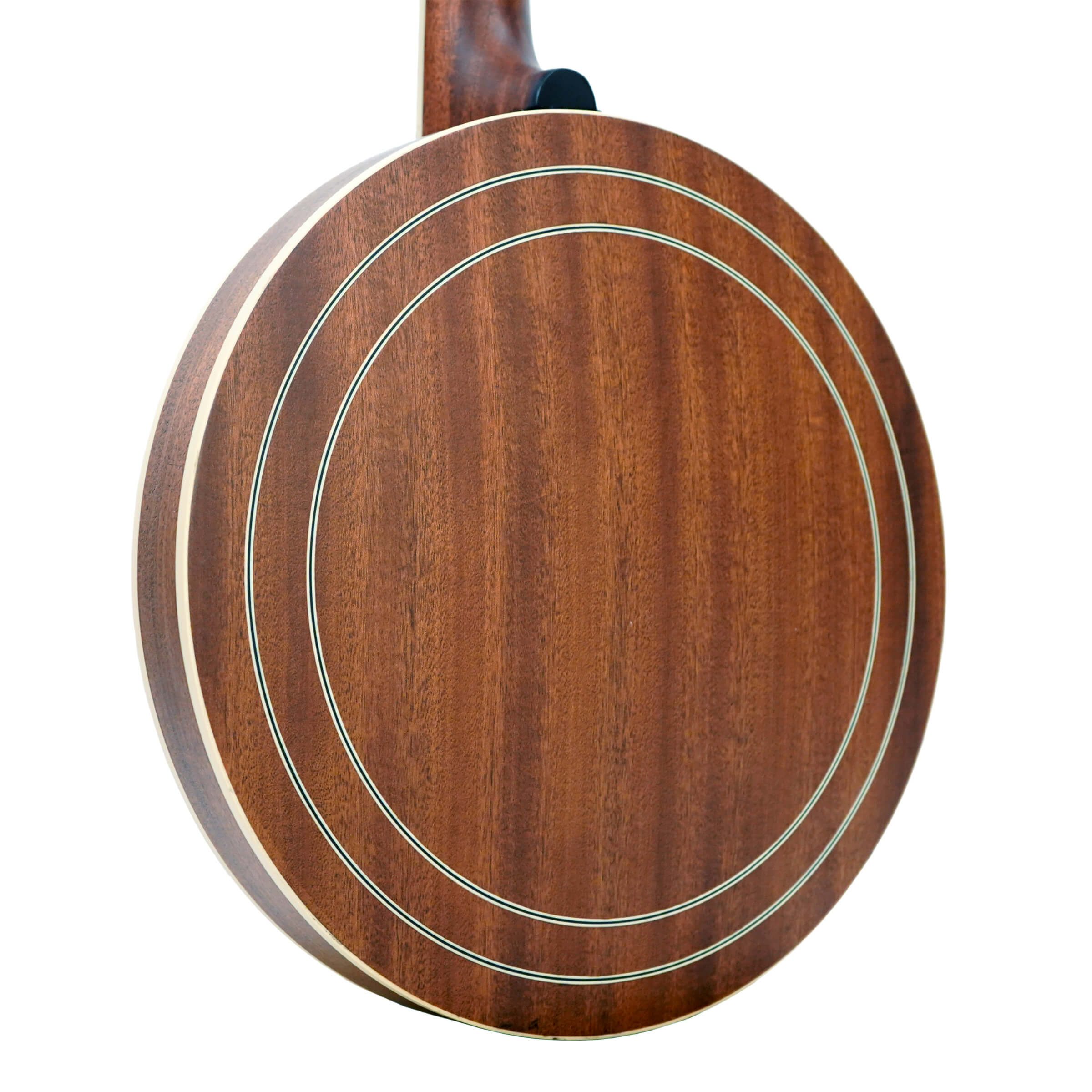
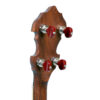
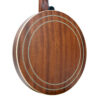
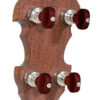
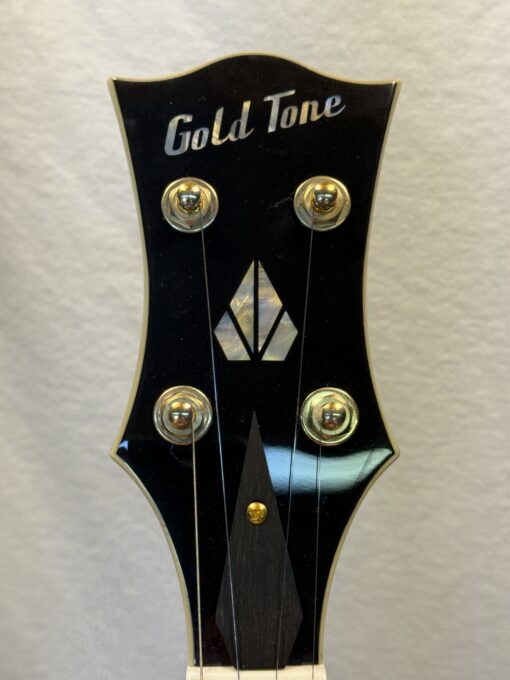
Every detail here is purposeful. The 11″ bell bronze flat-top tone ring with no hole produces that characteristic warm, full-spectrum bloom that Béla’s sound is built on — less aggressive on the high end than a typical archtop ring, with a midrange complexity that rewards both ensemble playing and solo exploration. The ebony fingerboard runs a 5″–10″ compound radius, mimicking the feel of Monteleone’s original neck work and giving your fretting hand real room to move across single-string runs and chord voicings alike. Inlay was customized in collaboration between Fleck and Rogers — Flying Eagle modifications with distinctive red hearts that make this banjo immediately recognizable. Rickard Cyclone tuners at a 10:1 ratio hold pitch with precision under hard picking. The mahogany neck and resonator are finished in a warm satin that keeps the focus on the wood itself, and the one-piece cast flange, dual 11″ coordinator rods, Prucha Presto tailpiece, notched tension hoop, and 24 brackets round out a pot assembly that is built to perform at the highest level. This is a banjo for the player who has moved beyond bluegrass as a boundary and treats the instrument as a vehicle for everything music can be.
Every instrument receives a professional factory setup at Gold Tone in Titusville, Florida before it ships. On the OB-Bela, that means the compound-radius bridge is seated and fitted correctly, action is dialed in at the nut and bridge to complement the radiused fretboard geometry, intonation is checked across the full 22-fret range, and the truss rod is set for optimal relief under playing tension. You are not receiving a banjo fresh out of a shipping box. You are receiving a playing instrument, ready to go.
Why Buy From Banjo Warehouse
Banjo Warehouse is an authorized Gold Tone dealer, which means every OB-Bela we sell is covered by full manufacturer warranty and backed by our direct relationship with the Gold Tone team in Titusville, Florida. The OB-Bela is the real thing. Financing is available through PayPal Pay in 4 and 3, 6, 12, and 24-month plans — no late fees, plus Afterpay. Reach out any time if you have questions before you buy.
Gold Tone OB-Bela Specifications
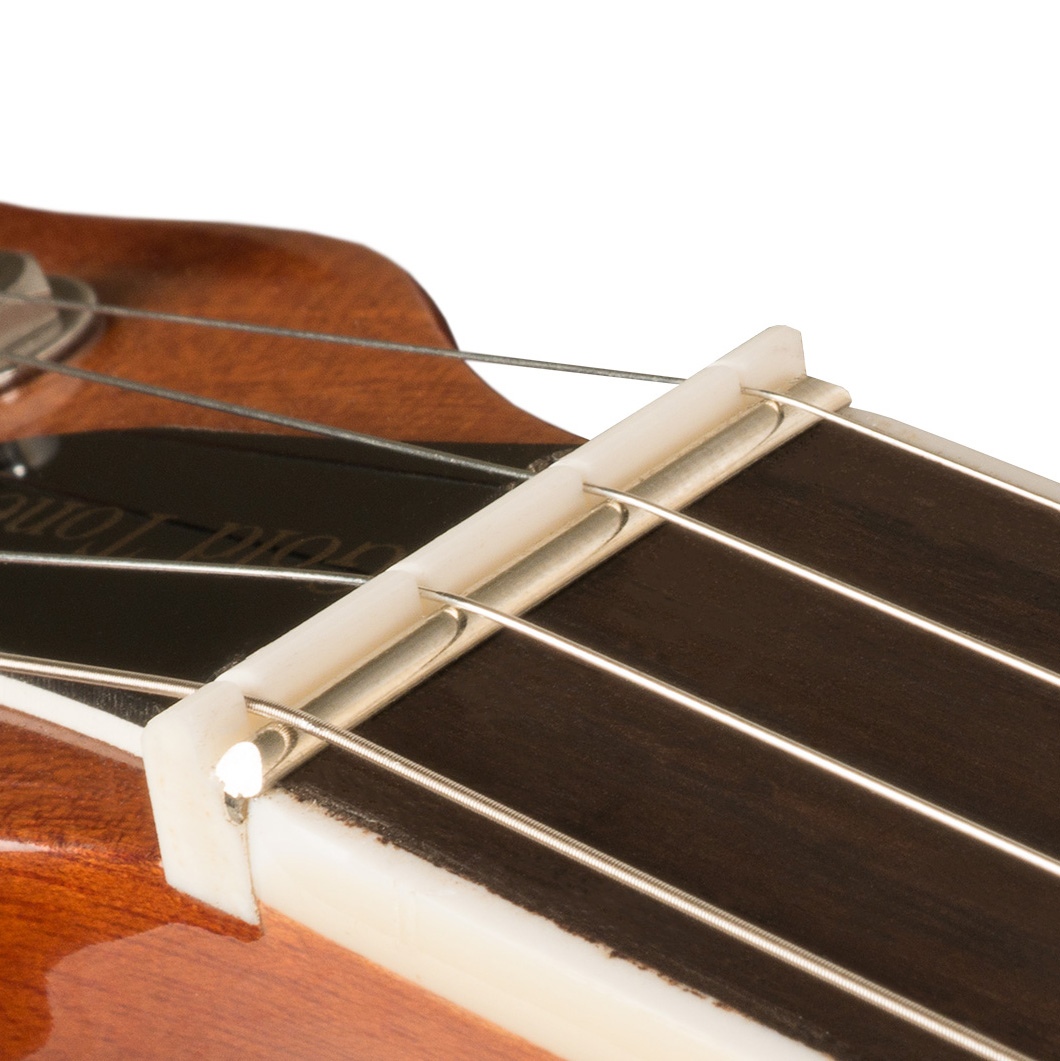
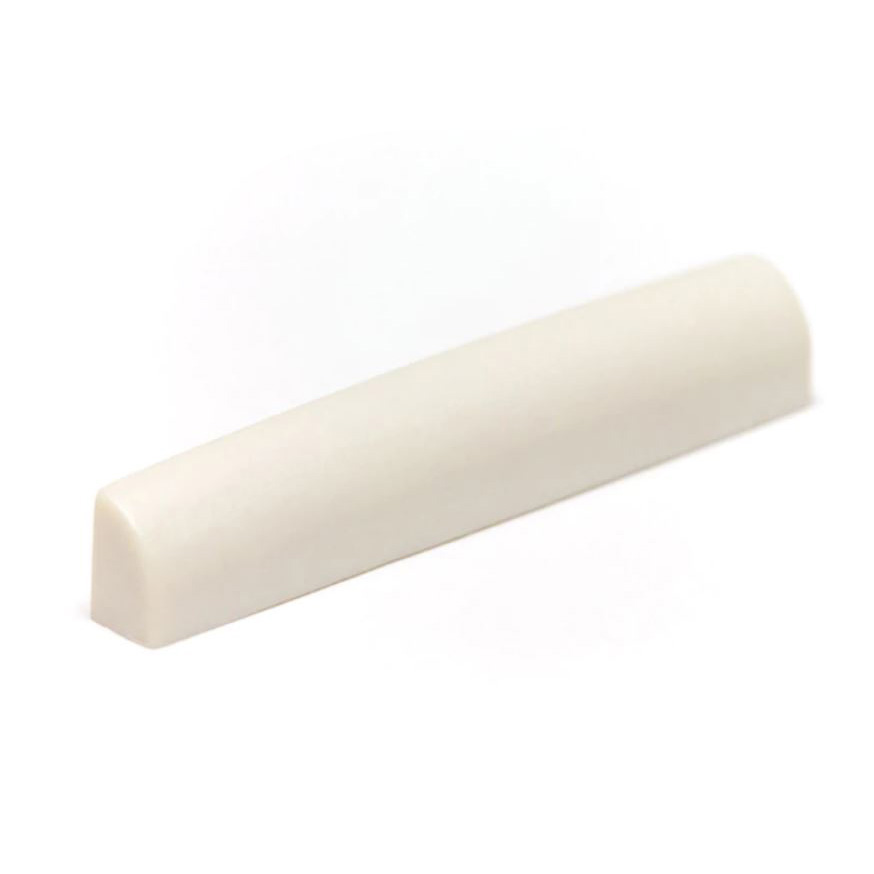
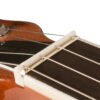
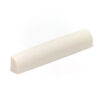
| Nut Width | 1-9/32″ Bone |
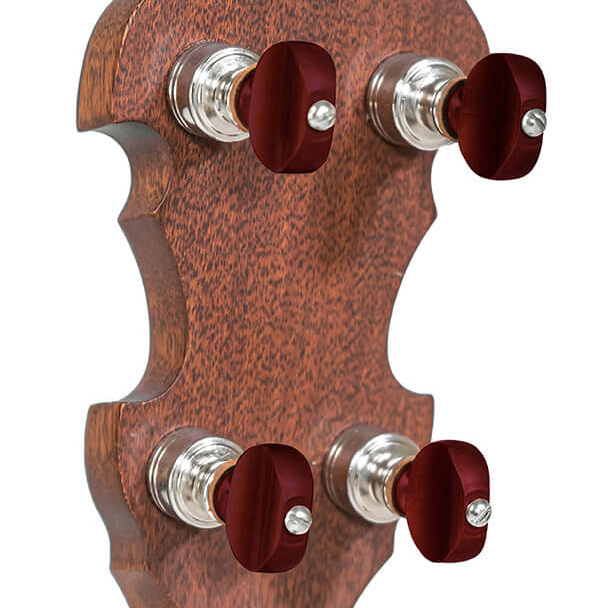
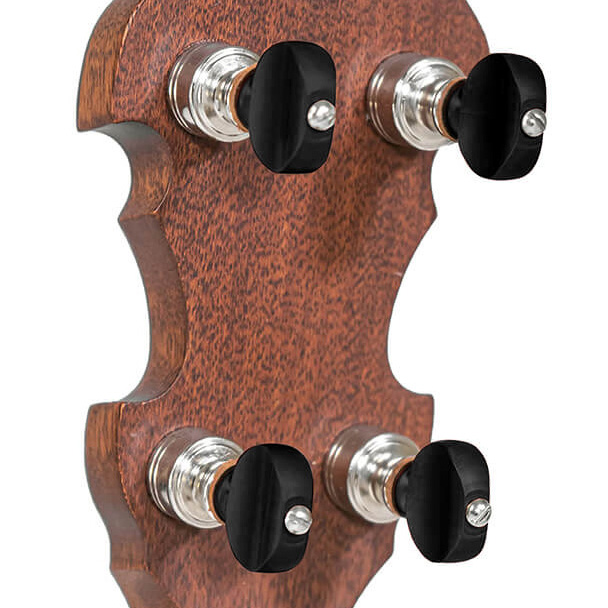
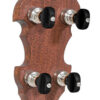
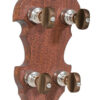
| Tuners | Rickard Cyclone 10:1 Ratio |
| Headstock Buttons | Brass |
| Neck Material | Mahogany |
| Fingerboard | Ebony, 5″–10″ Compound Radius |
| Frets | 22 |
| Inlay | Customized by Fleck/Rogers — Flying Eagle Modifications with Red Hearts |
| Truss Rod | Two-Way Adjustable |
| Scale Length | 26-3/16″ |
| Rim | 11″ 3-Ply Maple |
| Tone Ring | 11″ Flat Top — No Hole — Bell Bronze |
| Head | 11″ Remo HC Coated Topside |
| Tension Hoop | 11″ Notched |
| Brackets | 24 |
| Coordinator Rods | Dual 11″ |
| Flange | One-Piece Cast |
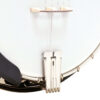
| Tailpiece | Prucha Presto |
| Bridge | Maple with Padauk Cap, 7/8″ height, 10″ radius |
| Armrest | Little Mountain Style |
| Resonator | Mahogany with Concentric Rings |
| Binding | Crème |
| Finish | Mahogany Satin |
| Hardware | Nickel Plated |
| Tuning | G D G B D |
| String Gauge | .009, .020w, .013, .011, .009 |
| Weight | 11.5 lbs. |
| Case | Included |
Frequently Asked Questions
What makes the OB-Bela’s tone ring different from a standard Mastertone-style tone ring?
The OB-Bela uses an 11″ flat-top bell bronze tone ring with no hole — a configuration that is distinctly different from the archtop or flathead rings found on most high-end bluegrass banjos. Bell bronze has a slightly warmer, more complex harmonic character than standard brass, and the flat-top no-hole design emphasizes midrange depth over high-end brightness. This is exactly what Béla was chasing when he built his Number 1 — a banjo that could sustain, bloom, and project across a full tonal spectrum without the hard attack edge of a typical archtop ring. If you play melodic or single-string styles, or if you want a bluegrass banjo that sounds less aggressive and more musical in ensemble contexts, this tone ring is a genuine advantage.
Is the compound-radius fingerboard difficult to adjust to if I’m coming from a standard flat-board banjo?
Most players coming from a flat-board banjo find the compound radius to be an immediate improvement in comfort rather than a challenge. The radius is subtle at the nut end (5″) and gradually flattens toward the body (10″), which means chord positions near the nut feel more natural for your fretting hand while single-string runs higher up the neck benefit from a flatter plane that reduces fretting effort. Béla’s original request for this feature was driven by the demands of single-string technique, and Gold Tone has carried it over faithfully in the OB-Bela. Professional factory setup ensures the bridge radius matches the fingerboard radius, so the action feels consistent and even across all strings from the first fret to the 22nd.
Want to know when new banjos arrive? Join our email list: Sign up here.
Videos
Be the first to review “Gold Tone OB-Bela Mastertone Béla Fleck Signature Banjo with Case”
You must be logged in to post a review.
Related products
The Gold Tone OB-2 JM Joe Mullins Signature Banjo delivers authentic 1960s Mastertone bowtie tone with modern reliability. Featuring a rolled brass tone ring, mahogany resonator with golden sunburst finish, mahogany neck, and premium Gotoh tuners.
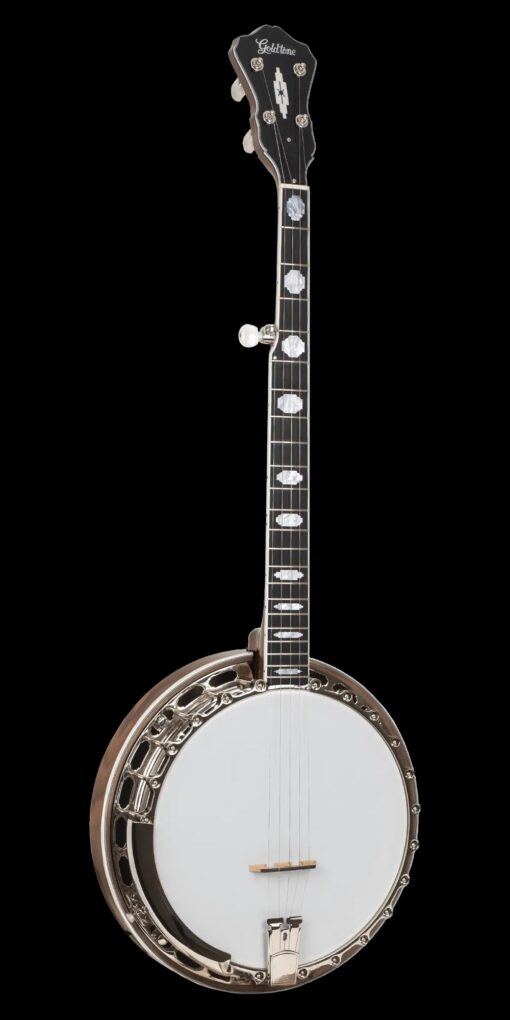
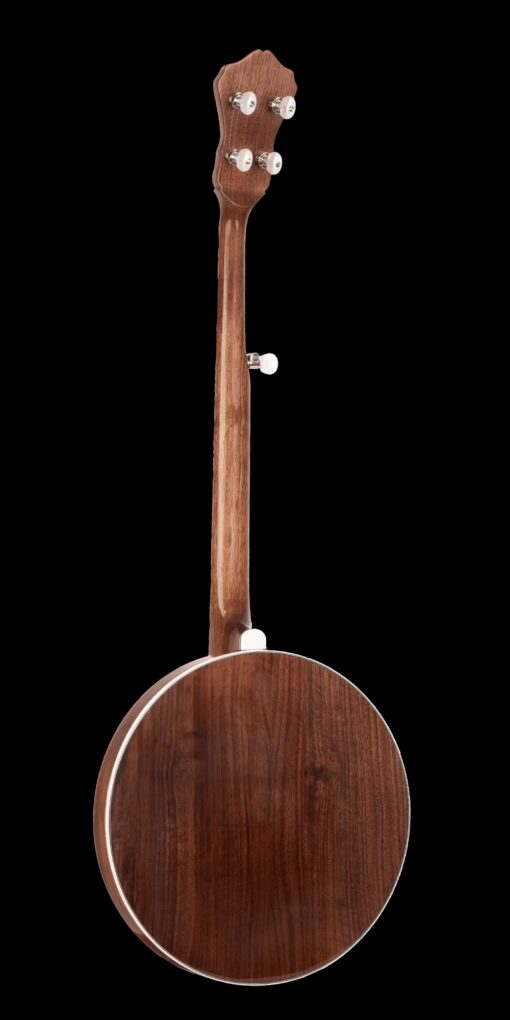
Greg Rich’s first Gold Tone design. Pre-war formula flathead tone ring, walnut construction, top tension rim, Prucha Presto tailpiece. Setup by our banjo tech Tara.
![Gold Tone BG-175F Mastertone Bluegrass Banjo - front [gt-variant:1419]](https://banjowarehouse.com/wp-content/uploads/2026/06/01_1-front_BG-175F-510x1020.webp)
![Gold Tone BG-175F Mastertone Bluegrass Banjo - front [gt-variant:1419]](https://banjowarehouse.com/wp-content/uploads/2026/06/02_2-front_BG-175F-510x510.webp)
Flying Eagle inlays and Mastertone styling for under $1,000. The BG-175F features a rolled brass tone ring, mahogany construction, and weighs just 8.5 lbs. Greg Rich design.

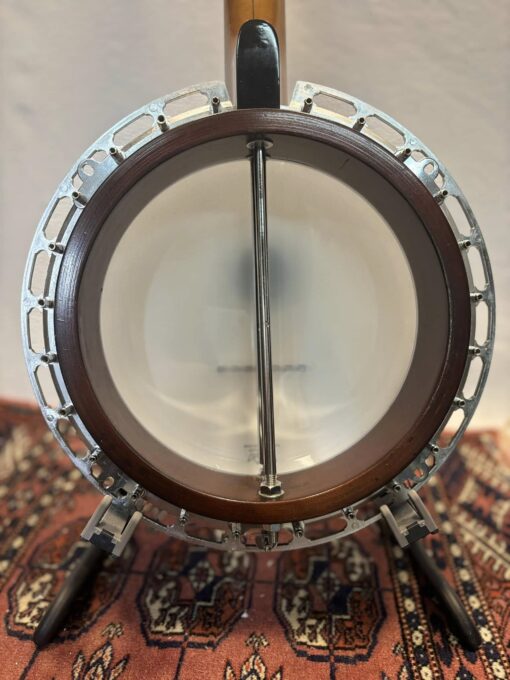
1970s/1980s Vintage Japanese Aria Pro II Banjo with hard-shell case. These phenomenal instruments were built during the Golden Age of Japanese banjo building.
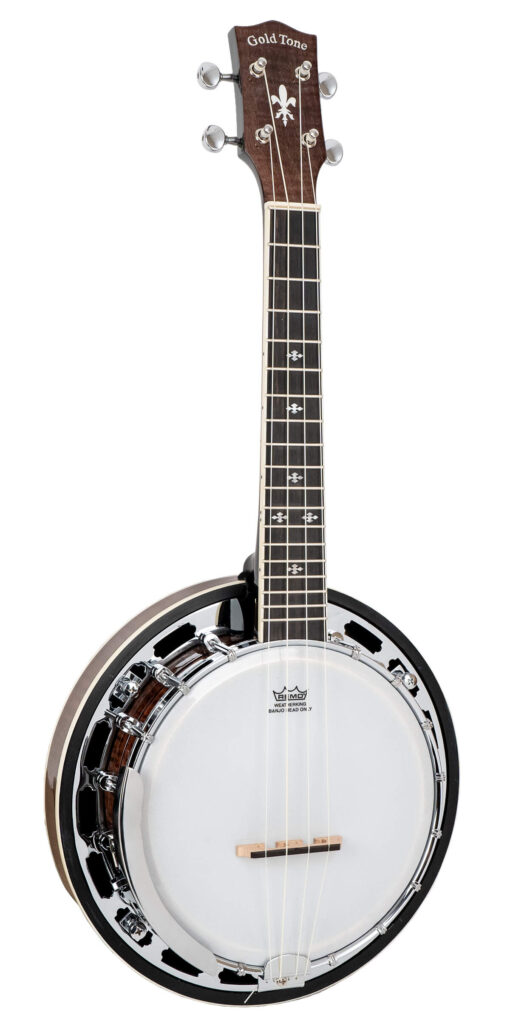
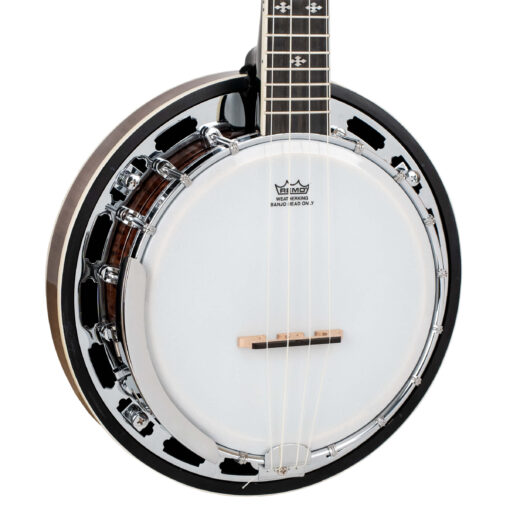
Brand new Gold Tone Banjolele-DLX Mastertone concert-scale banjo ukulele featuring a gorgeous flamed maple resonator with vintage brown sunburst finish. This deluxe instrument includes an ebony fingerboard with snowflake inlays, one-piece cast flange, rolled brass tone ring, 8-inch Remo head, and chrome hardware. Designed in the style of the famous banjo ukes played by George Formby. Tuned GCEA. Includes padded gig bag.
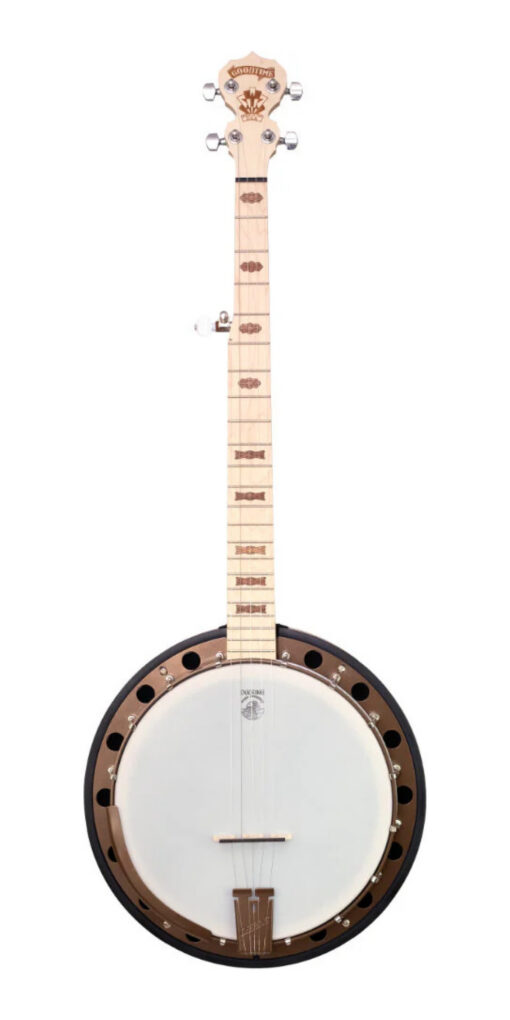
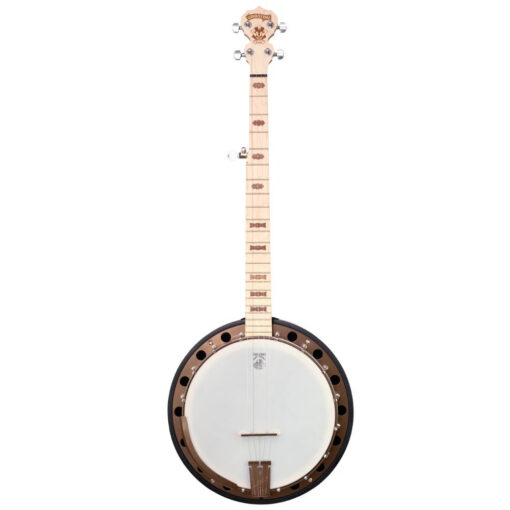
The Deering Goodtime Two adds a resonator to the beloved Goodtime platform for more volume and projection. 3-ply violin grade maple rim paired with a 3-ply maple resonator produces a rich, golden bluegrass tone. Art Deco inspired hardwood inlays. US Bronze powder finished flange and hardware. Handcrafted in Spring Valley, California. $849 with free shipping and professional setup by our banjo tech Tara. Made in the USA.
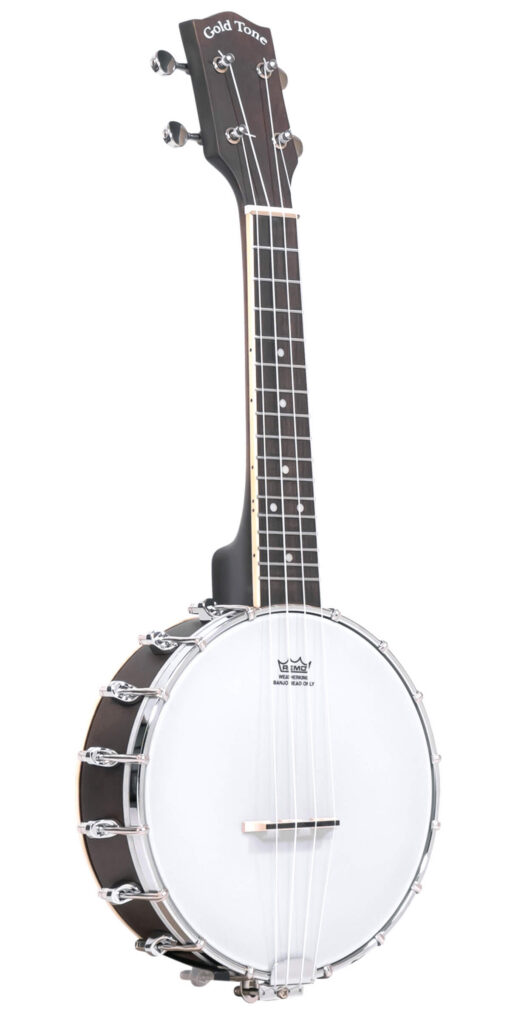
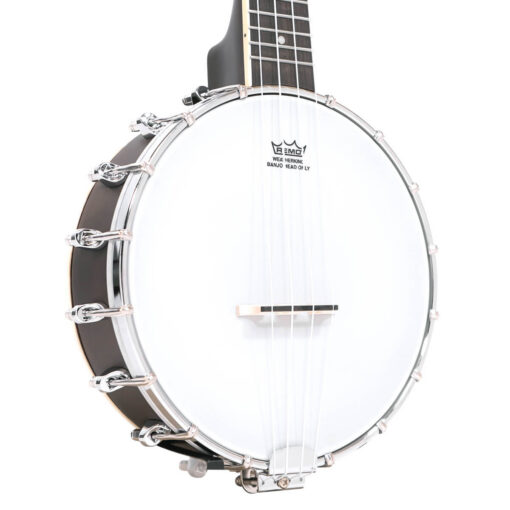
The four members of the Gold Tone banjo-ukulele choir (soprano, concert, tenor, and baritone) all utilize the same eight-inch maple-rimmed pot assembly and differ only in the scale lengths of their necks. All models feature Remo Weather King heads, maple necks with bound fingerboards, geared guitar-style tuners, and plate-style resonators.


The Gold Tone CEB-4 is a one-of-a-kind cello banjo developed in collaboration with string virtuoso Marcy Marxer, bringing back a nearly forgotten voice from the early twentieth century banjo orchestra era. Tuned in fifths (CGDA) on a 14-inch pot with a rolled brass flat bar tone ring, it delivers deep, punchy low-end that works beautifully in any genre. Mandolin, mandola, viola, and cello players will feel right at home within minutes — and it ships with a hard case included.
Reviews
There are no reviews yet.