






Gold Tone GRS/L Paul Beard Metal Body Resonator Guitar (Left-Handed)
$1,399.99
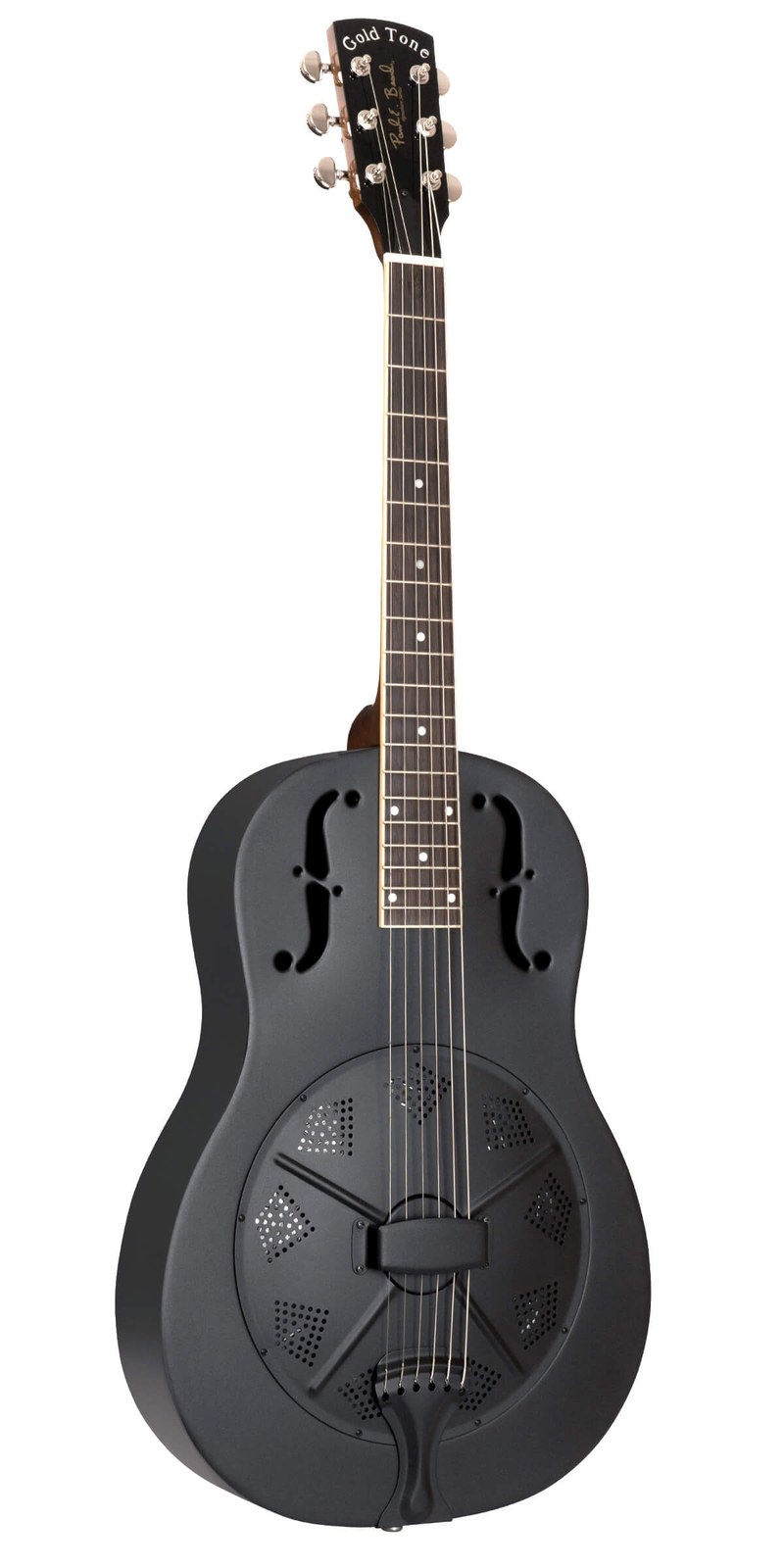
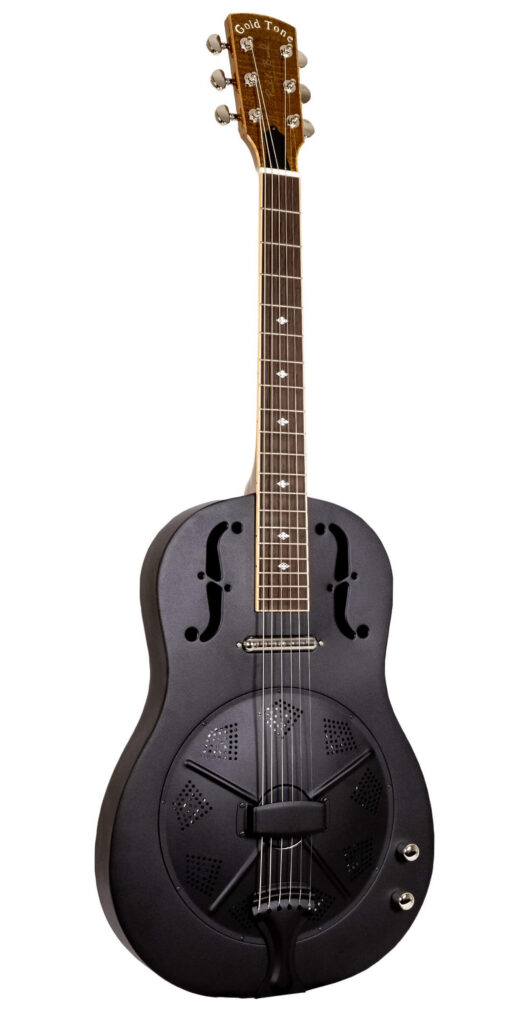
This is the left-handed version of the Gold Tone GRS, a Paul Beard-designed metal body resonator guitar. It delivers that unmistakable resonator bark and warmth — perfect for blues, bluegrass, and slide work. Lefties finally have a serious resonator option at a price that makes sense.
In stock
Questions? Call or text us at 404-218-8580Read customer reviews
At a Glance
- Handedness
- Left-Handed
- Style
- Resonator Guitar
- Strings
- 6
- Scale Length
- 25"
- Pickup
- Yes
- Made In
- China
- Weight
- 9 lbs
The Gold Tone GRS/L is a left-handed metal body resonator guitar, available now from Banjo Warehouse in Yellow Springs, Ohio. It is a purpose-built lefty version of the GRS, Gold Tone’s collaboration with resonator builder Paul Beard, and it brings the full character of the right-handed model to players who fret with their right hand. Left-handed resonators are genuinely hard to find. Most players in this position end up waiting on a special order, settling for a restrung right-handed instrument, or giving up on the sound entirely. This is a real production lefty, built correctly from the ground up.
How the GRS/L Sounds
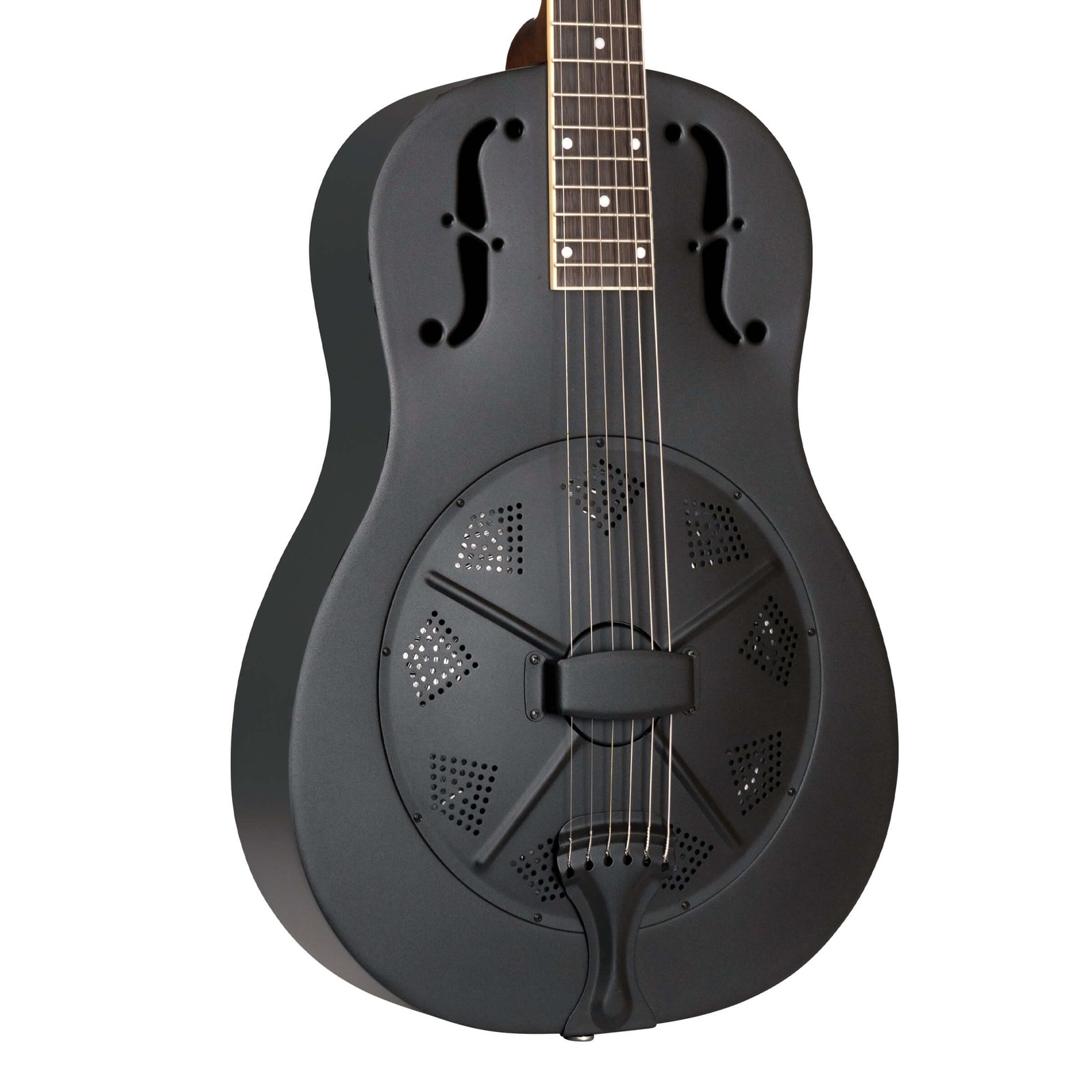
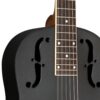
The full-depth steel body is the reason this guitar carries. At 3.125 inches deep, it is not a thin-bodied resonator, and the extra internal volume takes the energy generated by the reverse-cone resonator and biscuit bridge and pushes it out with real force. The voice is classic biscuit-cone resonator: cutting in the midrange, punchy on attack, with natural projection that fills a room with no amplification at all. It suits Delta blues slide, old-time playing, and Dobro-influenced bluegrass, and it has enough presence to sit in a jam circle without disappearing.
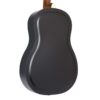
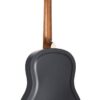
The brushed aluminum cone and biscuit are matched to the brushed aluminium finish and hardware, which gives the whole instrument a consistent, industrial look rather than the polished chrome treatment you see on most metal body resonators.
Hear the GRS/L
Recorded specifications and written descriptions only go so far with a resonator. Listen to how it responds to attack and how much of the room it fills before you decide.
The Gold Tone and Beard Coverplate
This is the detail that separates the GRS/L from older metal body designs. The Gold Tone and Beard resonator coverplate includes a removable palm rest, which means you can reach the bridge and saddle without stripping off the coverplate and hardware. Adjusting string action, changing break angle, tweaking string spacing, or replacing the bridge saddle all become straightforward jobs rather than a full teardown. For an instrument that responds noticeably to saddle and setup changes, that access matters more than it sounds like it should.
Construction and Materials
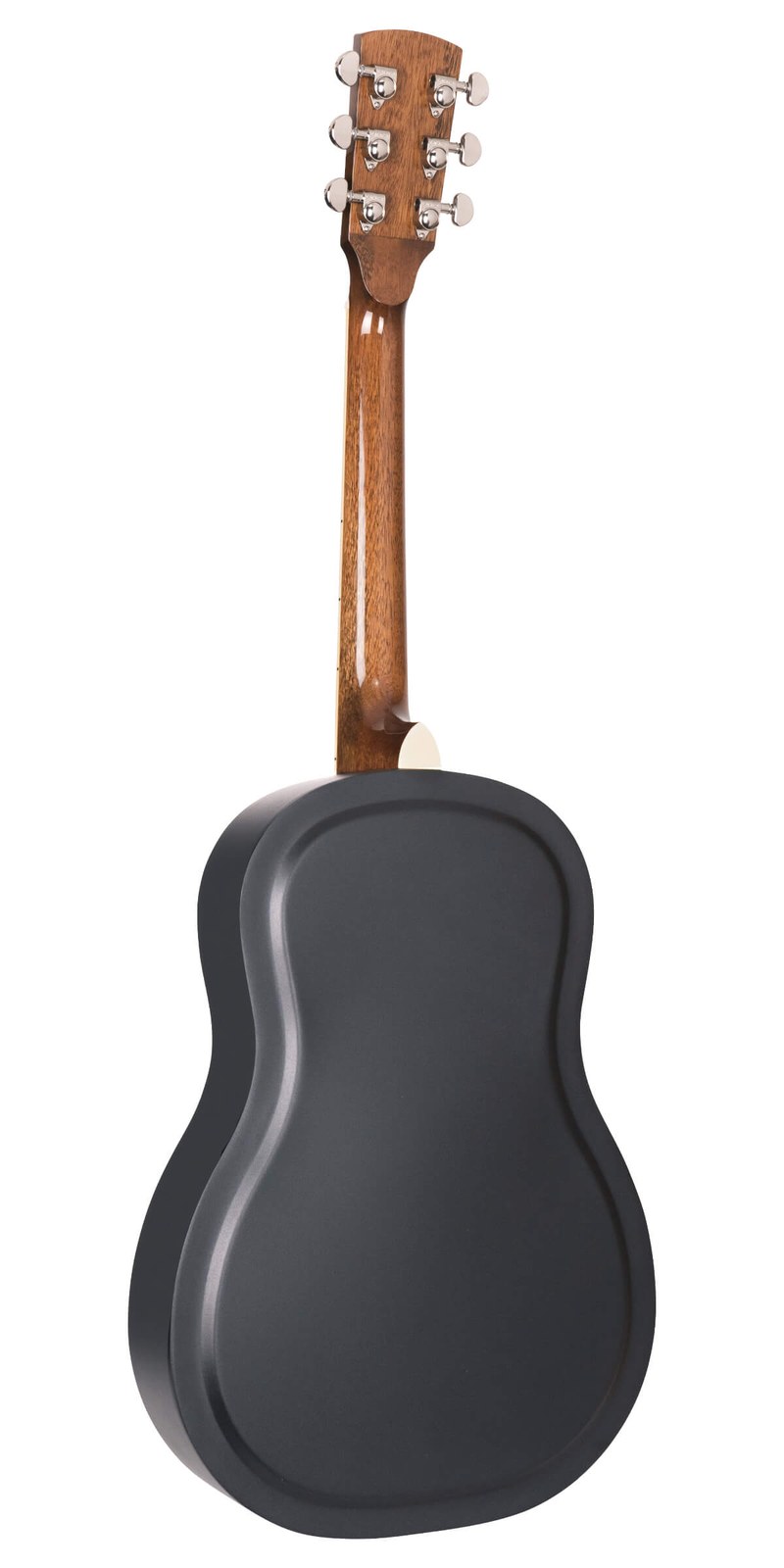
The maple neck carries an ebony fingerboard with 19 frets and dot inlays, anchored by a two-way adjustable truss rod that holds the neck through seasonal humidity swings. Ebony is a harder, denser fingerboard material than rosewood, and it contributes to the tight, focused attack this guitar produces. Celluloid binding trims the body. The bridge is maple with an ebony insert, and the Paul Beard 6-string tailpiece is not a generic part: Beard is one of the most respected names in resonator building, and his tailpiece design contributes meaningfully to sustain and to the string break angle over the biscuit cone. Metal die-cast tuners with metal buttons round out the hardware.
Setup Before It Ships
Every Gold Tone instrument receives a professional setup at the Gold Tone factory in Titusville, Florida. On a resonator guitar that means checking cone seating, setting action at the nut and bridge for comfortable playability, verifying intonation, and inspecting fret ends and neck relief. The guitar arrives ready to play rather than needing a trip to a repair shop before it is enjoyable.
Why Buy From Banjo Warehouse
Banjo Warehouse is an authorized Gold Tone dealer. That means you are buying a genuine instrument backed by Gold Tone’s manufacturer warranty, with full dealer support from us. We have been selling and playing these instruments for decades, and if you have a question about whether this is the right guitar for what you play, call us and ask.
Financing is available. PayPal Pay in 4 is offered on all orders through our site. Afterpay is available on instruments under $4,000, either as 4 interest-free installments or as a 3, 6, 12, or 24 month plan, with no late fees.
Want to know when new instruments arrive? Join our email list: Sign up here.
Gold Tone GRS/L Specifications
| Model | GRS/L (Left-Handed) |
| Handedness | Left-Handed |
| Nut Width | 1-3/4″ |
| Tuners | Metal Die-Cast with Metal Buttons |
| Tuning Buttons | Brushed Aluminium |
| Neck Material | Maple |
| Fingerboard | Ebony |
| Frets | 19 |
| Inlay | Dot |
| Truss Rod | Two-Way Adjustable |
| Top | Steel |
| Back & Sides | Steel (3.125″ Thick) |
| Binding | Celluloid |
| Bridge | Maple with Ebony Insert |
| Cone & Biscuit | Brushed Aluminum Cone and Biscuit |
| Tailpiece | Paul Beard 6-String |
| Finish | Brushed Aluminium |
| Hardware | Brushed Aluminium |
| Scale Length | 25″ |
| Weight | 9.5 lbs. |
| String Gauge | .052w, .045w, .035w, .024w, .016, .013 |
| Tuning | EADGBE (Standard) |
| Bag | HBAG (Optional) |
| Case | HDRD (Optional) |
| Setup | Professional setup at Gold Tone’s factory in Titusville, Florida |
Frequently Asked Questions
Is this guitar truly built left-handed, or is it a right-handed guitar restrung?
This is a purpose-built left-handed instrument. The GRS/L is constructed from the ground up as a lefty, so the nut, saddle compensation, and hardware orientation are all correct for left-handed playing. It is not a right-handed guitar with the strings reversed, which produces poor playability and an incorrect string break angle over the biscuit cone.
What is a reverse-cone biscuit resonator?
In a biscuit-style resonator, the aluminum cone sits with its apex pointing up toward the strings, which is the reverse of the spider-bridge arrangement where the cone opens upward and a cast metal spider spans across it. A small round biscuit rests directly on that apex and supports the bridge, so string energy transfers into a single concentrated point. The result is a bright, focused, punchy voice with that raw, woody-meets-metallic character associated with Delta blues and old-time playing. Spider-bridge resonators distribute the energy across multiple contact points and produce the fuller, rounder sound most players associate with bluegrass Dobro.
How does the full-depth body change the sound compared to a thin body resonator?
The 3.125 inch body gives the instrument substantially more internal air volume than a thin-bodied metal resonator. That translates to more low-end support underneath the midrange bark, more sustain, and more raw output. Thin body resonators tend to be tighter and more compressed, which some players prefer for slide work. The GRS/L sits on the louder, fuller side of that trade-off.
Why does the removable palm rest matter?
Resonator guitars respond noticeably to saddle height, break angle, and string spacing, and dialing those in usually means removing the coverplate and hardware every time you want to make a change. The removable palm rest on the Gold Tone and Beard coverplate gives you direct access to the bridge without that teardown, so setup adjustments and saddle swaps take minutes instead of an afternoon.
What strings does it ship with, and can I change gauges?
The GRS/L ships with a .052w to .013 set in standard EADGBE tuning. You can move to a heavier set if you play primarily slide in an open tuning, which is common on resonators, but check the action and break angle over the biscuit after any significant gauge change. If you are unsure, call us and we will talk through it.
Is this guitar heavy?
At 9.5 pounds it is noticeably heavier than a wood-body acoustic. That mass is part of why a steel body resonator projects the way it does. A wide, padded strap makes a real difference for longer playing sessions.
Be the first to review “Gold Tone GRS/L Paul Beard Metal Body Resonator Guitar (Left-Handed)”
You must be logged in to post a review.
Related products
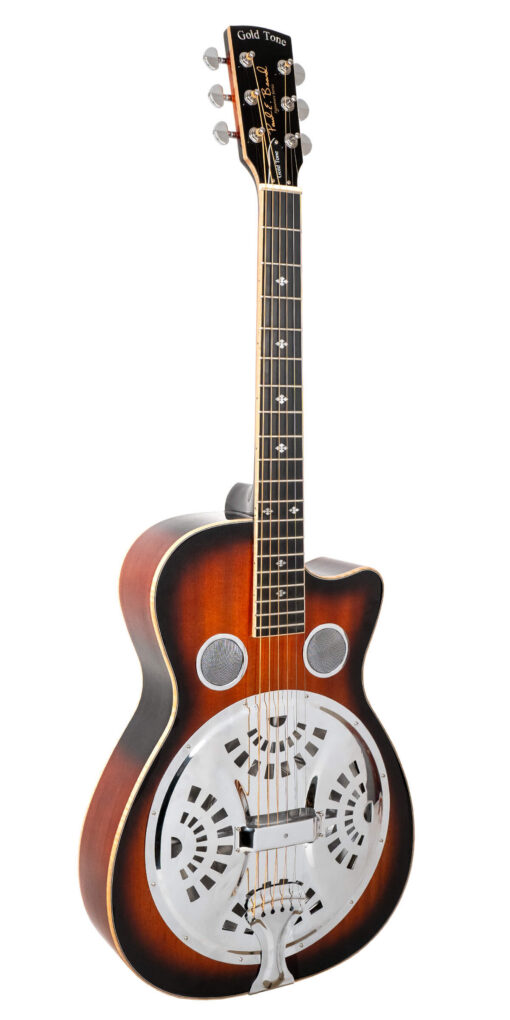
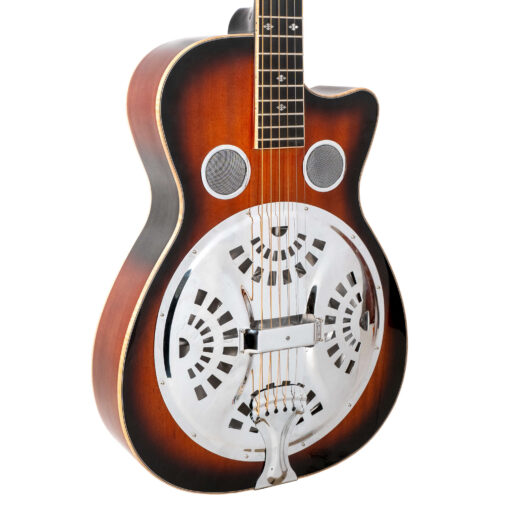
The Gold Tone PBR-CA is a Paul Beard Signature-Series roundneck resonator guitar built around a genuine US-made Beard cone, spider bridge, and Paul Beard's renowned open soundwell — all housed in a handsome mahogany body finished in rich tobacco sunburst. That combination produces the warm, singing blend of wood and metal resonance that country blues players and fingerstyle soloists have chased for generations. Every PBR-CA is professionally set up at Gold Tone's factory in Titusville, FL and includes a hardshell case.
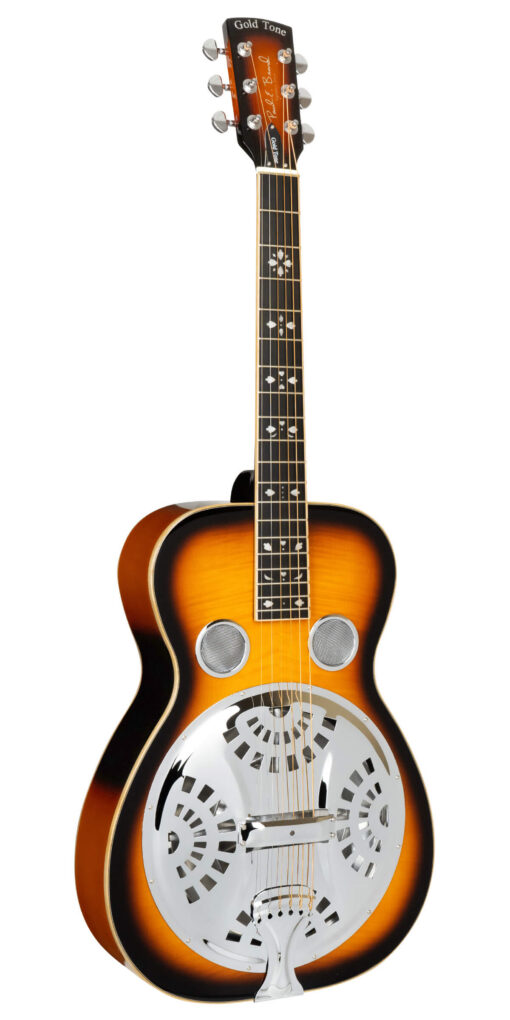
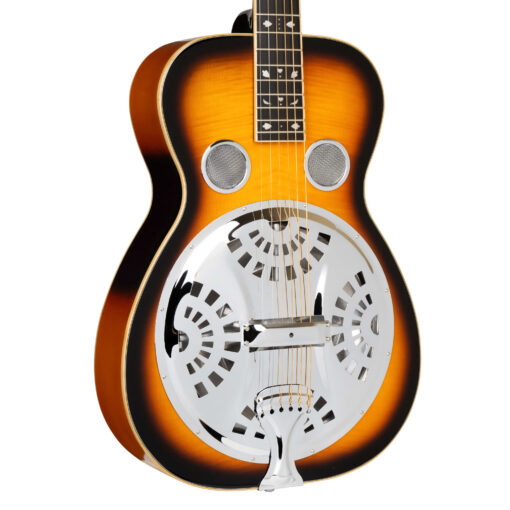
This is the left-handed version of the Gold Tone PBR-D, a Paul Beard Signature-Series roundneck resonator guitar built for players who demand authentic dobro tone from a professionally crafted instrument. A mahogany body finished in rich tobacco sunburst houses a genuine US-made Beard cone, spider bridge, and Paul Beard open soundwell — the combination that defines sweet, singing country blues and fingerstyle slide. Every one ships with a hard case and is professionally set up at Gold Tone's factory in Titusville, FL.
On order from Gold Tone. We don't have this one in the warehouse right now. Placing an order reserves you a unit from the incoming batch. Lead times vary by model, so get in touch before you buy and we'll tell you where this run currently stands. Your payment is fully refundable at any time before your order ships, for any reason and with no restocking fee.
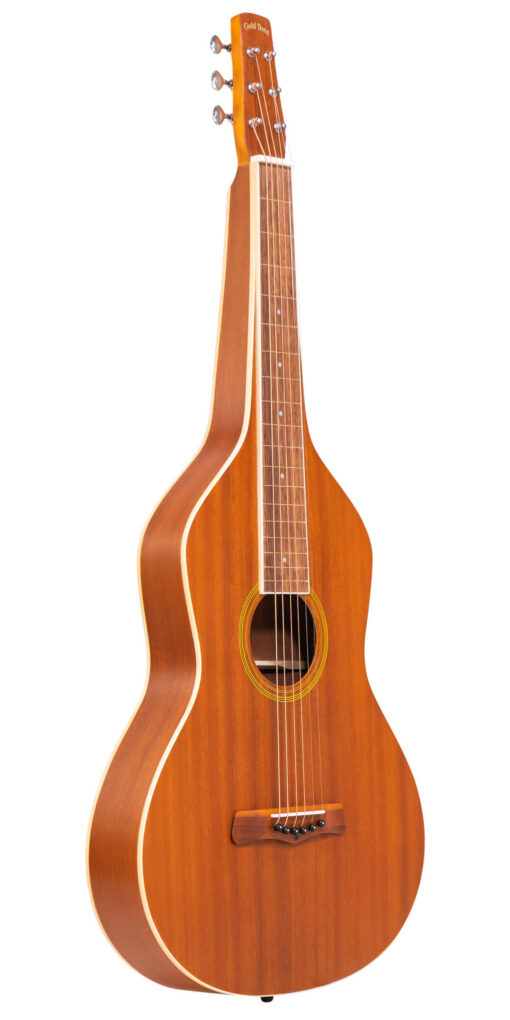
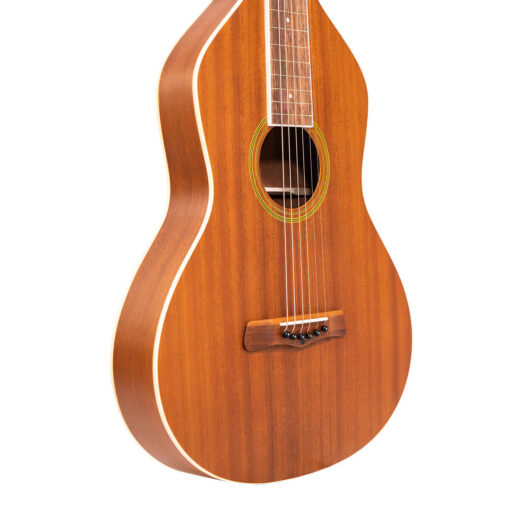
The Gold Tone GT-Weissenborn brings the hauntingly beautiful voice of traditional Hawaiian lap steel guitar to players at an accessible price point. Built with a all-sapele body, ebony bridge, and bone saddle, this hollow-neck slide guitar delivers that warm, singing tone that made the Weissenborn style legendary. Every one ships with a professional factory setup from Gold Tone in Titusville, Florida, and financing is available so you can start playing today.
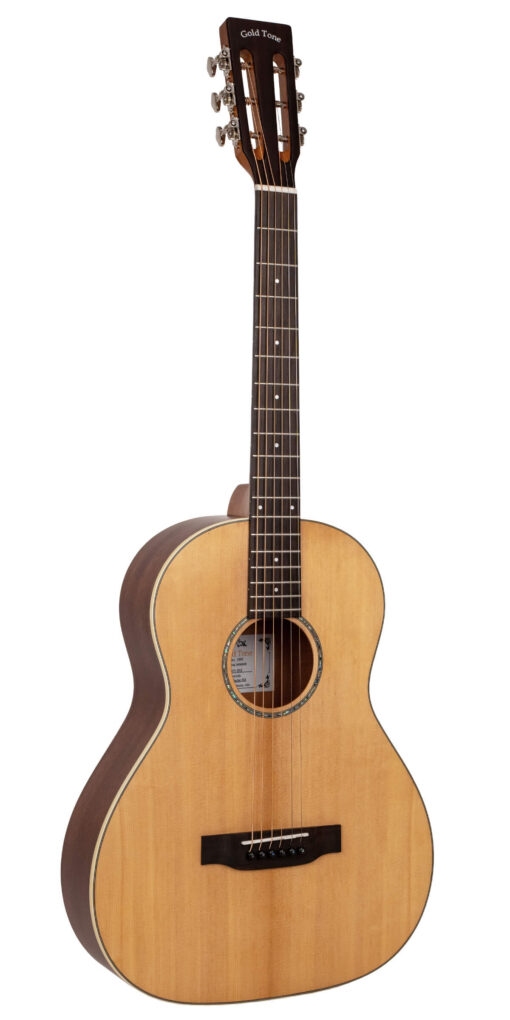
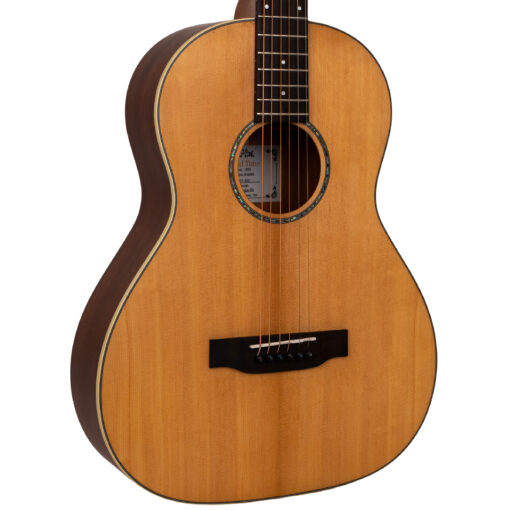
The Gold Tone Parlor is an all-solid-wood acoustic-electric guitar built for players who love vintage tone in a compact, comfortable body. A solid Sitka spruce top paired with solid mahogany back and sides delivers warm, midrange-rich sound that fingerpickers and folk and blues players will love. Every one ships with a professional factory setup from Gold Tone in Titusville, Florida, a gig bag, and the peace of mind that comes from buying through an authorized Gold Tone dealer.
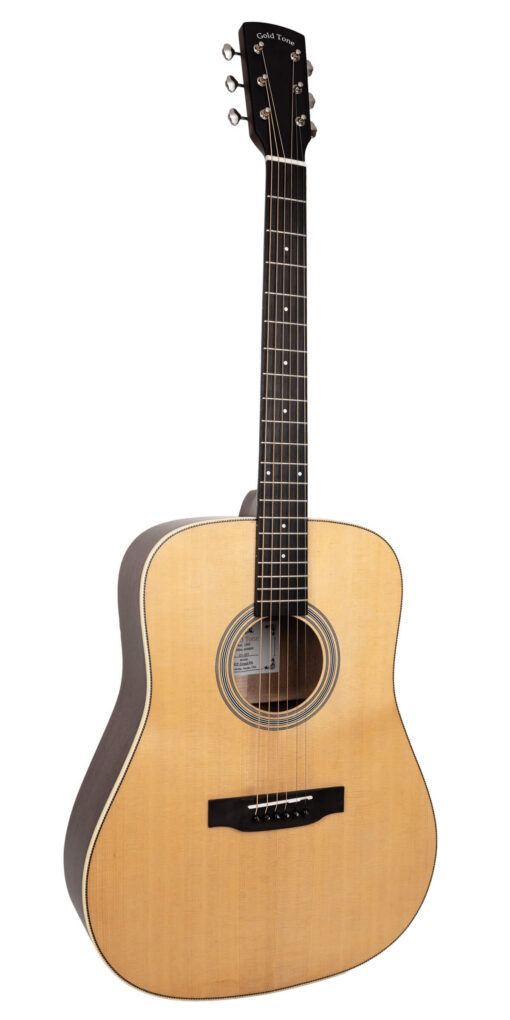
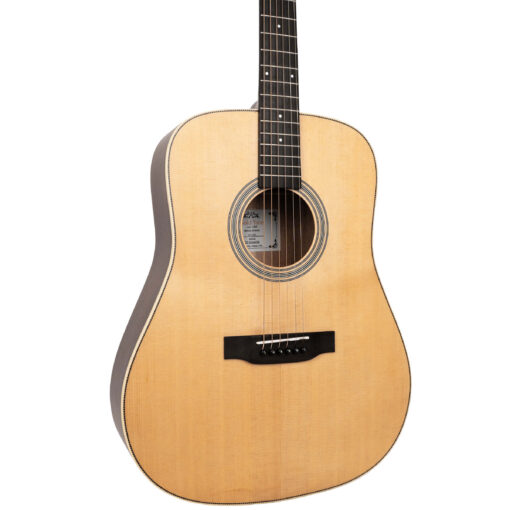
The Gold Tone GT-Dread-NA is an all-solid wood dreadnought acoustic-electric guitar built for players who want real tonal depth without compromising on playability or value. A solid Sitka spruce top paired with solid mahogany back and sides produces the bold projection and warm resonance that only solid woods can deliver, while an onboard Fishman pickup system brings that natural voice to any stage. Every GT-Dread receives a professional factory setup at Gold Tone in Titusville, Florida before shipping — ready to play the moment it arrives.
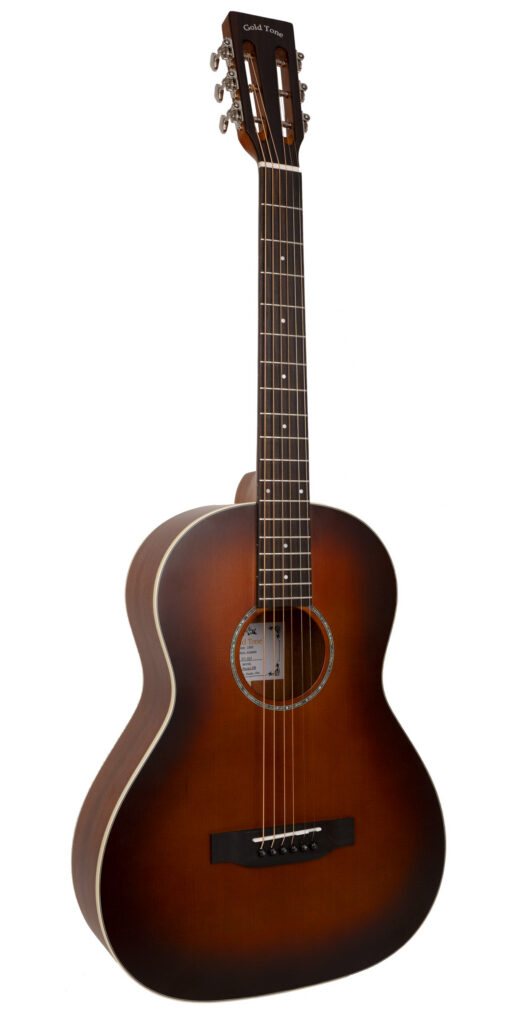
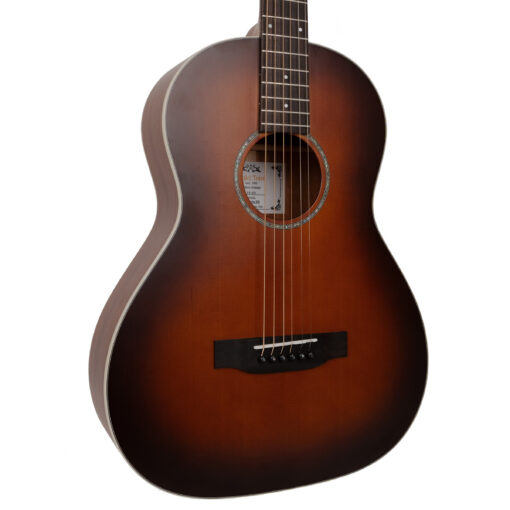
The Gold Tone GT-Parlor-BR is an all-solid wood acoustic-electric parlor guitar built for players who crave vintage warmth in a compact, comfortable package. A solid Sitka spruce top over solid mahogany back and sides delivers a rich, midrange-focused voice that sings for fingerpicking, blues, and folk, while a built-in Fishman pickup lets you plug in whenever the room demands it. Every GT-Parlor-BR ships with a professional factory setup from Gold Tone in Titusville, Florida, so it arrives ready to play beautifully right out of the gig bag. Available in tobacco burst gloss finish.
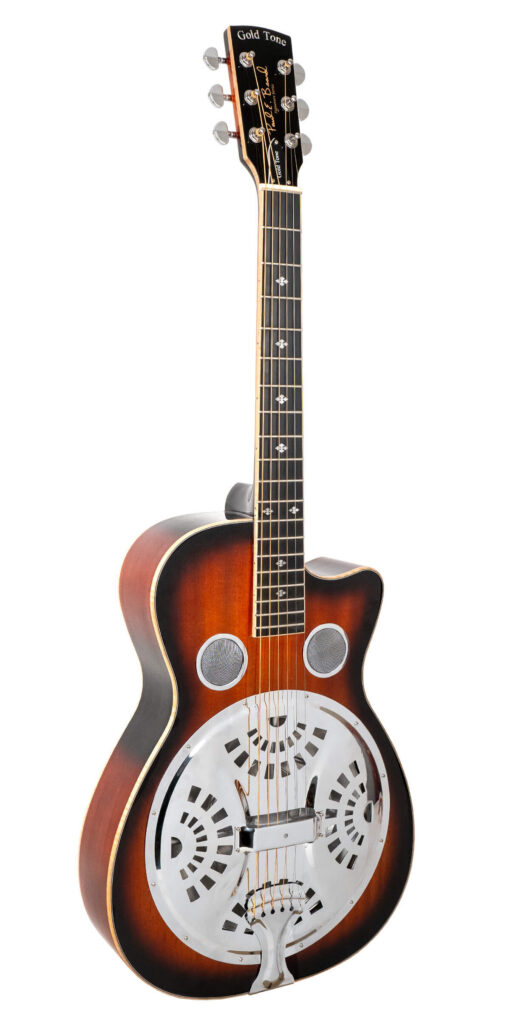
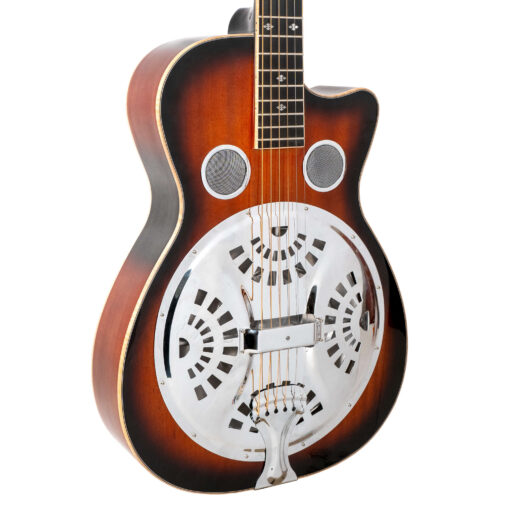
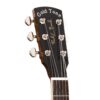
Left-Handed model. This is the factory left-handed (/L) build. (Gold Tone does not photograph left-handed instruments — the images show the right-handed version; the instrument shipped is built left-handed.)
The Gold Tone PBR-CA/L is a Paul Beard Signature-Series roundneck resonator guitar built around a genuine US-made Beard cone, spider bridge, and Paul Beard’s renowned open soundwell — all housed in a handsome mahogany body finished in rich tobacco sunburst. That combination produces the warm, singing blend of wood and metal resonance that country blues players and fingerstyle soloists have chased for generations. Every PBR-CA/L is professionally set up at Gold Tone’s factory in Titusville, FL and includes a hardshell case.
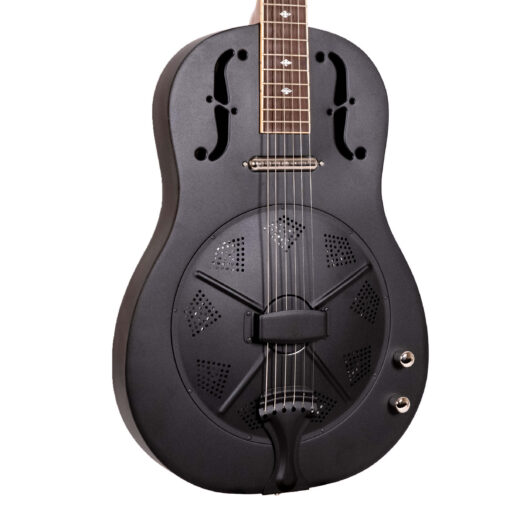
The Gold Tone GRE is a Paul Beard-designed metal body resonator guitar built for players who want authentic cone-driven tone, real projection, and the kind of road-worthy durability that holds up night after night. Whether you're playing Delta blues, old-time, or bluegrass, the biscuit-style cone and built-in lipstick pickup give you acoustic power and stage-ready versatility in one instrument. Every GRE ships with a professional factory setup from Gold Tone in Titusville, Florida.
Reviews
There are no reviews yet.