
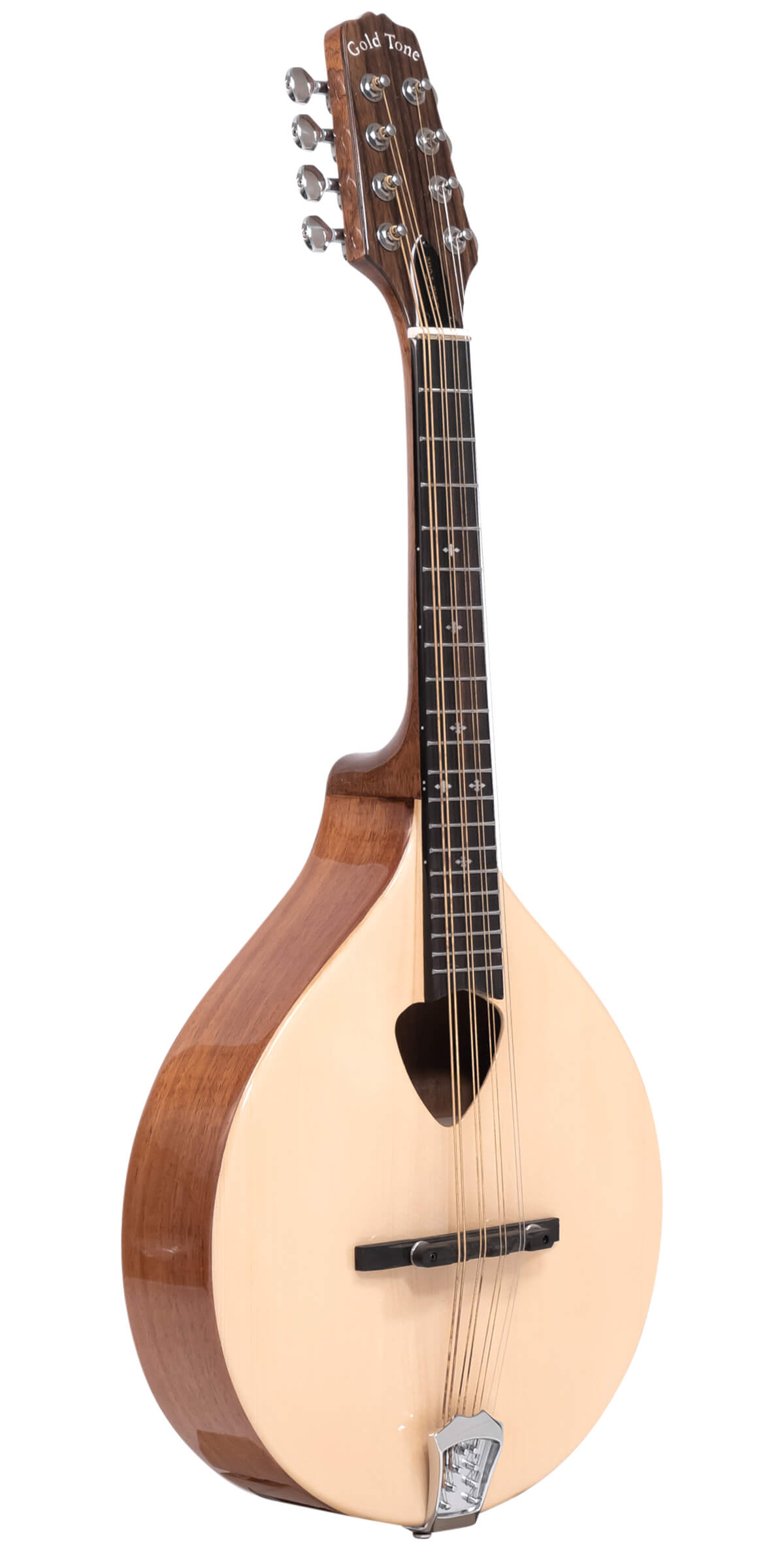

Gold Tone Traditional Irish Mandola with Pickup
$949.99
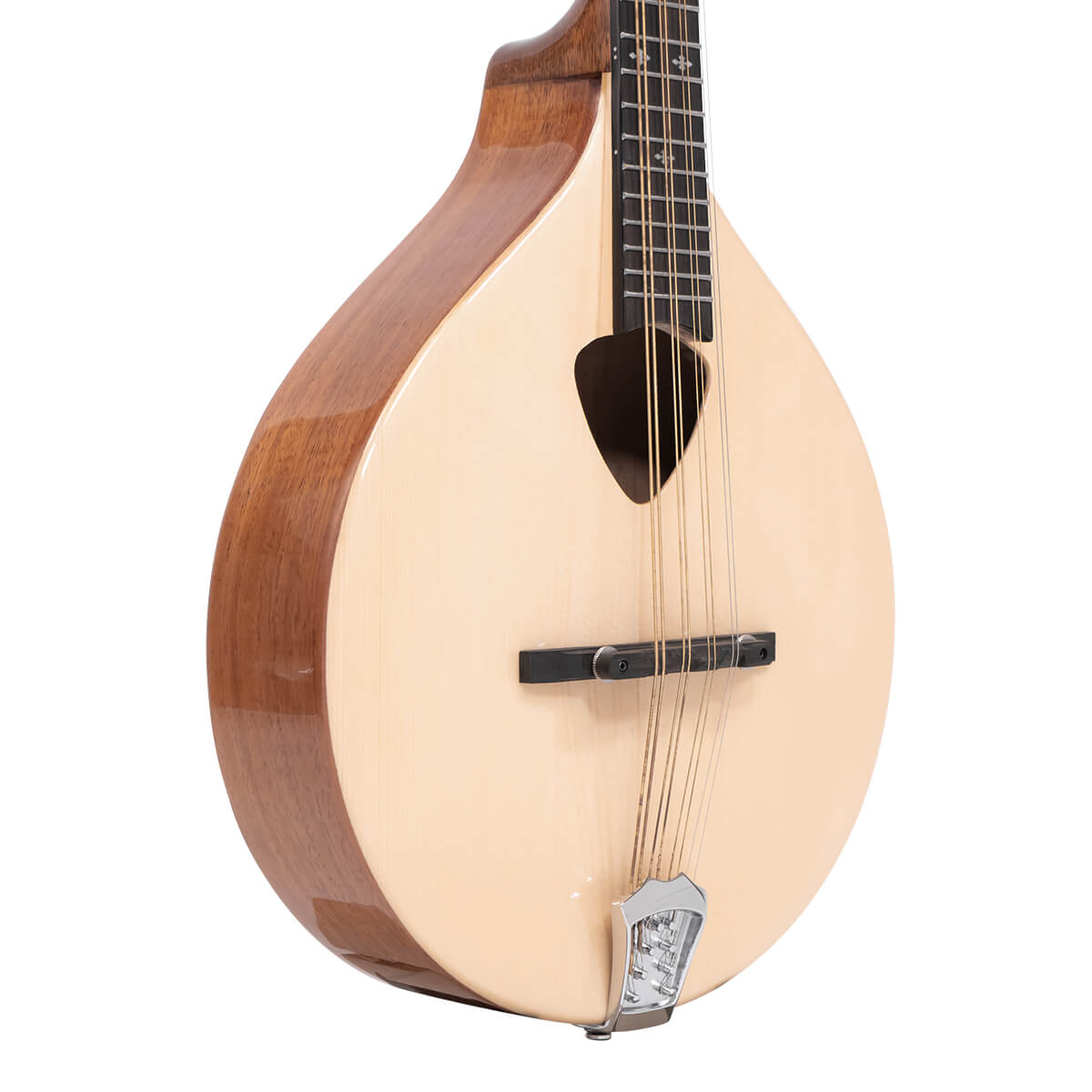
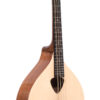
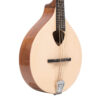
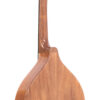
The Gold Tone Mandola is a Celtic mandola tuned CGDA and finished in natural high gloss.
- Solid spruce top
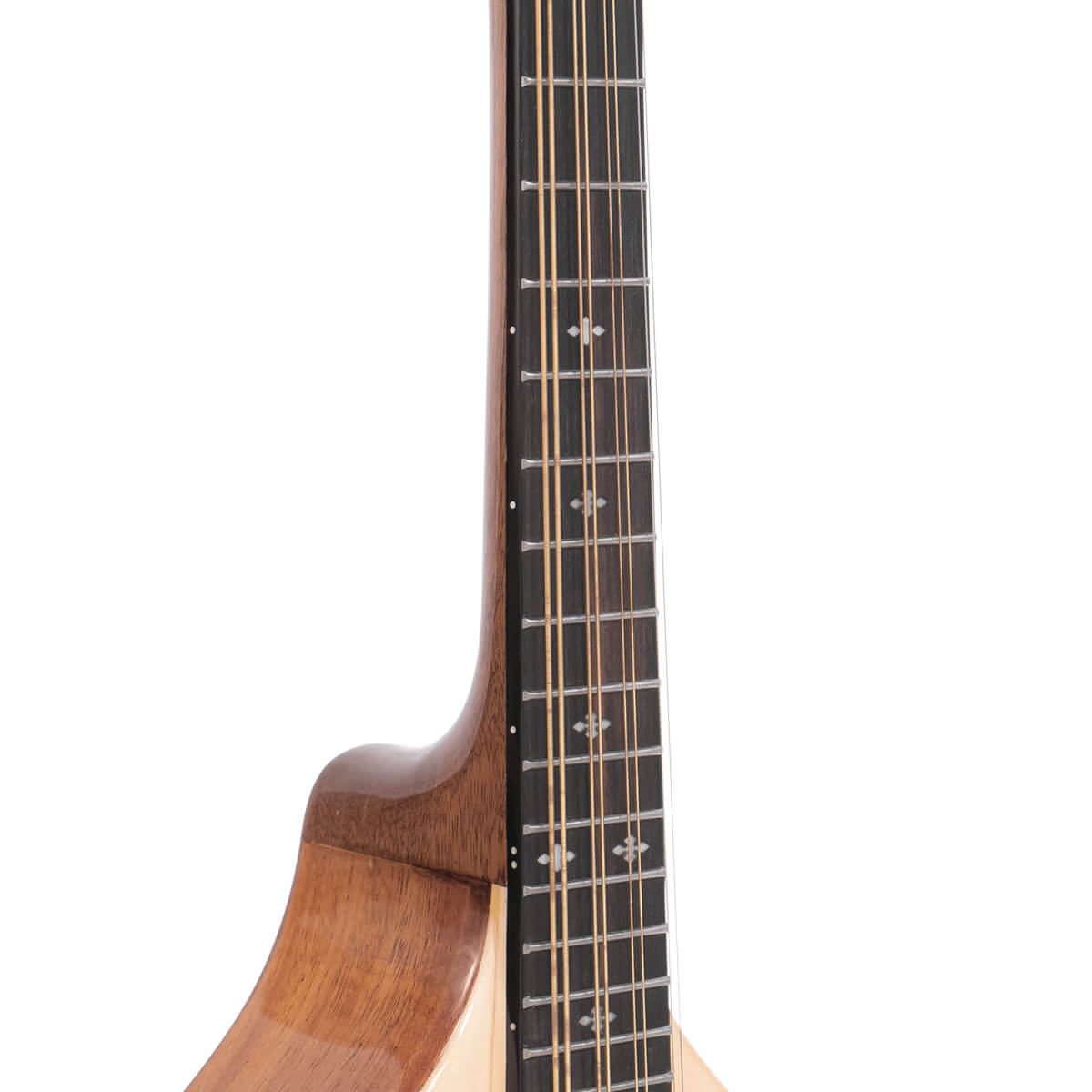
- Mahogany neck, rosewood fingerboard
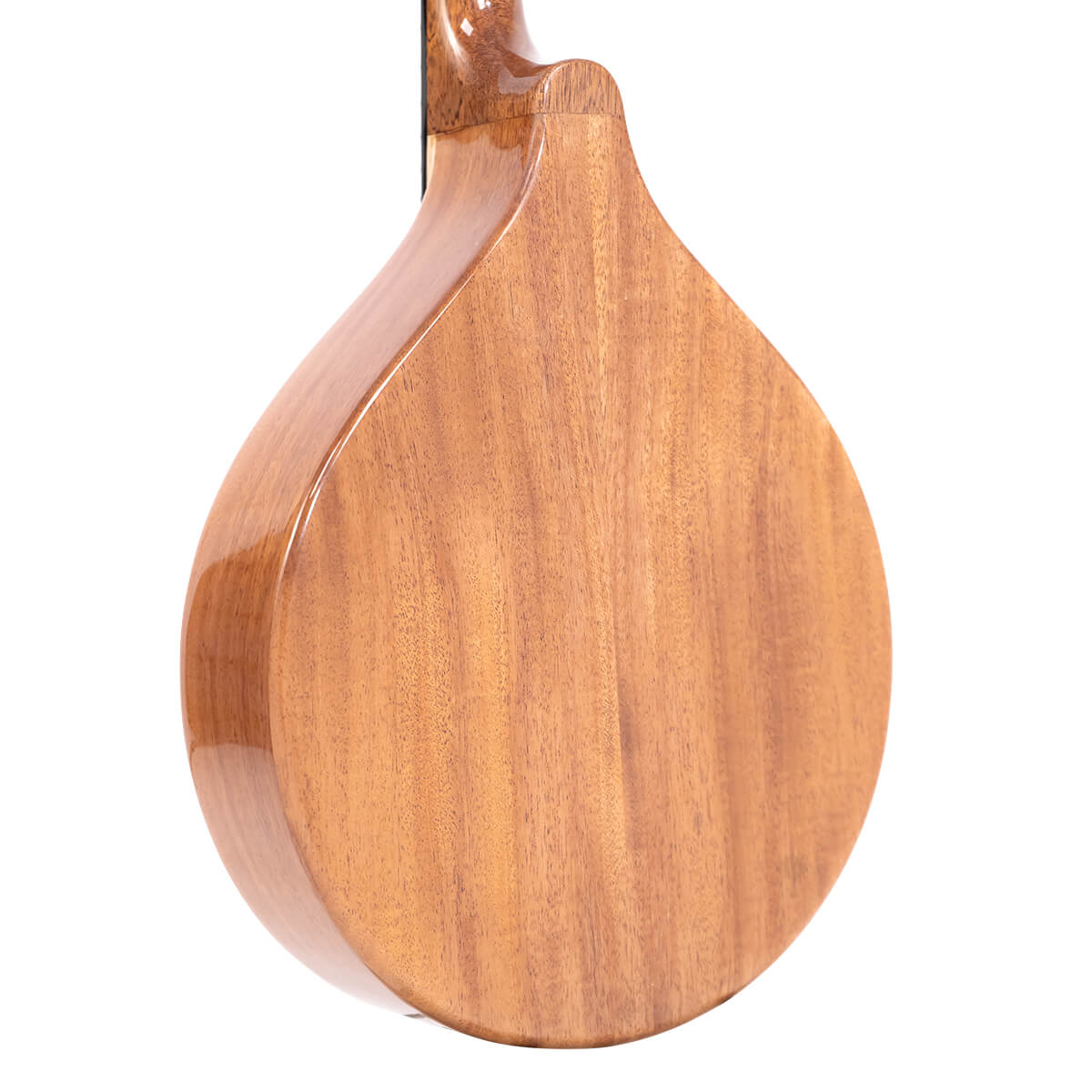
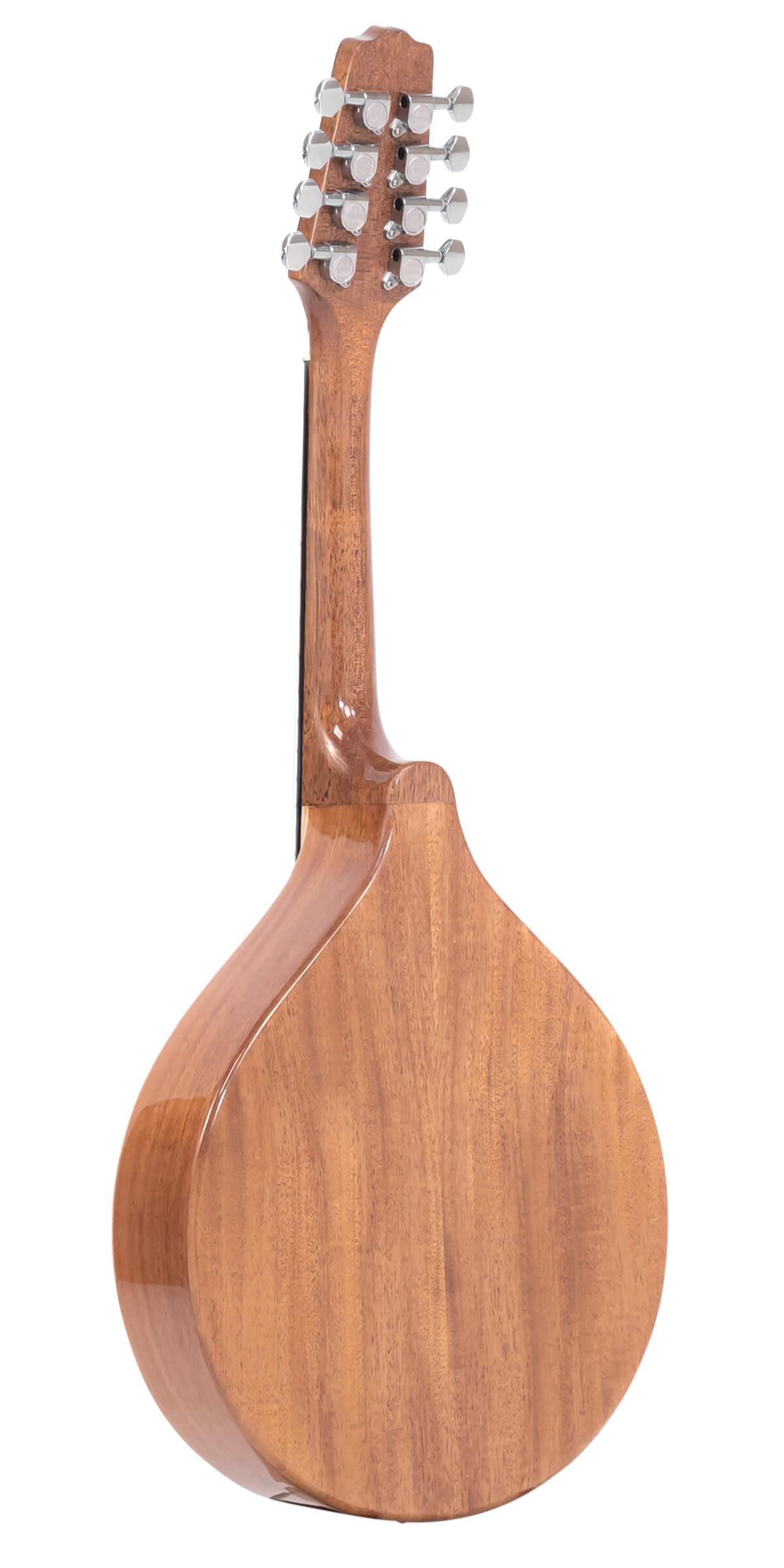
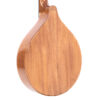
- Mahogany back and sides
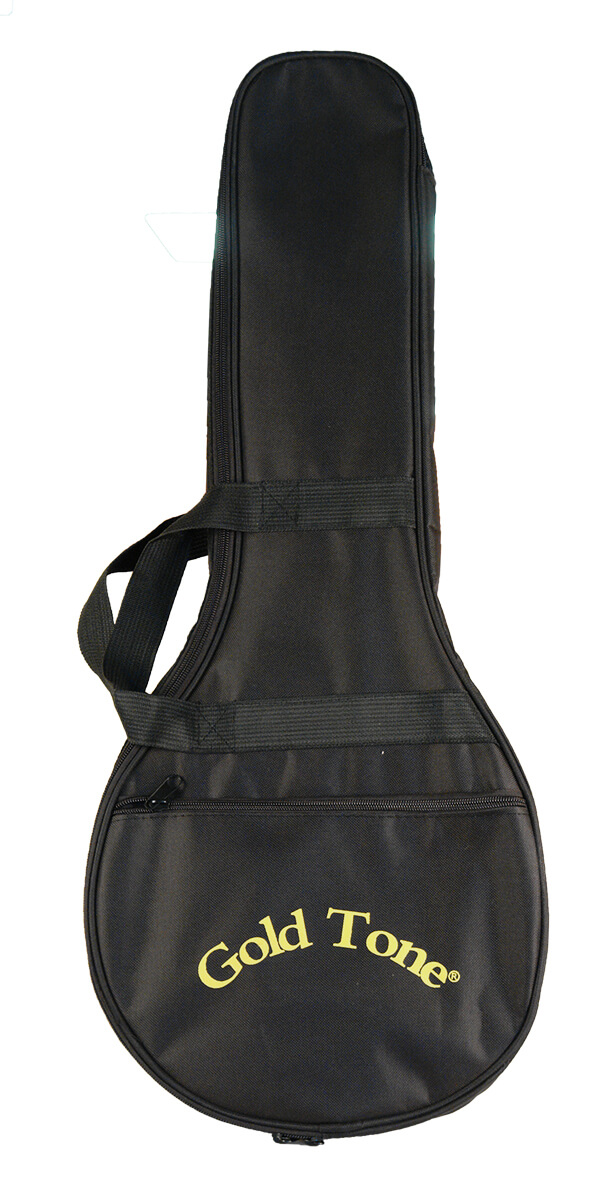
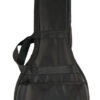
- Gig bag included
- Made in China, ships from Gold Tone
In stock
Questions? Call or text us at 404-218-8580Read customer reviews
Questions? Call or text 404-218-8580
 Watch the demoHear this model played Gold Tone's Mandola presented by Matt Juliano, opens a video player
At a Glance
- Handedness
- Right-Handed
- Style
- Mandola
- Strings
- 8
- Scale Length
- 17-1/16"
- Pickup
- Yes
- Made In
- China
- Weight
- 3 lbs
The Gold Tone Mandola is a traditional Irish mandola with eight strings in four double courses, a solid spruce top and a built-in transducer pickup. Gold Tone says it has authentic Celtic tone and calls it a traditionally shaped mandola that will complement any acoustic ensemble.
What makes the Mandola different
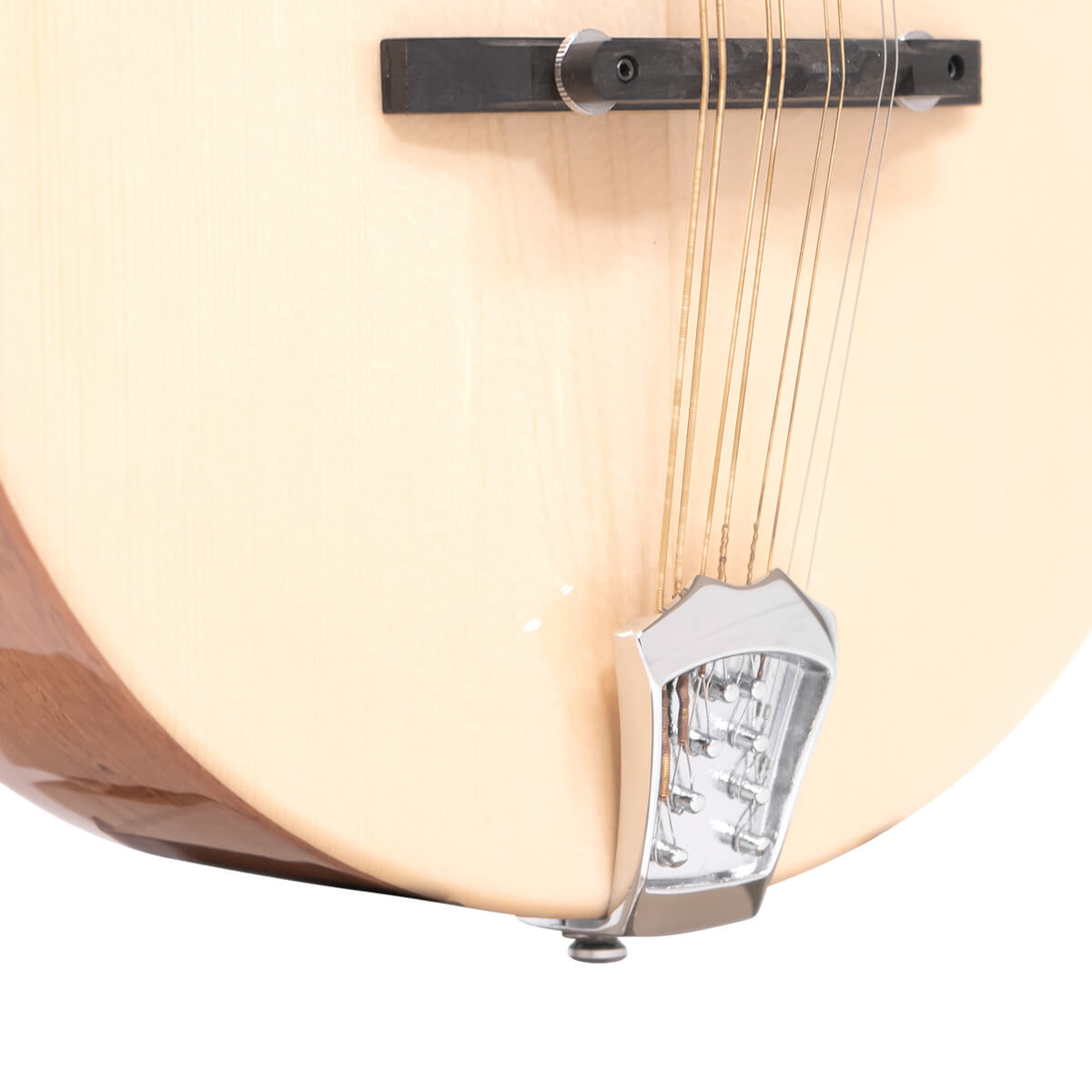
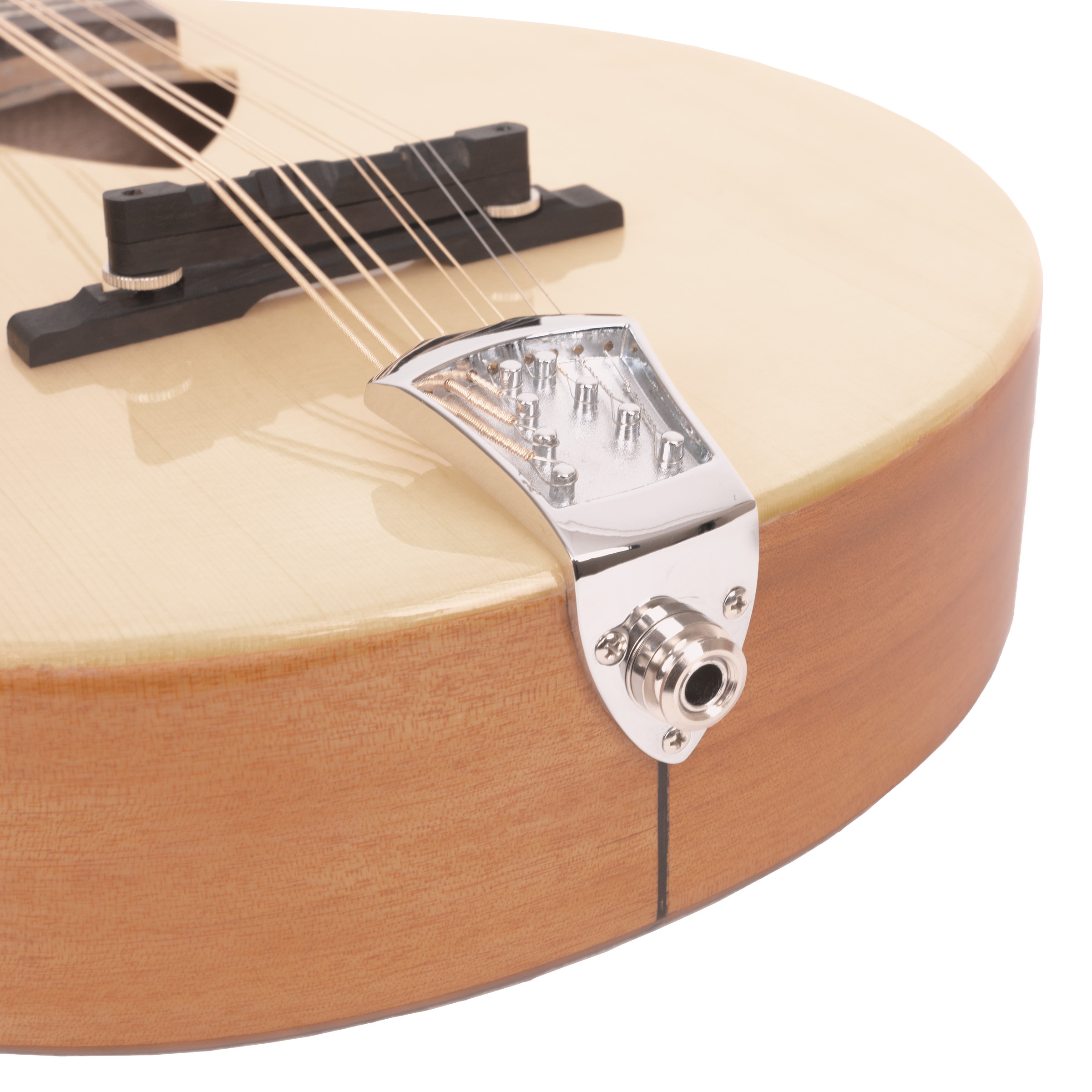
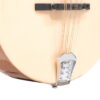
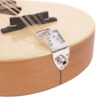
- Cast brass tailpiece. Gold Tone says the cast brass tailpiece is stronger and thicker than sheet metal tailpieces, and gives more sustain.
- Low, comfortable action. Gold Tone sets the Mandola up with low, comfortable playing action.
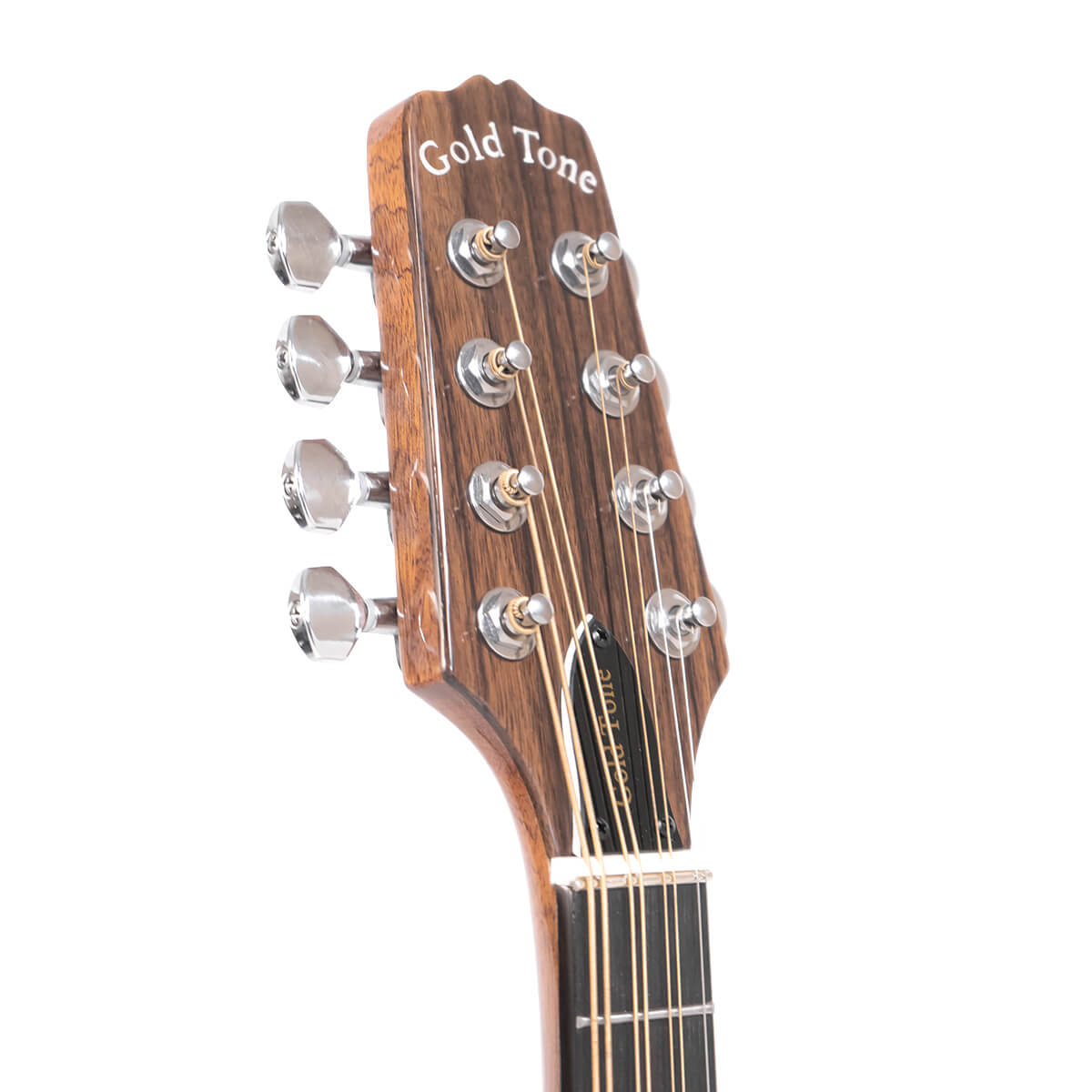
- Zero Glide nut. A 1-1/4″ Zero Glide nut sits at the top of a mahogany neck with a two-way adjustable truss rod.
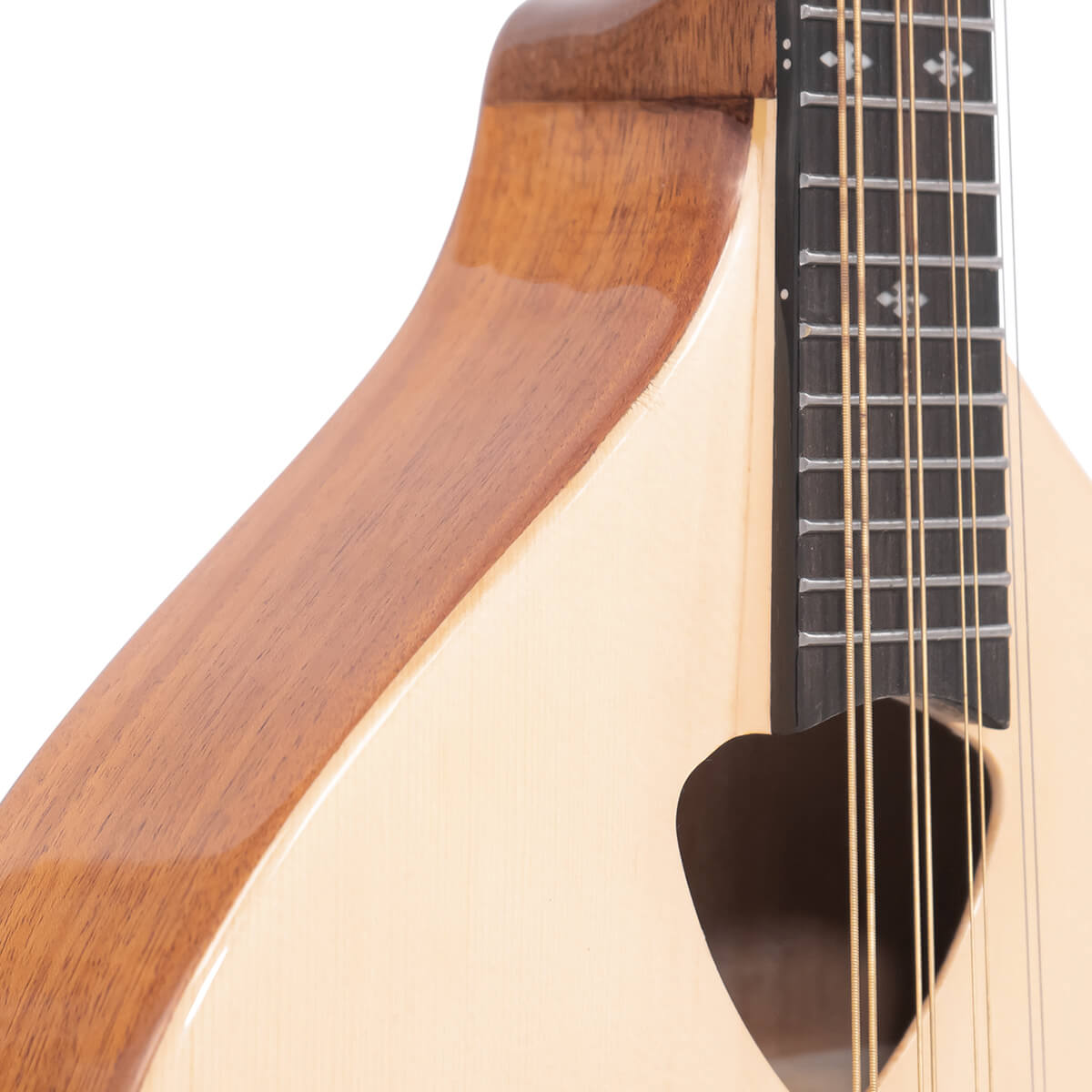
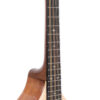
- Snowflake inlays. The rosewood fingerboard has 20 frets and snowflake inlays.
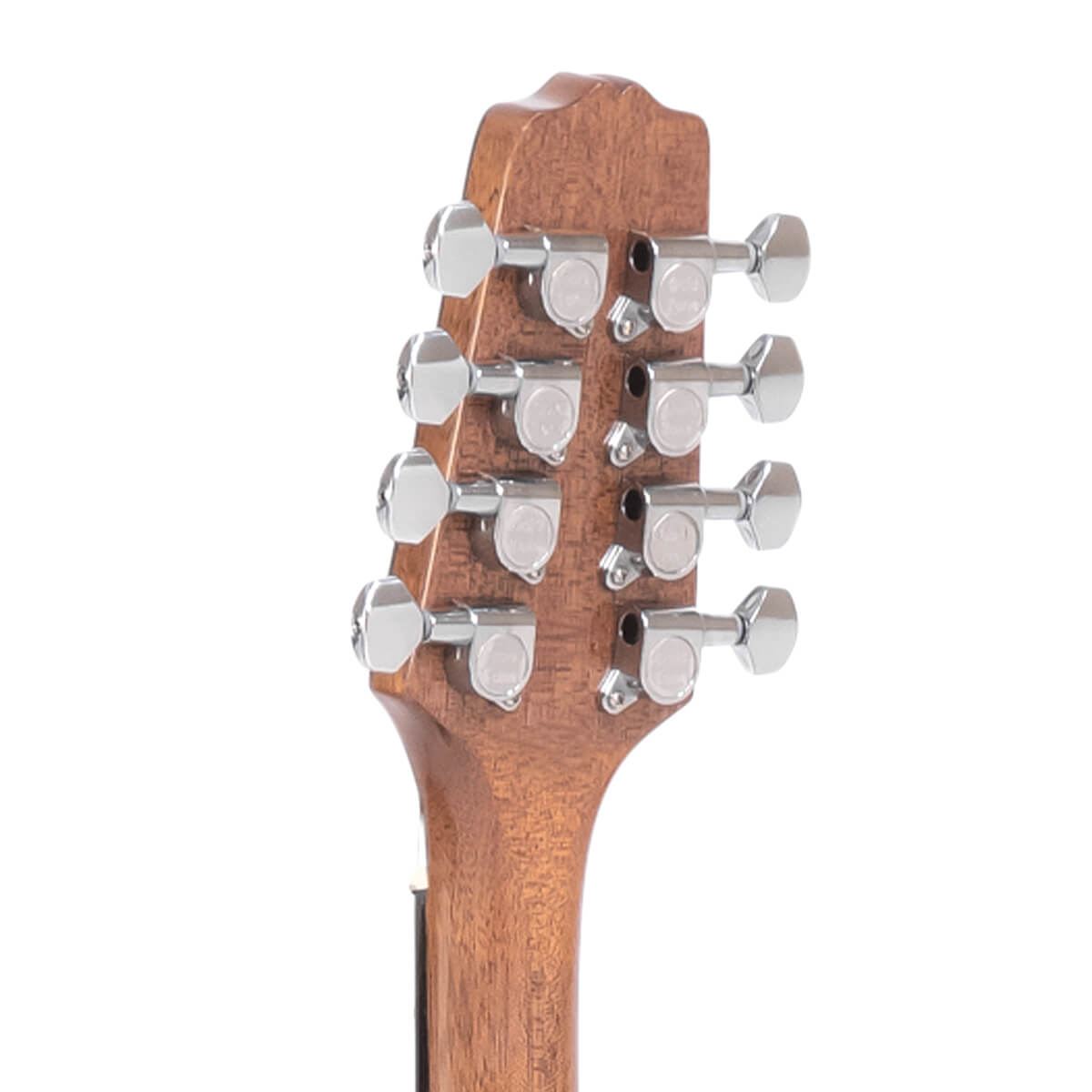
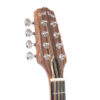
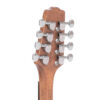
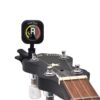
- Sealed tuners. Sealed guitar-style tuners with metal buttons hold the strings at the headstock, and the bridge is adjustable.
Who the Mandola suits
The Gold Tone Mandola suits a mandolin player who wants a deeper, fuller voice under the melody in Irish sessions, old-time string bands and folk groups. The transducer pickup lets it plug into a PA or acoustic amp when the session moves to a bigger room. Left-handed players can look at its sibling, the Mandola/L.
Choose your Mandola
The Gold Tone Mandola is a traditionally shaped Irish mandola tuned CGDA, with a solid spruce top and a transducer pickup.
| Model | Hand | Scale | Tuning |
|---|---|---|---|
| Mandola (this page) | Right-handed | 17-1/16″ | CGDA |
| Mandola/L | Left-handed | 17-1/16″ | CGDA |
| Model | What’s different | Scale |
|---|---|---|
| Mandola | Right-handed | 17-1/16″ |
| Mandola/L | Left-handed | 17-1/16″ |
Setup, shipping and warranty
Every Mandola is professionally set up at Gold Tone’s factory in Titusville, Florida and ships directly from Gold Tone. Shipping is free in the US. The Mandola is covered by Gold Tone’s manufacturer’s warranty.
Questions? Call or text us at 404-218-8580.
Gold Tone Mandola specifications
| Key facts | |
|---|---|
| Model | Mandola (Gold Tone) |
| Strings | 8 (4 pairs) |
| Handedness | Right-handed |
| Scale length | 17-1/16″ |
| Pickup | Transducer |
| Made in | China |
| Weight | 3 lbs |
| Neck | |
| Neck | Mahogany |
| Fingerboard | Rosewood |
| Frets | 20 |
| Inlay | Snowflake |
| Nut | 1-1/4″ Zero Glide |
| Truss rod | Two-way adjustable |
| Tuners | Sealed guitar-style |
| Tuner buttons | Metal |
| Body and hardware | |
| Top | Solid spruce |
| Back and sides | Mahogany |
| Bridge | Adjustable |
| Tailpiece | Cast brass, mandolin-style |
| Hardware | Chrome plated |
| Finish | Natural, high gloss |
| Strings | |
| Tuning | C G D A |
| Gauges | 4th .050w, 3rd .035w, 2nd .020w, 1st .016 (each doubled) |
| In the box | |
| Bag | Gig bag included |
Gold Tone Mandola questions
What is the difference between a mandola and a mandolin?
Pitch and scale. A mandola is tuned CGDA, a fifth lower than a mandolin, and has a longer scale. The Gold Tone Mandola’s scale is 17-1/16″, against roughly 13-7/8″ on a standard mandolin.
What kind of music is a mandola used for?
Celtic traditional music above all. Gold Tone puts it this way: the mandola is to the mandolin what the viola is to the violin. It also fits trad Irish ensembles, old-time string bands and folk orchestras.
Can a mandolin player switch to the mandola easily?
Yes. The fingering patterns are identical because the interval relationships between strings don’t change. The longer scale means stretches feel a bit wider at first. Gold Tone also notes that many tunings besides CGDA may be used.
Be the first to review “Gold Tone Traditional Irish Mandola with Pickup”
You must be logged in to post a review.
More Mandolins
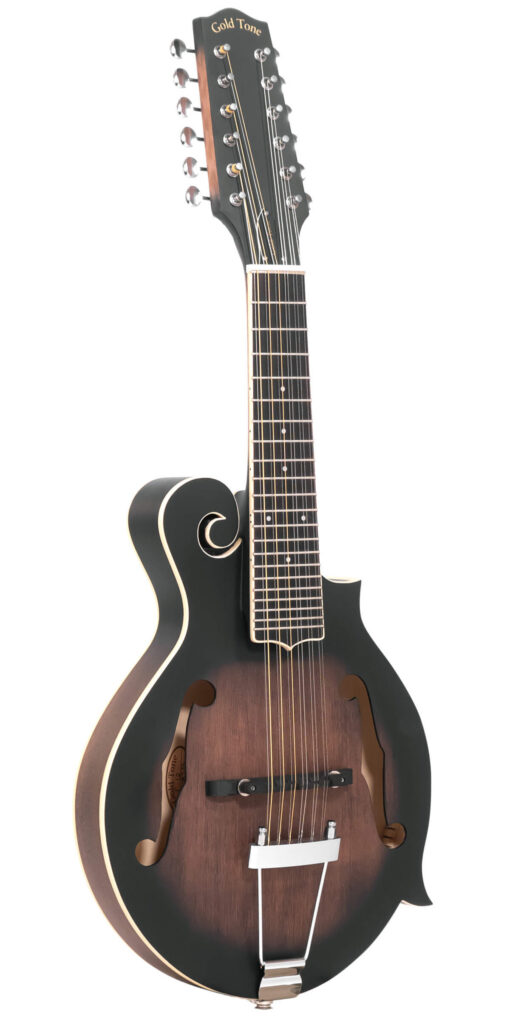

The Gold Tone F-12 is a short-scale 12-string acoustic-electric guitar with Kluson-style tuners and a Tobacco Sunburst satin finish.
- Solid spruce top
- Maple neck, radiused rosewood fingerboard
- F-style mandola type body
- Made in China, ships from Gold Tone
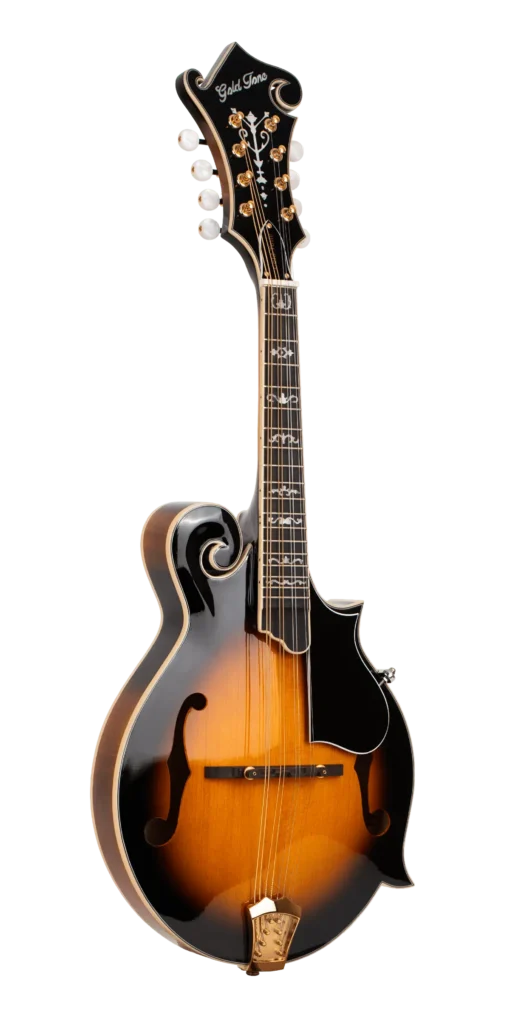
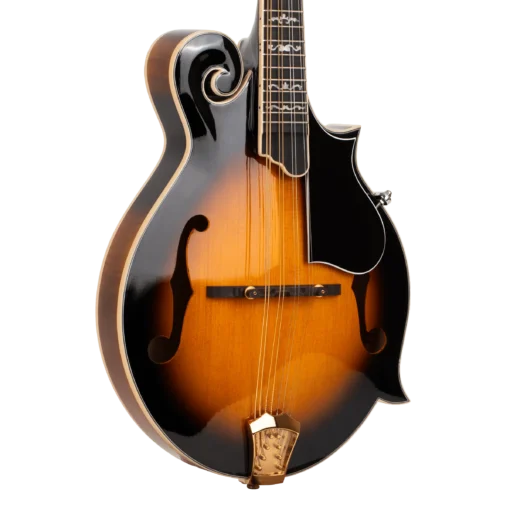
The Gold Tone GM-70+ is an all-solid-wood F-style mandolin built to a spec that rivals instruments costing far more — carved solid spruce top, solid maple back and sides, radiused ebony fretboard, gold-plated hardware, and a ZeroGlide nut, all finished in a stunning tobacco sunburst high gloss. It arrives at your door with a professional factory setup from Gold Tone in Titusville, Florida, so it's truly ready to play the moment you open the case. If you've been looking for a serious F-style mandolin without a four-figure price tag that keeps climbing, this is the instrument.
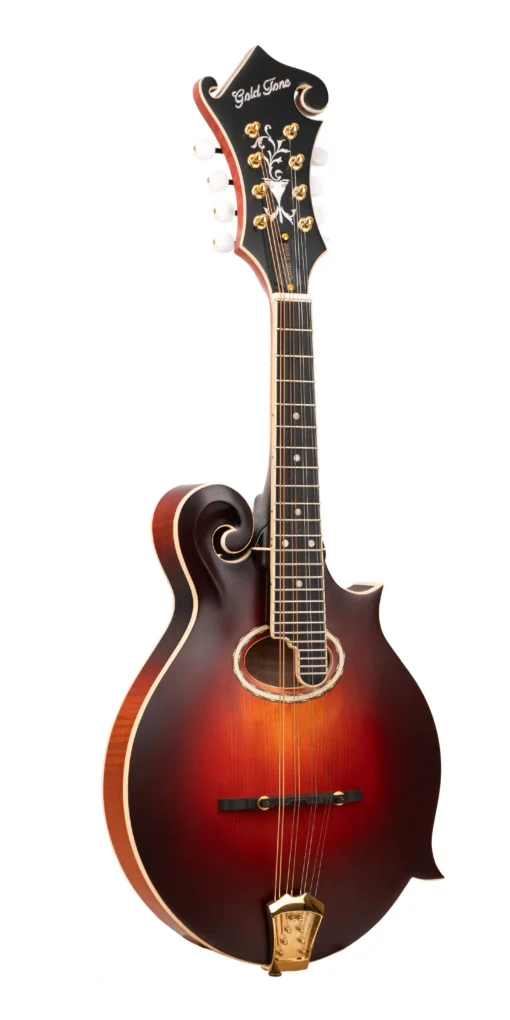
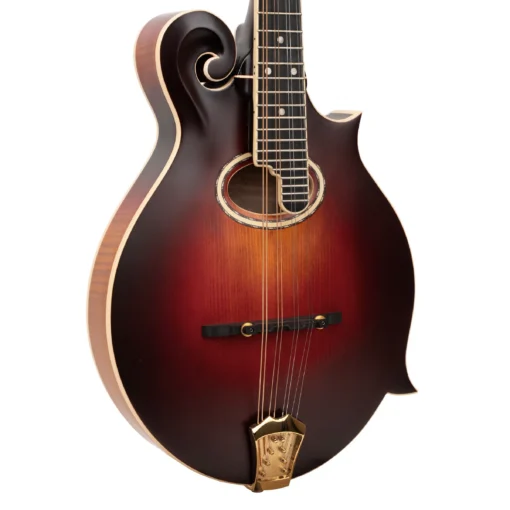
The Gold Tone GM-80 is an 8-string F-style mandolin with a 13-3/4" scale and a fitted case.
- Solid Sitka spruce top
- Curly maple neck, ebony fingerboard
- Solid curly maple back and sides
- Fitted case included
- Made in China, ships from Gold Tone
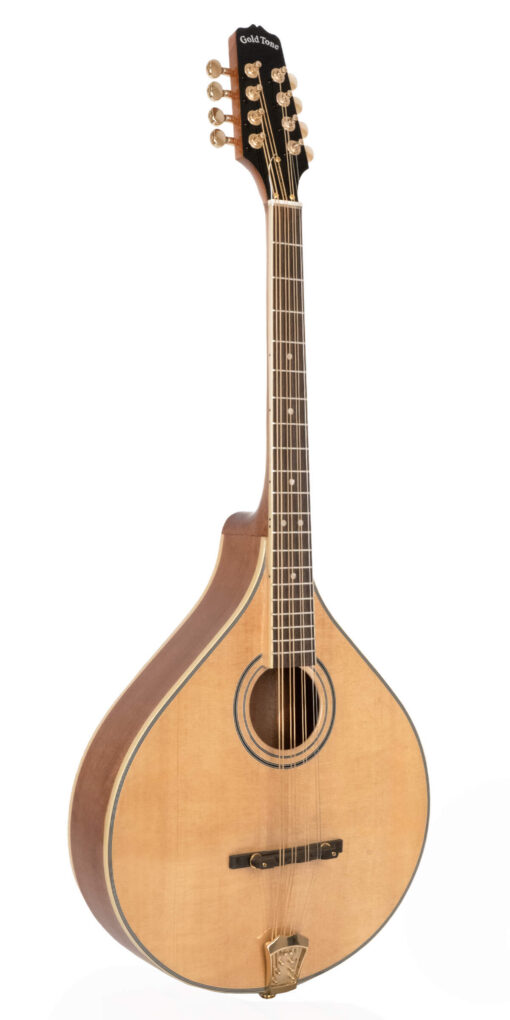
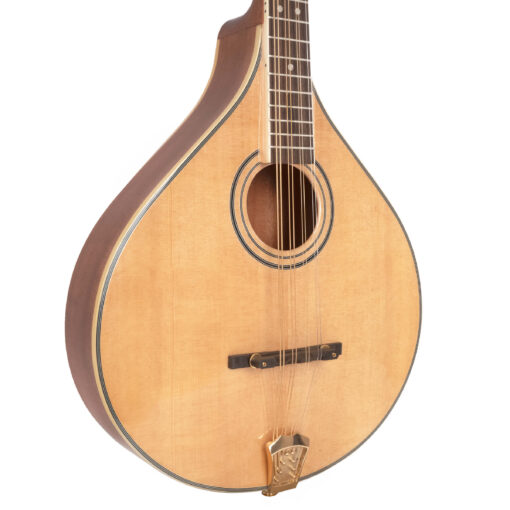
The Gold Tone OM-800+ is a professional-grade octave mandolin built for mandolinists who want to explore a deeper, richer voice on a familiar instrument.
- Arched solid spruce top
- Mahogany neck, Compound-Radiused rosewood fingerboard
- Mahogany back and sides
- Made in China, ships from Gold Tone
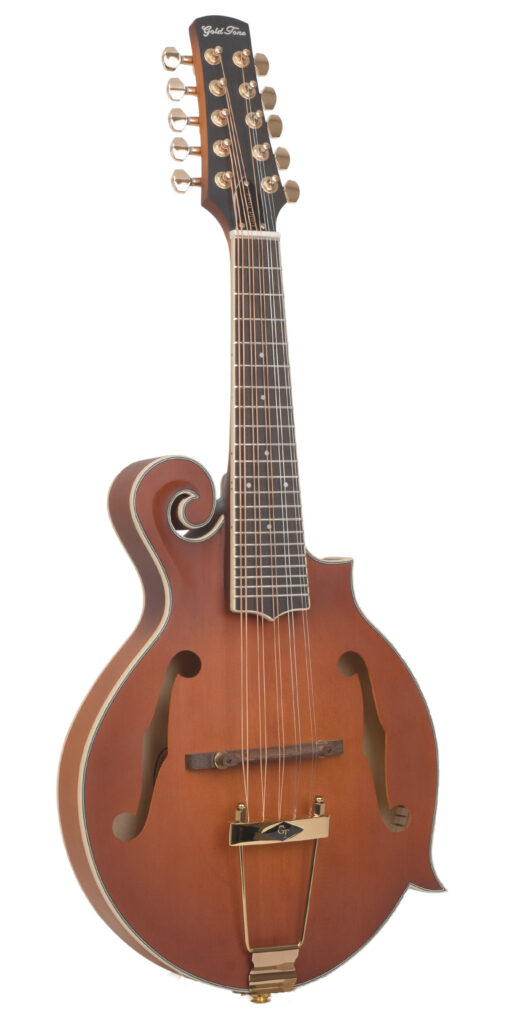
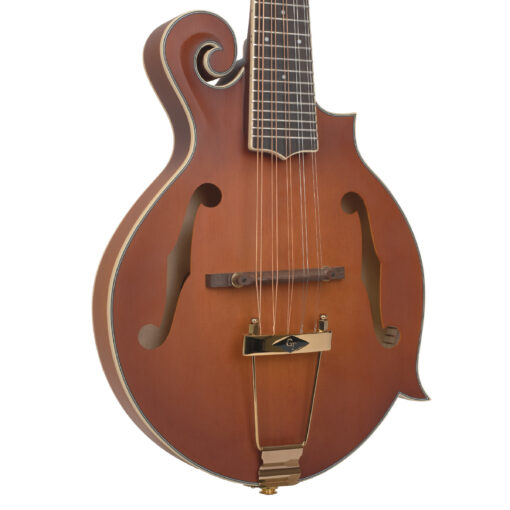
The Gold Tone F-10 is a five-course mandolin with a 15-1/4" scale, finished in Vintage Sunburst satin.
- Solid spruce top
- Maple neck, radiused rosewood fingerboard
- F-style mandola body
- Made in China, ships from Gold Tone
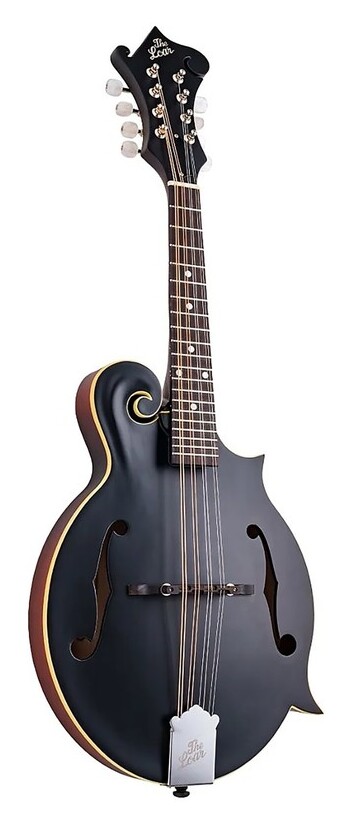

The Loar’s Contemporary F-style mandolin in satin black over a vintage burgundy back, all-solid with a hand-carved spruce top and figured maple back and sides for authentic bluegrass chop.


The Gold Tone F-6 is a short-scale acoustic-electric guitar with chrome-plated hardware, cream ABS binding and a Tobacco Sunburst satin finish.
- Solid spruce top
- Maple neck, radiused rosewood fingerboard
- F-style mandola type body
- Made in China, ships from Gold Tone
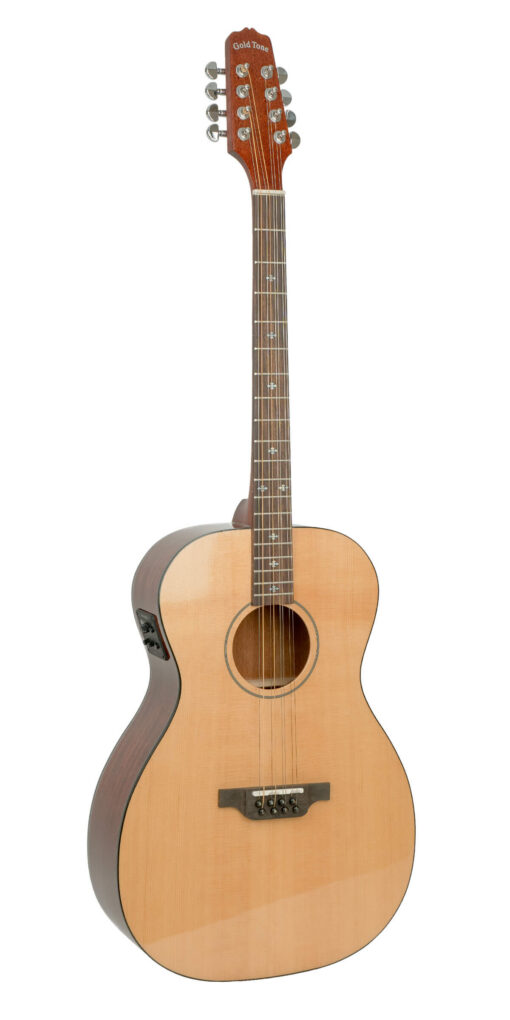
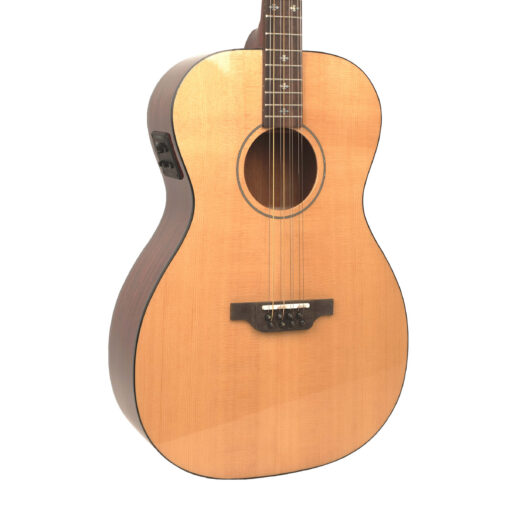
The Gold Tone BZ-1000 is a guitar-bodied Irish bouzouki with a solid spruce top, mahogany back and sides, and a built-in Fishman undersaddle pickup: everything you need to play authentic Celtic and folk music right out of the box, hard case included.
- Solid spruce top
- Mahogany neck, rosewood fingerboard
- Mahogany back and sides
- Hard case included
- Made in China, ships from Gold Tone
Reviews
There are no reviews yet.