






1925 Gibson TB-Granada Five-String Conversion
$11,499.99
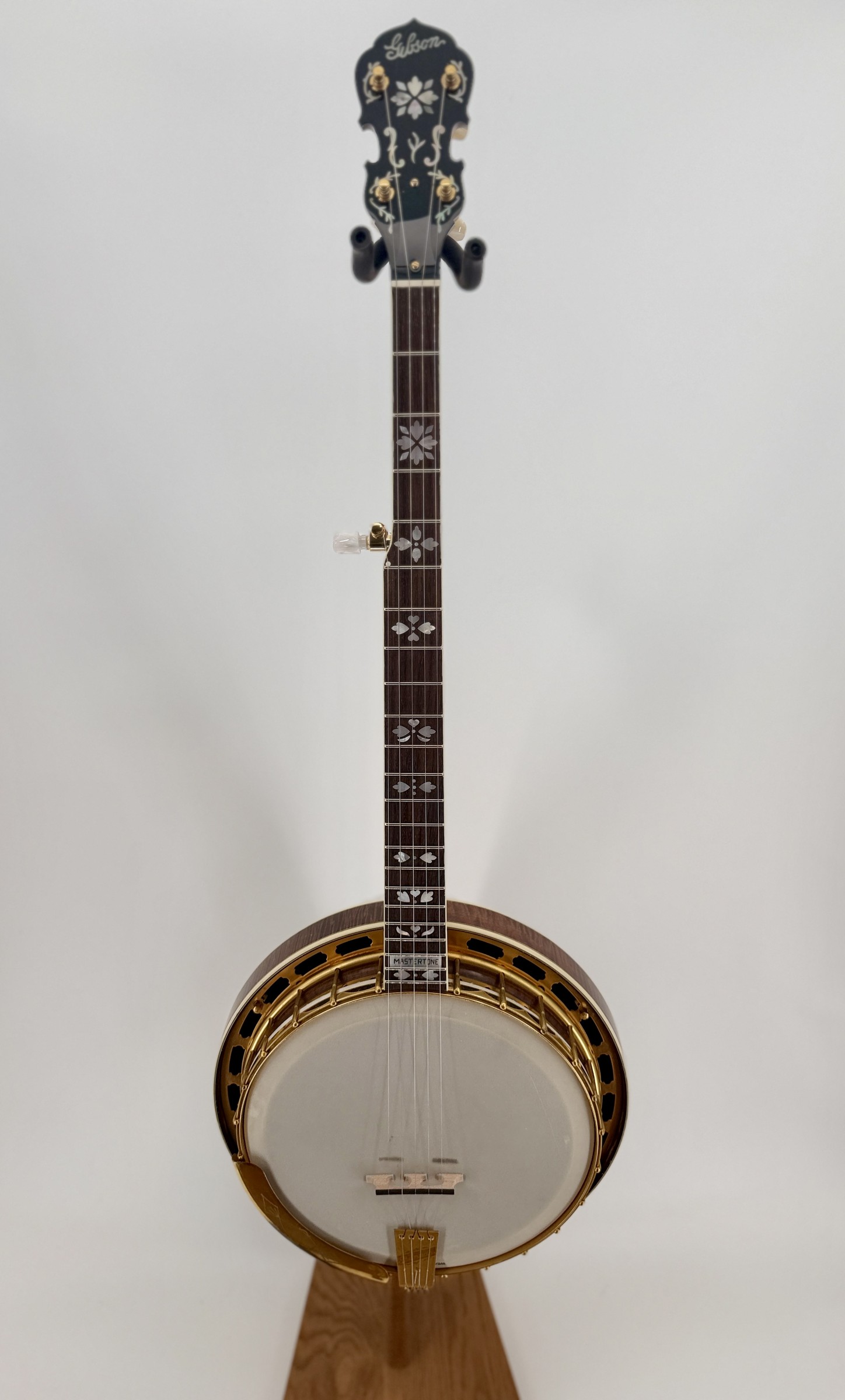
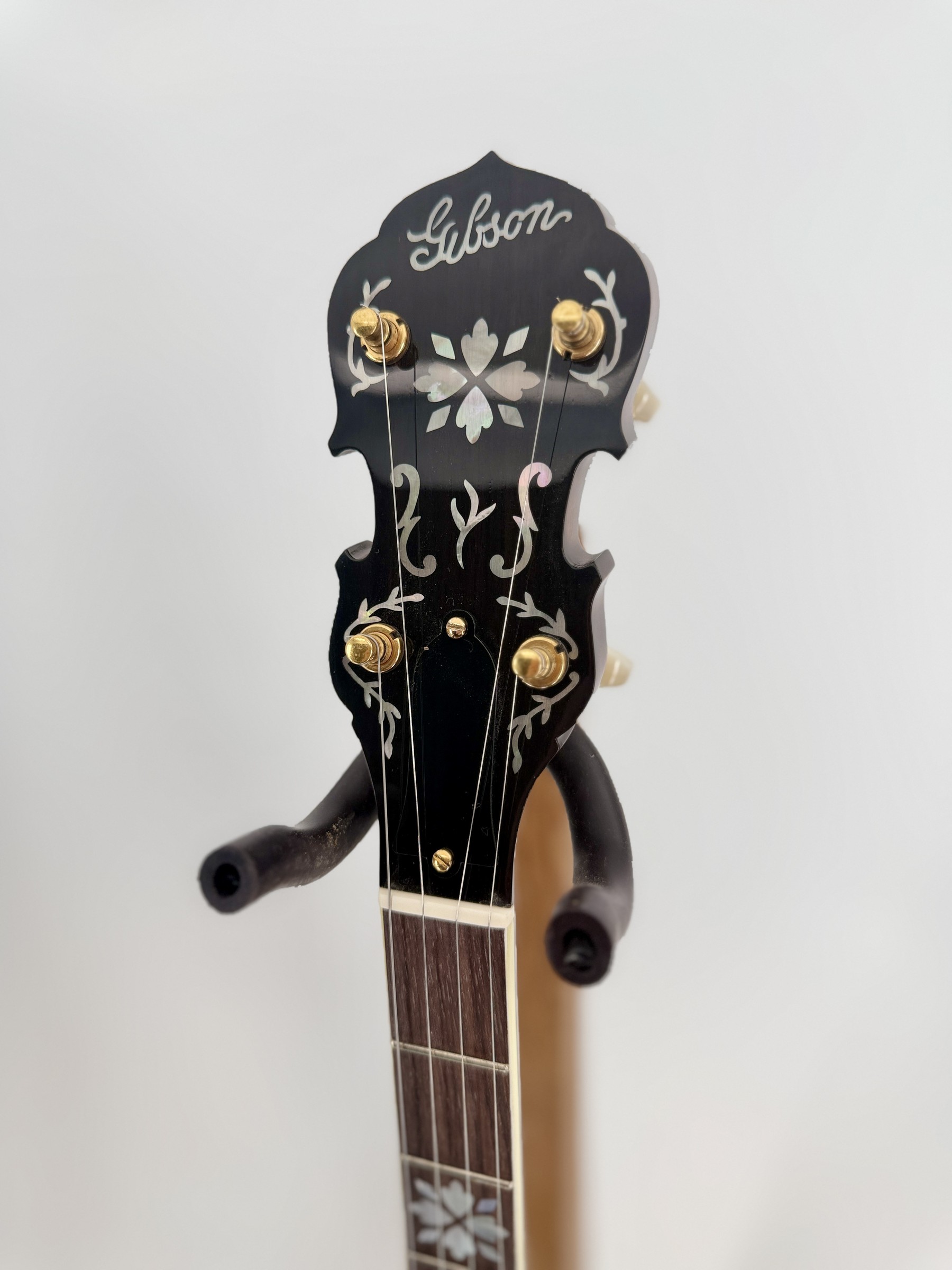
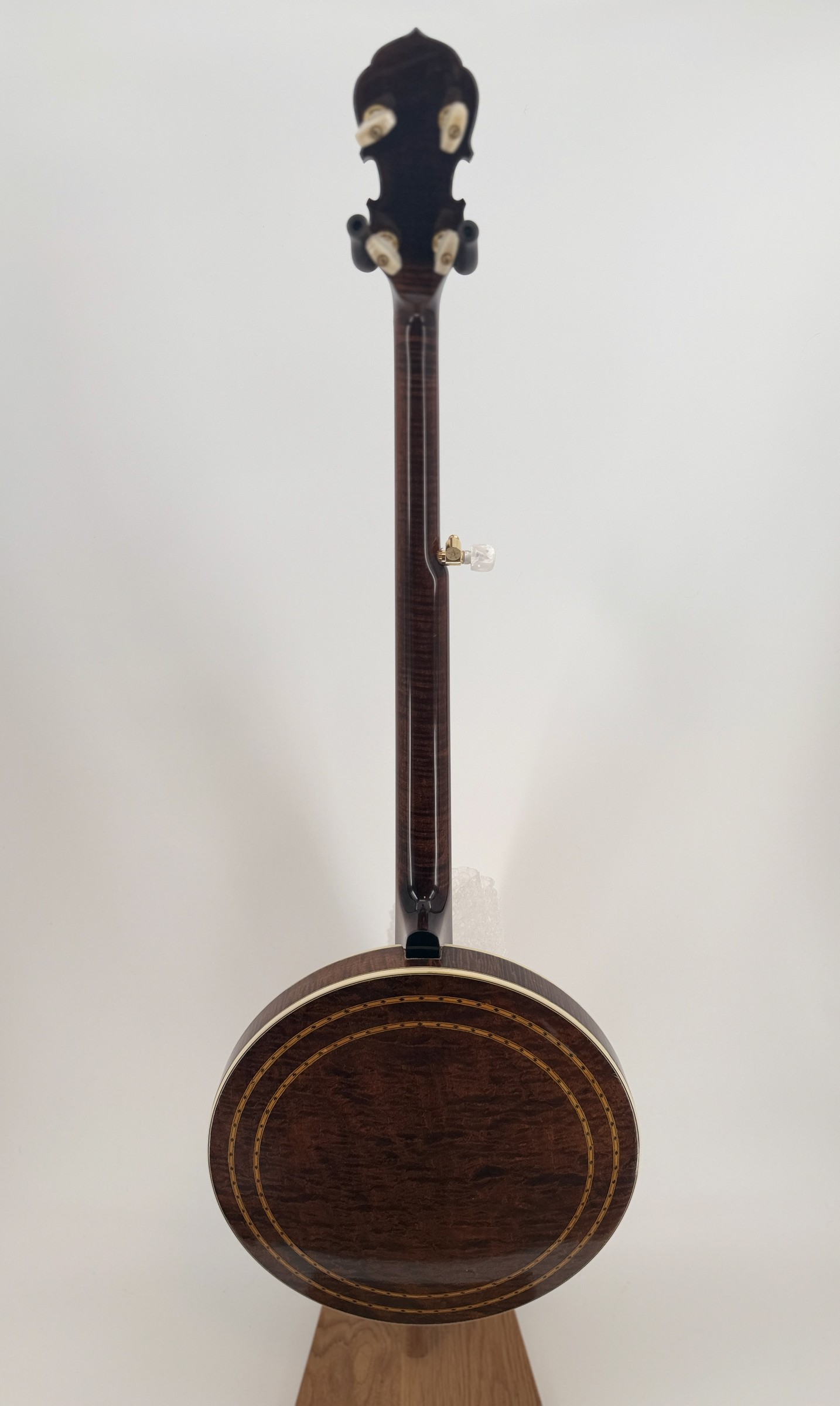
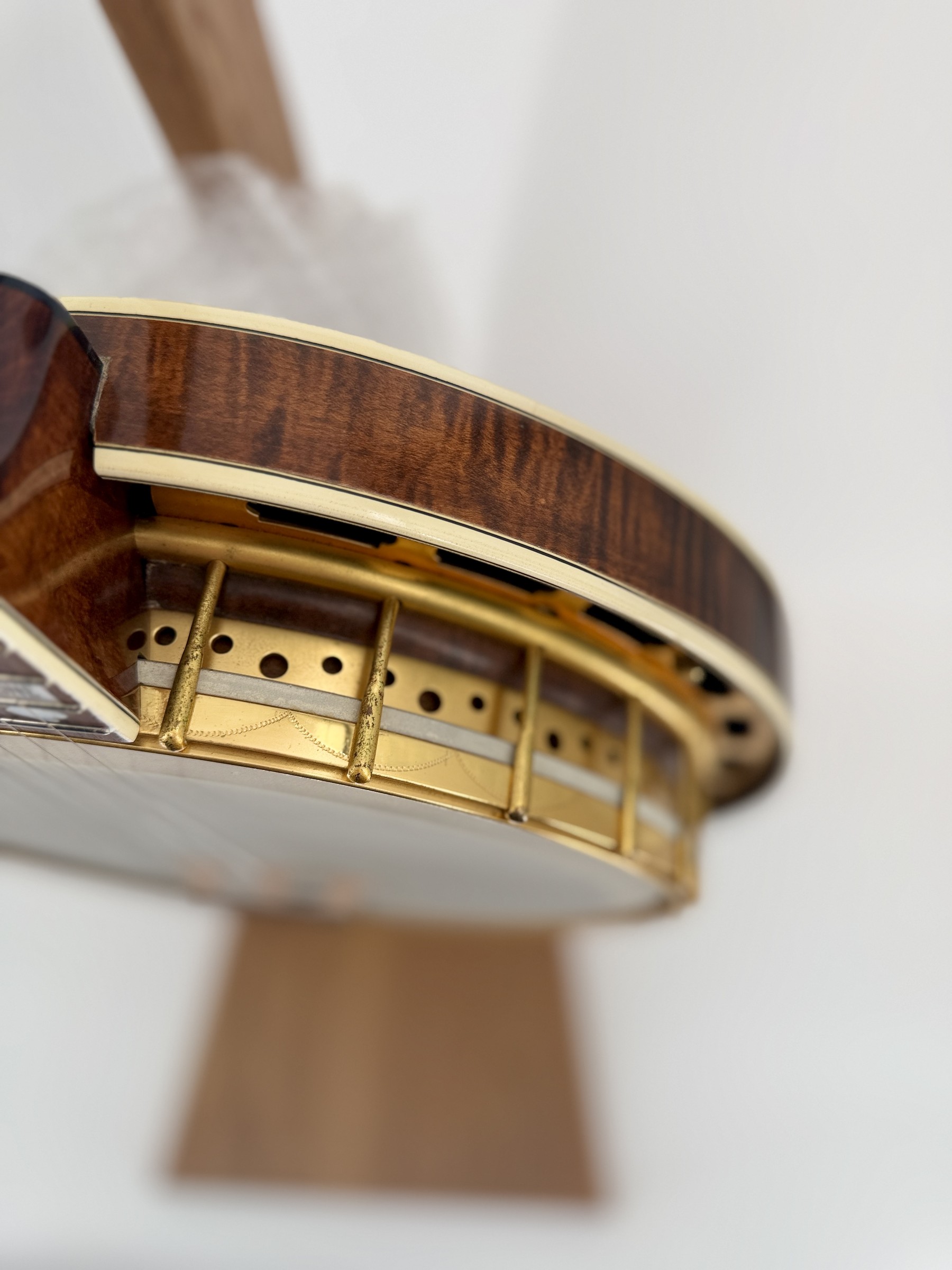
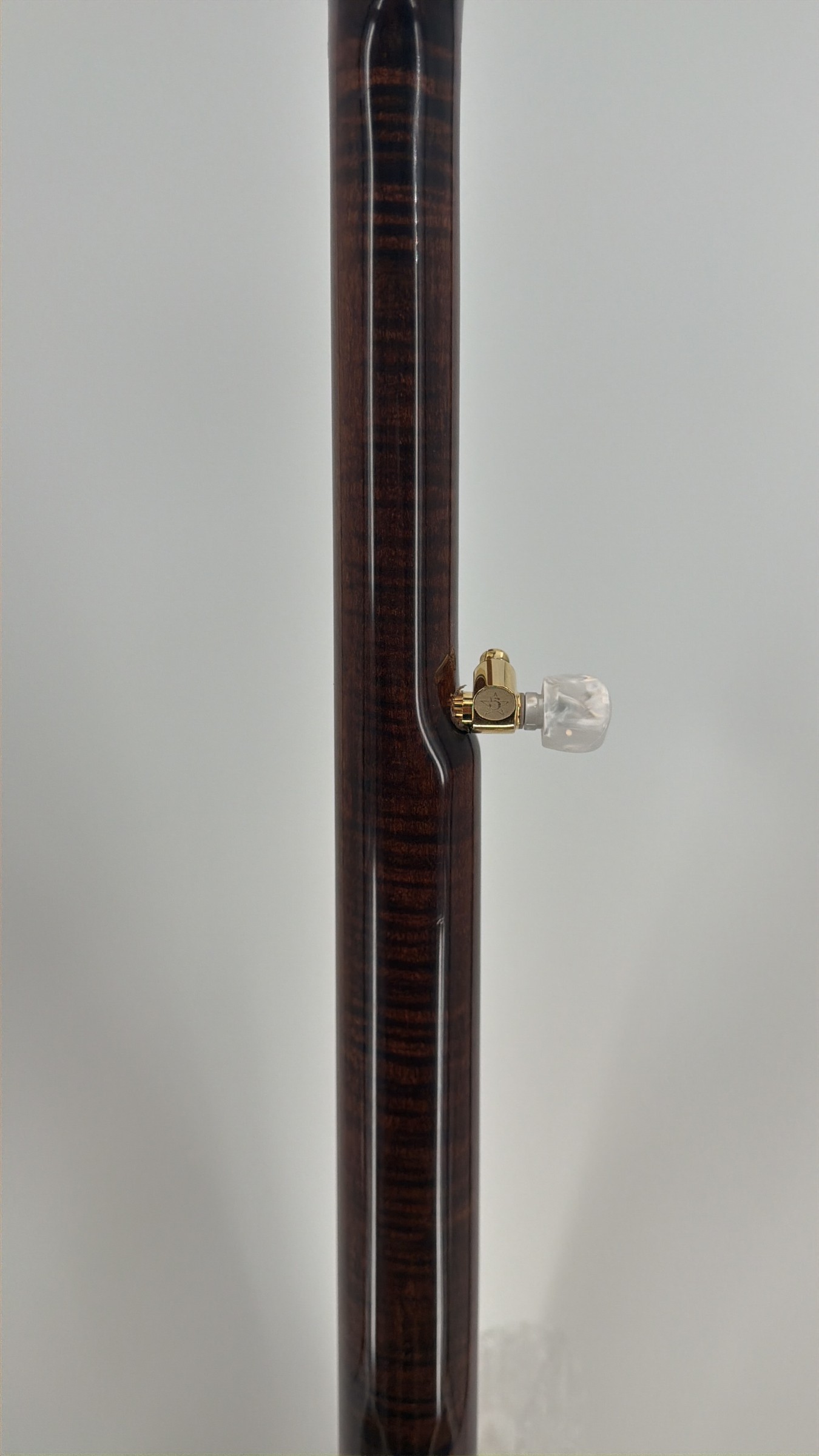
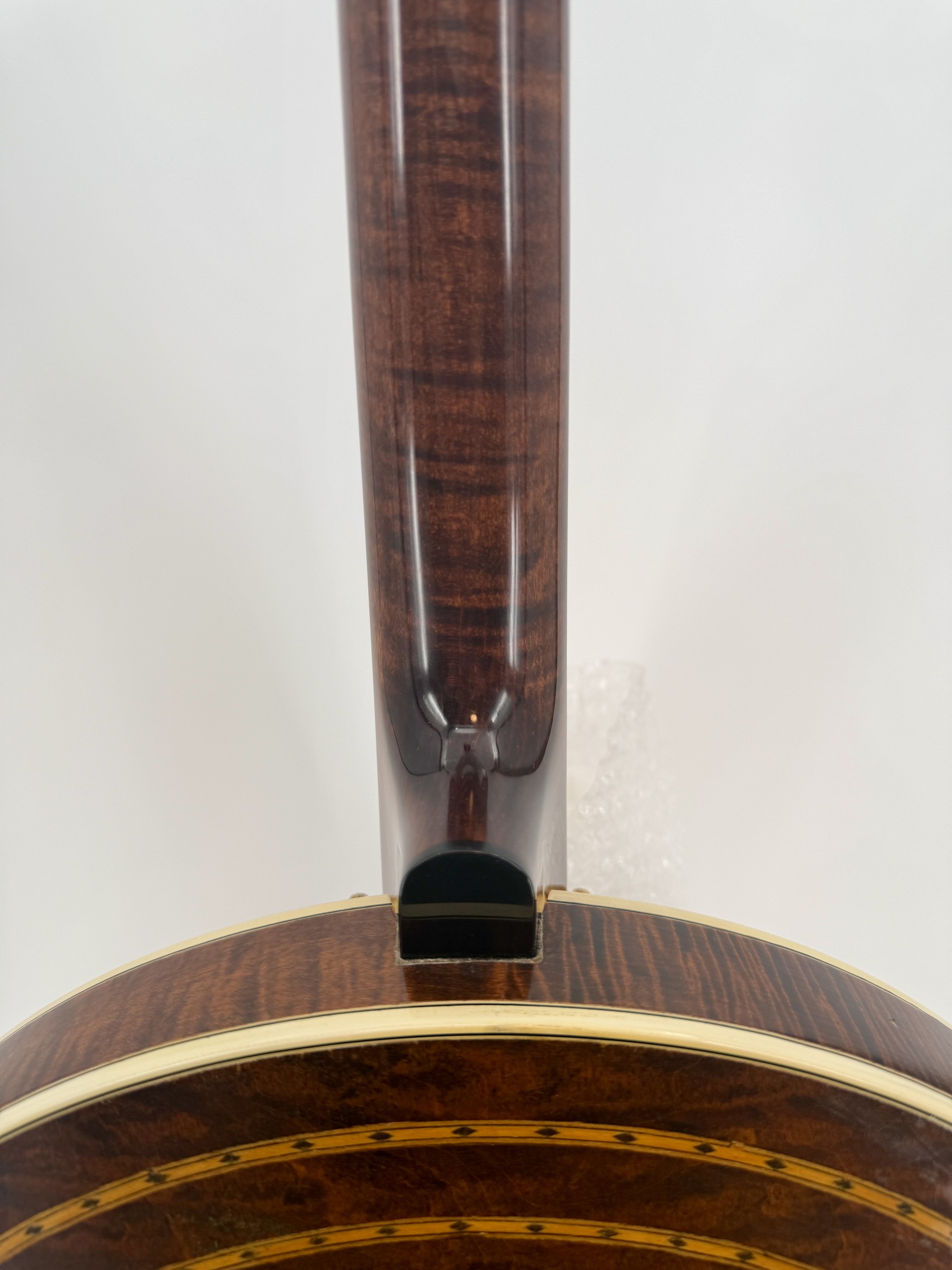
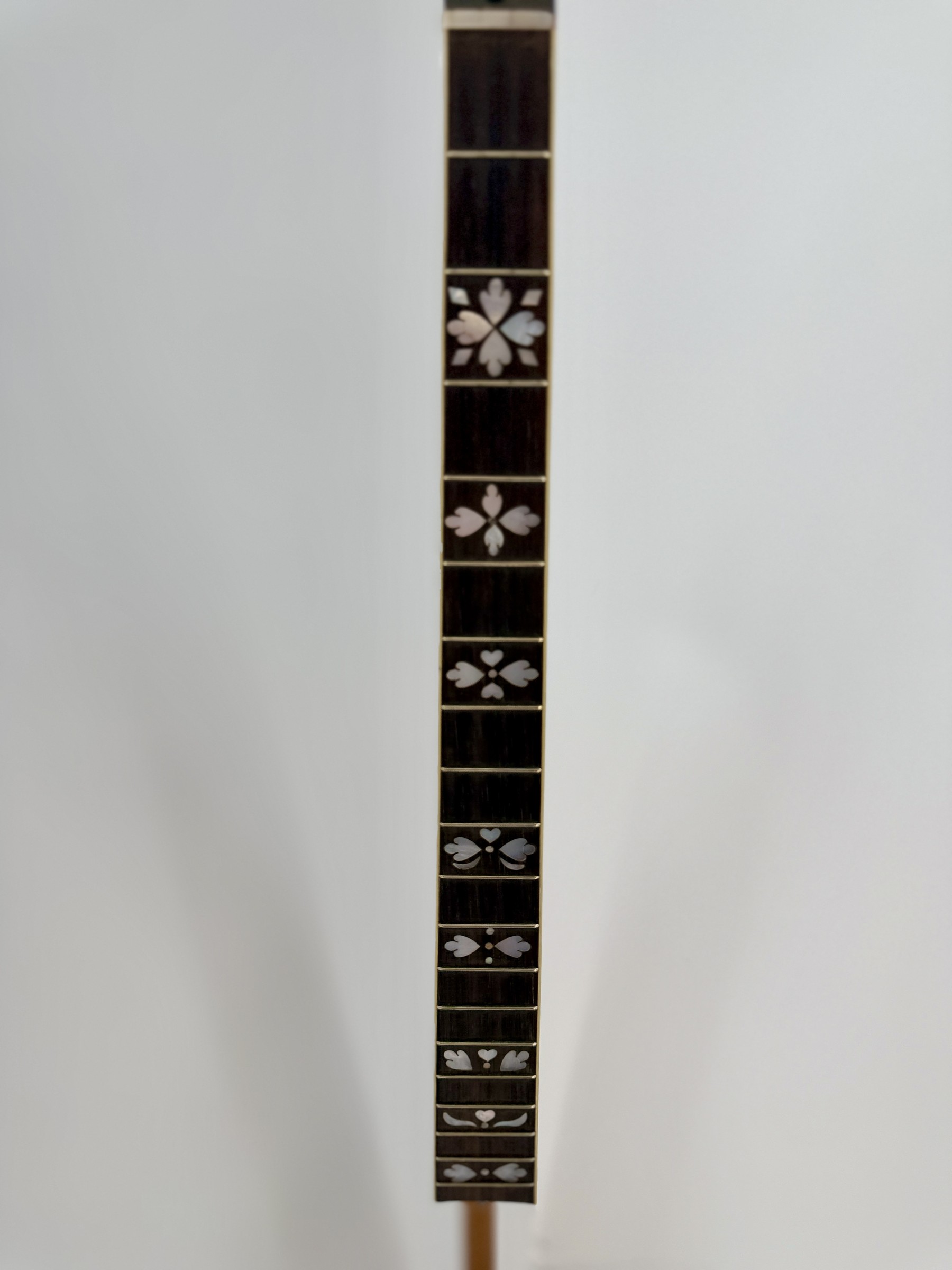
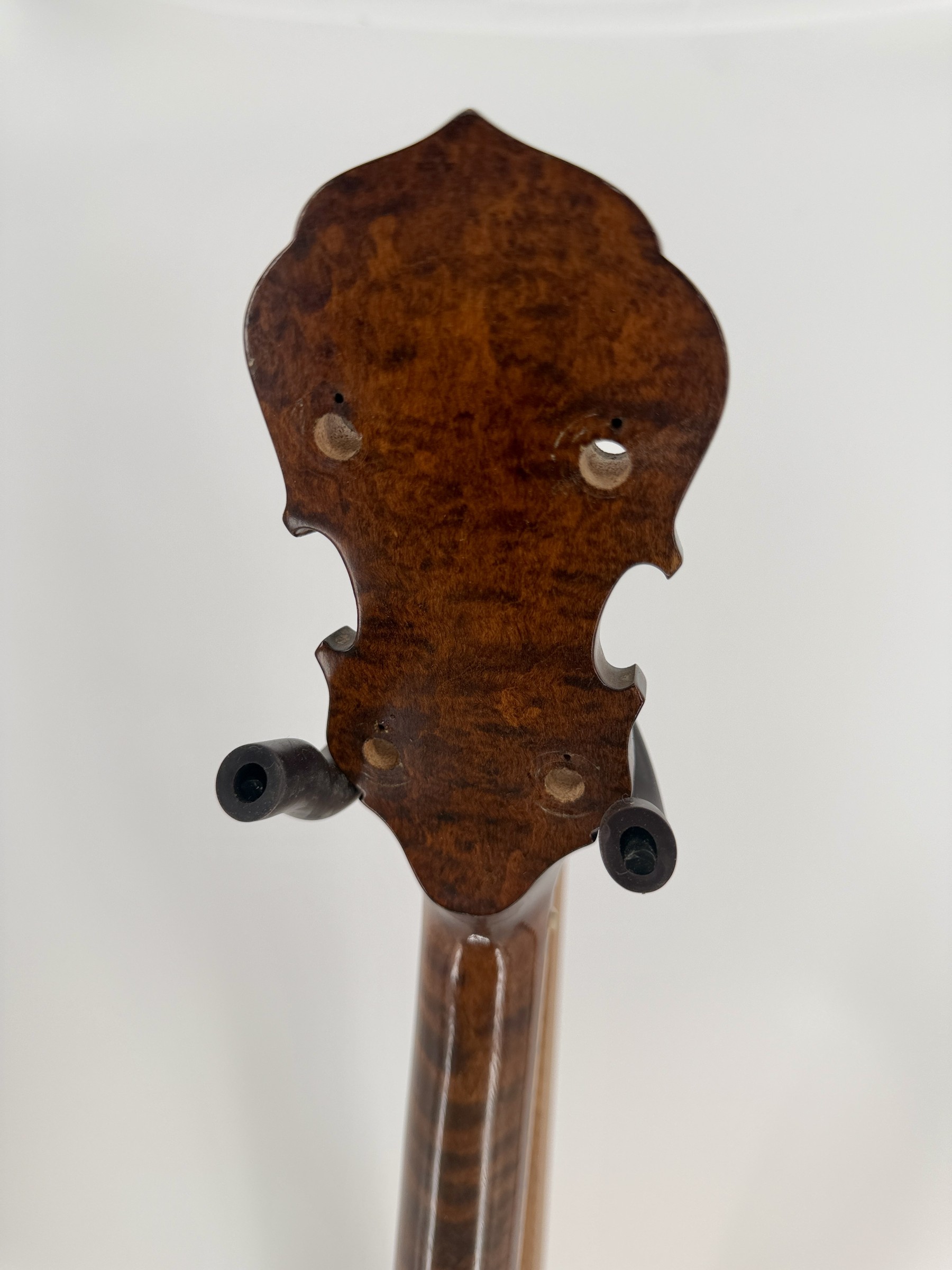
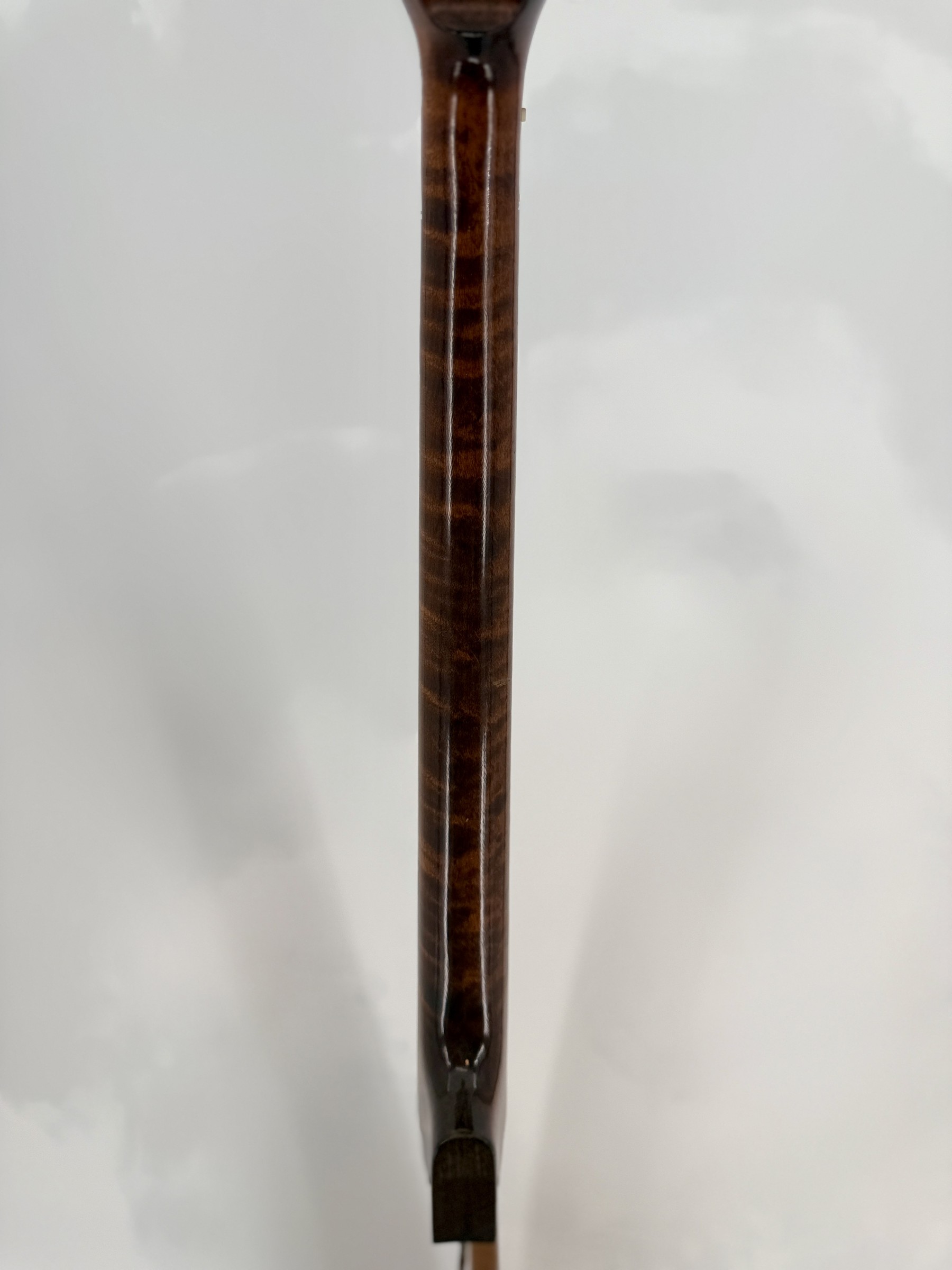
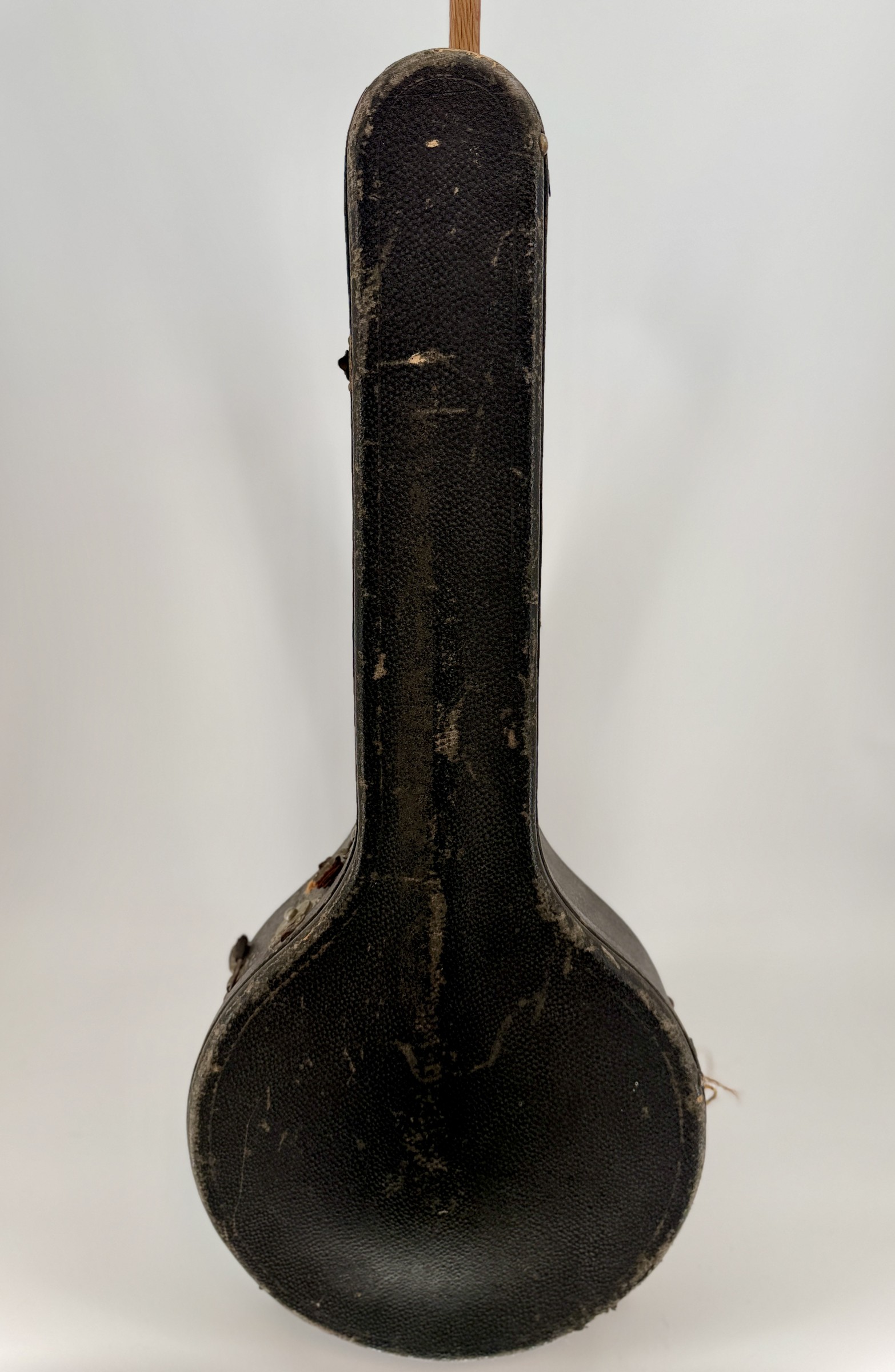
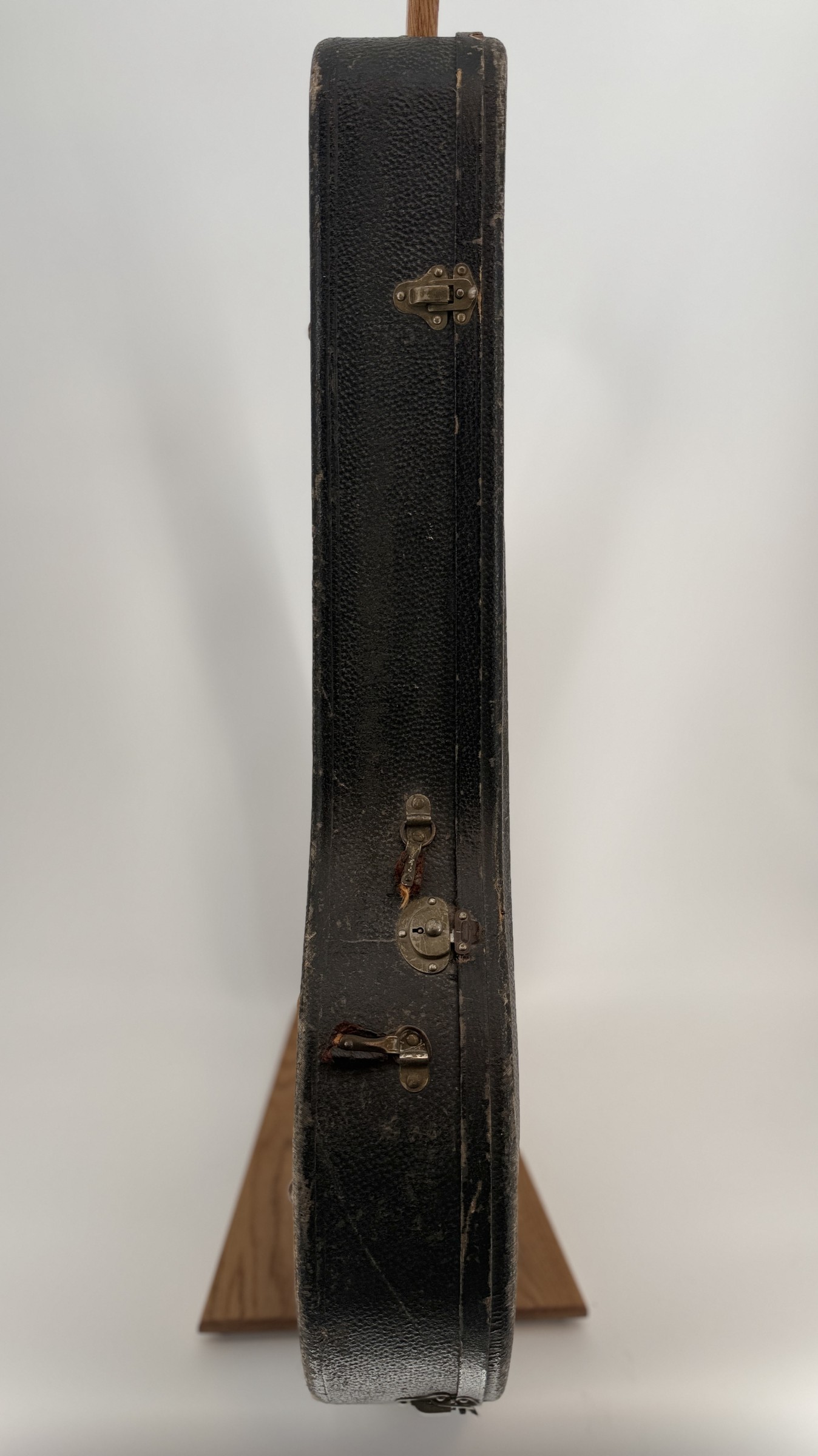
A 1925 Gibson TB-Granada, FON 8118-22, converted to five-string with a new curly maple neck by Frank Neat. A first-year “Mastertone” with the ball bearing tone ring and shotgun skirt, in excellent condition, with its original tenor neck, original tenor case and the 1927 paperwork from the day it was sold new in San Diego. Ships in a new Superior CD-1530 case.
In stock
At a Glance
- Handedness
- Right-Handed
- Style
- Resonator Banjo
- Strings
- 5
- Made In
- USA
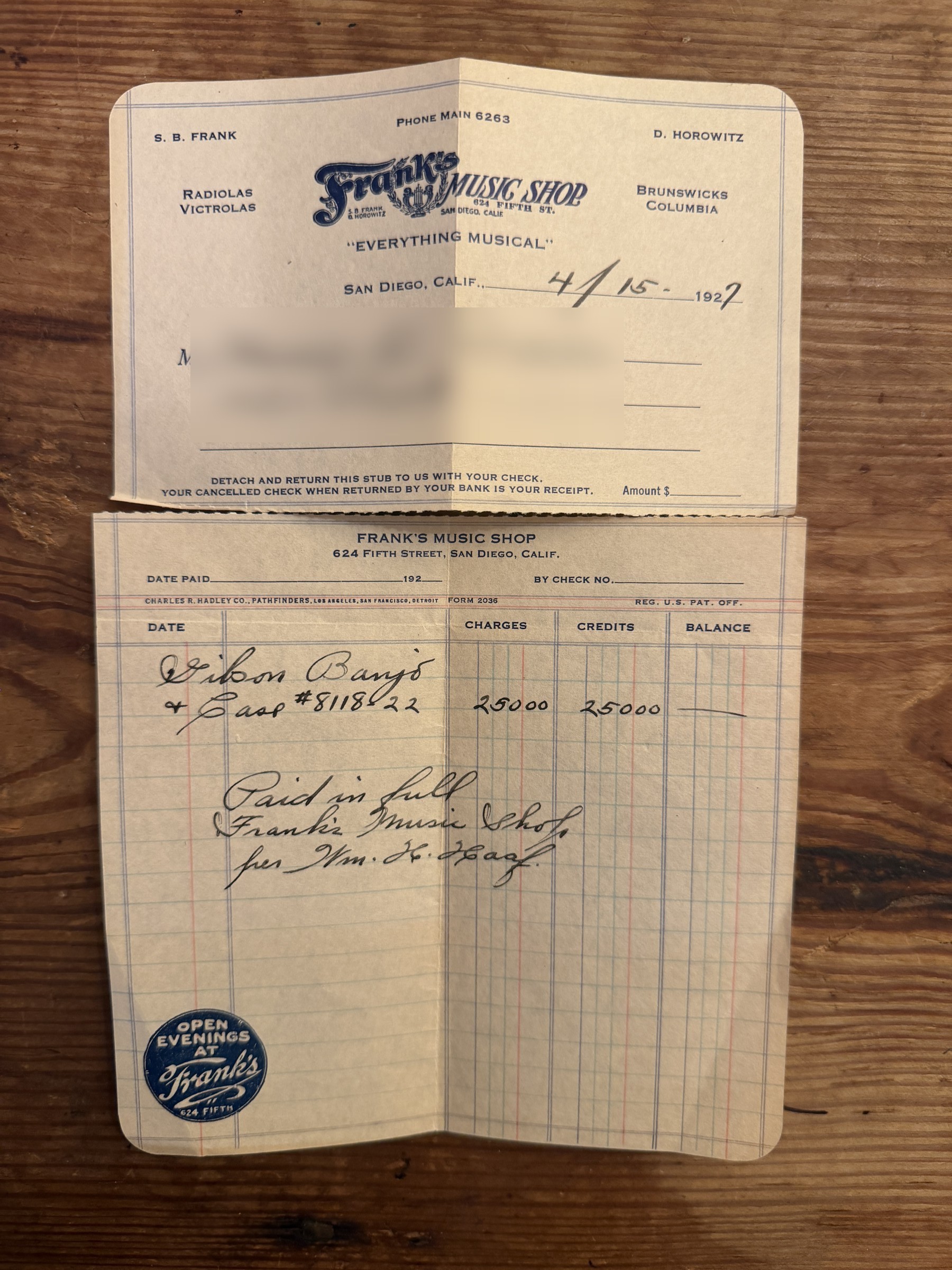
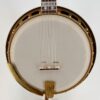
This is a 1925 Gibson TB-Granada, factory order number (FON) 8118-22, converted to five-string with a new curly maple neck by Frank Neat. It is a first-year “Mastertone” with the ball bearing tone ring and the shotgun skirt, it retains its original tenor neck and original tenor case, and it comes with the paperwork from the day it was sold new in San Diego in 1927.
We handle a lot of prewar Gibsons. We have never had one arrive with its original bill of sale.
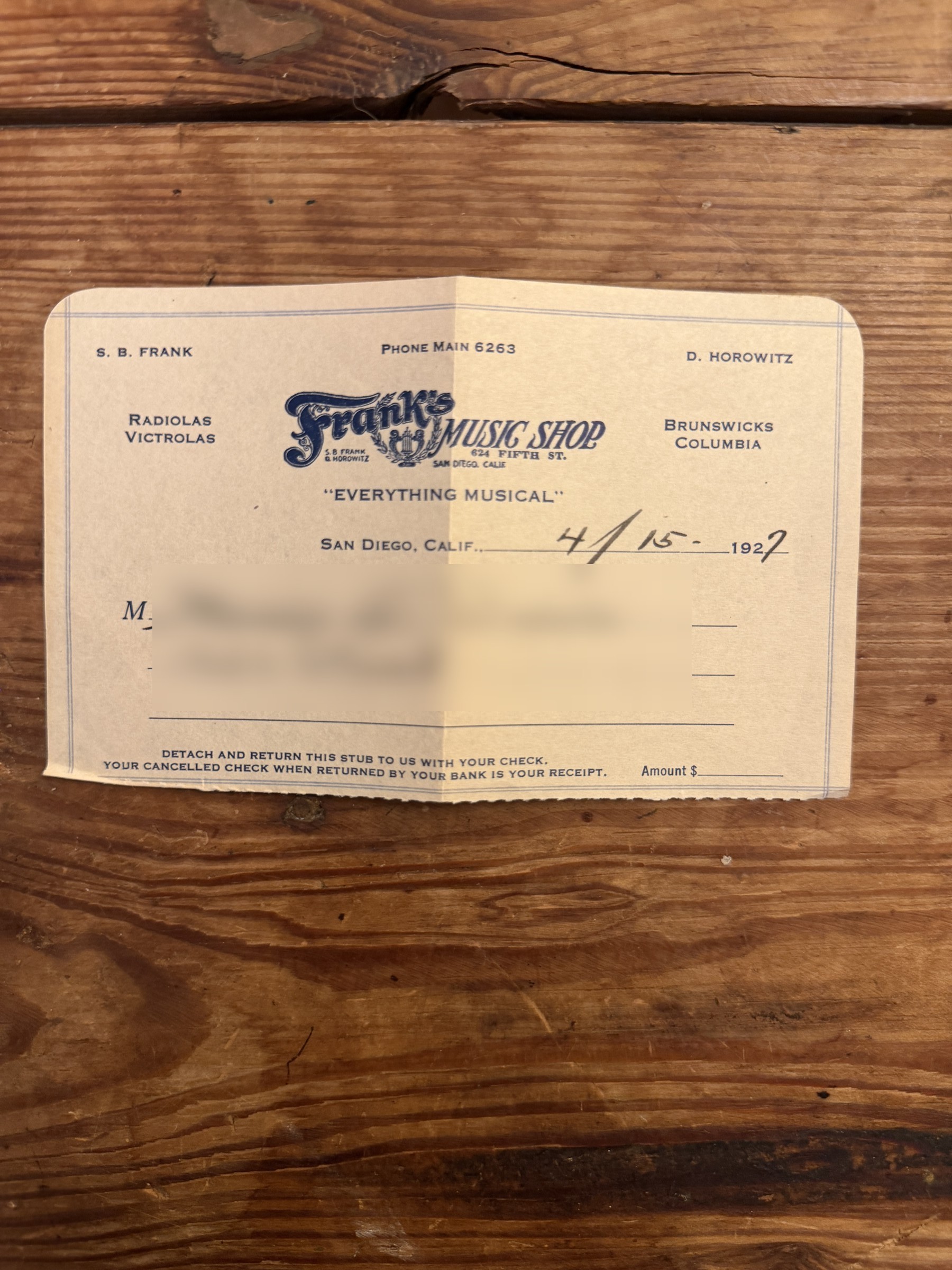
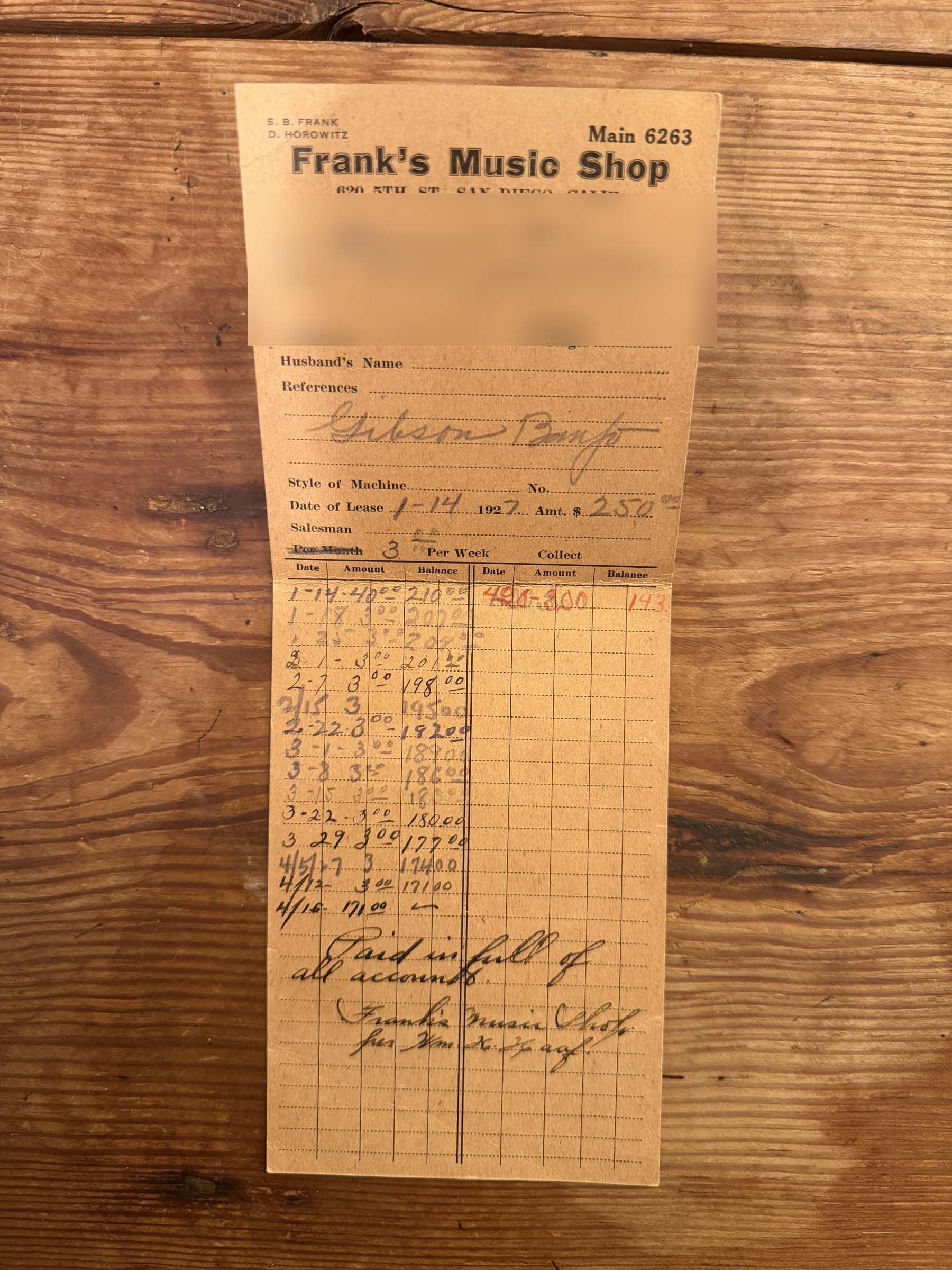
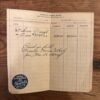
The 1927 paperwork
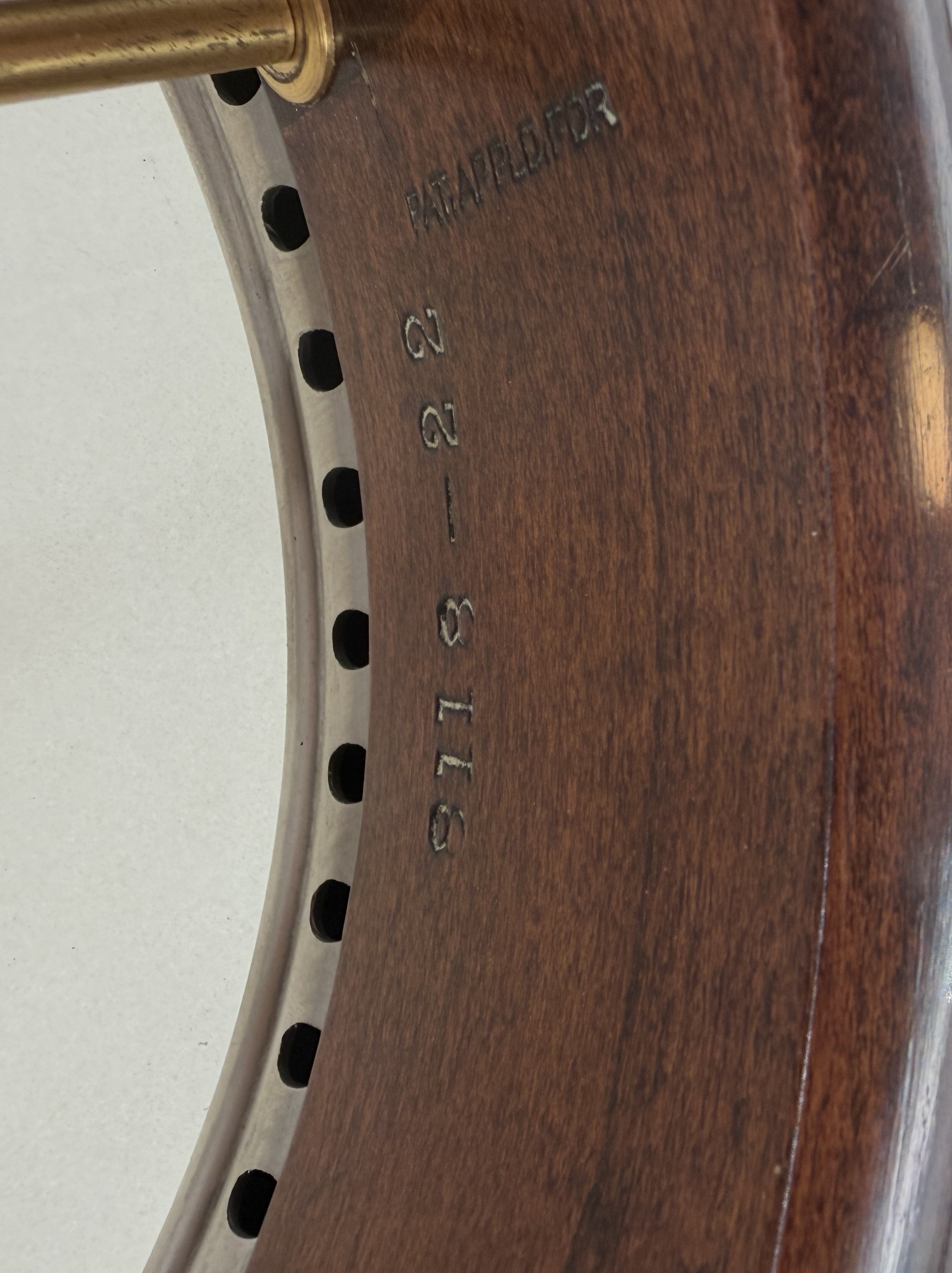
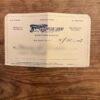
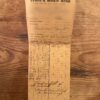
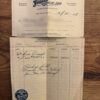
The banjo comes with the original sales documents from Frank’s Music Shop on Fifth Street in San Diego. The statement reads “Gibson Banjo & Case #8118-22.” That is the same number stamped into the rim of this instrument.
The lease card tells the rest of it. The banjo was written up on January 14, 1927 at $250. The buyer put $40 down and paid $3 a week from there, and on April 15, 1927 paid off the remaining $171 in one payment. The account was marked paid in full and signed by Wm. H. Haaf for the shop. Every payment is entered down the card, with the running balance beside it.
Two hundred and fifty dollars in 1927 was a serious sum of money, and somebody paid it down week by week before settling it in full. You can see the whole arrangement on one piece of paper.
Documented provenance on a prewar Gibson is usually a story someone tells you. Here it is a number stamped in wood that matches a number written in ink ninety-nine years ago.
What is original and what is not
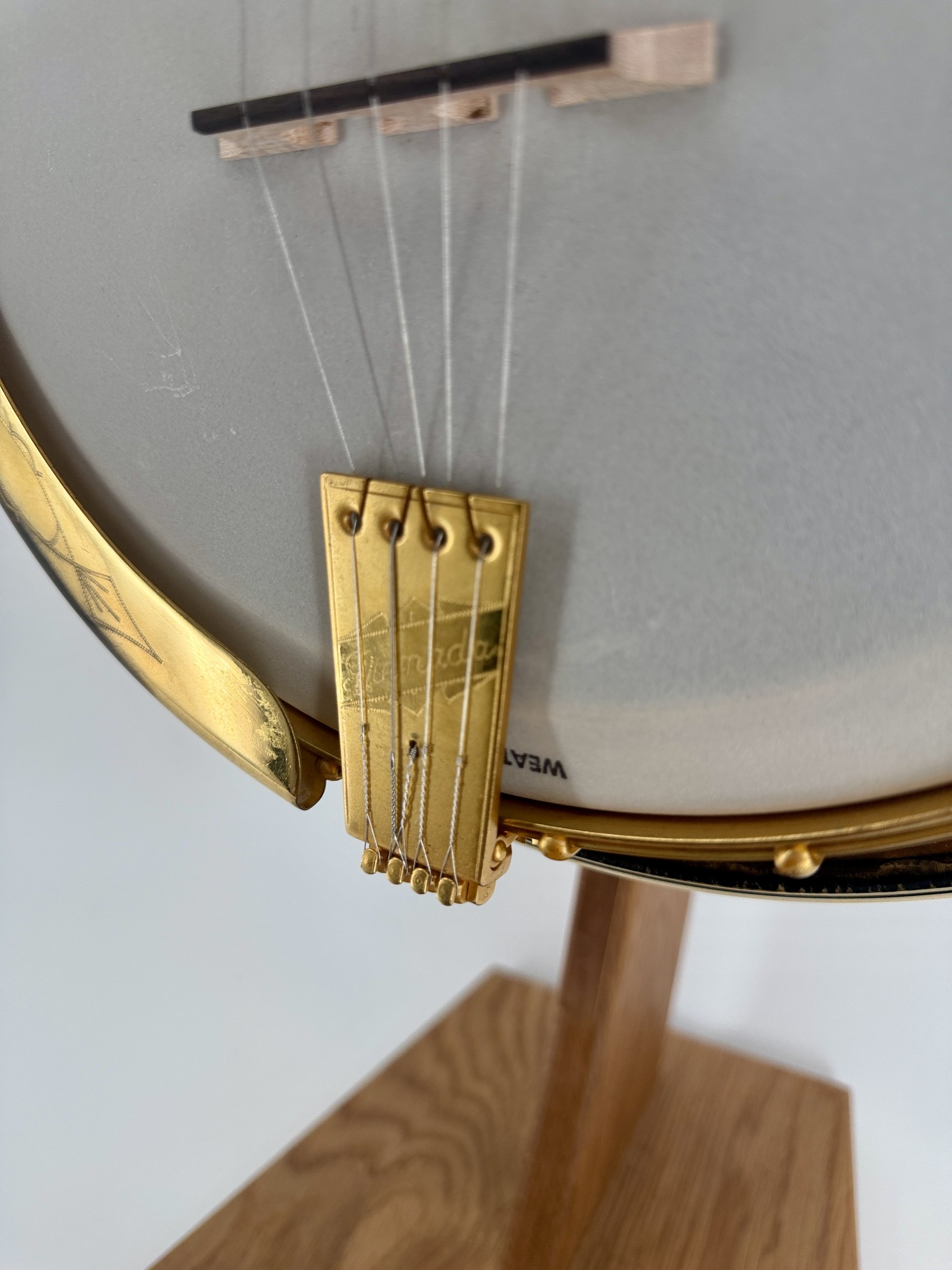
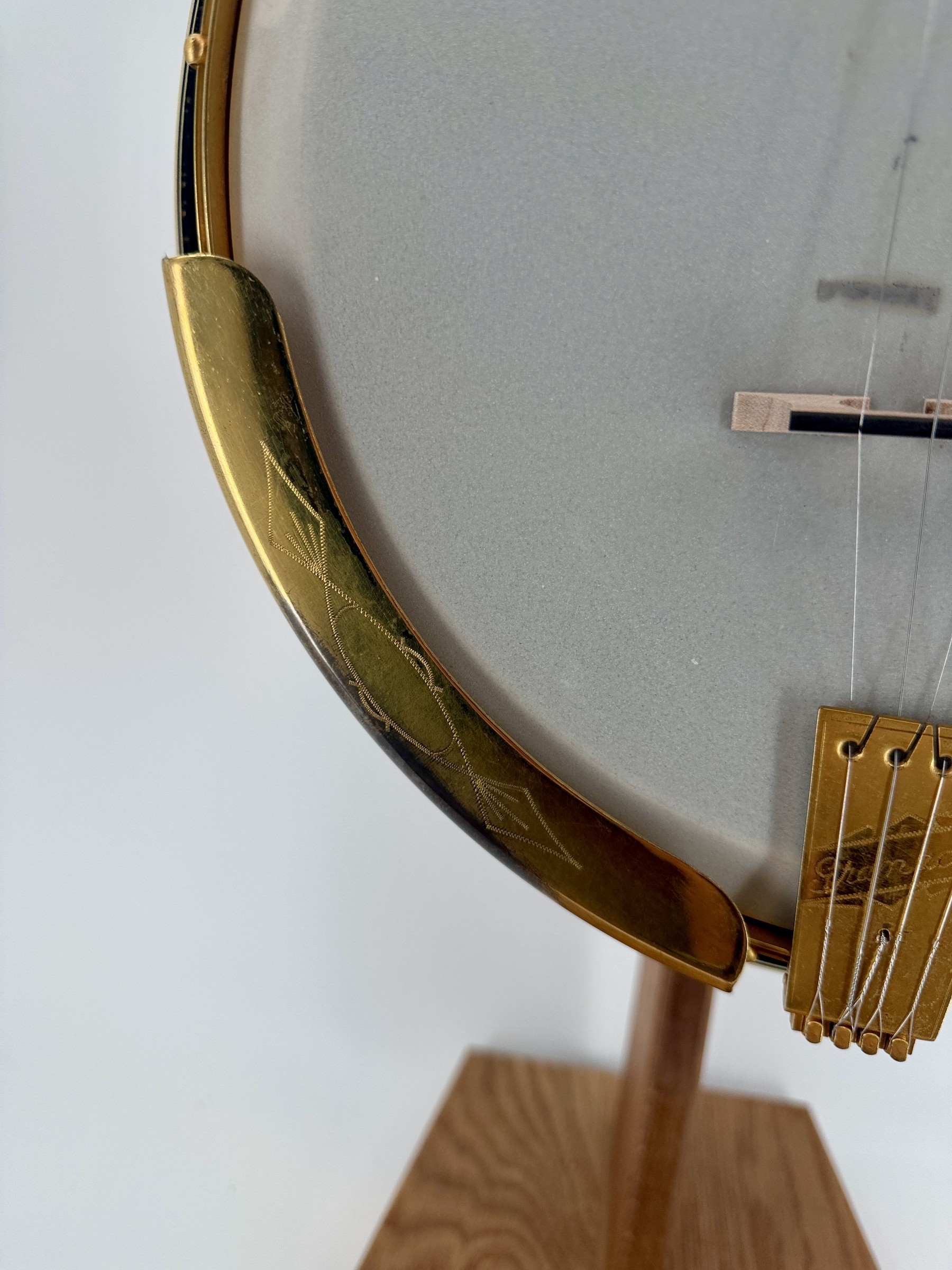
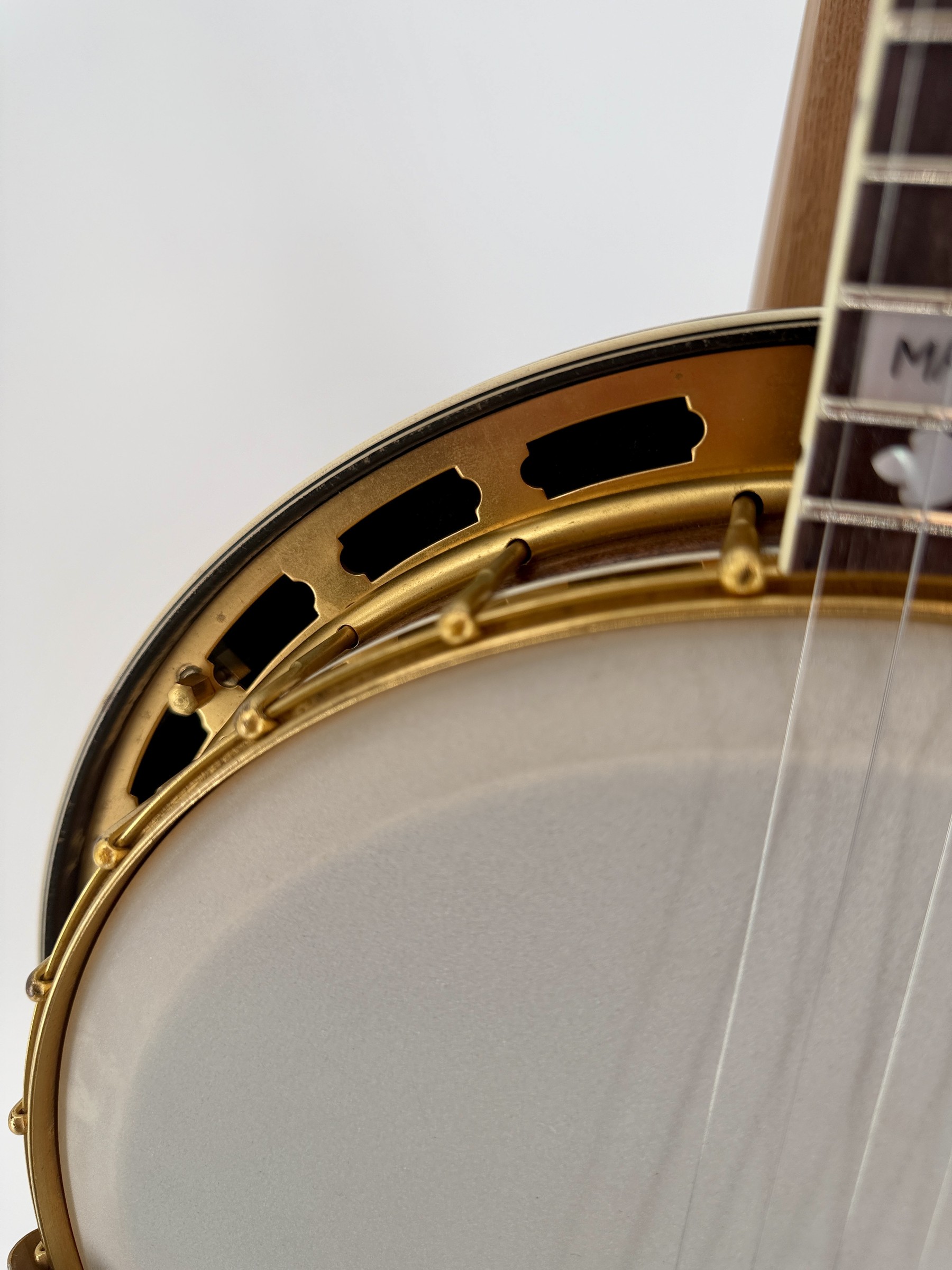
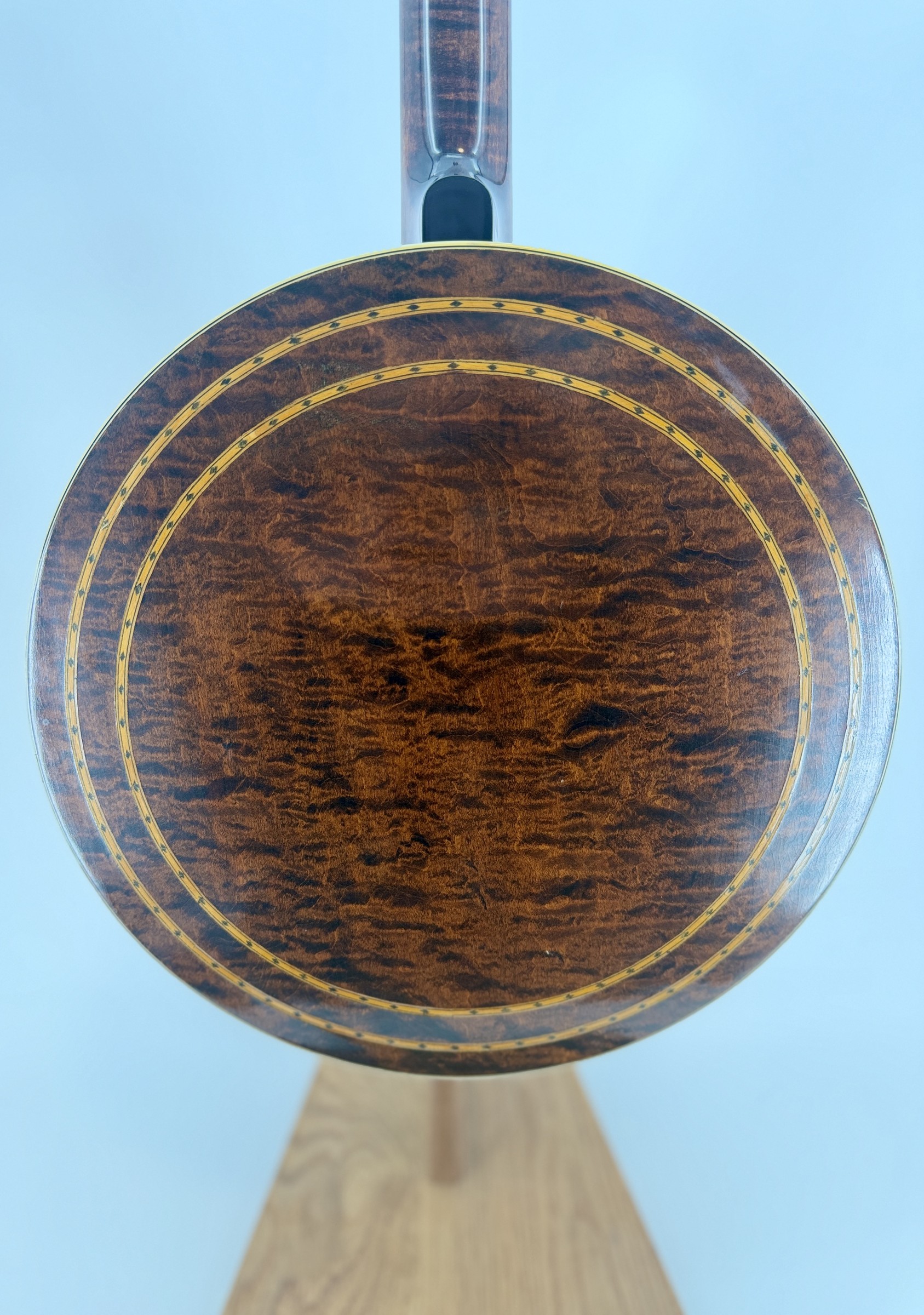
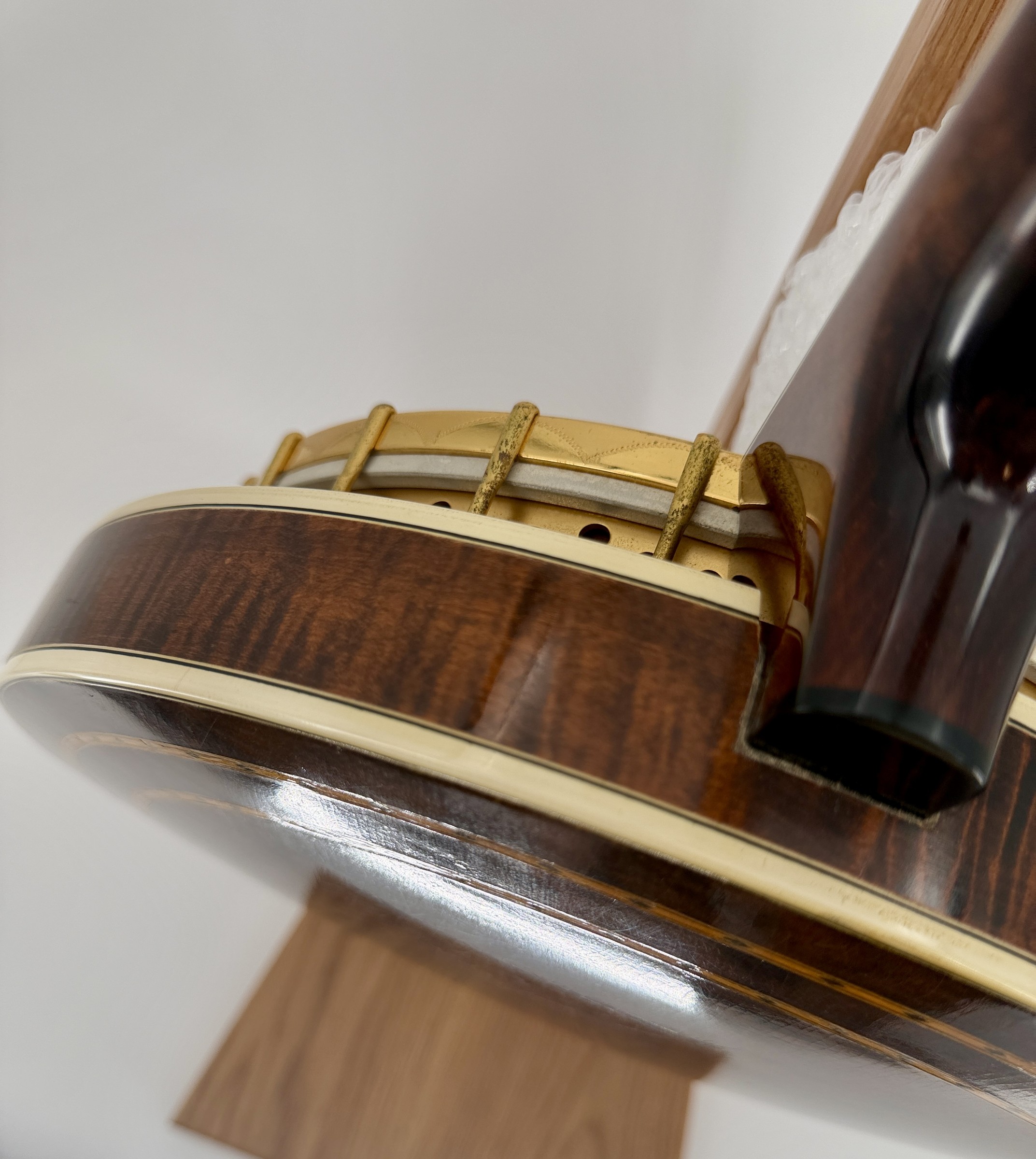
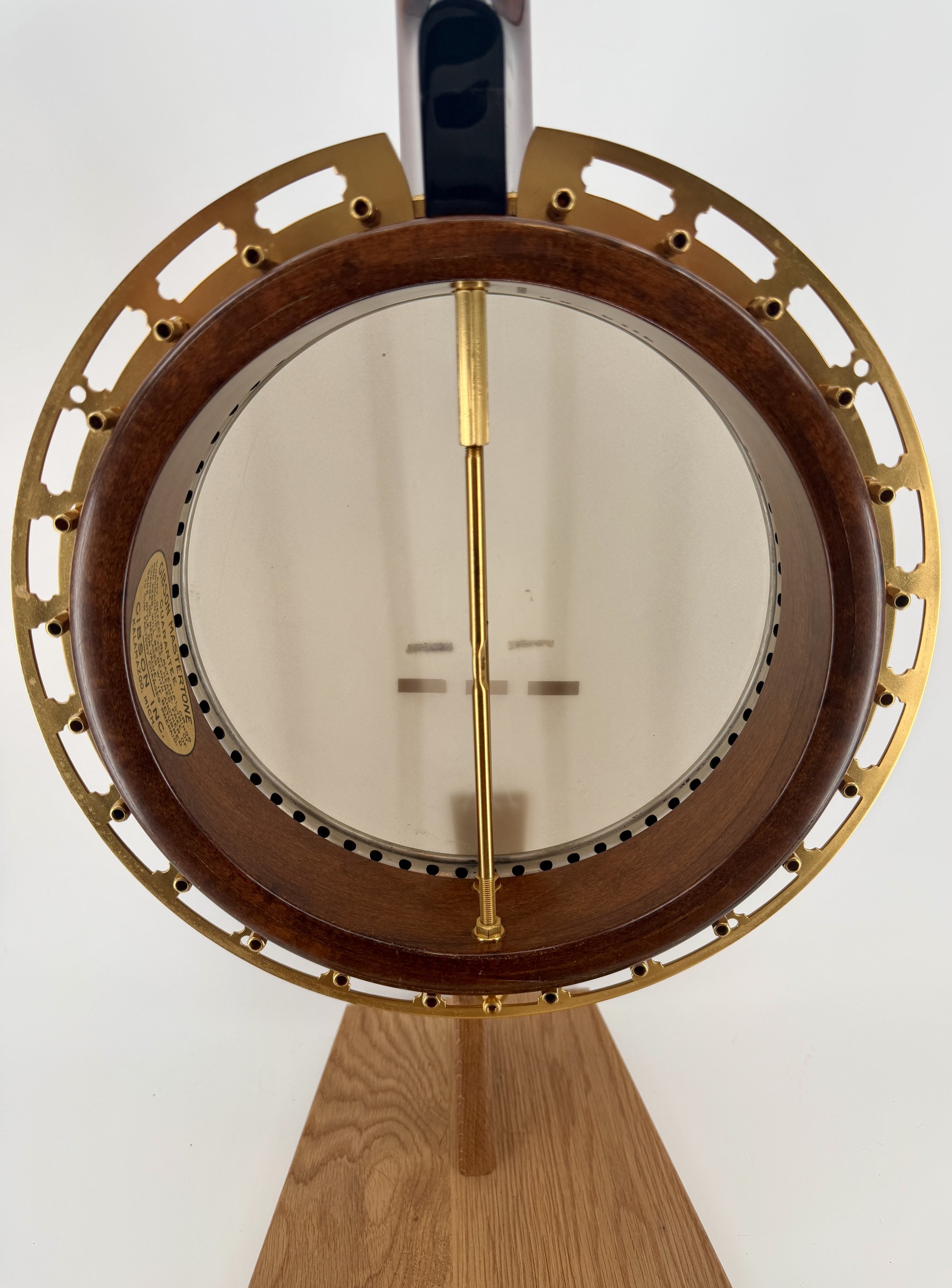
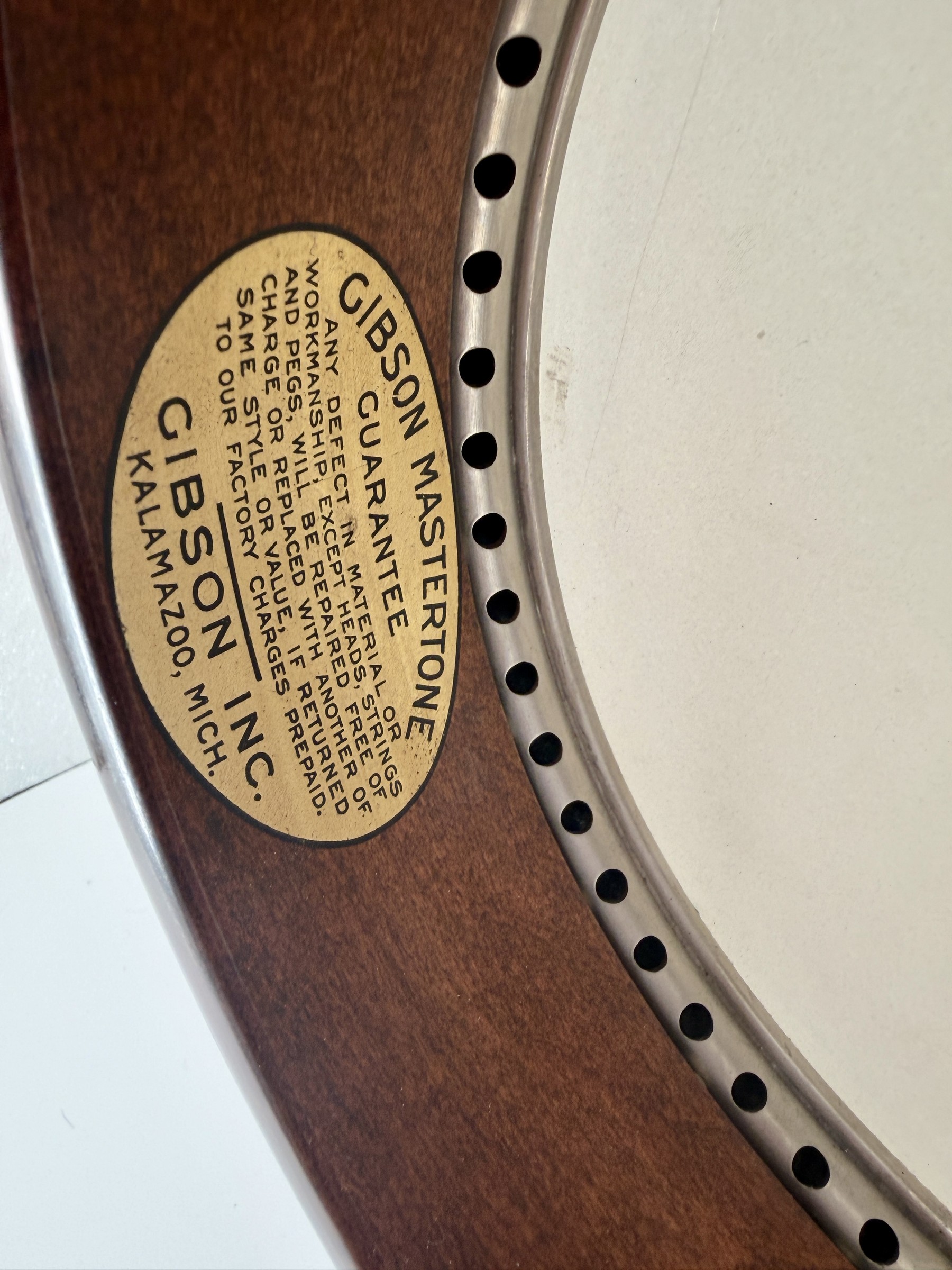
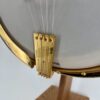
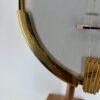
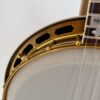
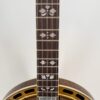
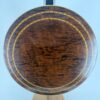
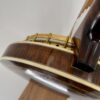
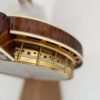
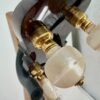
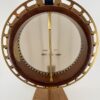
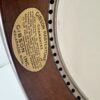
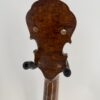
Original: the rim, the ball bearing tone ring assembly with shotgun skirt, the gold-plated flange, the engraved gold armrest, the engraved gold Kershner tailpiece, the figured maple resonator with its two concentric marquetry purfling rings and ivoroid binding, the “Gibson Mastertone Guarantee” label inside the rim, and the four tuning pegs with their original buttons. The original tenor neck comes with the banjo.
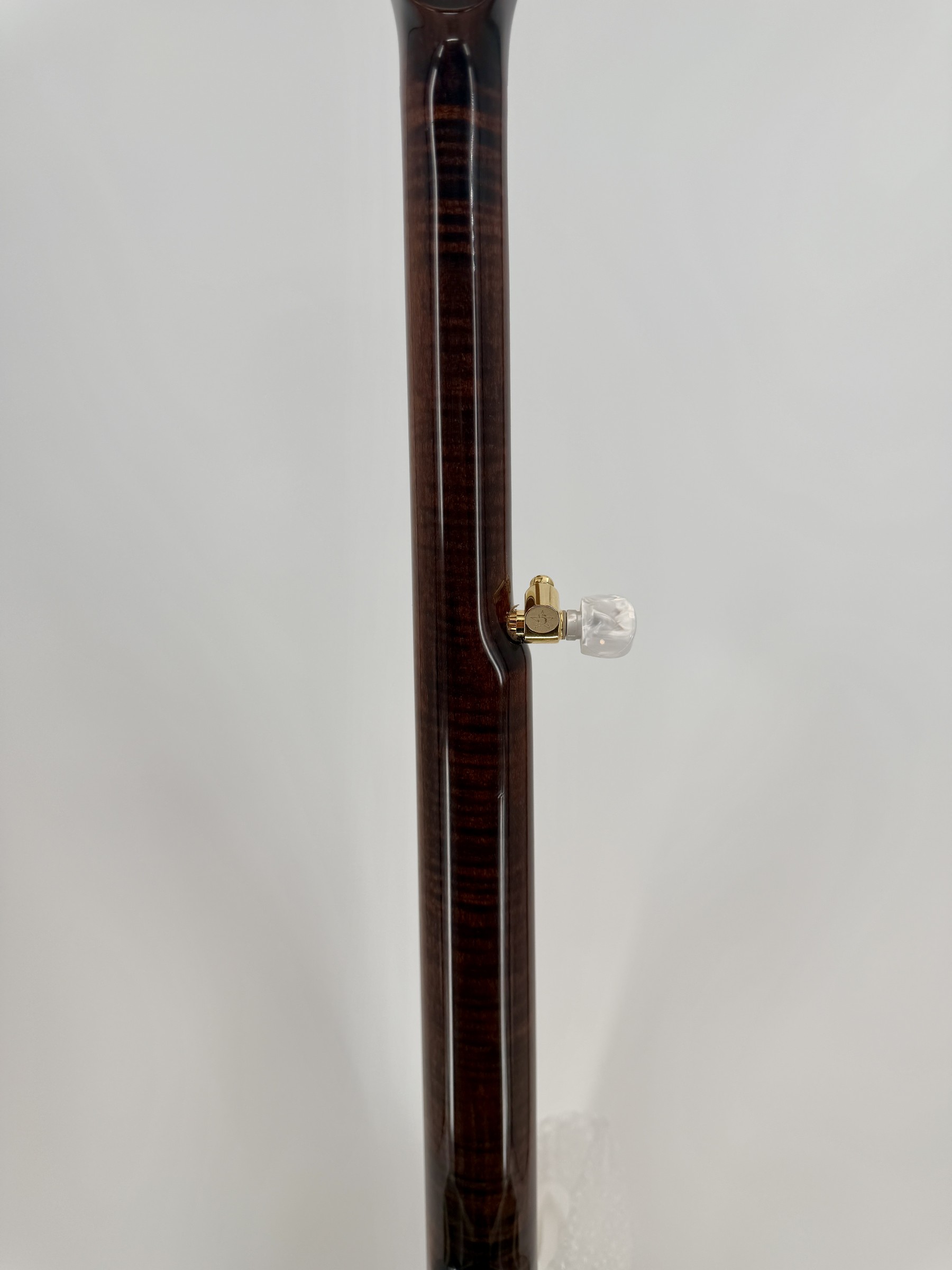
New: the curly maple five-string neck by Frank Neat, the fifth string peg, the bridge, and a Remo Weather King head.
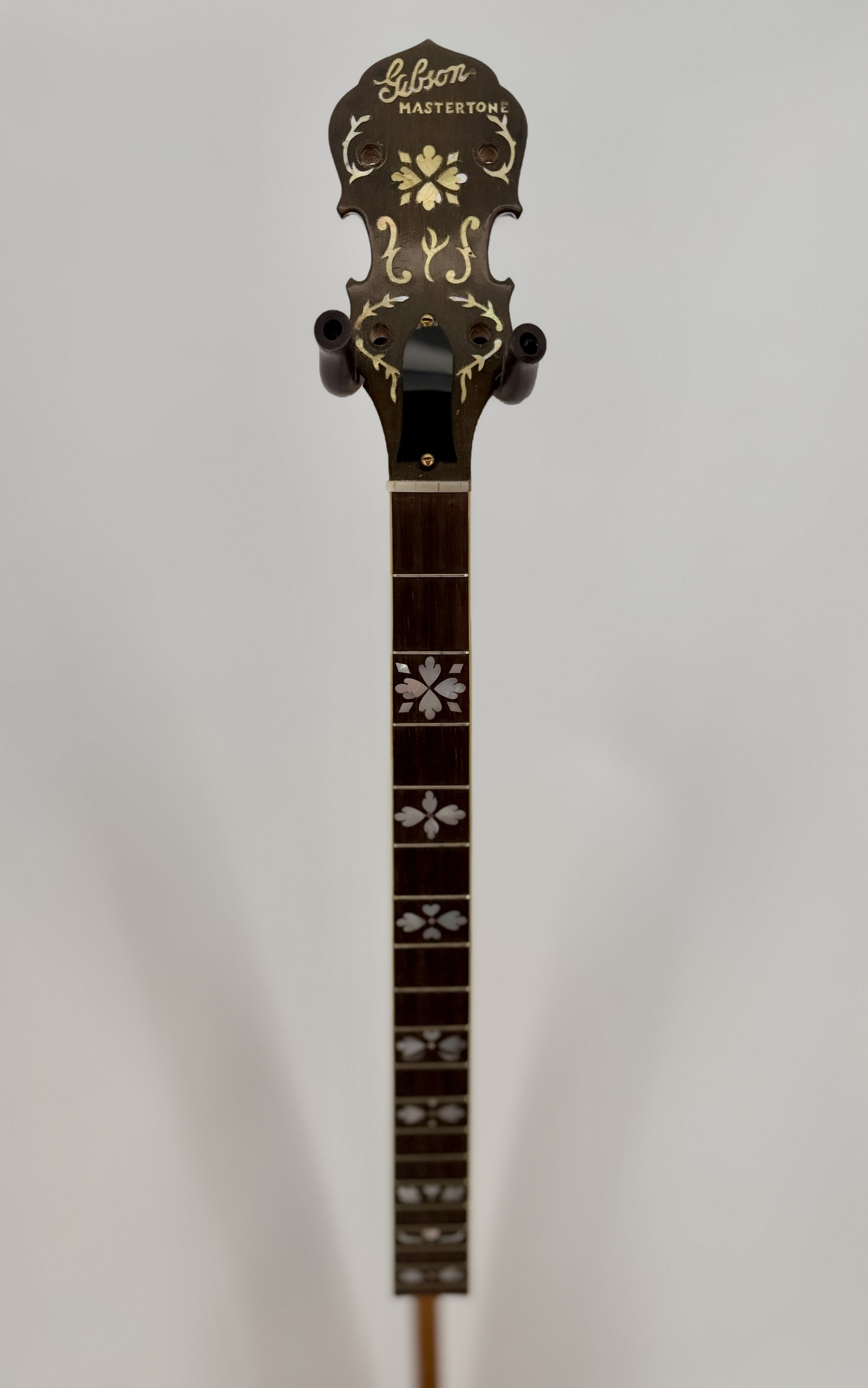
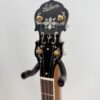
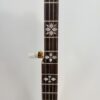
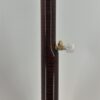
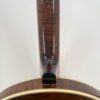
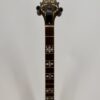
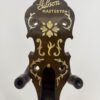
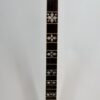
Frank Neat’s work speaks for itself in the photos. The inlay is the Hearts and Flowers pattern, cut to match the original tenor neck, and you can lay the two side by side and see how close he got it. As Geoff puts it in the demo, “the match is just virtually perfect.” The wood match between his neck and the original resonator is close enough that most people will not read it as a replacement until they are told. Note for the record that his neck carries the “Mastertone” block at the end of the fingerboard, which is the 1926-and-later placement, while the original tenor neck has the word on the peghead. The pot is a 1925. We are pointing that out so nobody has to wonder.
What comes with it
- Original 1927 Frank’s Music Shop sales documents
- Original tenor neck
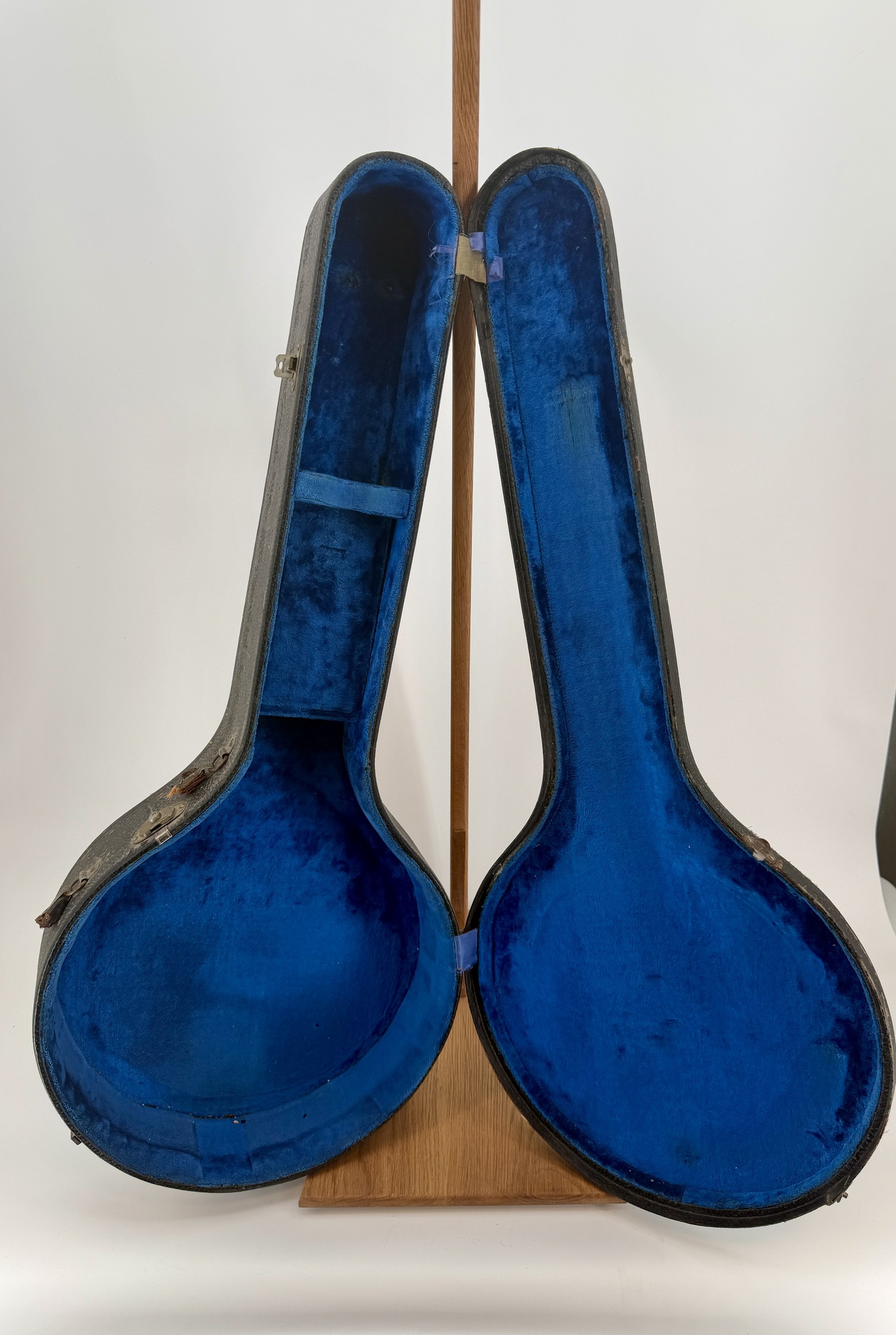
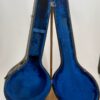
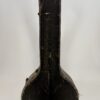
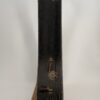
- Original tenor hard case with blue plush lining
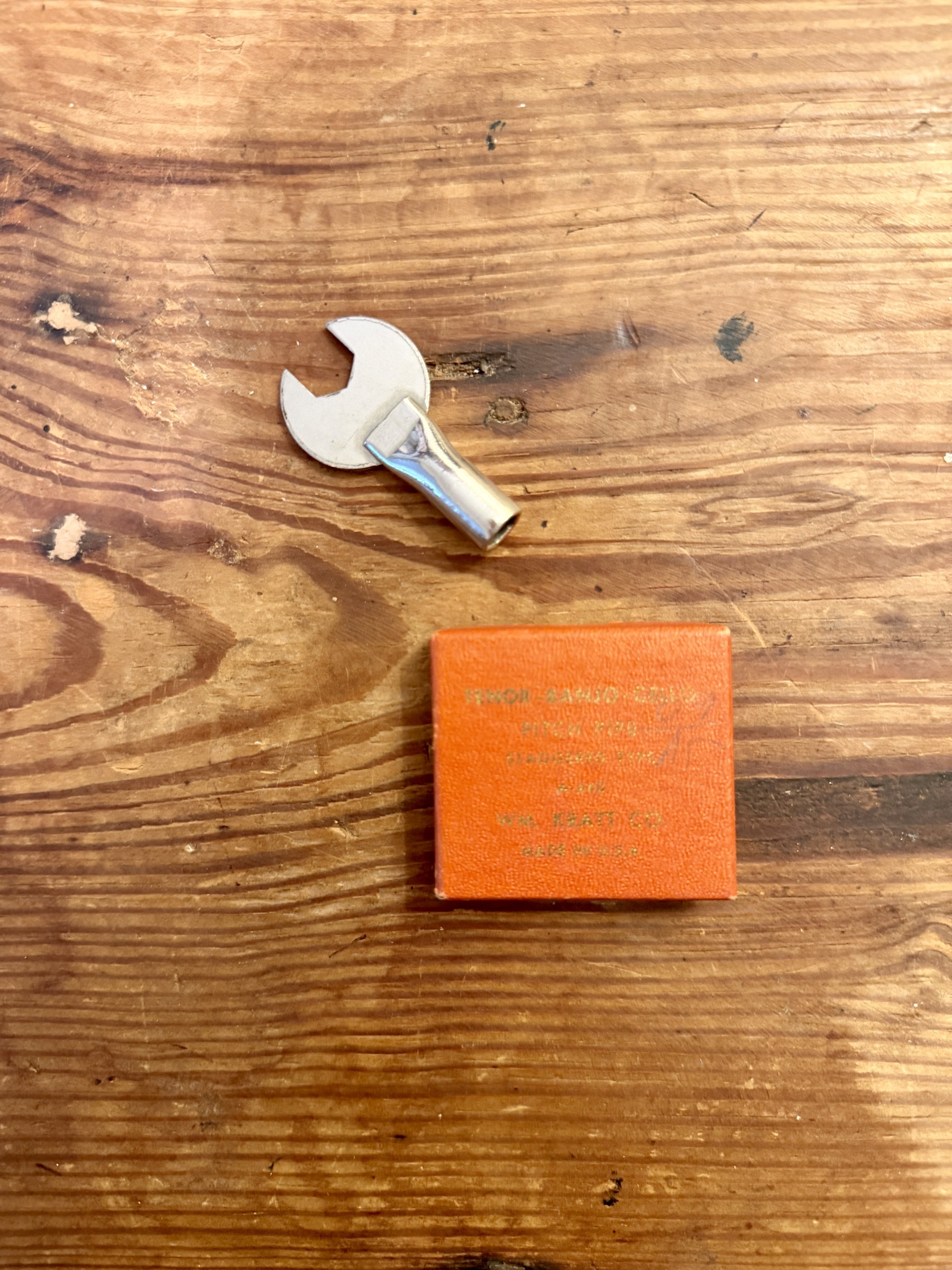
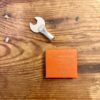
- Original bracket wrench
- Antique tenor banjo pitch pipe in its Wm. Kratt Co. box
The original tenor neck comes with the banjo. The four original tuning pegs are on the five-string neck now, so they would go back onto the tenor neck with it. A future owner who wants to take this banjo back to a tenor can do it, and take it back to a five-string again afterward. Very few converted prewar Gibsons still have that door open.
Condition
Excellent, and better than excellent for something that has been in the world since 1925. There is honest wear to the plating on the armrest where a century of forearms have rested, and some oxidation on the hardware. The resonator and rim are clean. The instrument plays.
Specifications
| Brand | Gibson |
| Model | TB-Granada, converted to five-string |
| Year | 1925 |
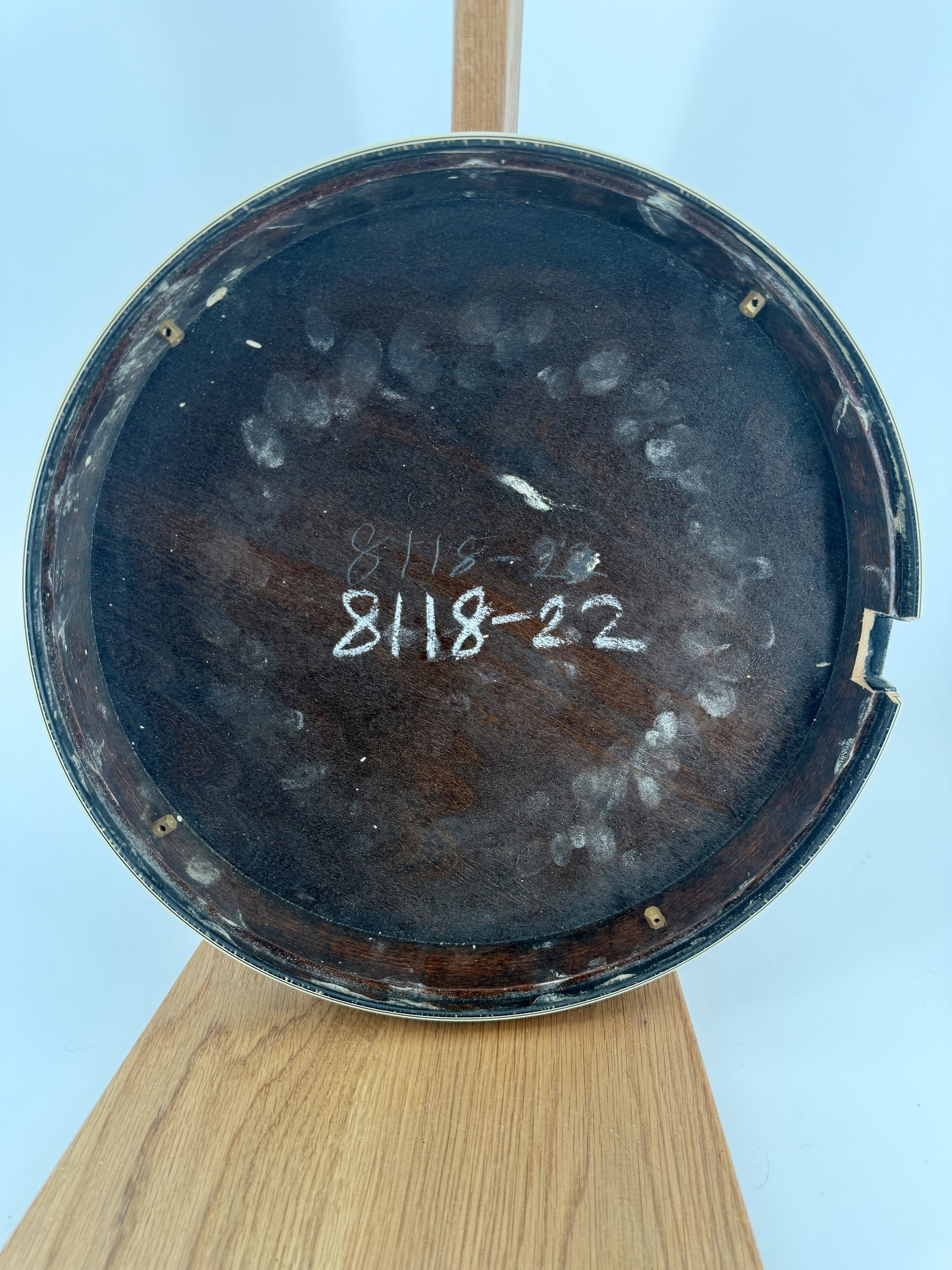
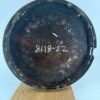
| Factory order number (FON) | 8118-22, stamped in the rim and chalked inside the resonator |
| Tone ring | Ball bearing, with shotgun skirt |
| Neck | New curly maple five-string neck by Frank Neat, Hearts and Flowers inlay |
| Resonator | Figured maple, two concentric marquetry purfling rings, ivoroid binding |
| Hardware | Gold-plated flange, engraved gold armrest, engraved gold Kershner tailpiece |
| Tuners | Four original tuning pegs with original buttons; new fifth string peg |
| Head | Remo Weather King |
| Condition | Excellent; honest plating wear on the armrest, some oxidation on the hardware |
| Cases | New Superior CD-1530 Deluxe hardshell five-string resonator case, plus the original tenor case |
| Also included | Original tenor neck, original 1927 sales documents, original bracket wrench, antique tenor pitch pipe |
| Handedness | Right-handed |
| Country of manufacture | United States |
Setup and shipping
Our banjo tech Tara sets up every instrument by hand before it leaves the shop, and on a vintage instrument that also means checking rim trueness, tone ring fit and the condition of the hardware before anything else happens. If you want to know what she found, ask and we will tell you straight.
It ships in a new Superior CD-1530 Deluxe hardshell five-string resonator case. The original tenor case travels with it. Every banjo we sell is backed by our 7-day satisfaction guarantee, and flexible financing is available at checkout, including PayPal Pay in 4 and PayPal’s monthly Pay Later options.
Questions about this banjo, or want to talk with Geoff about it before you decide? Call or text us at (404) 218-8580. Geoff Hohwald, author of The Banjo Primer, has been selling fine banjos since 1980, now based in Yellow Springs, Ohio, and he is happy to spend the time.
Want to know when new banjos arrive?
Join the Banjo Warehouse email list for new arrival notifications, sale alerts, and free weekly banjo lessons from Geoff Hohwald.
How do you know it is a 1925?
Three independent ways, which is unusual.
- The rim stamp. “PAT. APPL’D FOR” over 8118-22, struck into the maple. The number is also chalked twice inside the resonator.
- The shotgun skirt. The perforated tone ring skirt was a 1925 feature. Gibson dropped the holes for 1926.
- “Mastertone” on the peghead. The original tenor neck carries the word on the headstock. For 1926 Gibson moved it to a block at the end of the fingerboard.
The dated 1927 receipt is consistent with all three, allowing for the normal gap between when an instrument was built and when a dealer sold it.
What is a ball bearing tone ring?
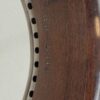
It is the most elaborate tone ring Gibson ever built and they only made it for two years. Instead of a single cast ring sitting on the rim, the tone tube floats above the wood on twenty-four ball bearings, each riding on a spring and washers set into holes drilled around the top of the rim. Roughly a hundred parts in the pot assembly.
The idea came out of the acoustic thinking of the day, which held that a tone ring should be isolated from the rim so it could vibrate freely. Gibson abandoned it for the one-piece cast ring in 1927, partly because the cast ring turned out to sound better for what players eventually wanted, and largely because the ball bearing was a nightmare to build.
What it gives you is a different voice from a flathead. Sweeter, lighter in the hand, with a bloom to the note rather than the hard bark of a cast flathead. It is not the Scruggs sound and it is not trying to be. Plenty of ball bearing owners never convert them for exactly that reason.
All of the ball bearing hardware in this instrument is present and accounted for. That is worth saying plainly, because previous owners have pulled the springs and washers out of a great many of these over the years and never put them back. A complete ball bearing assembly is not a given.
Be the first to review “1925 Gibson TB-Granada Five-String Conversion”
You must be logged in to post a review.
Related products
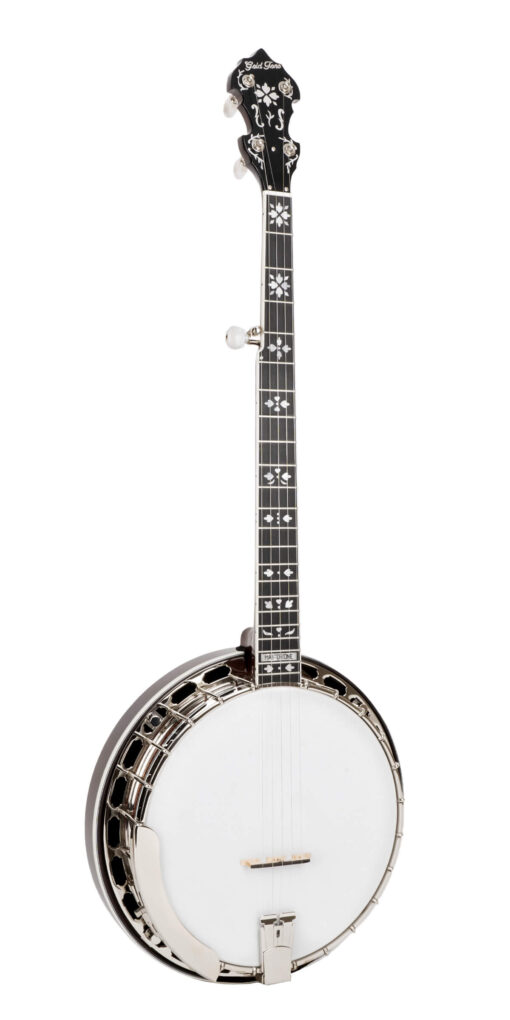
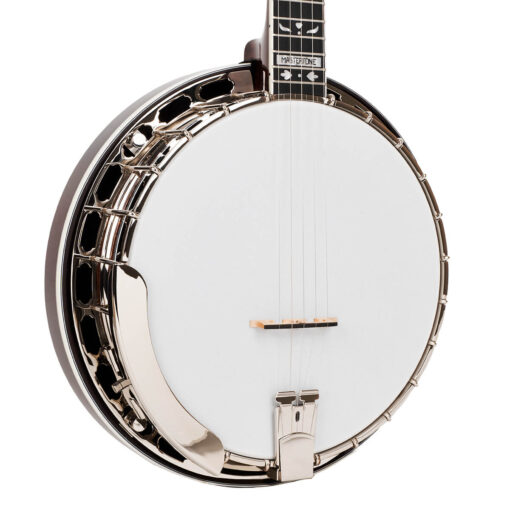
The double-cut headstock, combined with the Hearts-and-Flowers inlay pattern, says it all. The OB-Standard respects the GOAT Bluegrass banjoist, Earl Scruggs, who played this banjo style for many years.
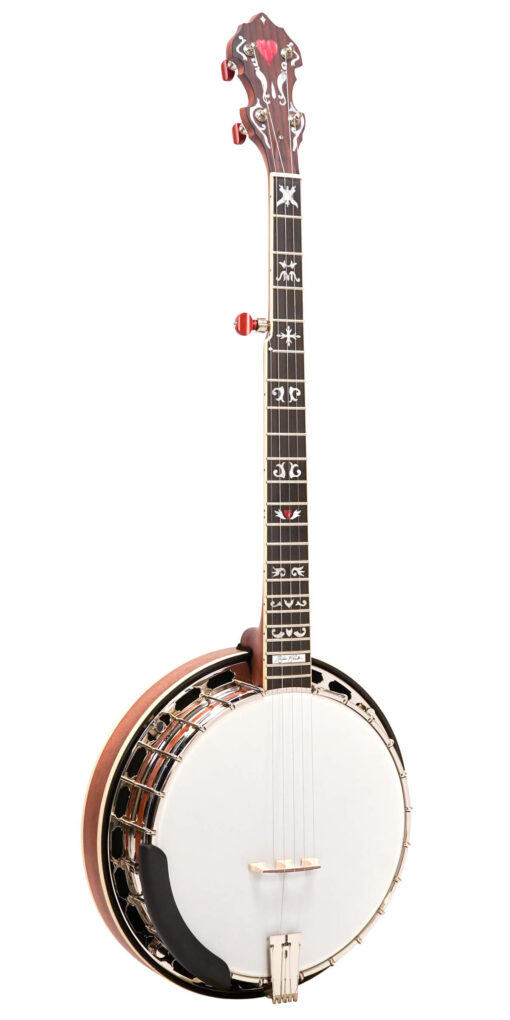
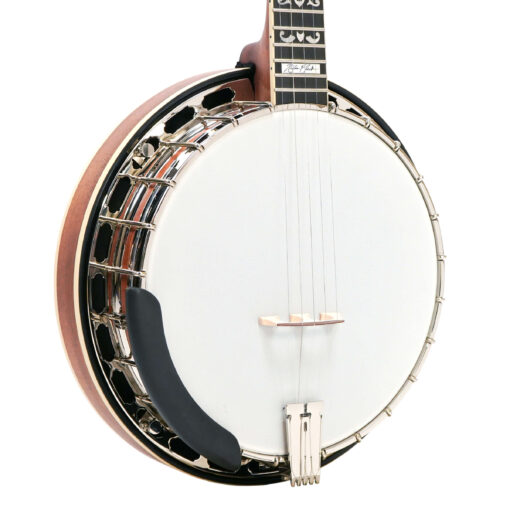
Left-handed Gold Tone Bluegrass Heart Béla Fleck Signature Banjo with no-hole bell bronze tone ring, mahogany neck, radiused ebony fingerboard with Flying Eagle red heart inlays, Rickard Cyclone 10:1 tuners with brass buttons, Prucha Presto tailpiece, and Little Mountain armrest. 11.5 lbs. Includes hardshell case and free shipping.

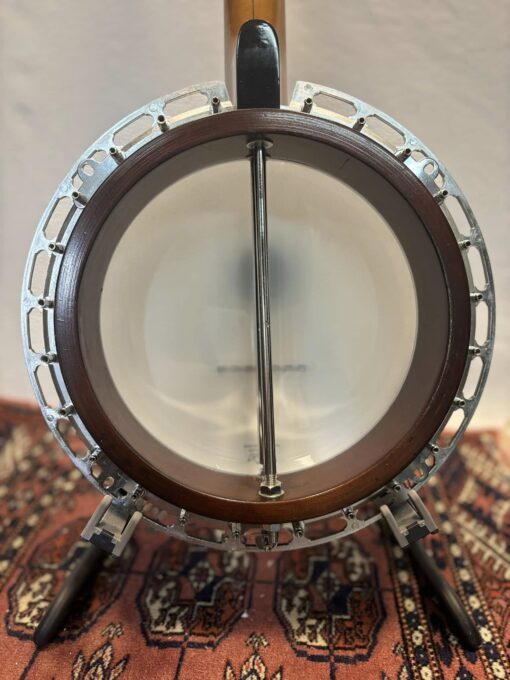
1970s/1980s Vintage Japanese Aria Pro II Banjo with hard-shell case. These phenomenal instruments were built during the Golden Age of Japanese banjo building.
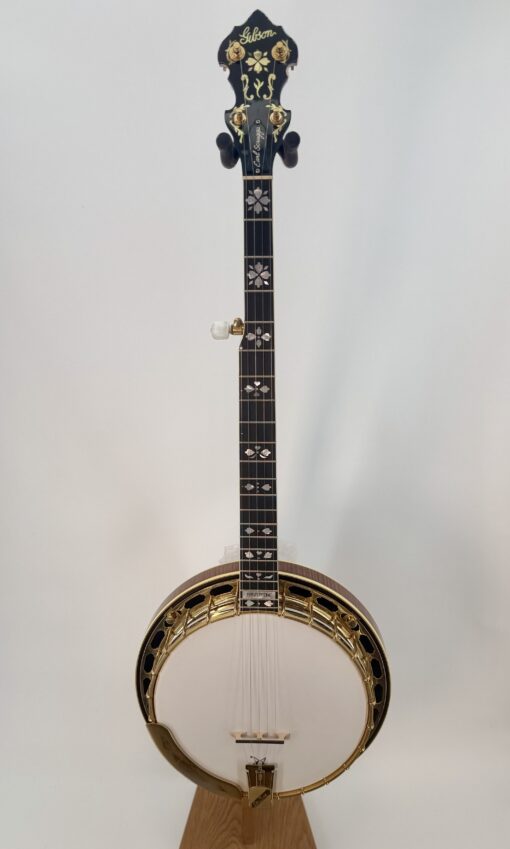
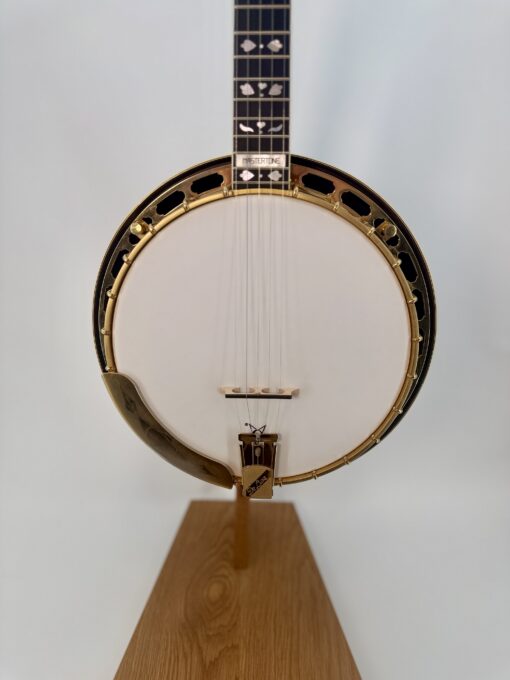
A 1992 Gibson Earl Scruggs Standard Golden Deluxe from the Greg Rich era, serial 92-06 and the sixth of the model built. Curly maple in a deep sunburst, gold engraved hardware, full hearts and flowers inlay, a 20-hole Kulesh tone ring, and Gibson Keith D-tuners. Honest used condition with the original case. Professionally set up before it ships, with free US shipping and our 7-day guarantee.
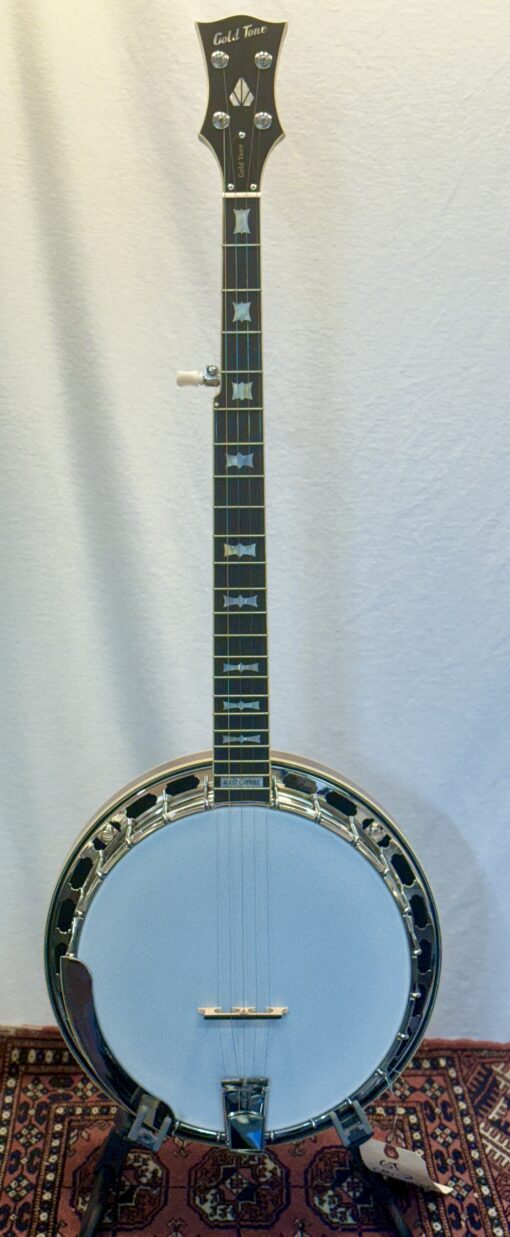
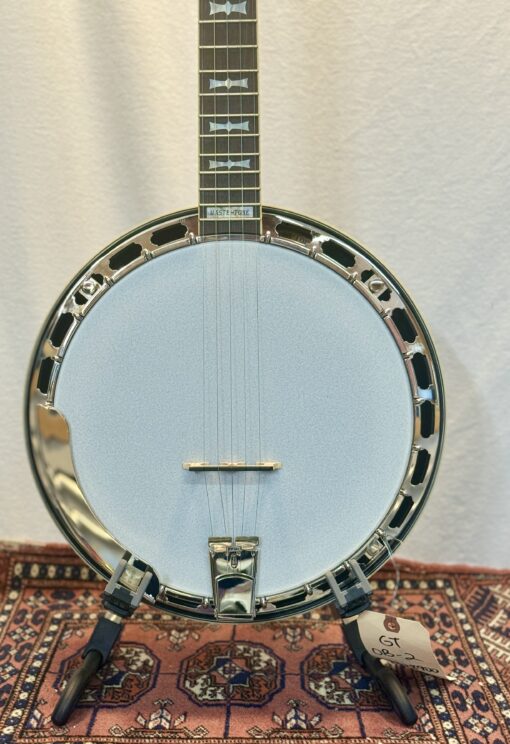
Brand new Gold Tone Mastertone OB-2 Bowtie Banjo faithfully recreates legendary 1960s Mastertone bowtie banjos with rare 19-hole brass tone ring, mahogany neck, and golden sunburst finish. Professional bluegrass tone with modern reliability. Includes premium hard case.
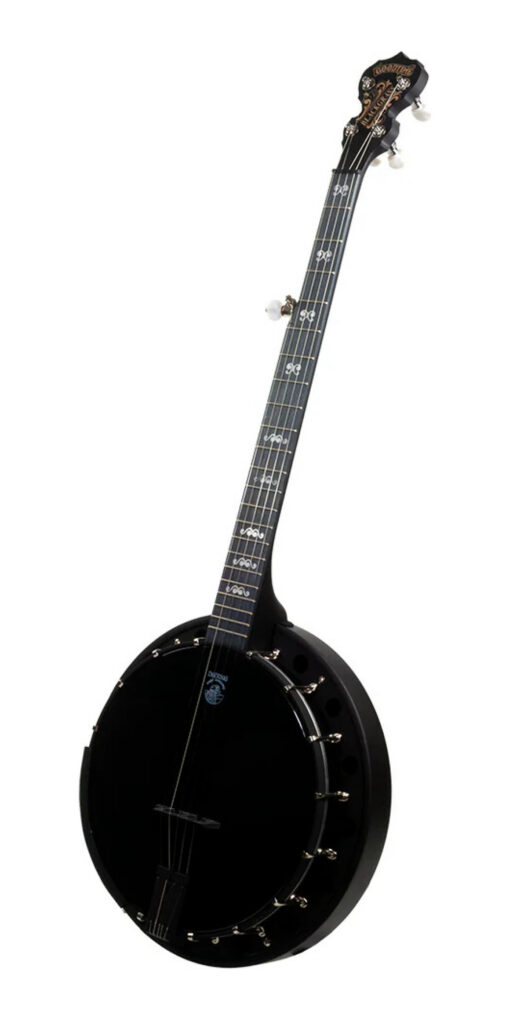
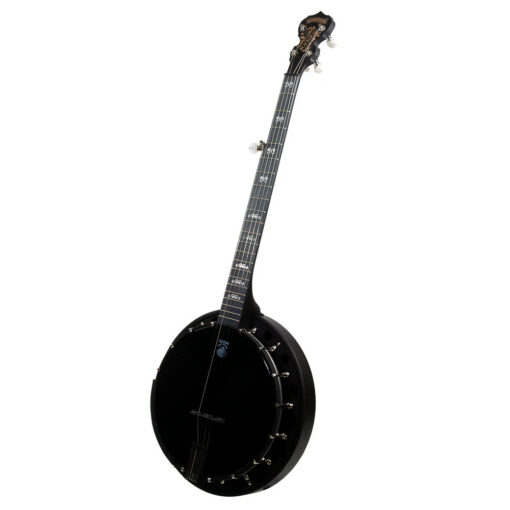
The Deering Goodtime Blackgrass is the darkest banjo in the Deering lineup. All-black matte finish, black head, matte black hardware. 3-ply violin grade maple rim with resonator. Midnight maple fingerboard with vintage artisan inlays. Planetary tuners, spikes at 7, 9, and 10. Handcrafted in Spring Valley, California. $1,389 with free shipping and professional setup by our banjo tech Tara. Made in the USA.
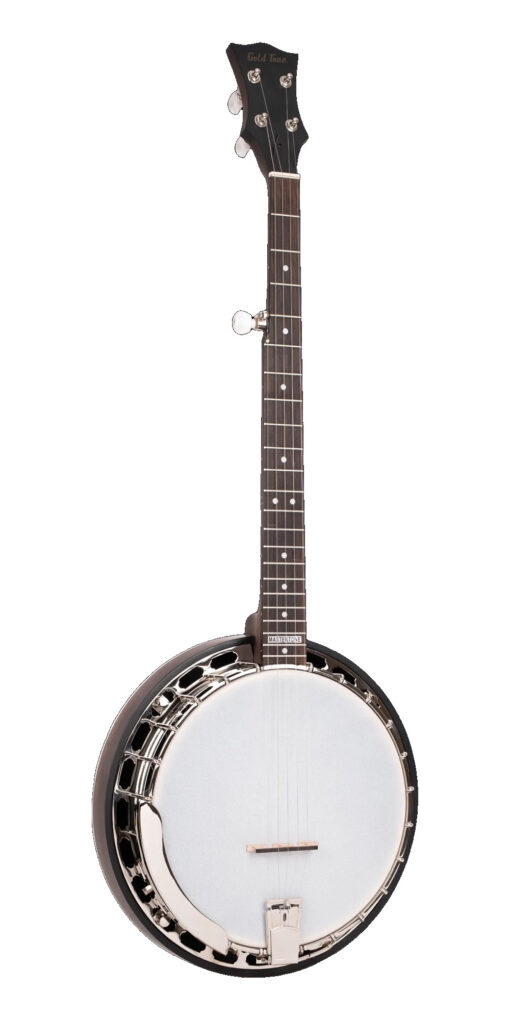
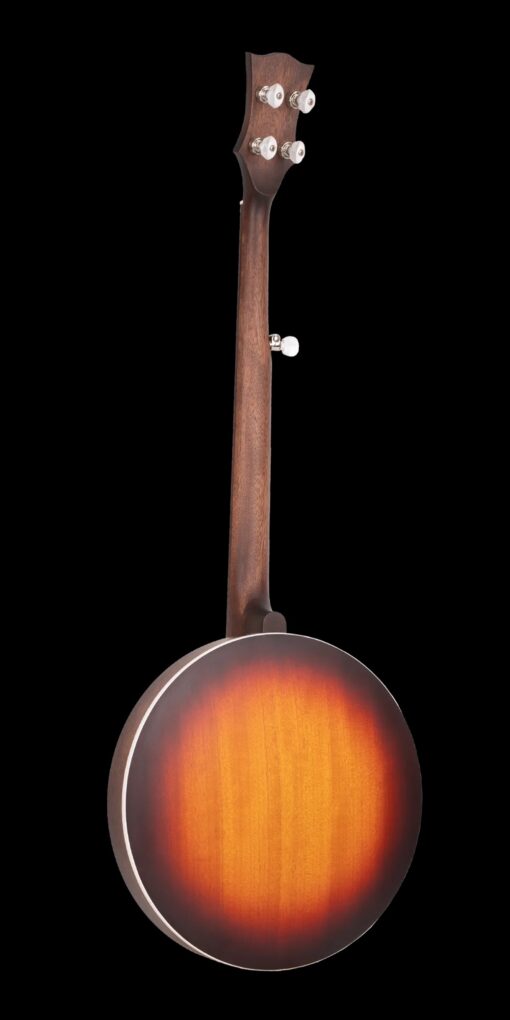
On backorder, more on the way. This model is temporarily sold out at Gold Tone. Order now to reserve yours at today's price and hold your place in line. It ships as soon as our next shipment arrives, expected in August or September 2026. Questions? Call us at (404) 218-8580.
The OB-100 is a lightweight RB-100 tribute with rolled brass tone ring, one-piece flange, and classic styling. Just 8.2 lbs. Greg Rich design.


The revolutionary Gold Tone WR-7 Wayne Rogers Signature 7-String Banjitar features an innovative doubled low E string design that creates an authentic banjo drone effect. With pre-installed SMP+ pickup, premium maple construction, and included gig bag, this instrument bridges the gap between guitar and banjo like no other.
Reviews
There are no reviews yet.