
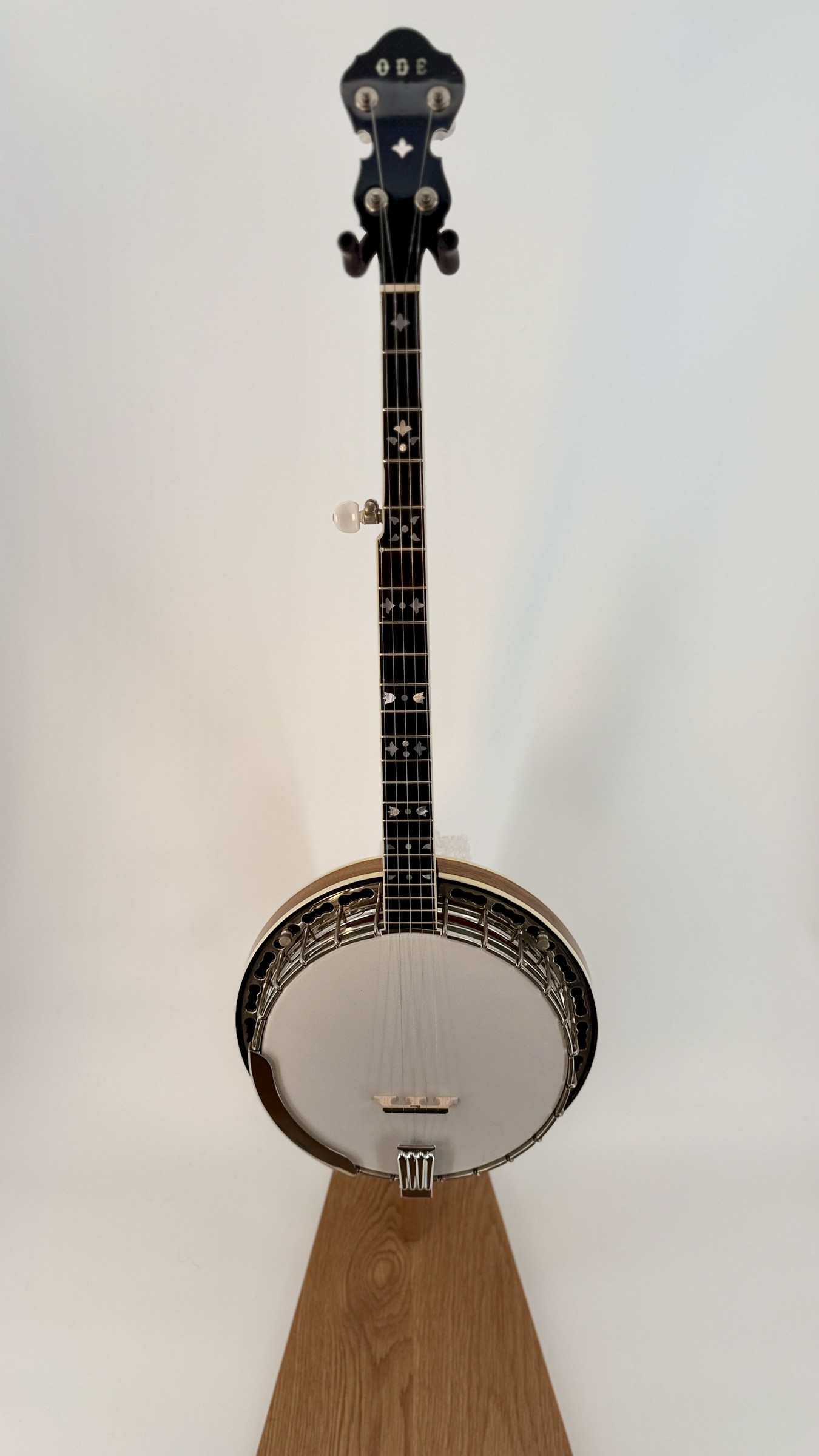


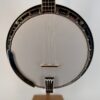
1980 ODE 6505 Style C Walnut Five-String Banjo

$1,749.99
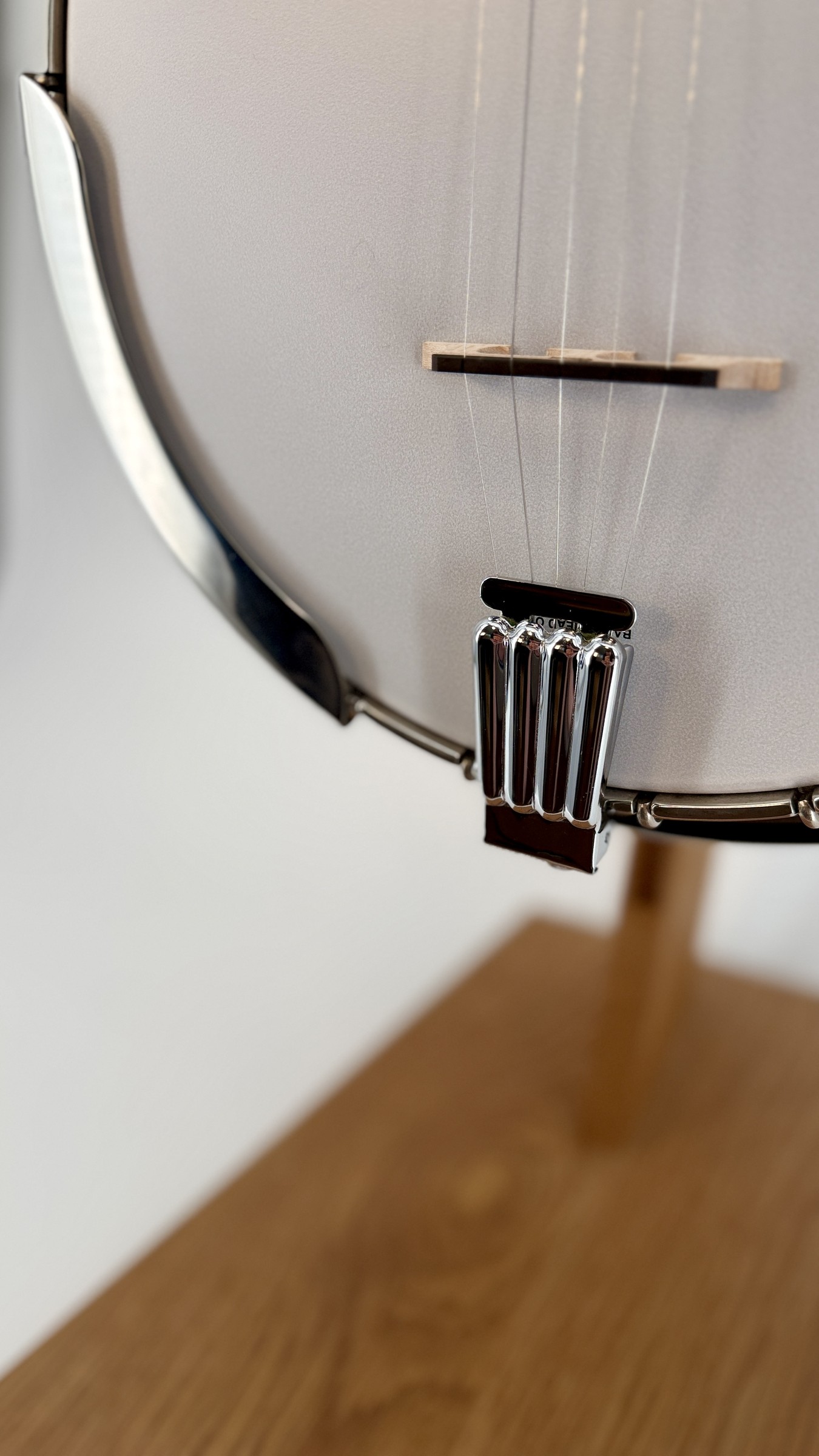
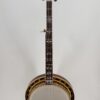
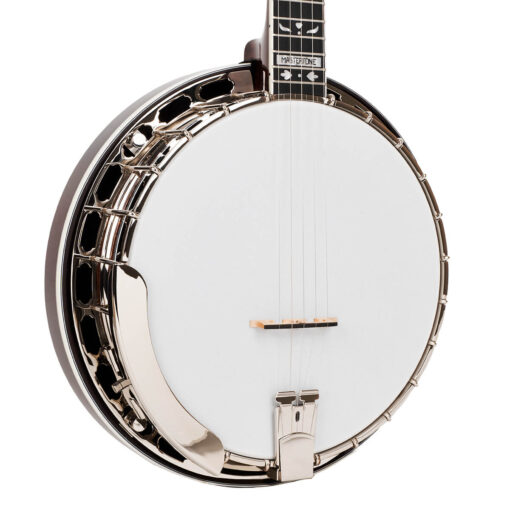
A 1980 ODE 6505 Style C, serial 3-80-30, a walnut five-string resonator banjo built in Booneville, Arkansas in the final year of ODE production. It has a professionally repaired neck crack near the heel and a non-original clamshell tailpiece, and it comes in its original Gretsch case.
In stock
At a Glance
- Handedness
- Right-Handed
- Style
- Resonator Banjo
- Strings
- 5
- Pickup
- No
- Made In
- USA
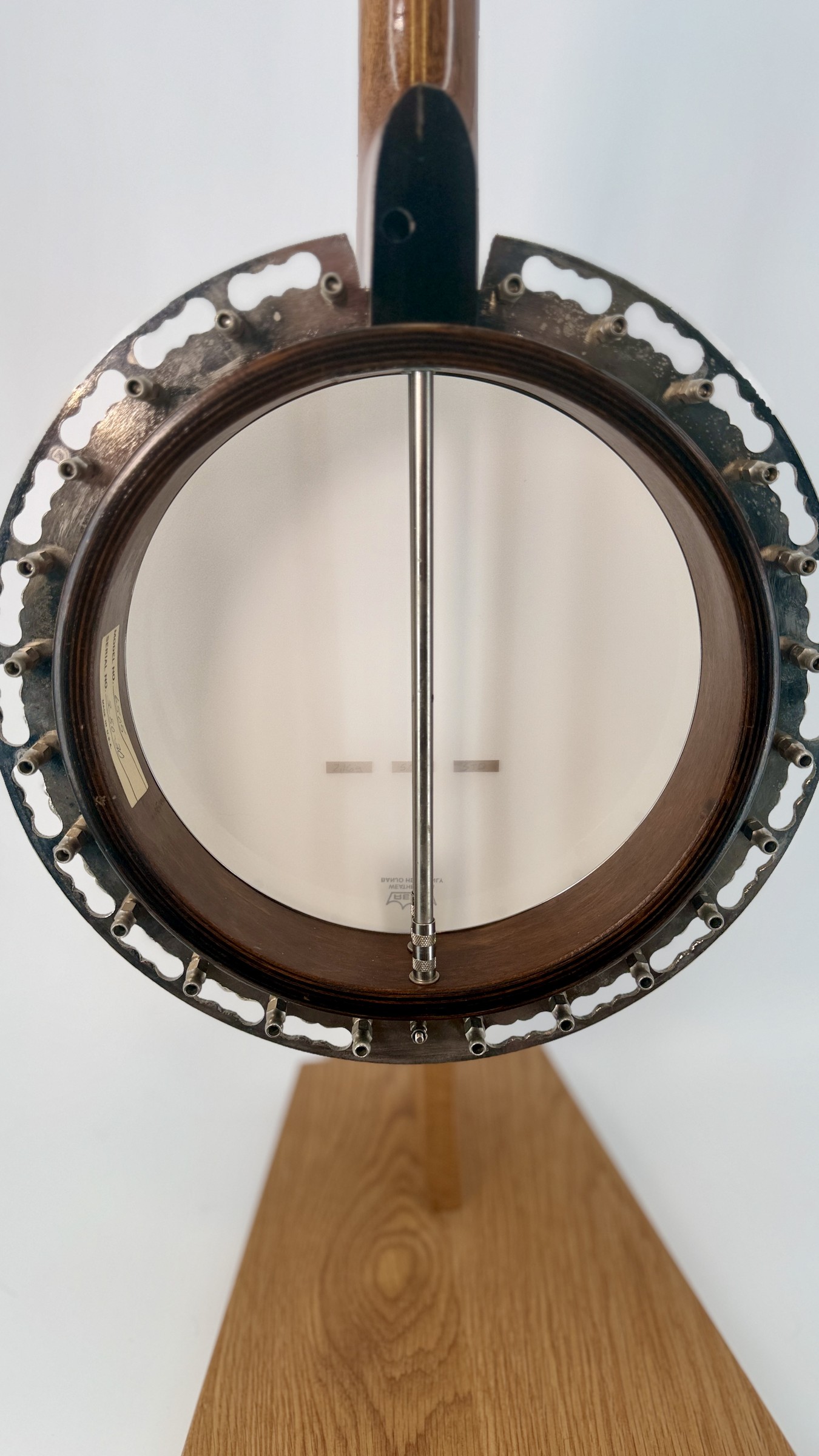
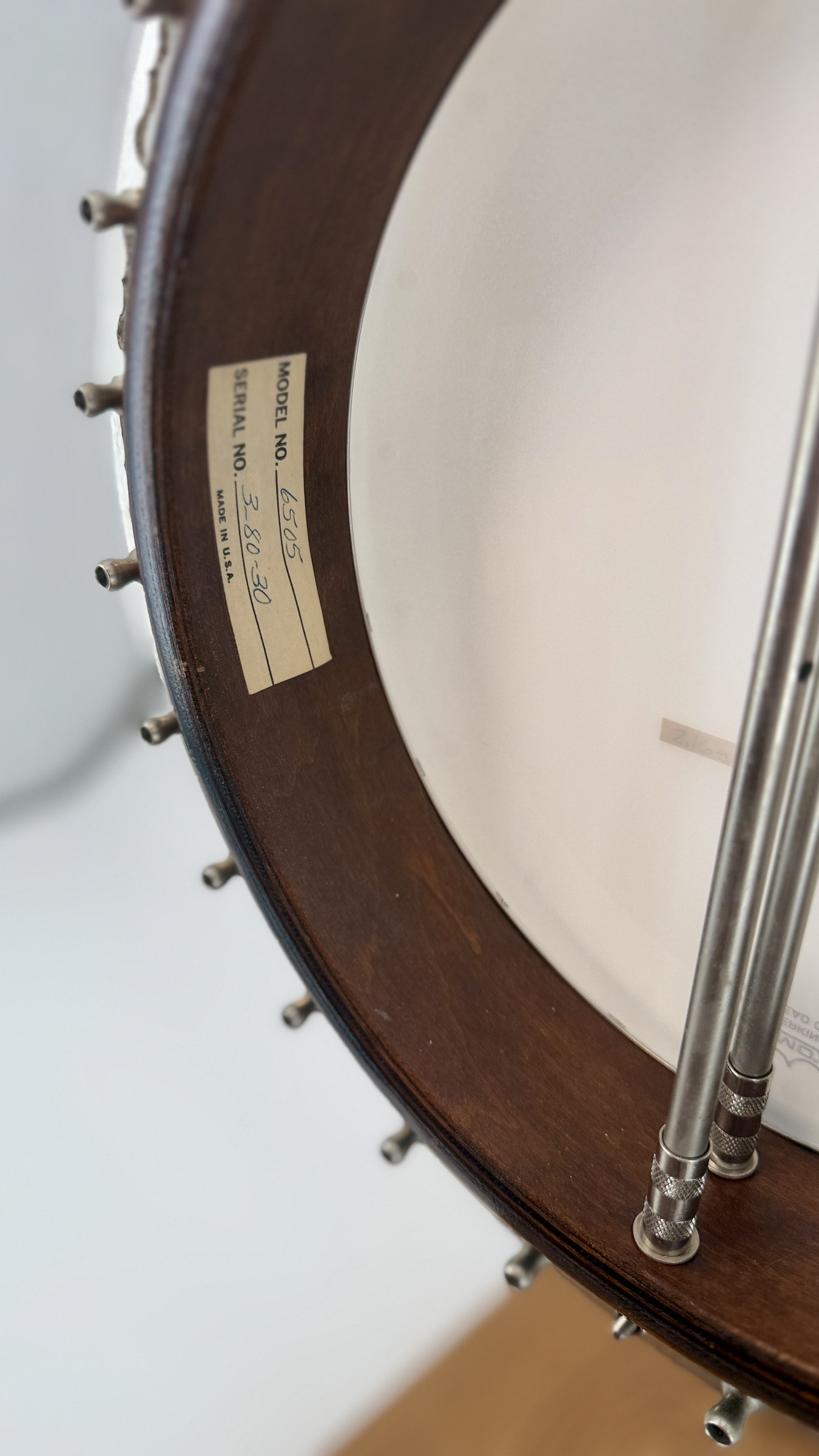
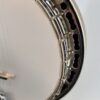
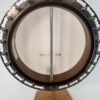
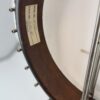
This is a 1980 ODE 6505 Style C, a walnut five-string resonator banjo built in Booneville, Arkansas in the final year of ODE production. The rim label reads MODEL NO. 6505, SERIAL NO. 3-80-30, MADE IN U.S.A., which dates it to March 1980. It has a professionally done neck repair near the heel and a non-original clamshell tailpiece, and it comes in its original Gretsch case. That case is not a mismatch. It is a direct artifact of who owned ODE at the time.
It has been played, and it sounds like it. The tone has the depth that a walnut pot develops over forty-five years of use. Geoff’s verdict in the demo: “It’s just an extraordinary banjo.”
What is an ODE Style C?
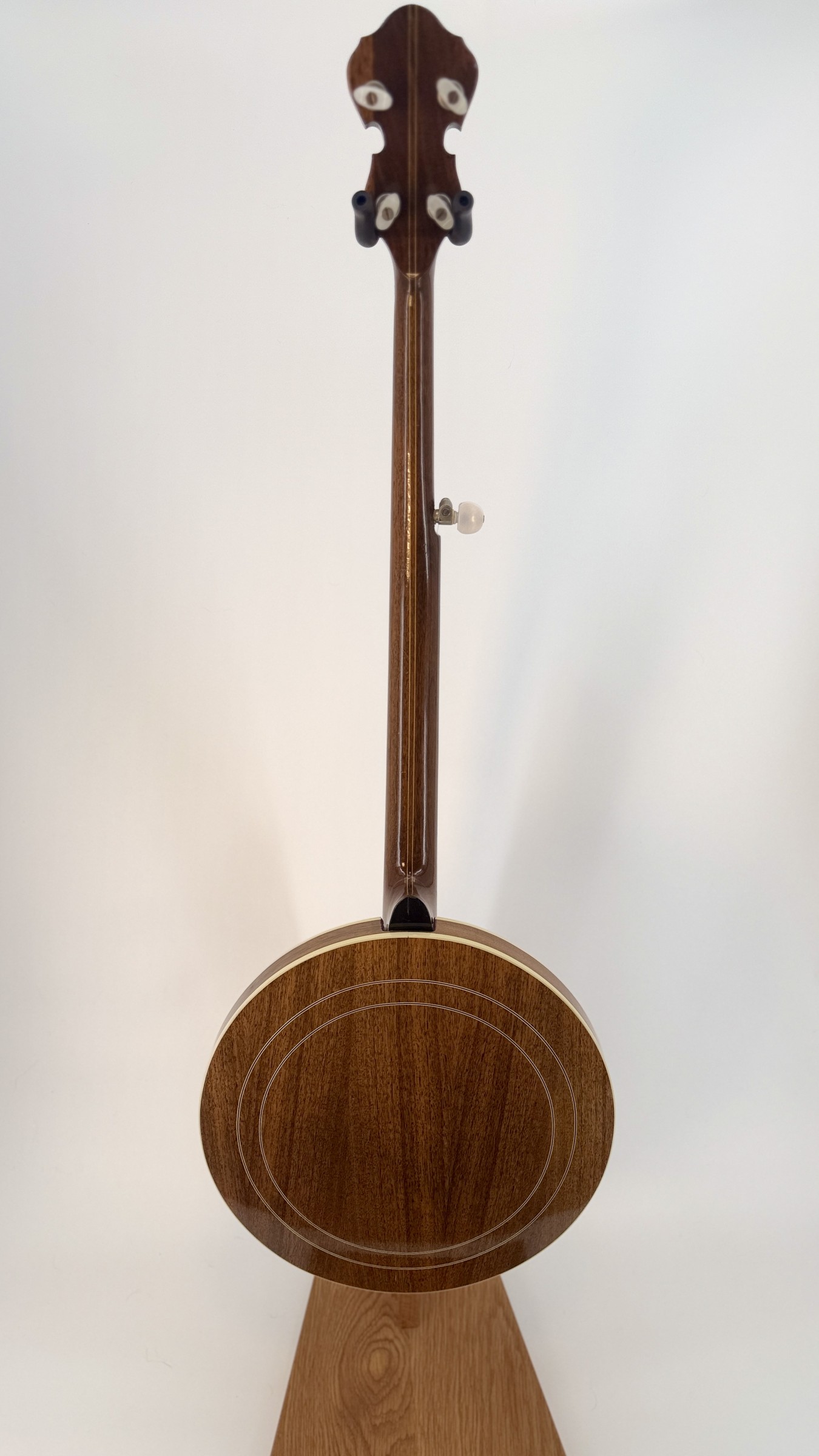
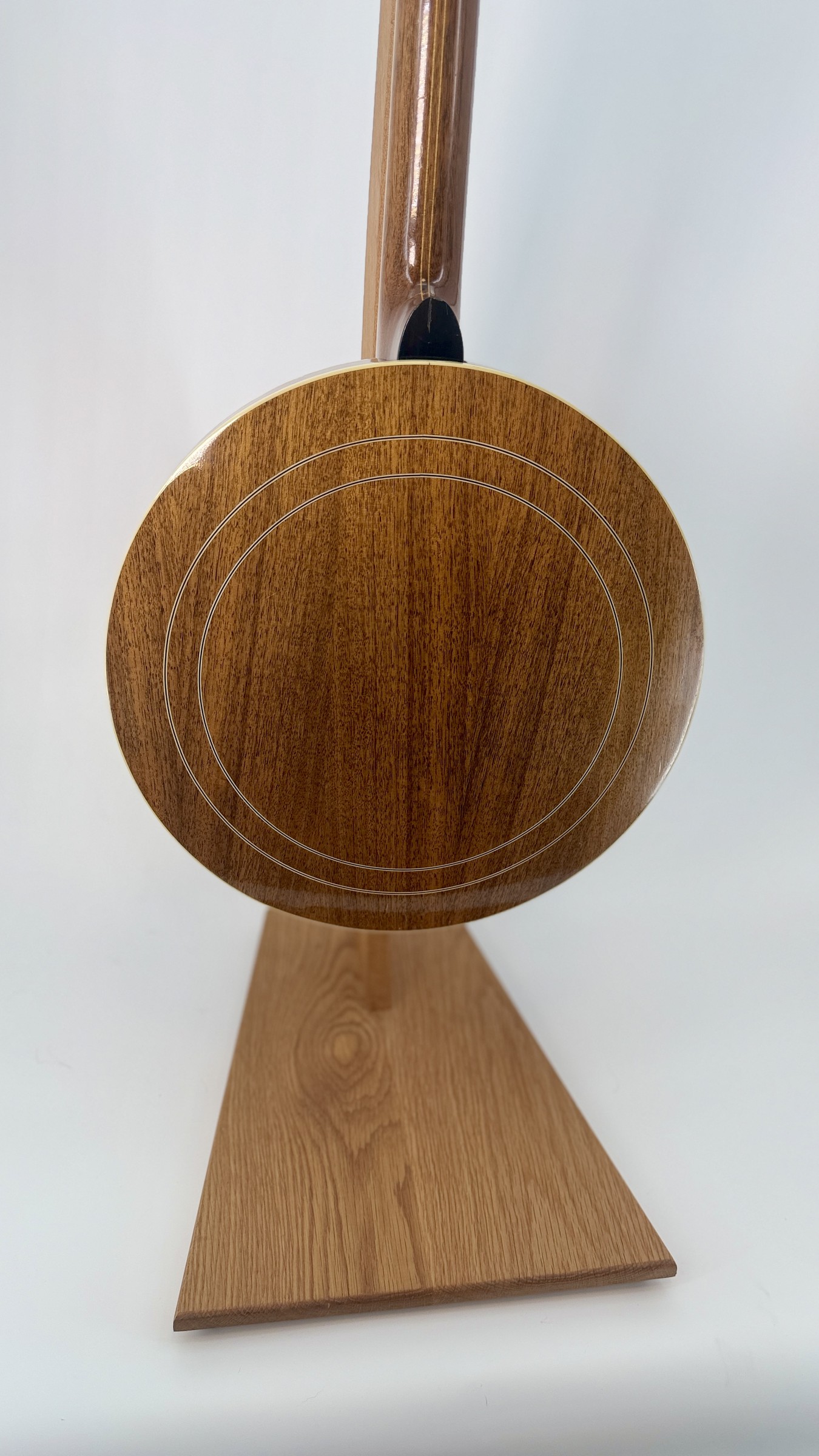
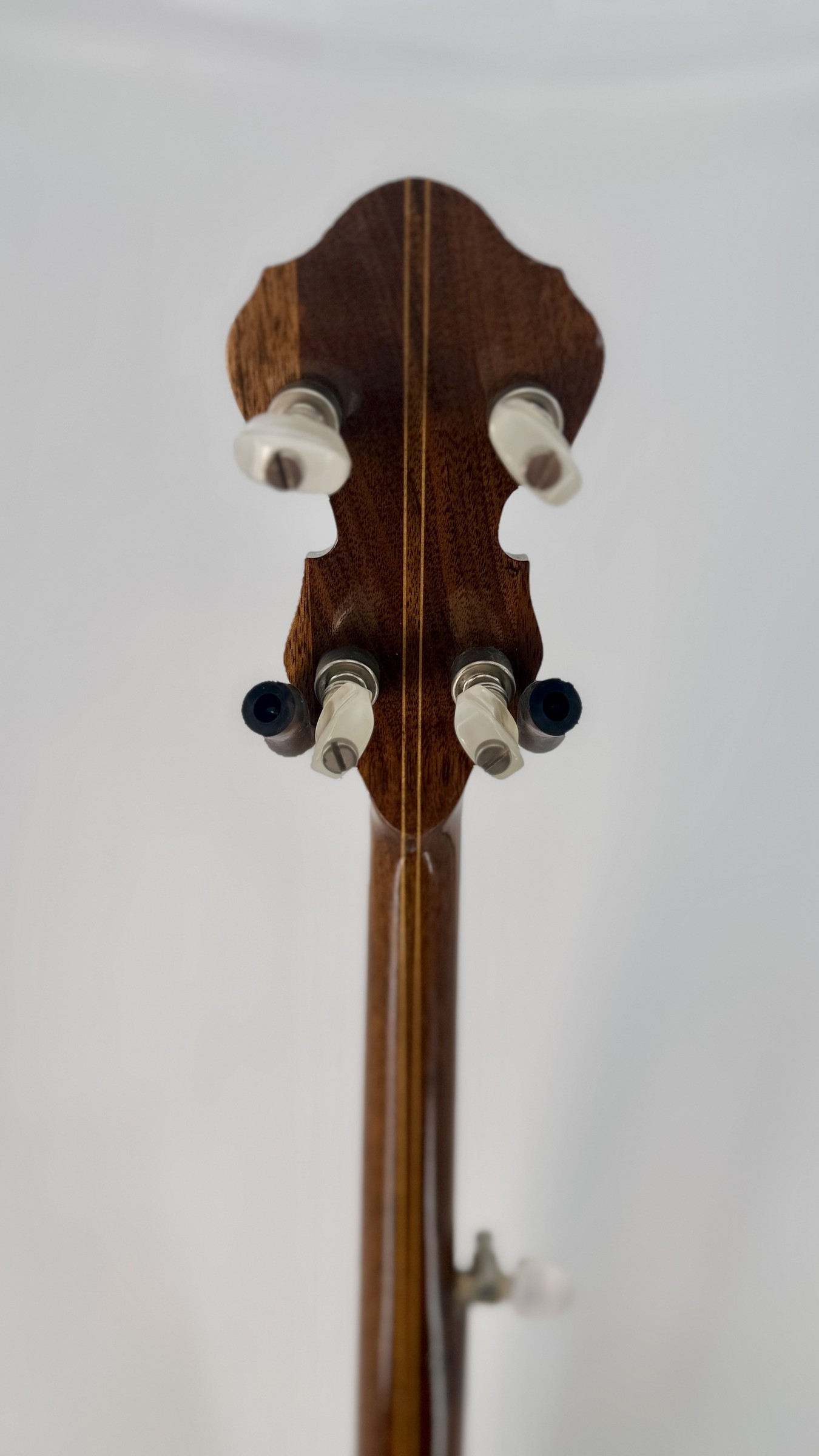
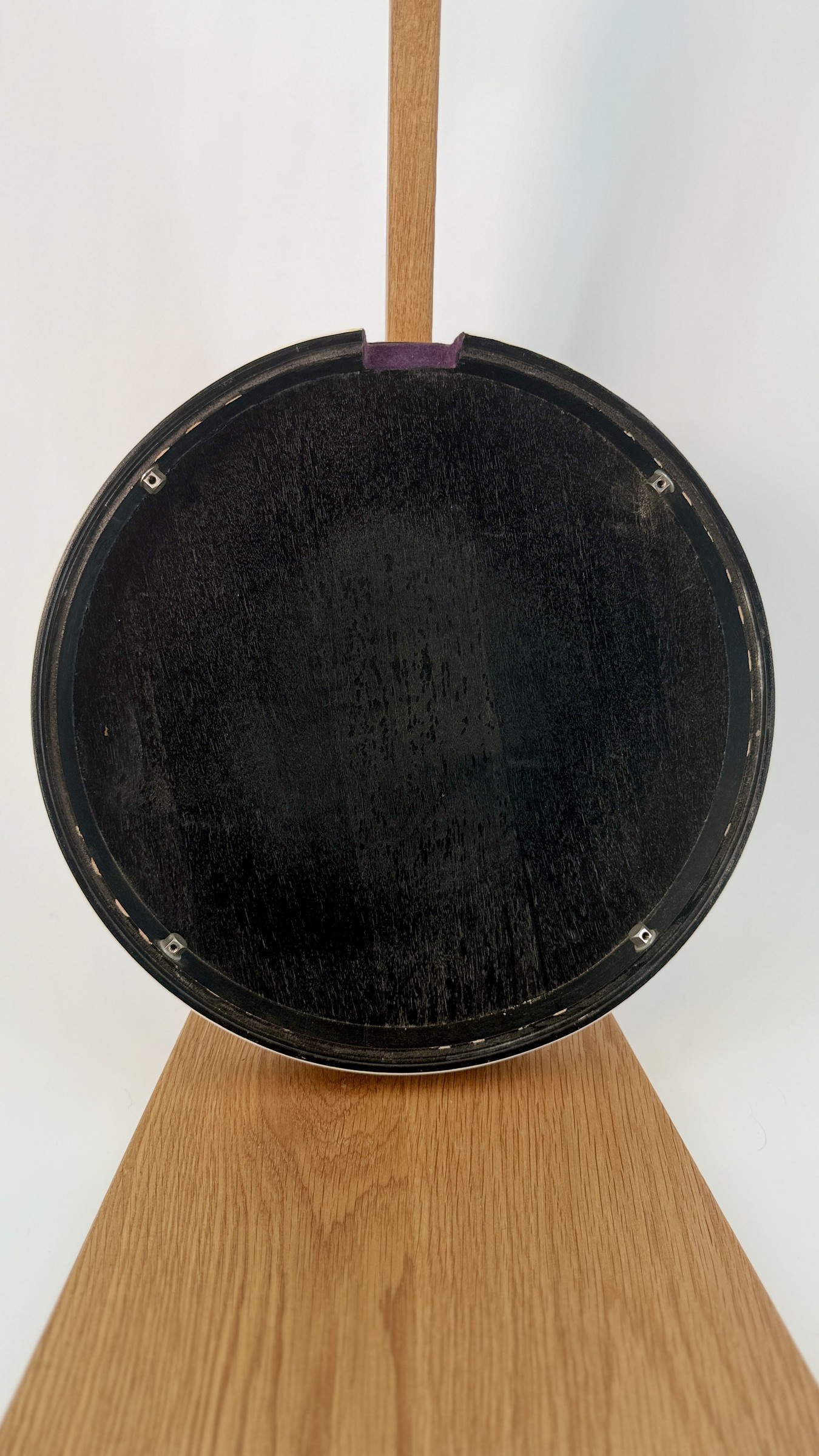
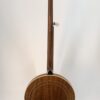
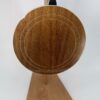
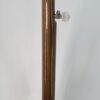
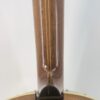
Style C is the walnut trim level, and this instrument matches that spec throughout. The neck and resonator are walnut, with a laminated center stripe visible down the back of the neck and two concentric purfling rings inlaid into the back of the resonator. Binding is cream.
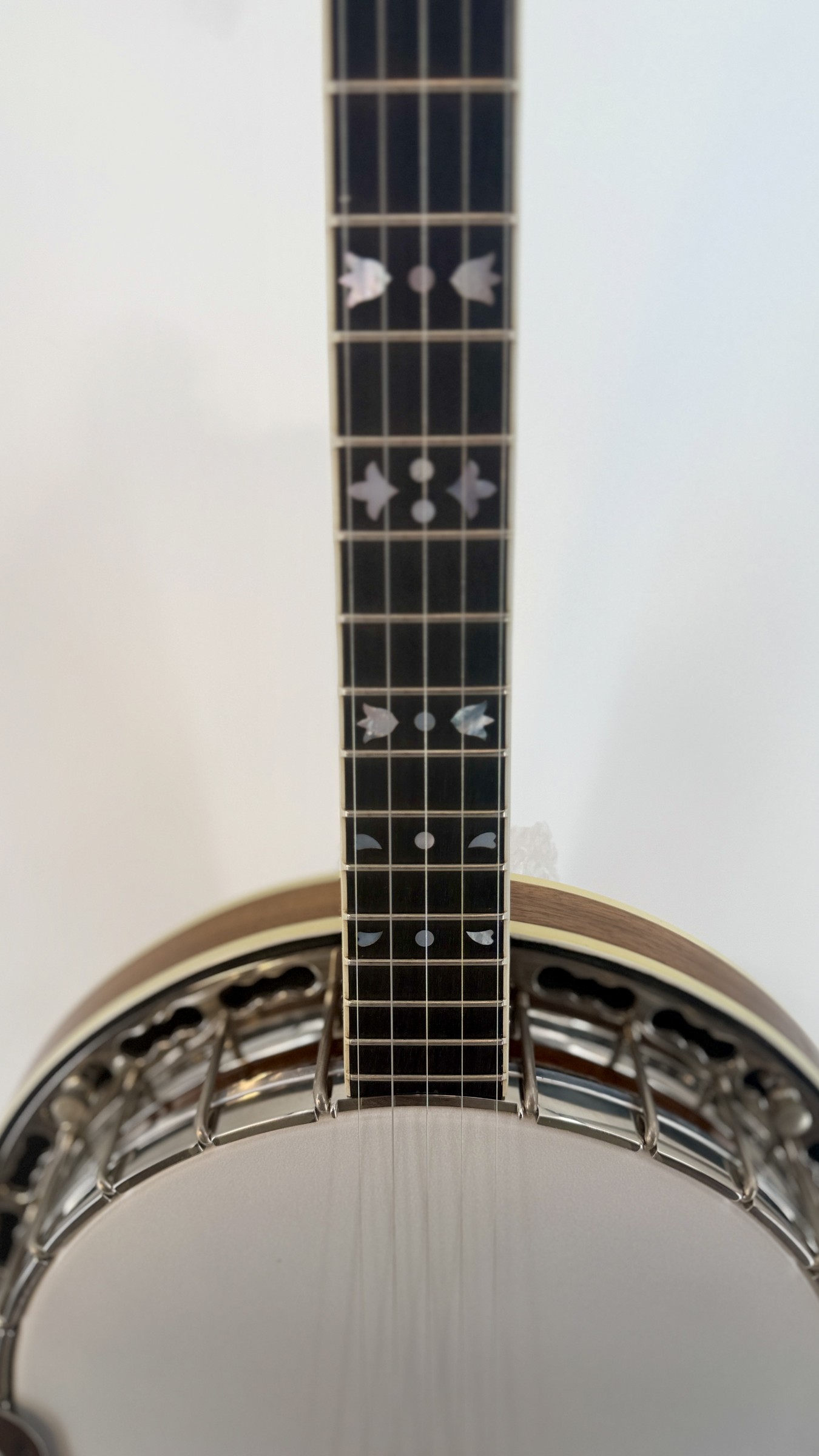
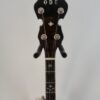
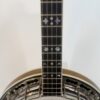
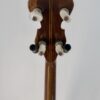
The fingerboard is ebony with pearl fleur-de-lis and half-moon inlays, and the peghead carries the block-letter ODE logo with a fleur-de-lis beneath it. Note that the peghead says ODE rather than Baldwin. Both brandings exist on Baldwin-era instruments, and the presence or absence of the Baldwin name is not by itself a reliable way to date one.
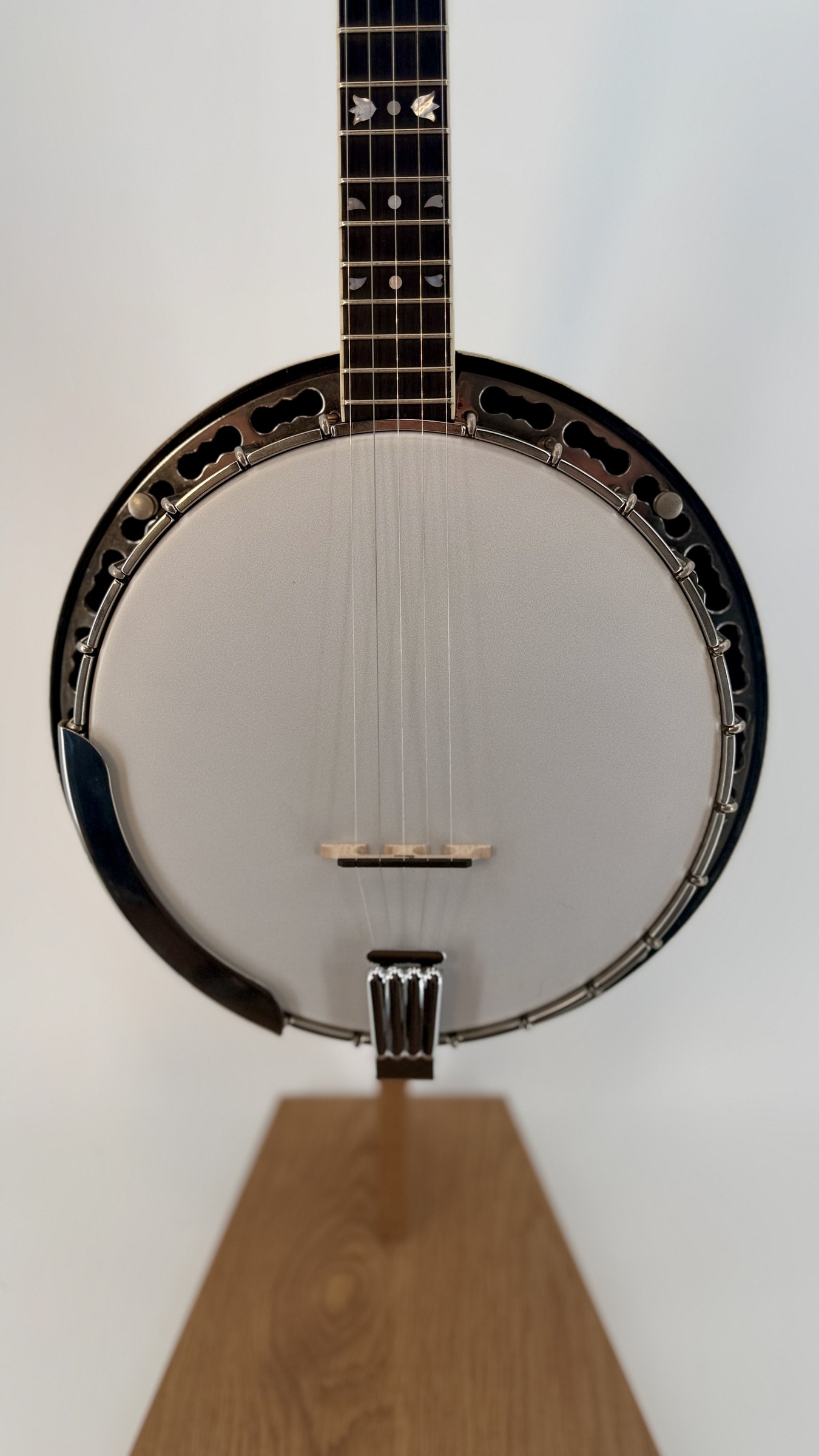
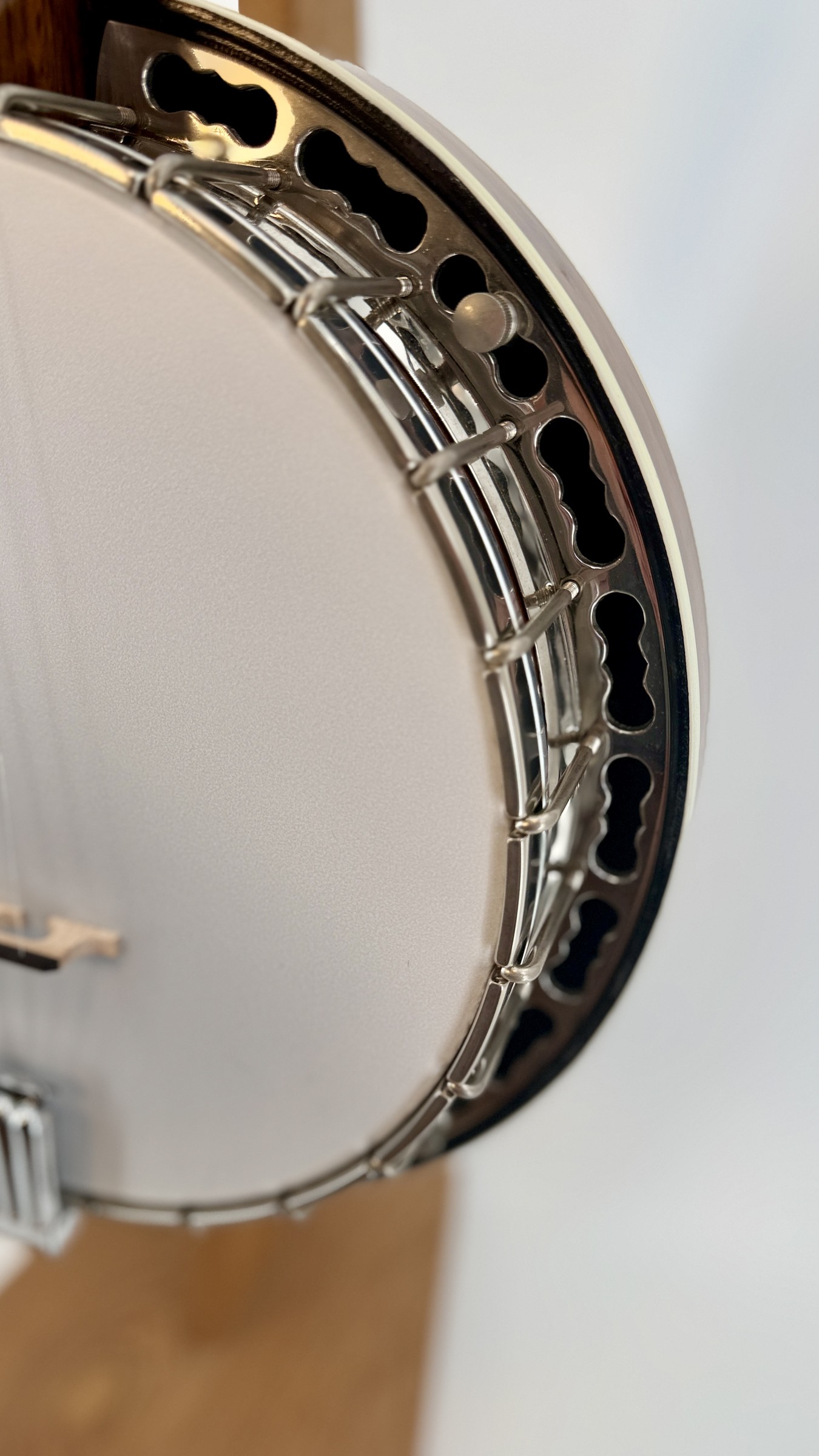
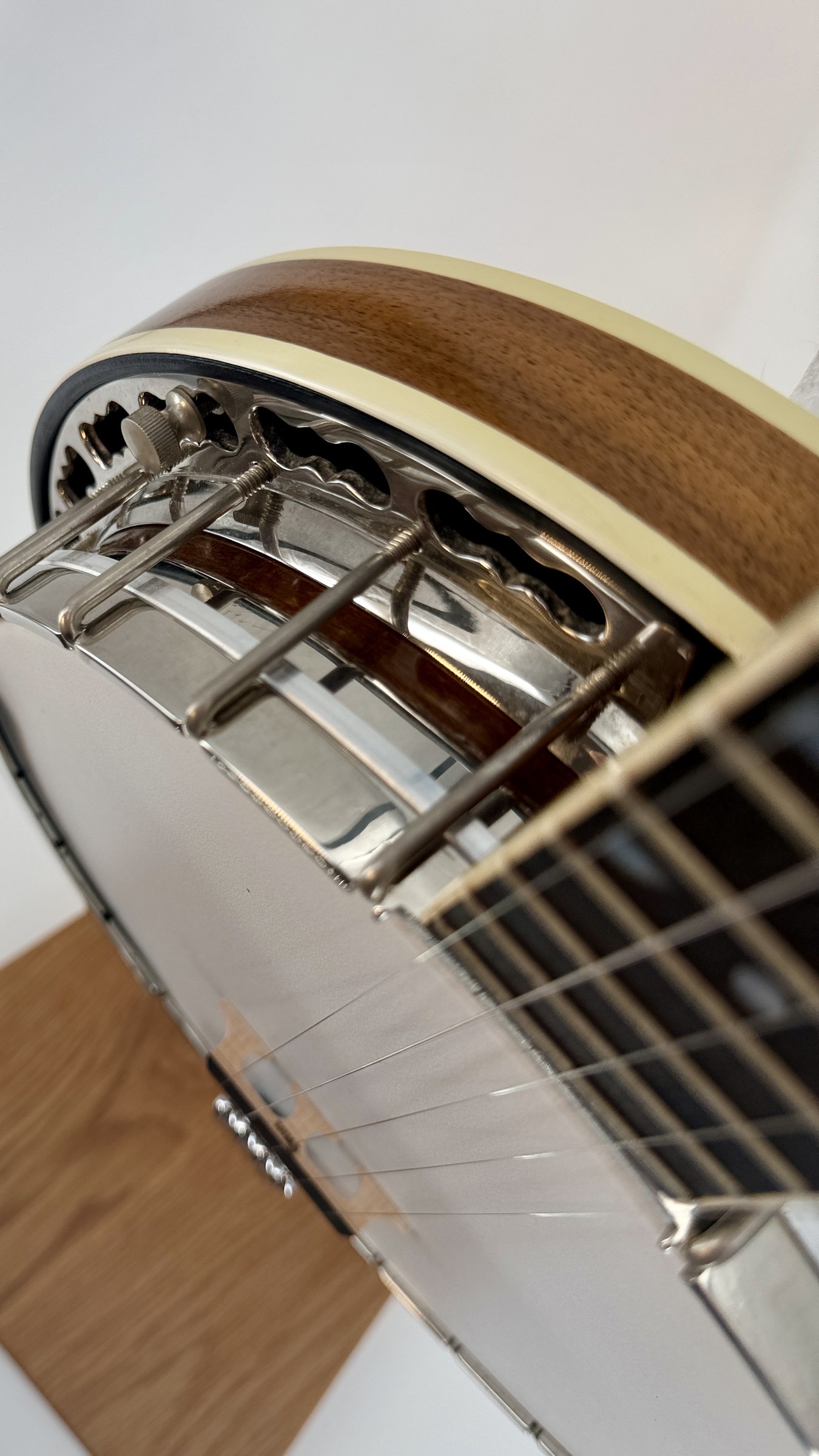
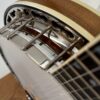
Hardware is nickel, with a one-piece flange, a geared fifth string tuner with a pearloid button, pearloid buttons on the four main tuners, and an armrest.
Condition
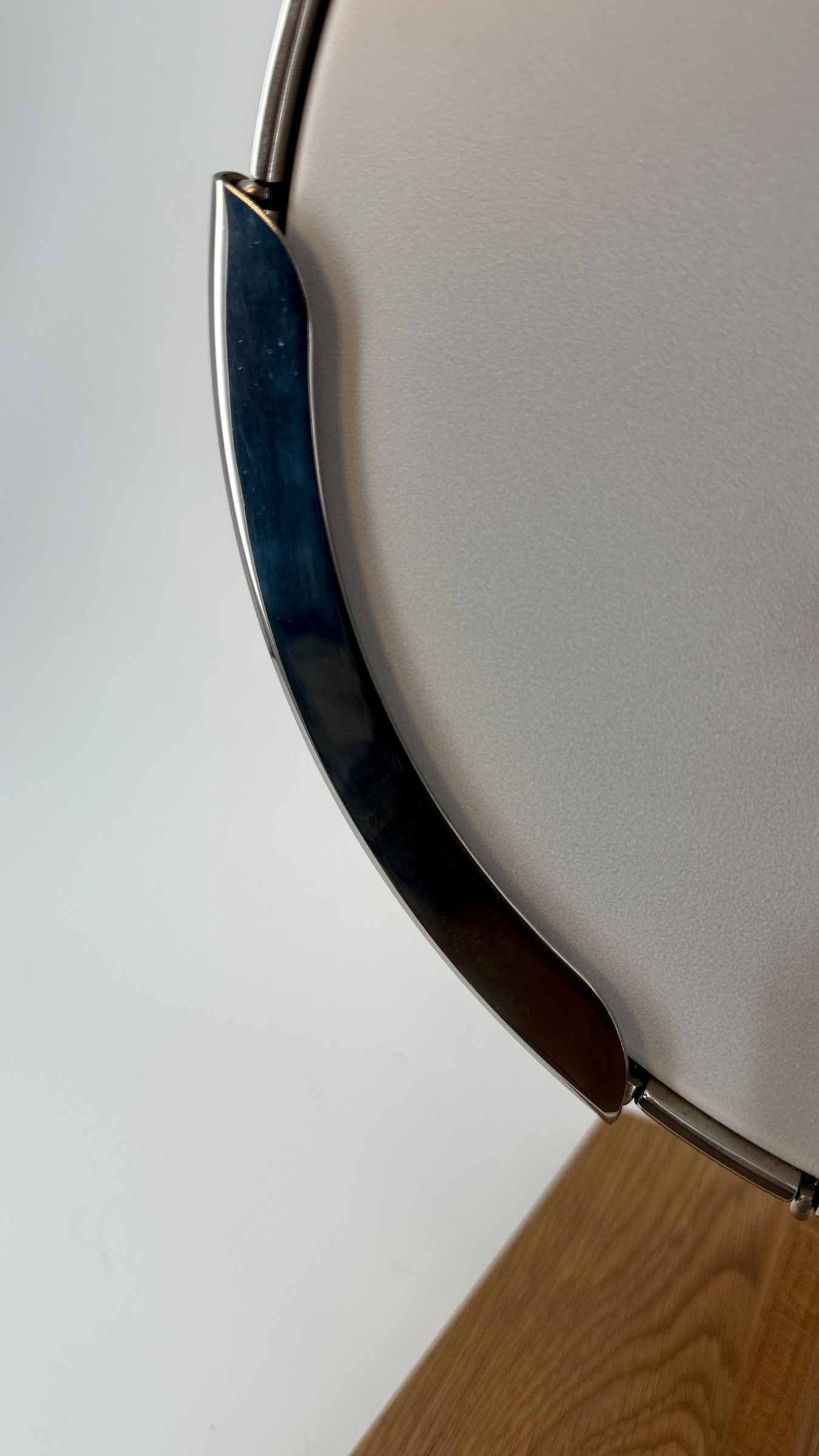
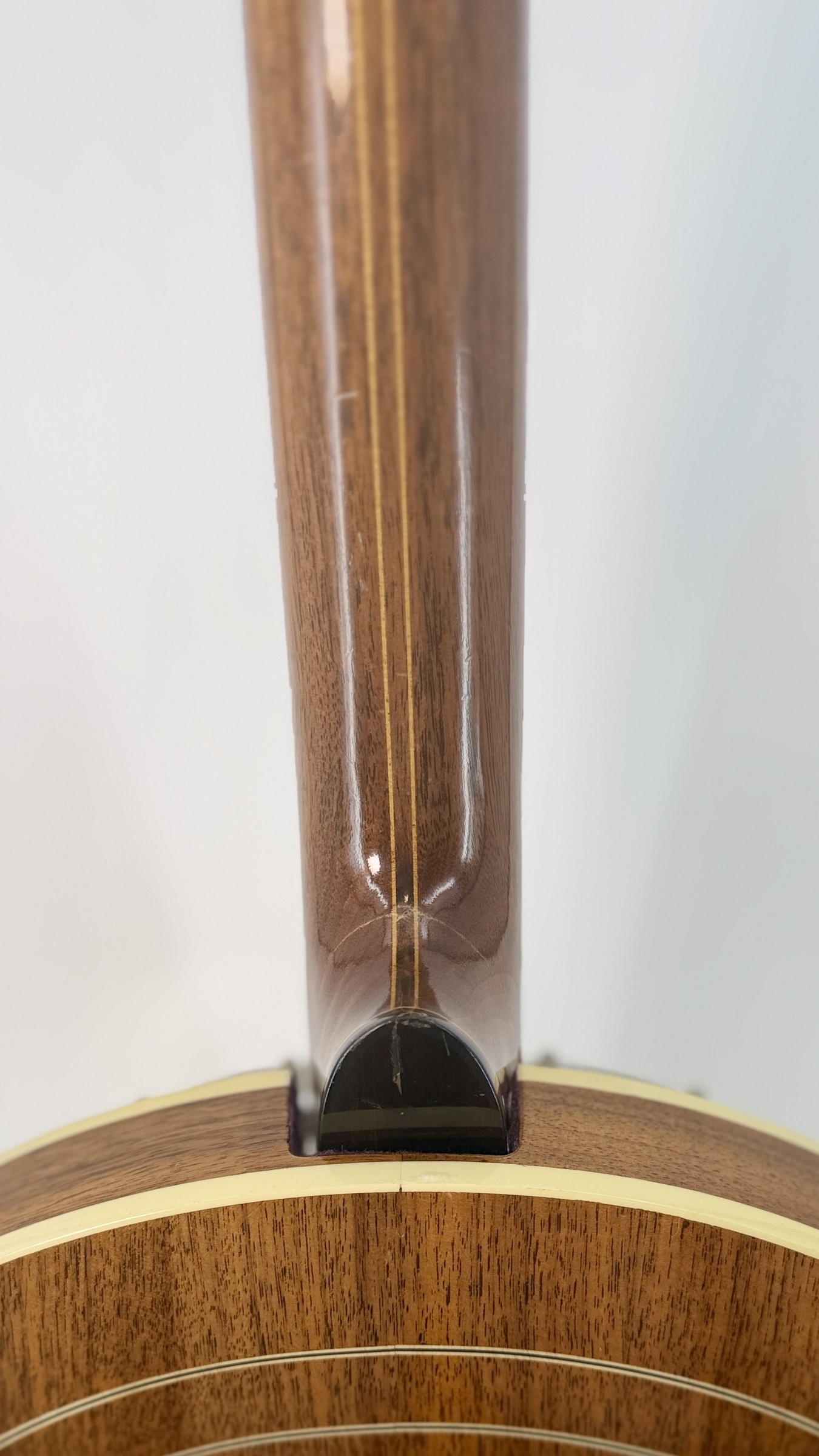
Geoff’s first words in the demo are about how it looks: “There’s no scratches and nothing, the frets look brand new.” The photographs bear that out. The finish is glossy, with light wear: a few small marks on the back of the neck and on the heel cap. The metal has been shined.
Years ago the neck cracked near the heel, and it has been professionally repaired. The repair is visible in the photographs, and we have not tried to hide it or photograph around it. In Geoff’s words, it “doesn’t affect the structure, the strength, the playability of the banjo,” and it is the reason he priced this one about $500 lower.
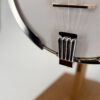
The clamshell tailpiece is not original to the instrument. Geoff thinks it looks really good, and says some players like its sound better, because the original ODE tailpiece sticks out quite a bit. Everything else you see is as it came to us.
What comes with it
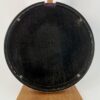
- Original Gretsch hard case
- Original rim label, intact and legible
Specifications
| Brand | ODE |
| Model | 6505 Style C |
| Year | 1980 (March, from the serial number) |
| Serial number | 3-80-30, on the rim label |
| Built in | Booneville, Arkansas, USA |
| Neck | Walnut, laminated center stripe |
| Fingerboard | Ebony, pearl fleur-de-lis and half-moon inlays |
| Peghead | Block-letter ODE logo with fleur-de-lis inlay |
| Resonator | Walnut, two concentric purfling rings, cream binding |
| Hardware | Nickel, one-piece flange, armrest |
| Tailpiece | Clamshell (not original) |
| Tuners | Geared fifth string tuner with pearloid button; pearloid buttons on the four main tuners |
| Condition | Light finish wear; professionally repaired neck crack near the heel |
| Case | Original Gretsch hard case |
| Strings | 5 |
| Handedness | Right-handed |
Setup and shipping
Banjos we ship from our shop are set up by our banjo tech Tara. This one travels in its original Gretsch hard case.
Financing is available. We offer PayPal Pay in 4 on all website orders and Afterpay on instruments under $4,000, with interest-free installment options.
Questions about this banjo, or want to talk with Geoff before you decide? Call or text us at (404) 218-8580. Banjo Warehouse has been selling fine banjos since 1980, the same year this one was built, now based in Yellow Springs, Ohio, and Geoff is happy to spend the time.
Want to know when new banjos arrive?
Join the Banjo Warehouse email list for new arrival notifications, sale alerts, and free weekly banjo lessons from Geoff Hohwald.
What year is this ODE and how do we know?
March 1980, from the serial number itself.
Late ODE serial numbers use a month-year-sequence format rather than a running count. Read 3-80-30 as the third month of 1980, unit 30. That is a different system from the earlier ODE numbers, which is why so many ODE banjos get dated wrong online. There are three serial formats across the life of the company:
- Plain numeric, low numbers. The Ogsbury years and the first Baldwin year in Boulder, Colorado.
- Numeric in the 2000s and up with a letter suffix, such as 2984-CSR, where the letters encode style and configuration. The Arkansas years.
- Month-year-sequence, such as the 3-80-30 on this instrument. The later Booneville years.
If you are trying to date an ODE and the number has two dashes in it, you are almost certainly looking at a date and not a production count.
Why does a 1980 ODE come in a Gretsch case?
Because in 1980 ODE and Gretsch were the same company.
Chuck Ogsbury founded ODE in Boulder, Colorado in 1960 and sold it to the Baldwin Piano Company in January 1966. Baldwin bought Gretsch the following year, on July 31, 1967, and in 1970 moved Gretsch production from Brooklyn to its facilities in Booneville, Arkansas. ODE production moved to Arkansas under the same ownership.
So by 1980 a banjo wearing the ODE name and a case wearing the Gretsch name were coming out of the same corporate operation in the same Arkansas town. The case is correct to the instrument in a way that is easy to mistake for a later substitution. Worth knowing if you ever sell it.
What happened to ODE after this?
ODE production wound down in 1980, which makes this one of the last of them.
The story kept going elsewhere. Ogsbury had already started over in 1970 with OME, which he ran in Colorado for the next fifty years and sold to the Gold Tone Music Group in 2023. He builds STARR banjos today, and his son Zen builds ODE banjos in the original Gold Hill shop. A 1980 Booneville ODE sits right at the end of one line and well inside the life of the other.
What is the difference between an ODE and an OME banjo?
They are two different companies founded by the same man, ten years apart, and the near-identical names cause constant confusion in listings and appraisals.
ODE ran from 1960 under Ogsbury in Boulder, then under Baldwin in Boulder, DeQueen, Arkansas, and Booneville, Arkansas, until 1980. OME started in 1970 in Colorado and is still building today in Florida. No ODE model name appears in the OME catalogs and no OME model name appears in the ODE catalogs, so if you can read the model name you can tell the two apart immediately. The peghead logo is the other giveaway.
Be the first to review “1980 ODE 6505 Style C Walnut Five-String Banjo”
You must be logged in to post a review.
Related products
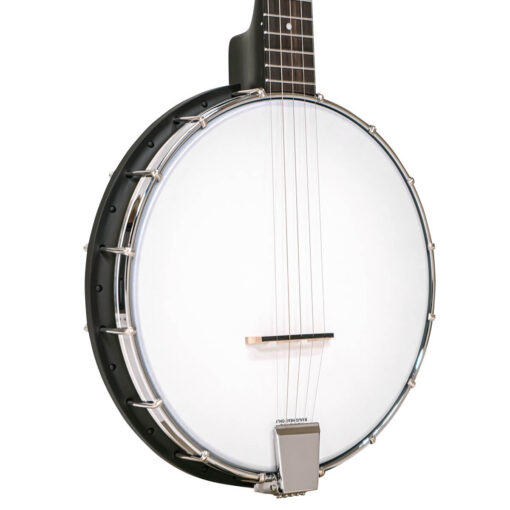
The Gold Tone AC-1 is an award-winning beginner banjo that weighs under four pounds, thanks to its composite rim and slim, playable neck. Named “Best in Show / MUST Stock” at the 2016 Summer NAMM Show in Nashville, it delivers real banjo tone in a durable, travel-friendly package. Openback, with a resonator available separately. Ships with a gig bag and a professional setup from the Gold Tone factory, plus free insured US shipping.
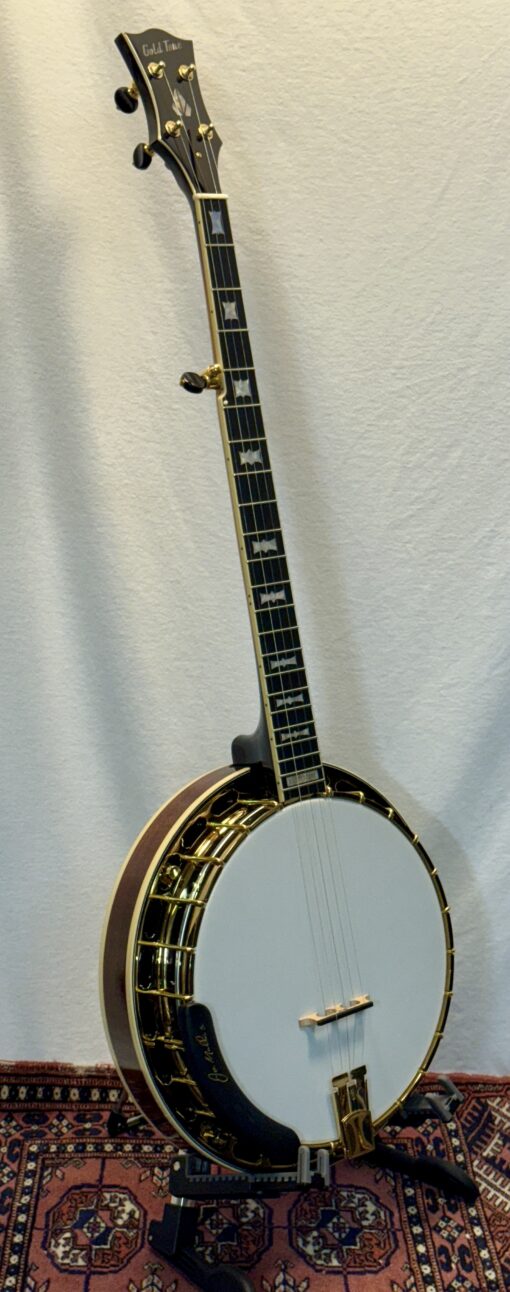
The Gold Tone OB-2 JM Joe Mullins Signature Banjo delivers authentic 1960s Mastertone bowtie tone with modern reliability. Featuring a rolled brass tone ring, mahogany resonator with golden sunburst finish, mahogany neck, and premium Gotoh tuners.
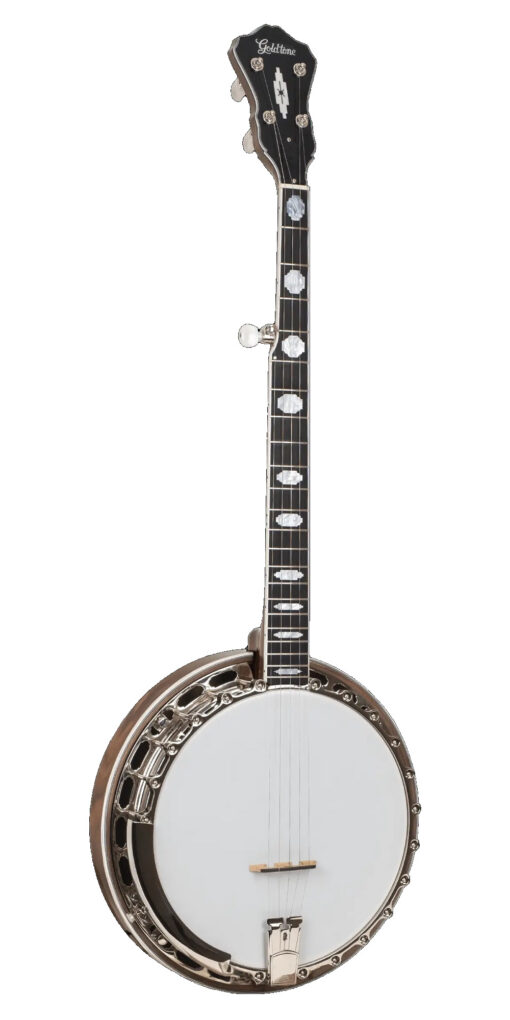
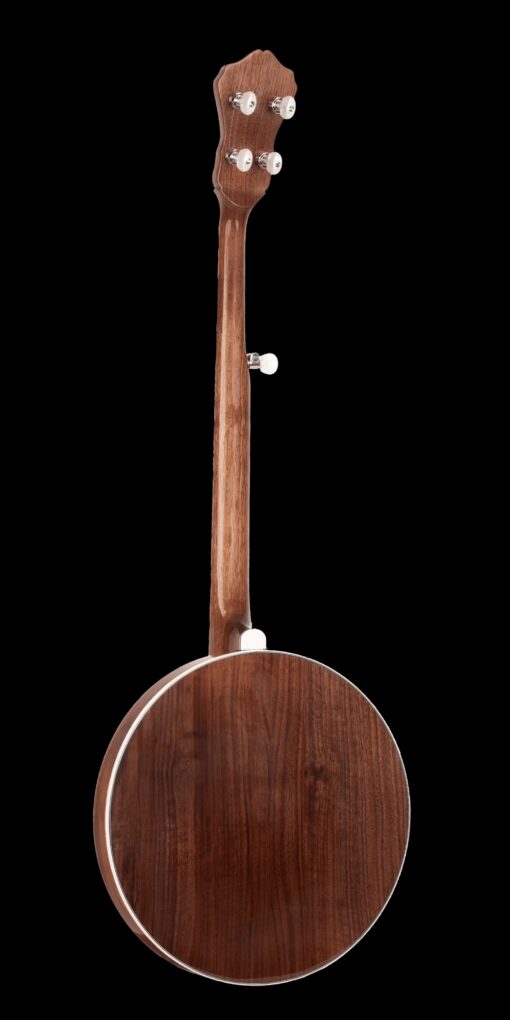
Greg Rich’s first Gold Tone design. Pre-war formula flathead tone ring, walnut construction, top tension rim, Prucha Presto tailpiece. Setup by our banjo tech Tara.
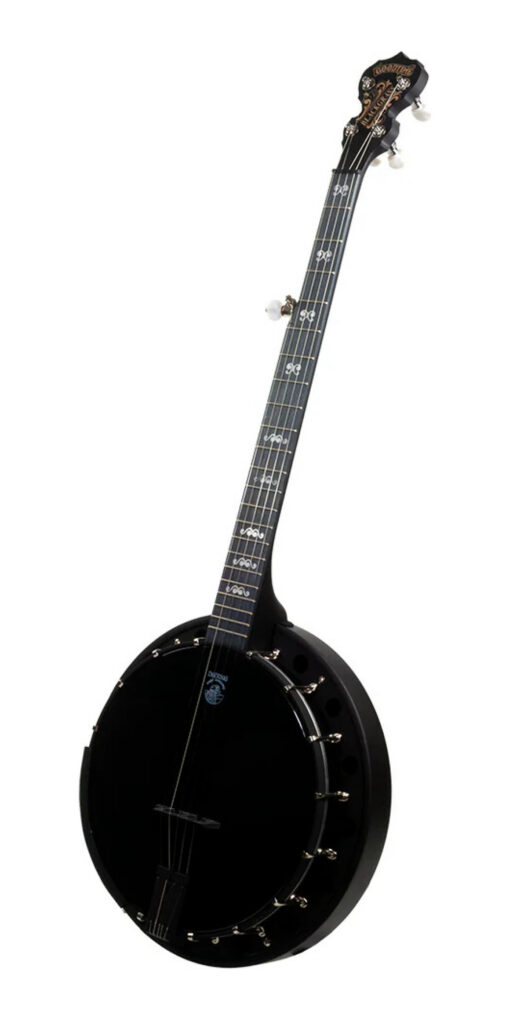
The Deering Goodtime Blackgrass is the darkest banjo in the Deering lineup. All-black matte finish, black head, matte black hardware. 3-ply violin grade maple rim with resonator. Midnight maple fingerboard with vintage artisan inlays. Planetary tuners, spikes at 7, 9, and 10. Handcrafted in Spring Valley, California. $1,389 with free shipping and professional setup by our banjo tech Tara. Made in the USA.
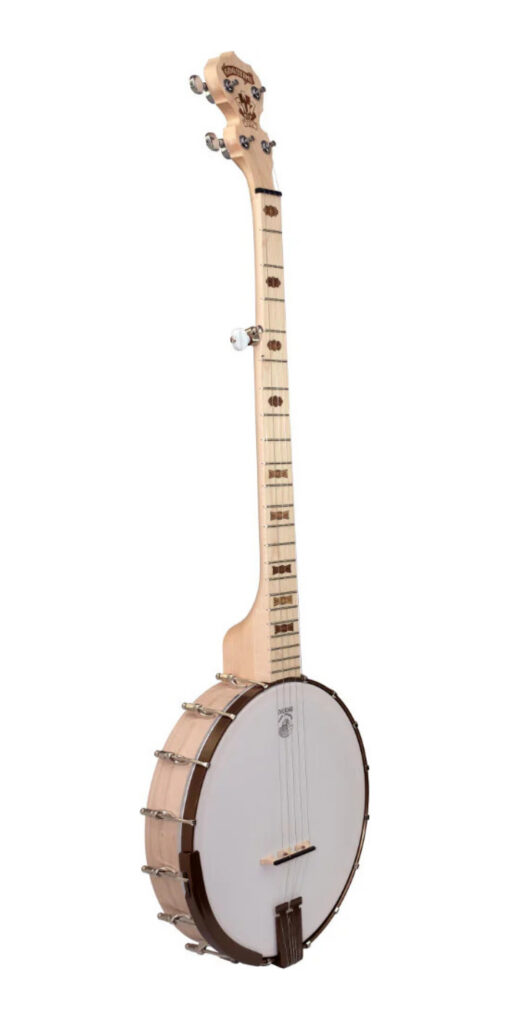
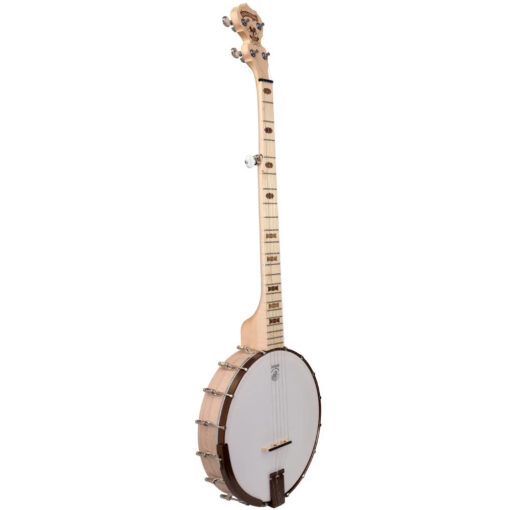
The most recommended banjo by banjo teachers. 3-ply violin grade maple rim, Art Deco hardwood inlays, only 4.5 lbs. Handcrafted in Spring Valley, California. $599 with free shipping and professional setup by our banjo tech Tara. Made in the USA. 7-day guarantee.
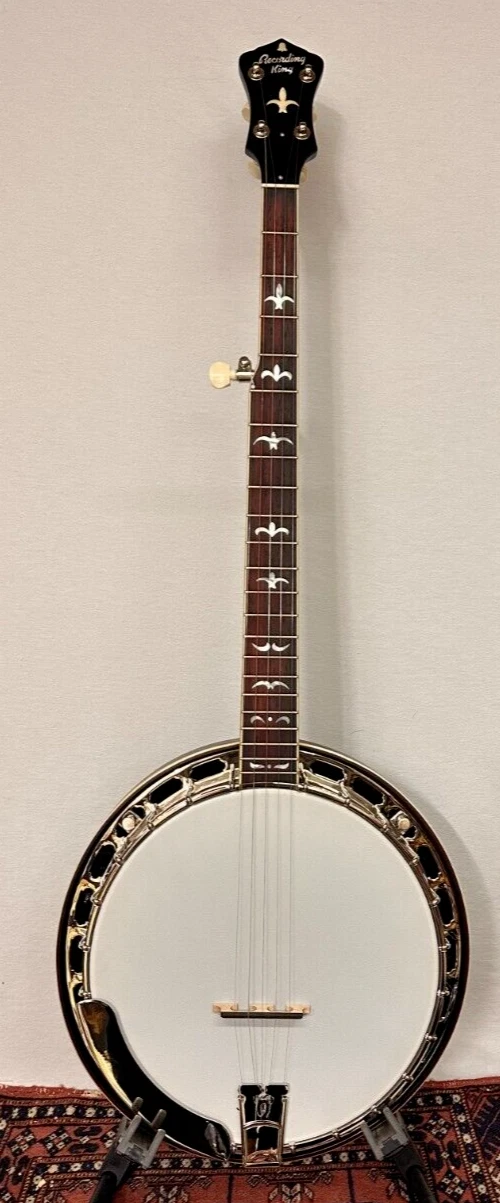
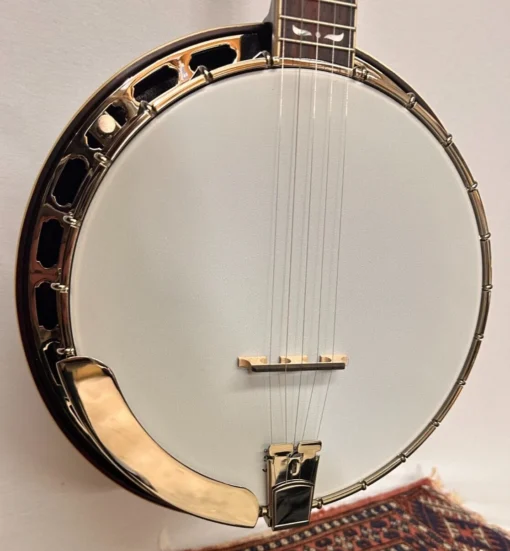
A Madison-series resonator banjo with the same 3-ply steam-bent maple rim as the best-selling RK-ELITE-75, plus a pre-war-style bell brass cast tone ring and one-piece flange.
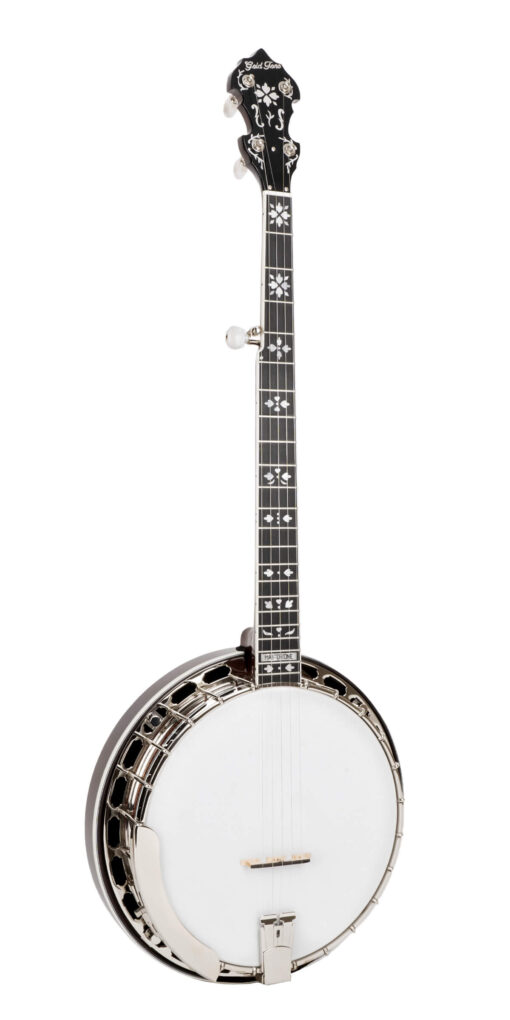
The double-cut headstock, combined with the Hearts-and-Flowers inlay pattern, says it all. The OB-Standard respects the GOAT Bluegrass banjoist, Earl Scruggs, who played this banjo style for many years.


Deering Golden Era 5-String Banjo — Prewar-Style Tone, Brand New, Pre-Order This is a pre-order. Deering has this banjo scheduled to ship to us in mid-November 2026. Ordering now reserves it. It comes to our shop in Yellow Springs, Ohio, where our banjo tech Tara sets it up before it ships to you. Factory dates [...]
Reviews
There are no reviews yet.