



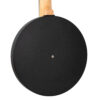
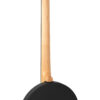
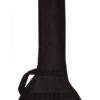
Gold Tone AC-6+ Acoustic Composite Banjitar with Pickup


Original price was: $699.99.$594.99Current price is: $594.99.
Order during the sale to lock in this price. It ships as soon as it arrives.
Part of our Gold Tone Black Friday sale, ends Mon 11/30. See all 259 instruments on sale →
On backorder from Gold Tone. Contact us for the current arrival estimate. Questions? Call or text us at 404-218-8580. Your payment is fully refundable at any time before your order ships, for any reason and with no restocking fee.
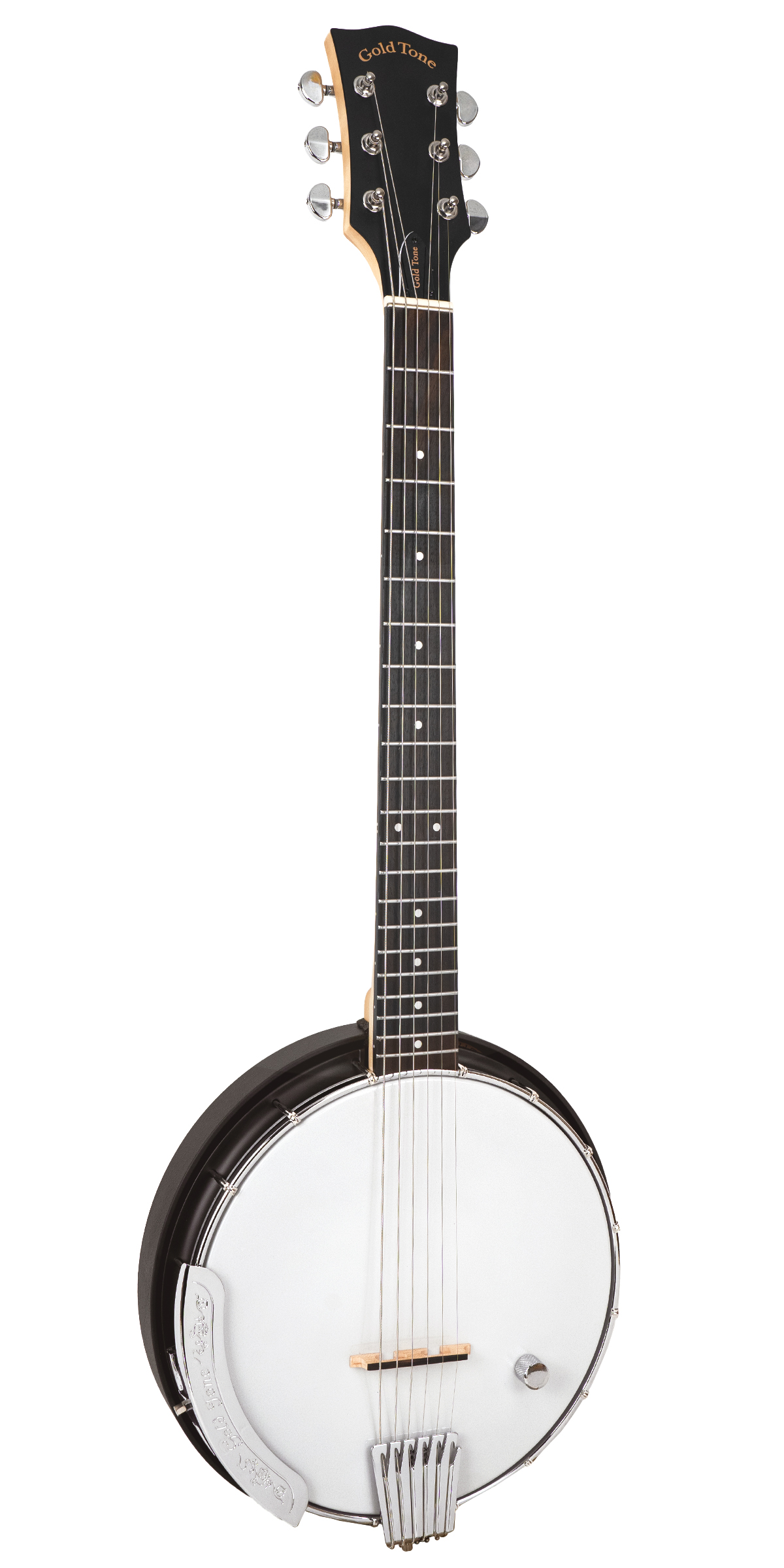
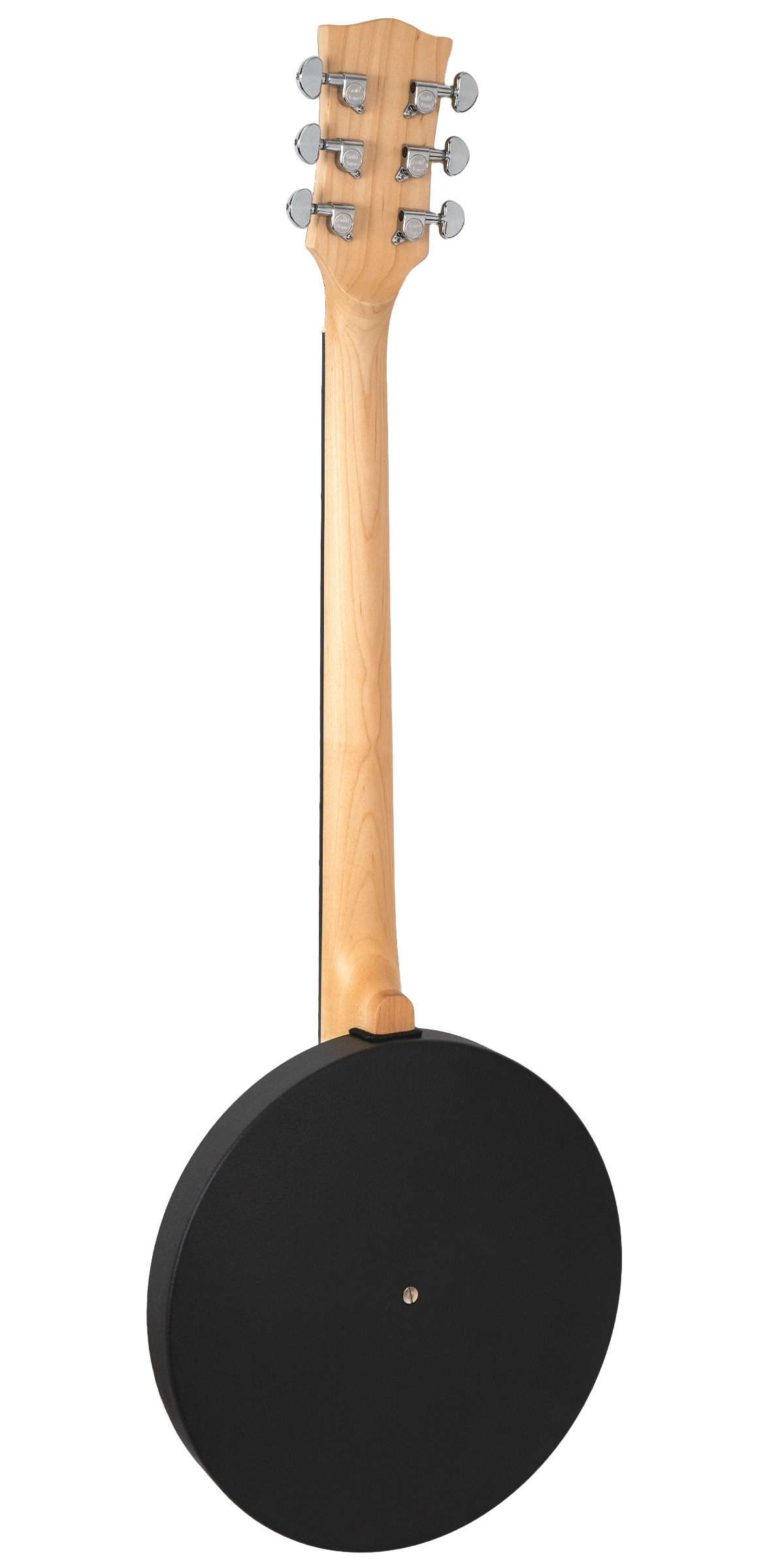
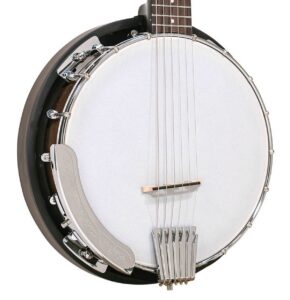
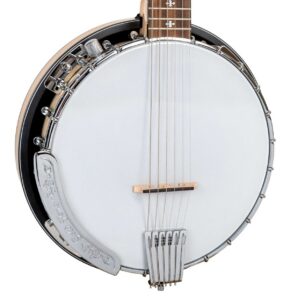
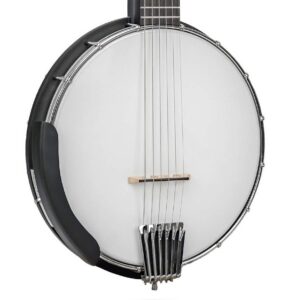
The Gold Tone AC-6+ is a full-scale six-string banjo in standard guitar tuning, finished in natural satin and sold with a padded gig bag.
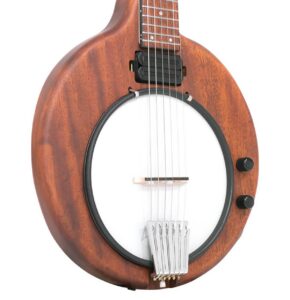
- SMP sliding magnetic pickup
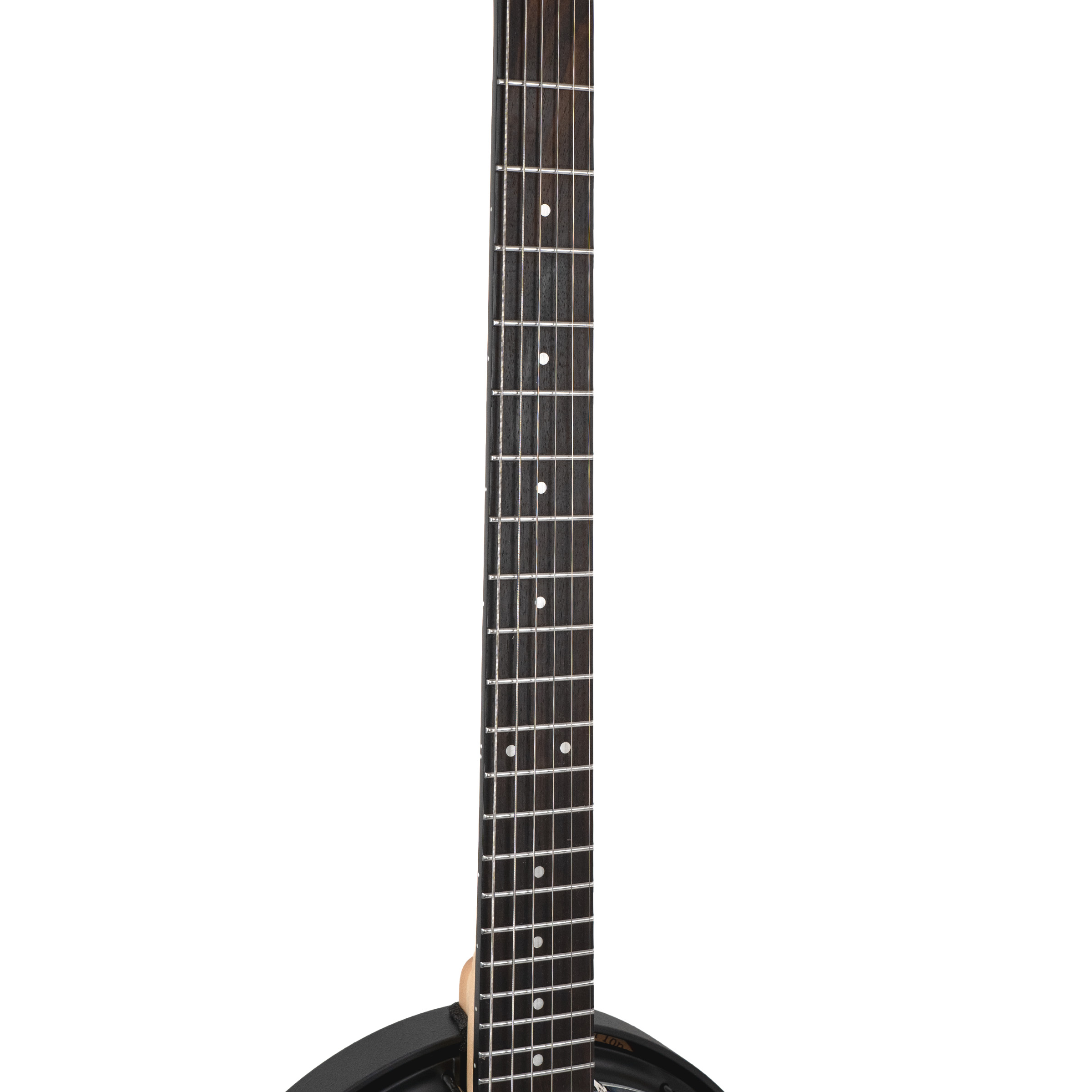
- Maple neck, radiused rosewood fingerboard
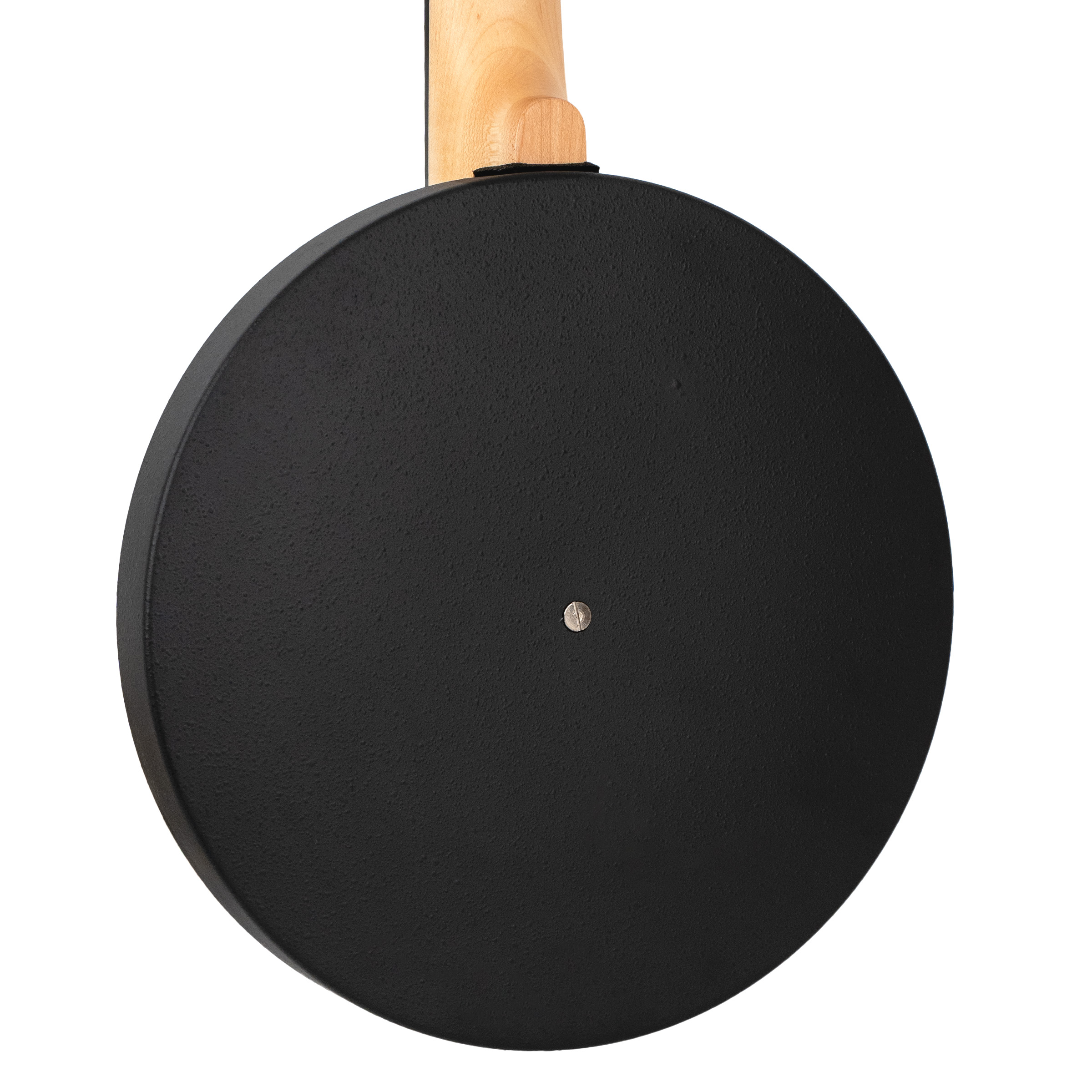
- 13″ composite resonator
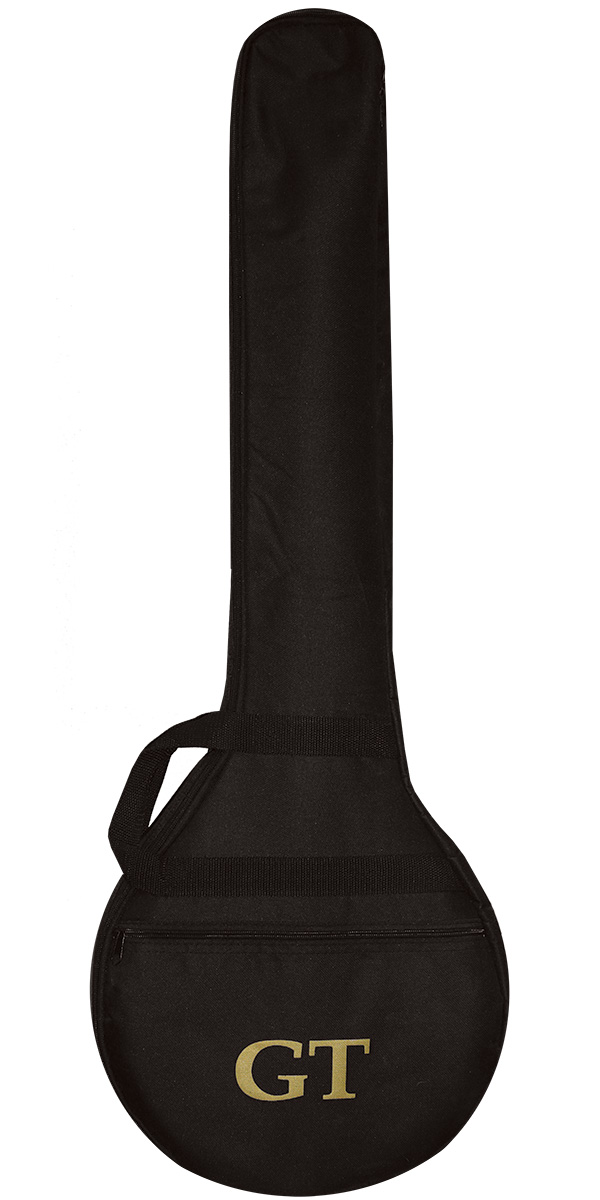
- Padded Gold Tone gig bag included
- Made in China
Backorder
Questions? Call or text us at 404-218-8580Read customer reviews
Questions about this banjo? Call or text 404-218-8580
 Watch the demoHear this model played Gold Tone "GT-Series" AC-6 Composite 6-String Banjitar, opens a video player
At a Glance
- Handedness
- Right-Handed
- Style
- Banjitar
- Strings
- 6
- Scale Length
- 25-1/2"
- Pickup
- Yes
- Made In
- China
- Weight
- 6 lbs
The Gold Tone AC-6+ is a six-string banjitar, played with guitar chords but sounding like a banjo, and the plus version of the AC-6 adds a pickup built into the instrument. Gold Tone says the AC-6 Banjitar packs a punch like no other entry-level banjo guitar. The full 25-1/2″ scale sets it apart from the shorter AC-6 Mini.
What makes the AC-6+ different
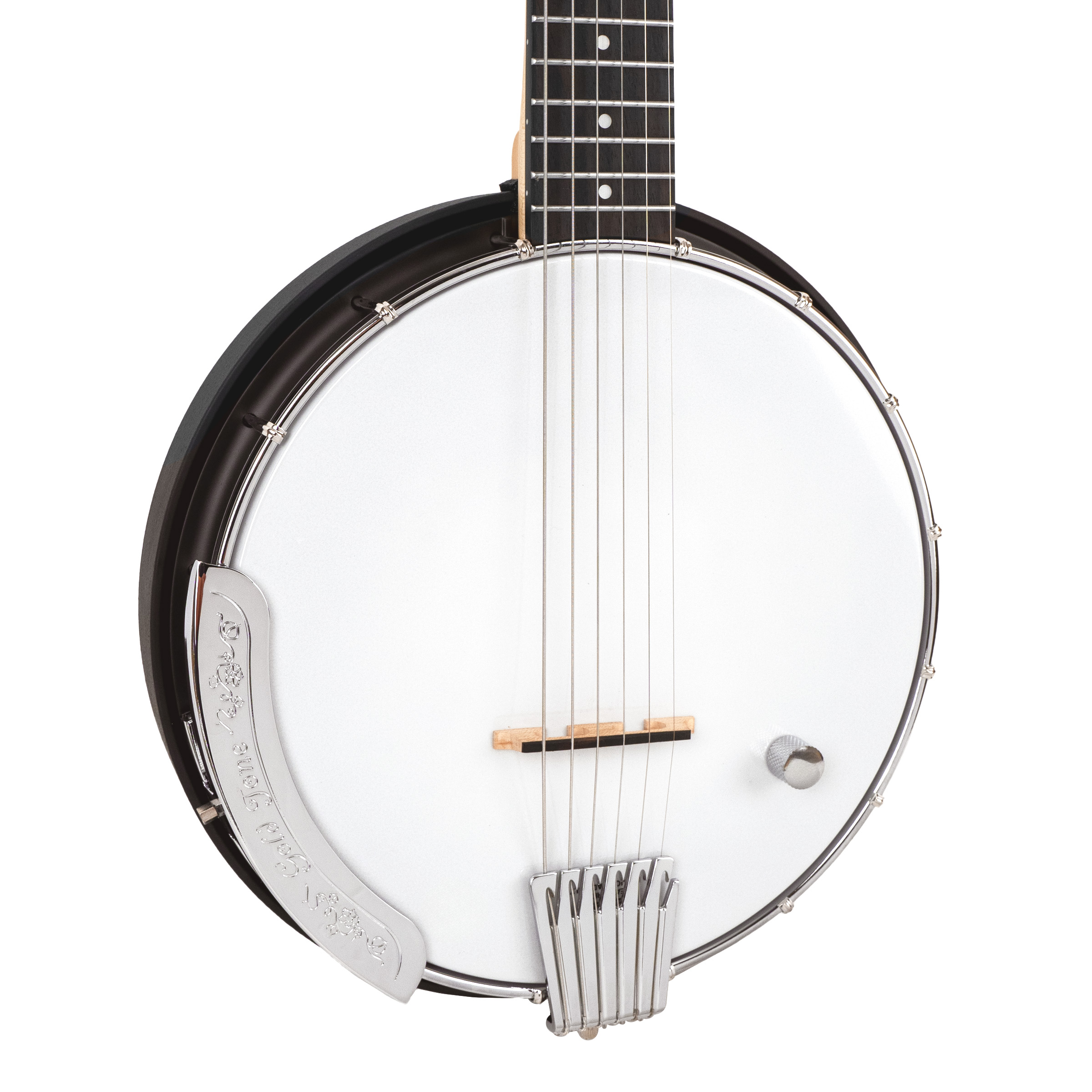
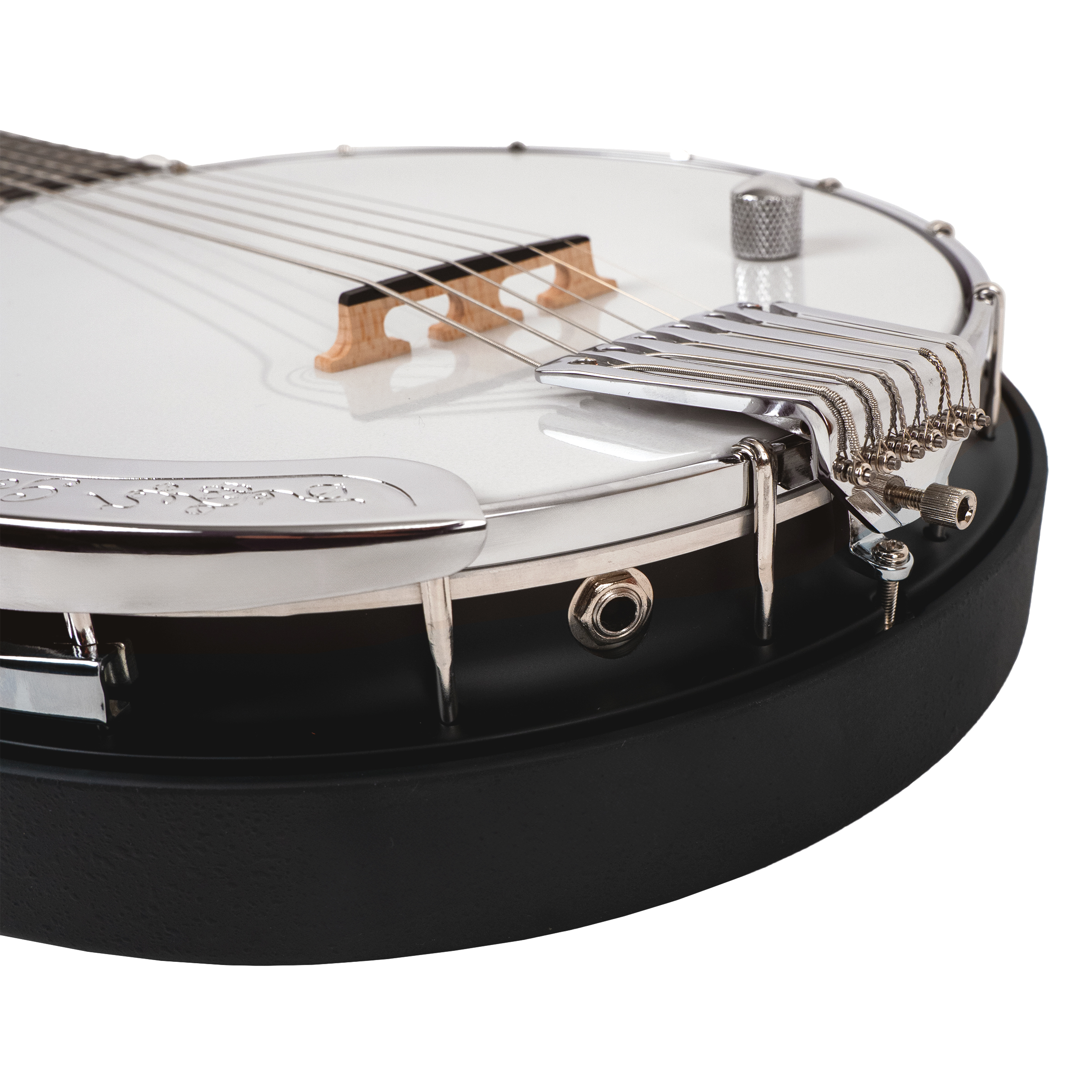
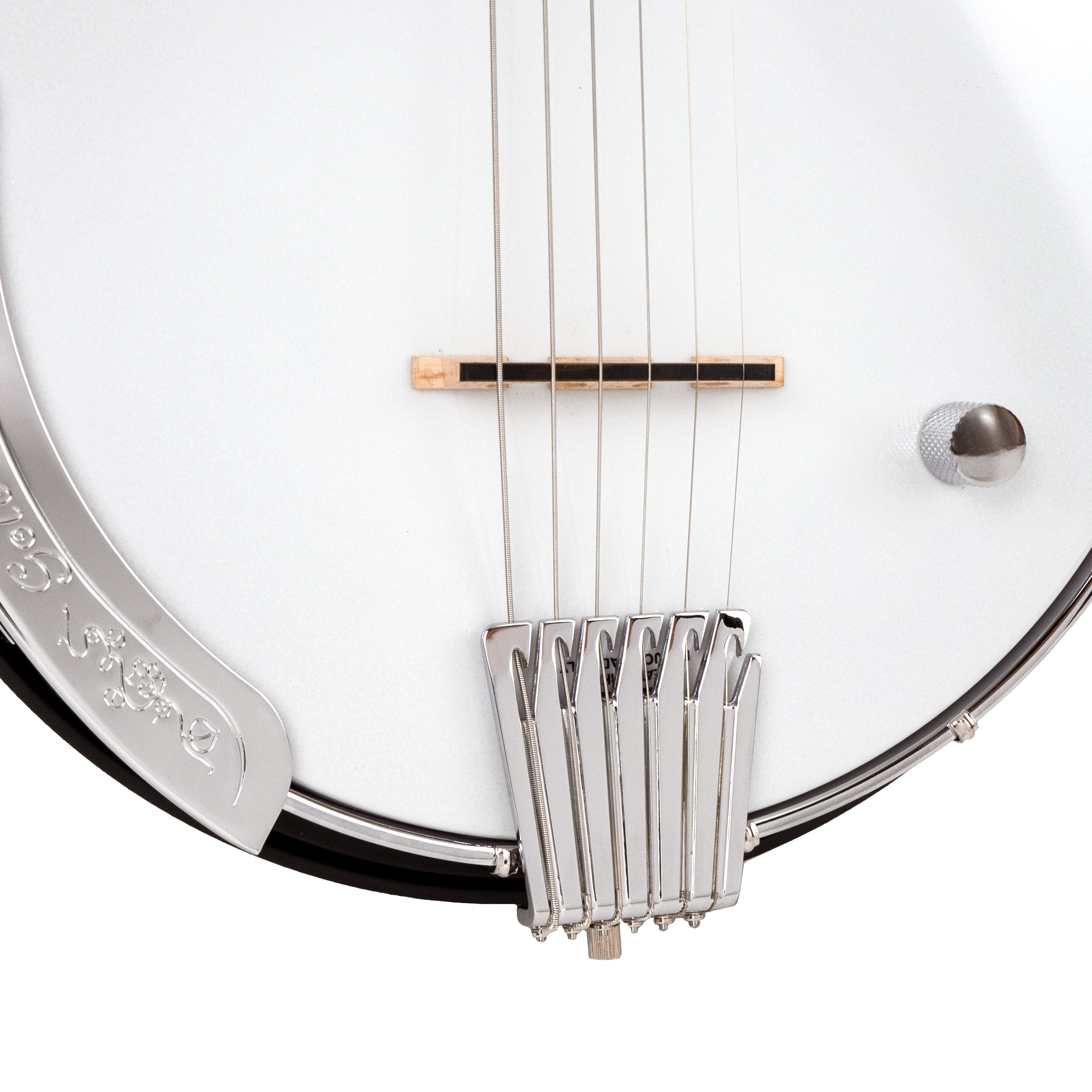
- SMP pickup with volume control. Gold Tone fits its SMP sliding magnetic pickup with its own volume control. “Plug it in, crank it up and let the good tones roll!” is how Gold Tone puts it.
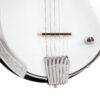
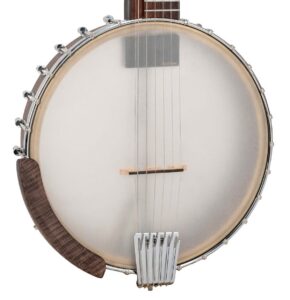
- Composite rim and resonator. The 11″ rim and 13″ resonator are molded from a composite material that Gold Tone calls strong, consistent and durable.
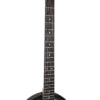
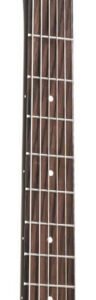
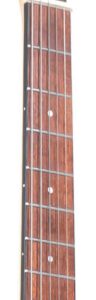
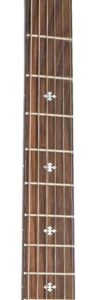
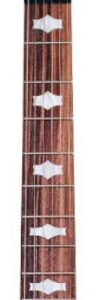
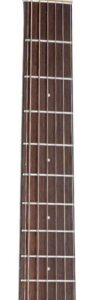
- Maple neck. The neck carries a radiused rosewood fingerboard with 21 frets and dot inlays, plus a two-way adjustable truss rod.
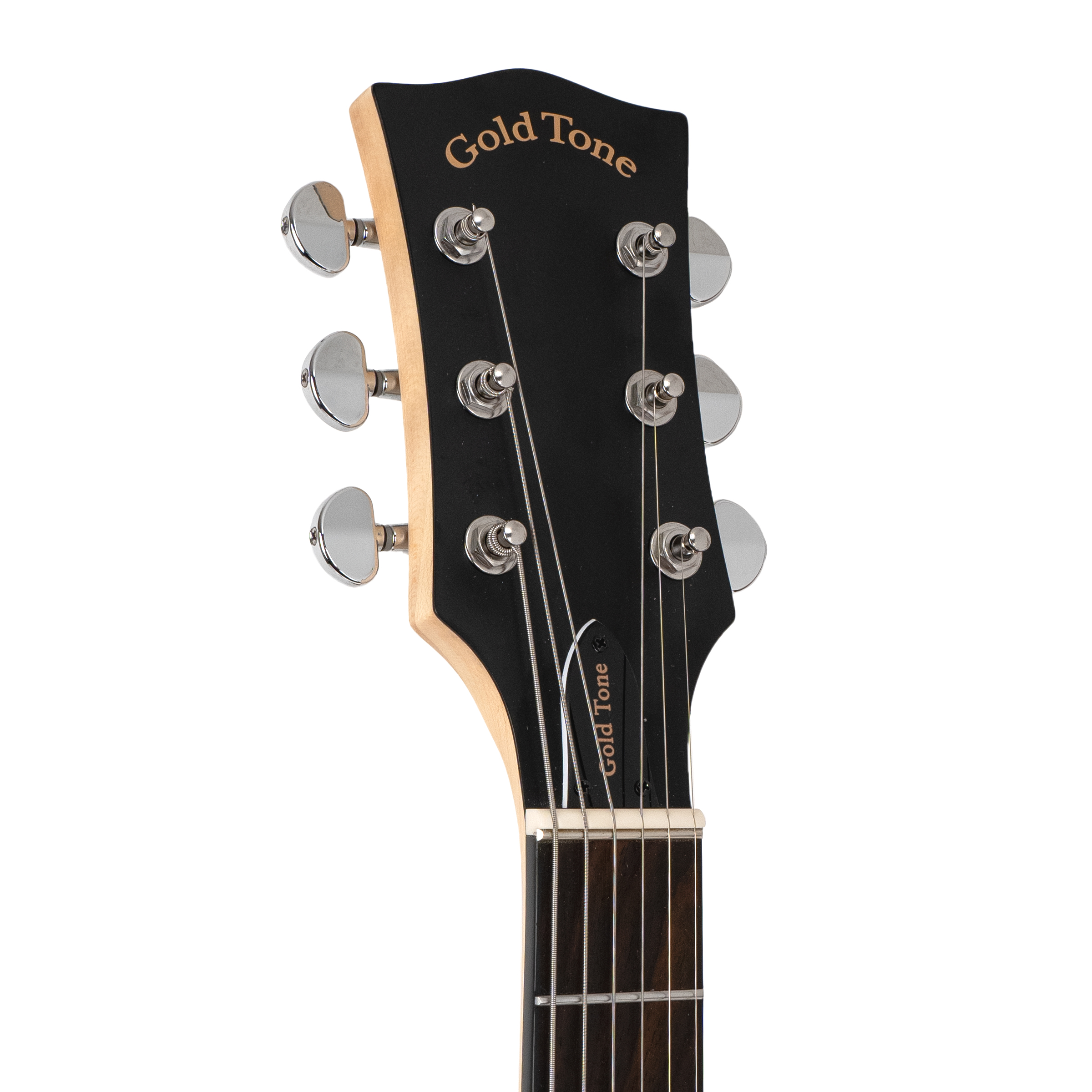
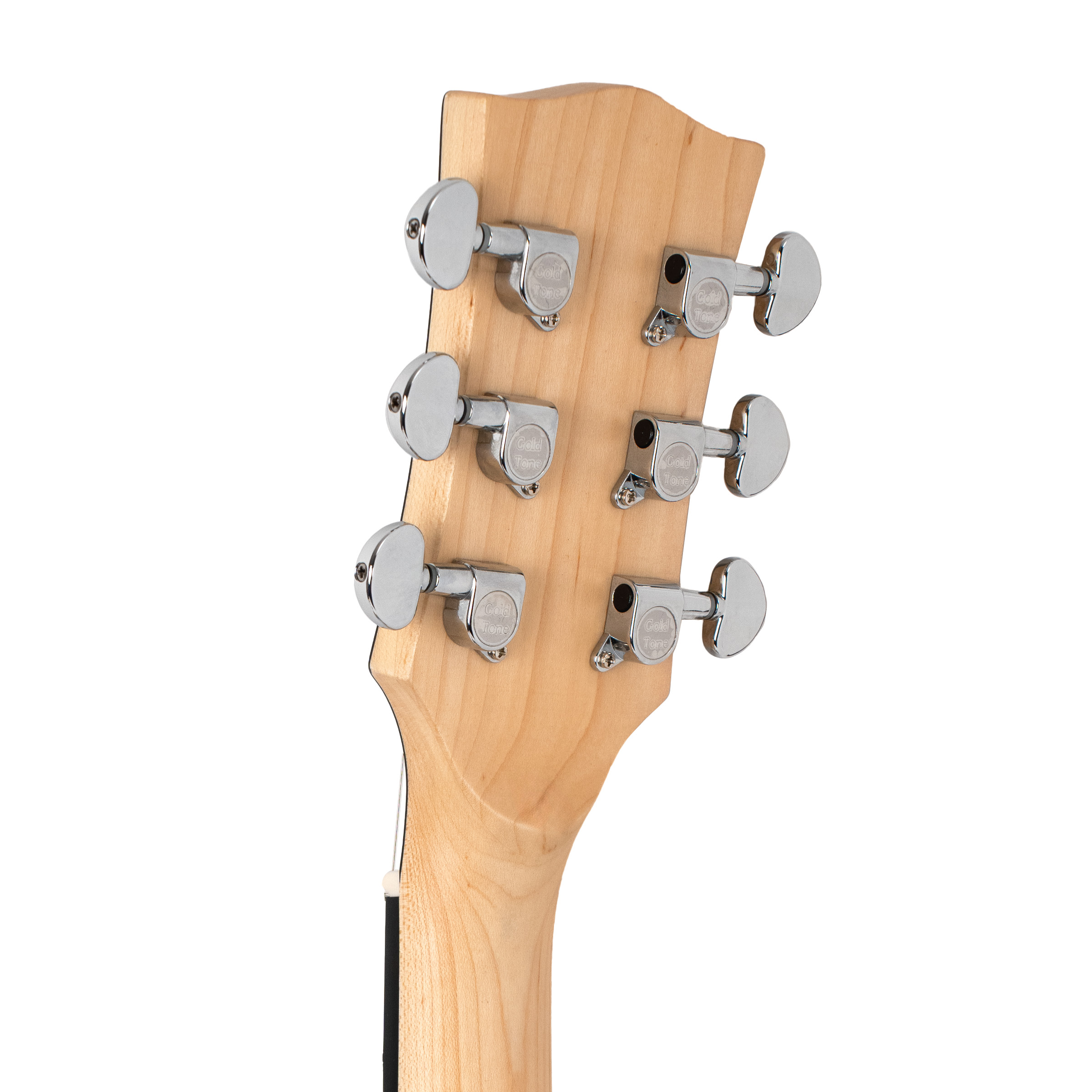
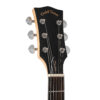
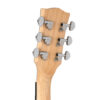
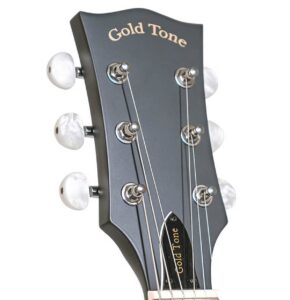
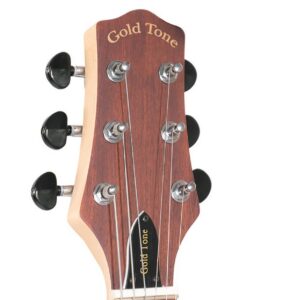
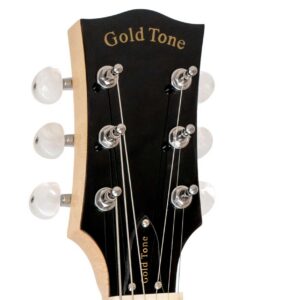
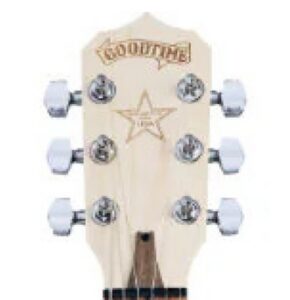
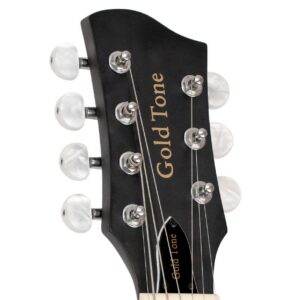
- Zero Glide nut. A 1-11/16″ Zero Glide nut sits at the top of the fingerboard, and the headstock holds sealed guitar-style tuners with metal buttons.
- Remo head and Terminator tailpiece. An 11″ Remo LC Smooth head is held by 16 brackets and an 11″ flat-bar tension hoop, with a Terminator tailpiece and an engraved Gold Tone armrest in chrome plated hardware.
Who the AC-6+ suits
The AC-6+ suits a guitar player who wants a banjo sound on stage or in a recording, plugged in rather than miked. Next to the AC-6 Mini it is the bigger instrument, with a resonator, the longer scale and the pickup, where the Mini is a lighter openback with no pickup. Left-handed players can get the same instrument as the AC-6+/L.
Choose your AC-6
All three AC-6 models are composite-bodied banjitars in standard guitar tuning. They differ in scale, back, pickup and handedness.
| Model | Scale | Back | Pickup | Hand |
|---|---|---|---|---|
| AC-6 Mini | 22-3/4″ | Openback | None | Right |
| AC-6+ (this page) | 25-1/2″ | 13″ composite resonator | SMP with volume | Right |
| AC-6+/L | 25-1/2″ | 13″ composite resonator | SMP with volume | Left |
| Model | What’s different | Hand |
|---|---|---|
| AC-6 Mini | Short scale, openback | Right |
| AC-6+ | Full scale, pickup | Right |
| AC-6+/L | Left-handed AC-6+ | Left |
Setup, shipping and warranty
Every AC-6+ is professionally set up at Gold Tone’s factory in Titusville, Florida. Shipping is free in the US. The AC-6+ is covered by Gold Tone’s manufacturer’s warranty.
Questions? Call or text us at 404-218-8580.
Gold Tone AC-6+ specifications
| Key facts | |
|---|---|
| Model | AC-6+ (Gold Tone) |
| Strings | 6 |
| Handedness | Right-handed |
| Scale length | 25-1/2″ |
| Tone ring | None |
| Pickup | SMP sliding magnetic pickup with volume control |
| Made in | China |
| Weight | 6 lbs |
| Neck | |
| Neck | Maple |
| Fingerboard | Radiused rosewood |
| Frets | 21 |
| Inlay | Dot |
| Truss rod | Two-way adjustable |
| Nut | 1-11/16″ Zero Glide |
| Tuners | Sealed guitar-style, metal buttons |
| Pot and hardware | |
| Rim | 11″ composite |
| Resonator | 13″ composite |
| Head | 11″ Remo LC Smooth |
| Brackets | 16 |
| Coordinator rod | Single 11″ |
| Tension hoop | 11″ flat bar |
| Tailpiece | Terminator |
| Bridge | Maple with ebony cap |
| Armrest | Gold Tone engraved |
| Binding | Black ABS |
| Hardware | Chrome plated |
| Finish | Natural, satin |
| Strings | |
| Tuning | Standard guitar (E A D G B E) |
| Gauges | 6th .052w, 5th .042w, 4th .032w, 3rd .020w, 2nd .013, 1st .010 |
| In the box | |
| Bag | Padded Gold Tone gig bag |
Gold Tone AC-6+ questions
How is the Gold Tone AC-6+ tuned?
Standard guitar tuning, E A D G B E. A guitar player can use every chord shape and scale they already know, and the banjo head gives those chords a banjo sound.
How is the AC-6+ different from the AC-6 Mini?
The AC-6 Mini is the smaller, lighter model. Gold Tone gives it a shorter scale with 19 frets, a nato mahogany neck and an openback rim with no resonator, and lists no pickup for it.
Is there a left-handed Gold Tone AC-6+?
Yes. Gold Tone makes the AC-6+ as a left-handed model too, and we list it as the AC-6+/L.
Does the SMP pickup need a battery?
No. The SMP is a passive magnetic pickup, so there is no battery and no phantom power. A standard 1/4″ instrument cable runs from the output jack to an amp or DI box.
Be the first to review “Gold Tone AC-6+ Acoustic Composite Banjitar with Pickup”
You must be logged in to post a review.
More 6-String Banjos
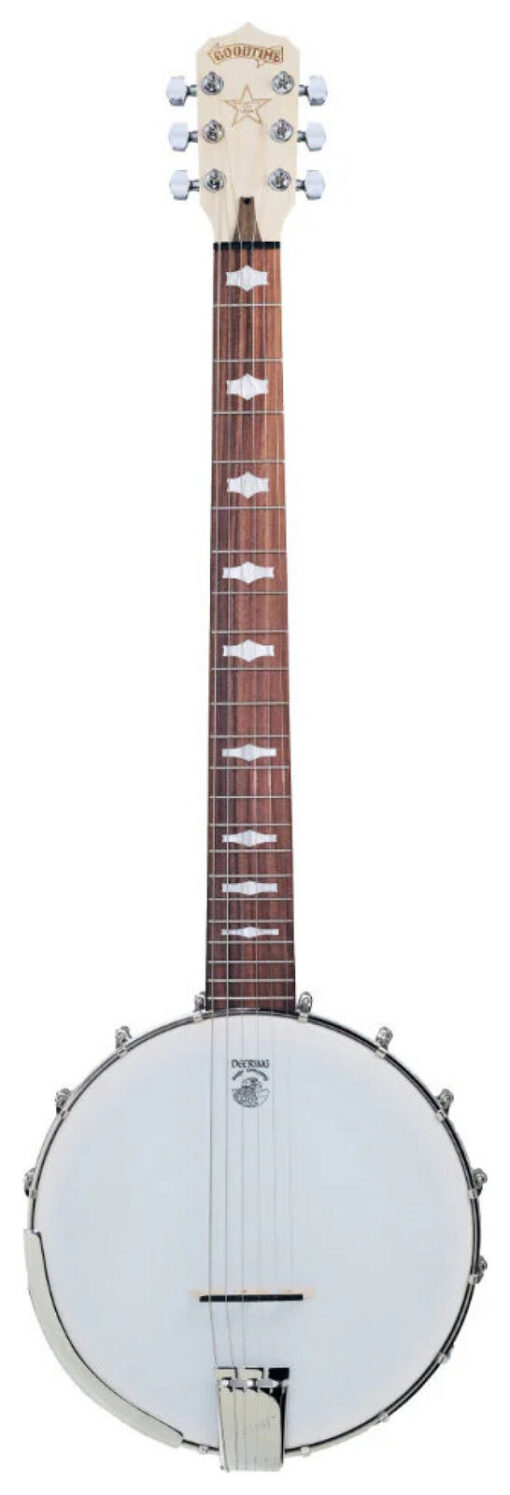
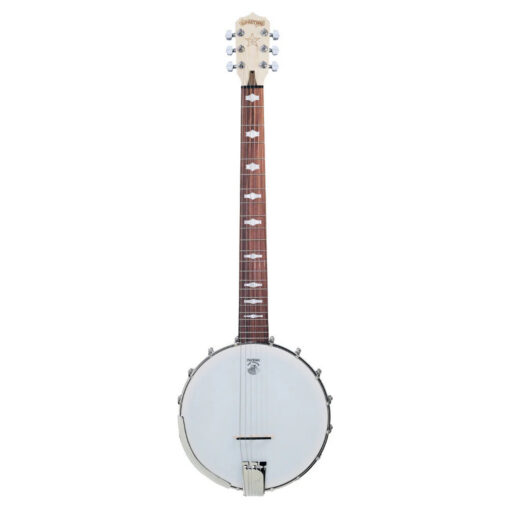
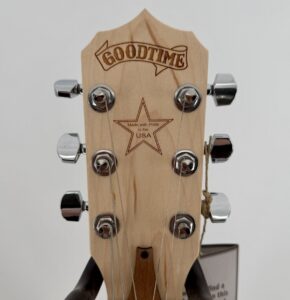
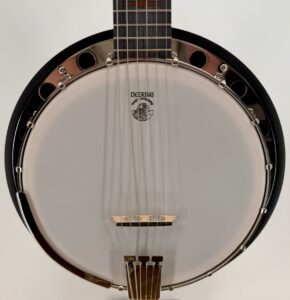
The Deering Goodtime Six is a six-string banjo that lets a guitarist play banjo with the chord shapes they already know.
- Rock maple neck, maple 15" radius fingerboard
- 3-ply violin grade maple rim
- 6 sealed geared tuners
- Made in USA, ships from Yellow Springs, Ohio
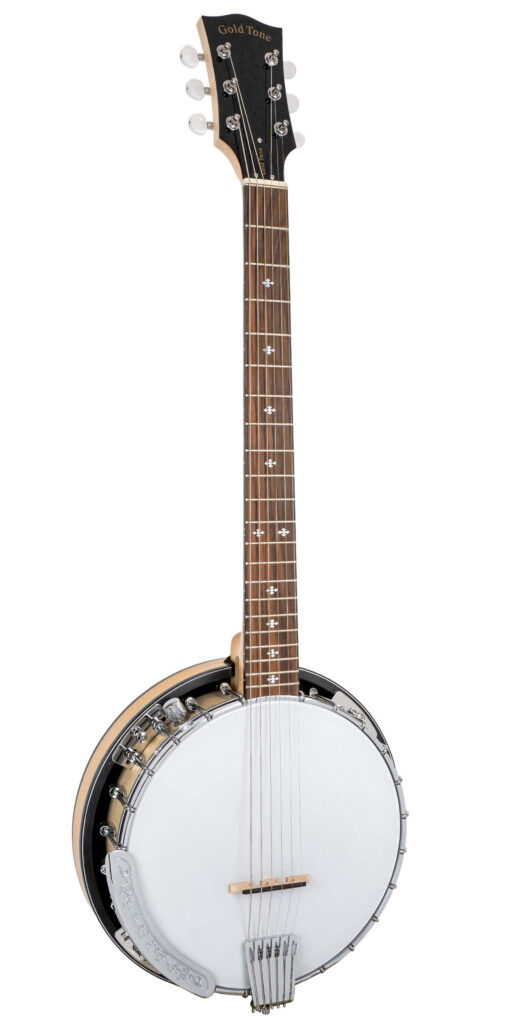
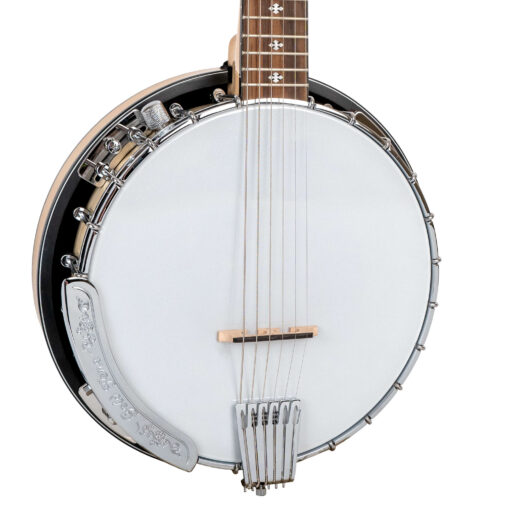
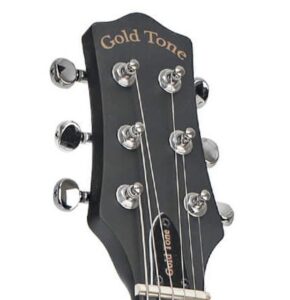
The Gold Tone GT-500 is a resonator banjo with six strings, a 21-fret maple neck and Gold Tone's SMP magnetic pickup.
- Gold Tone SMP pickup
- Maple neck, radiused rosewood fingerboard
- 13" maple resonator
- Gold Tone HD15 hard case included
- Made in China, ships from Gold Tone
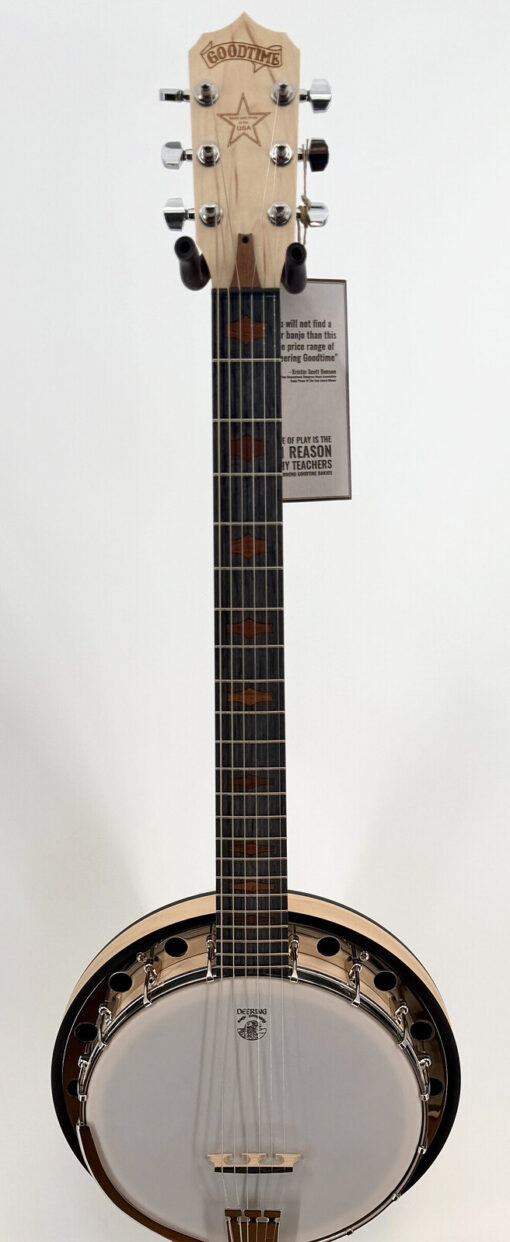
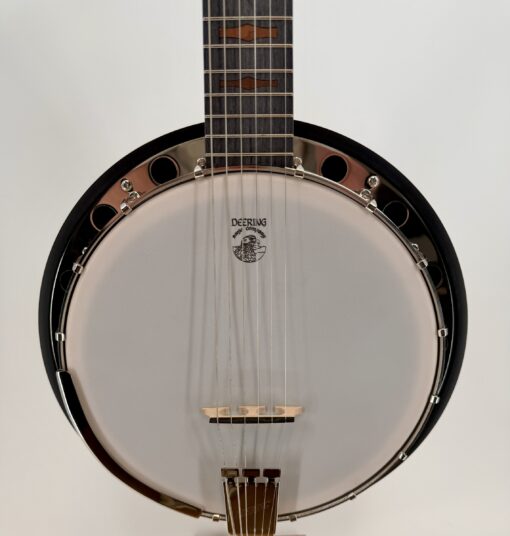
The Deering Goodtime Six-R is a brand new, right-handed 6-string resonator banjo with a dark Midnight Maple fingerboard.
- Rock maple neck
- 3-ply poplar/poplar/maple resonator with straight sidewalls
- 3-ply violin grade maple rim
- Made in USA
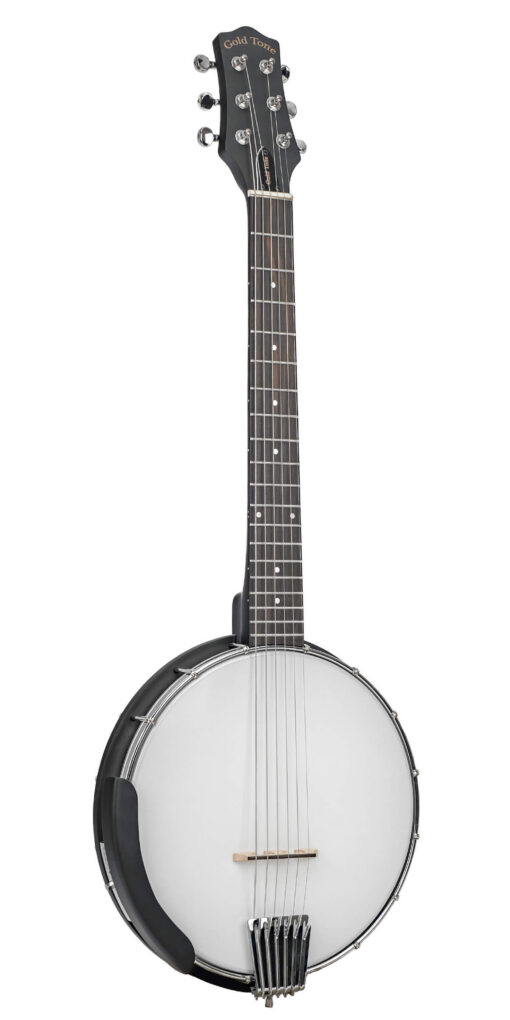
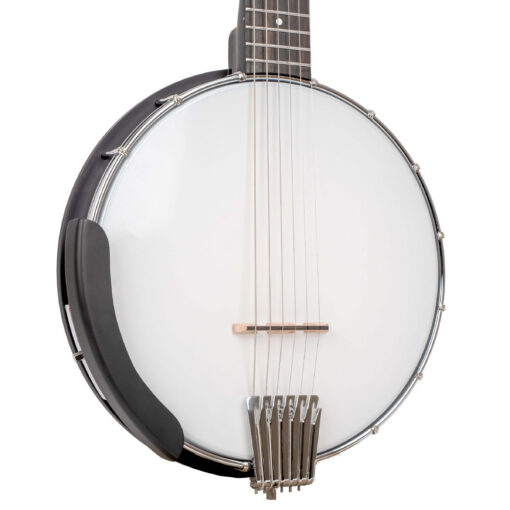
The Gold Tone AC-6 Mini is a six-string banjo in standard guitar tuning, finished in black satin and sold with a Gold Tone gig bag.
- Nato mahogany neck, rosewood fingerboard
- 11" composite rim
- Gold Tone gig bag included
- Made in China, ships from Gold Tone
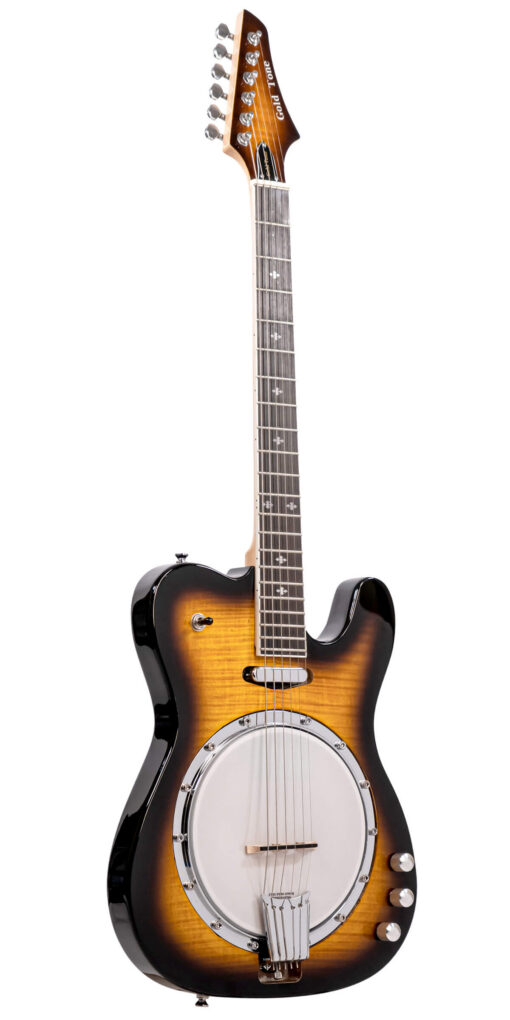
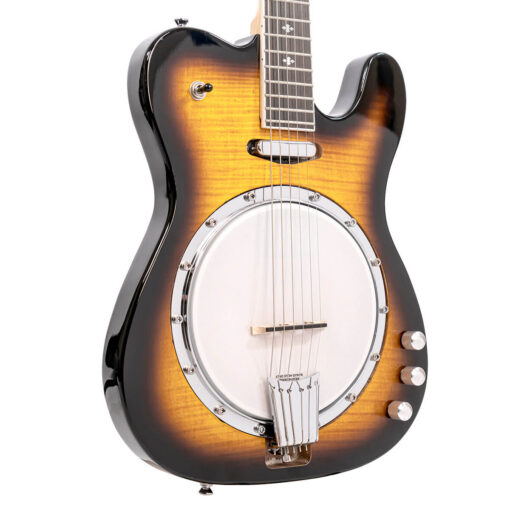
The Gold Tone ES-Banjitar is a stage banjo guitar for country, blues and jazz guitarists, finished in high gloss tobacco sunburst with cream binding and chrome hardware.
- 8" aluminum tone ring
- Maple neck, rosewood radiused bound fingerboard
- Mahogany body
- Hard case included
- Made in China, ships from Gold Tone


The Gold Tone WR-7 is a guitar-tuned 7-string banjitar that carries an SMP+ pickup and comes with a gig bag.
- SMP+ pickup
- Maple neck, radiused rosewood fingerboard
- 12" multi-ply maple rim
- Gig bag included
- Made in China, ships from Gold Tone
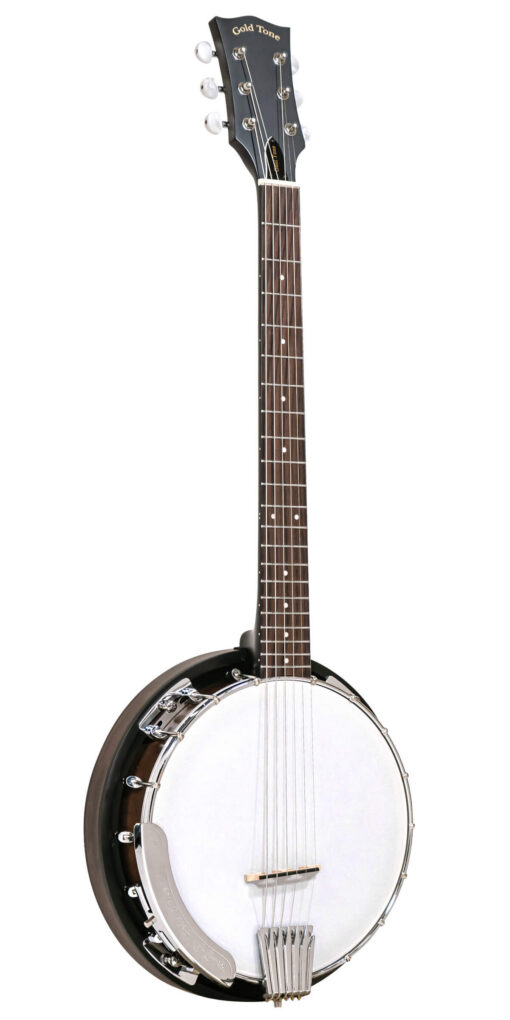
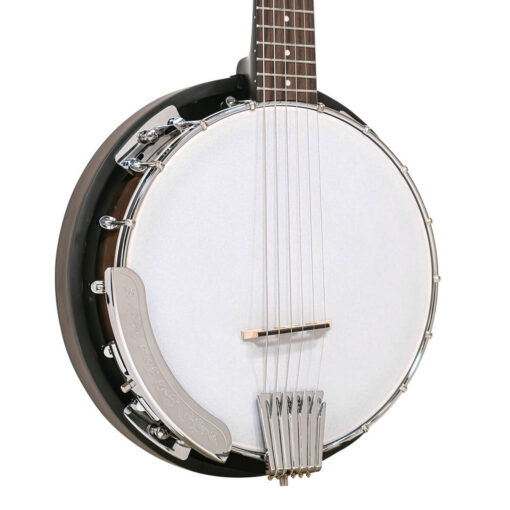
The Gold Tone CC-Banjitar is a right-handed banjo with a six-string guitar neck, a maple resonator and a vintage brown satin finish.
- 11" rolled brass flat bar tone ring
- Maple neck, radiused rosewood fingerboard
- 13" maple resonator
- Gold Tone gig bag included
- Made in China
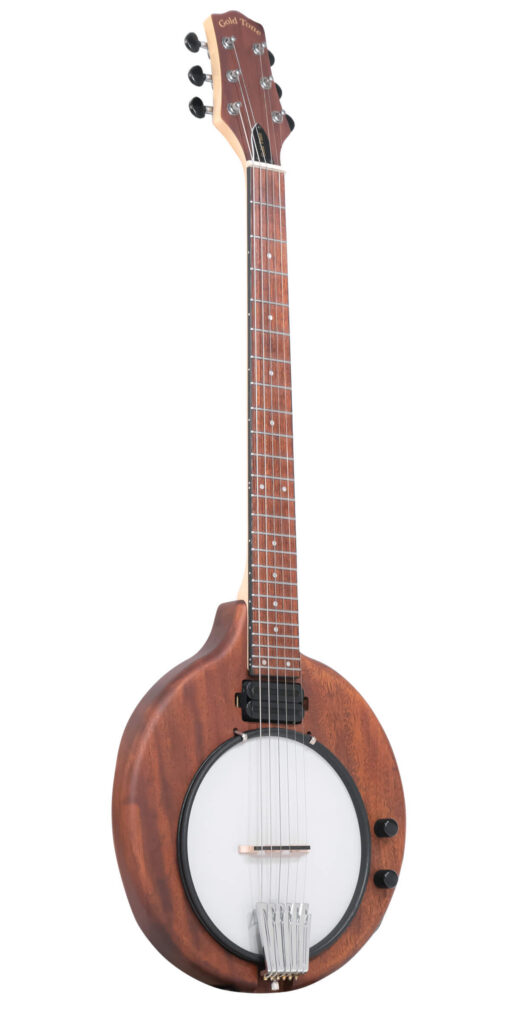
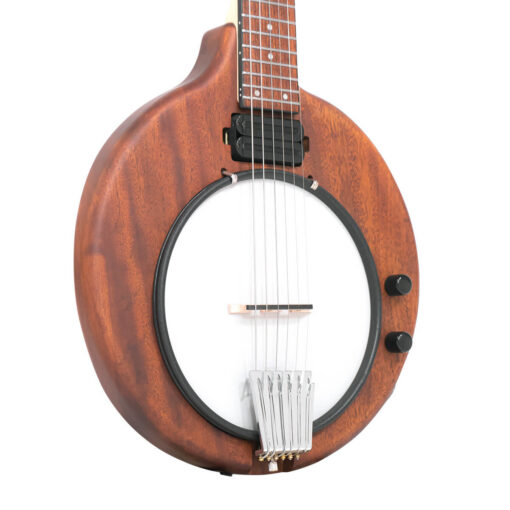
The Gold Tone EB-6 is a 6-string electric banjo guitar in a natural satin finish that comes with a gig bag.
- Stacked humbucker pickup
- Canadian maple neck, radiused rosewood fingerboard
- Contour-carved mahogany body
- Made in China, ships from Gold Tone

Reviews
There are no reviews yet.